


Burke Index | ||||||||||||||||||
 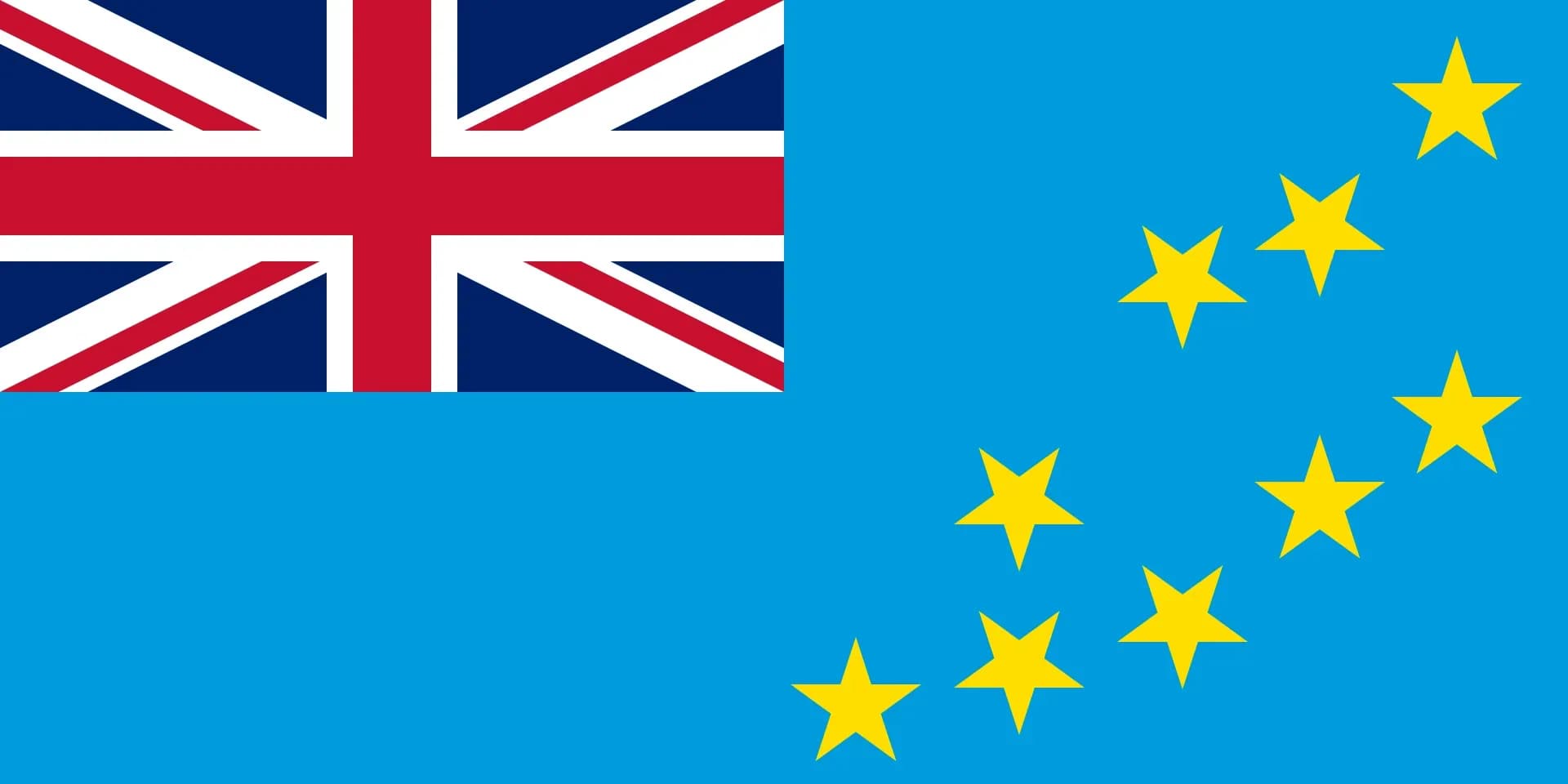 INDEX 24.10.2025, 16:35 Tuvalu Sovereignty Index (Burke Index), 2024-2025  Share on media IntroductionThis report provides a comprehensive analysis of Tuvalu's sovereignty using the methodology of the Burke Institute. Sovereignty is assessed in 7 areas: political, economic, technological, informational, cultural, cognitive and military. Each aspect is assessed on the basis of official data from international and national sources (UN, World Bank, UNESCO, IMF, ITU, FAO, SIPRI, PISA, etc.) without using politicized indexes. The maximum score in each direction is 100; the sum (up to 700) is the accumulated Sovereignty Index (Burke Index). To adapt and adjust statistical parameters, an international expert survey was conducted for each of the seven components using a single questionnaire of 10 questions with a 10-point scale and one open-ended question. In total, at least 100 experts from 50+ countries were interviewed for each indicator, taking into account geographical representation and specialization. When calculating and analyzing the data, equalizing coefficients were used, bringing all data to a scale of 0-10 points. The final index value is the arithmetic mean between statistical data and expert estimates. Below is an analysis of each area, a summary table and the main conclusions about the peculiarities of Tuvalu's sovereignty. Political sovereignty — 79.2Tuvalu is a member of the United Nations, the Commonwealth, the Pacific Islands Forum, ACP, ADB, ESCAP, FAO, the Group of 77, the World Bank (IBRD, IDA), the IMF, IMO, ITU, OPCW, UNESCO, WHO, etc.; actively participates in global climate negotiations and programs of small island states, and also in regional cooperation mechanisms. National law has supremacy: international agreements come into force after ratification by Parliament, there is no direct dominance of international regulations. The issues of self-determination, climate sovereignty and territorial integrity are enshrined in the Constitution (2023). In a very high range: WGI political stability index (2023) — 1.19 (global average -0.06), 94.3th percentile (one of the best indicators in the world); in 20 years there has not been a single transition of power with violence or crisis. Government Effectiveness WGI (2023): -0.45 (35th percentile worldwide); the public administration system is stable, but with limited effectiveness due to staff shortages, budget constraints, and external support. EGDI-2024: in the group of small island developing countries — below average (according to the UN/UNDESA rating, in the bottom third of the list). The reason is the limited human and technical potential, Internet coverage <65%, and a small number of online services. High: the government is operating in a broad coalition mode, the level of trust is stable, there are no permanent protests, the electoral support of the Prime Minister and Parliament is high, local leaders are regularly re-elected. There are no permanent or temporary foreign military bases; all national and external security is maintained through regional agreements with Australia and New Zealand (Pacific Maritime Security Program), which provide maritime patrol, border control and equipment supplies, but do not have military facilities in Tuvalu. The country actively participates in transnational climate and maritime cases (for example, appeals to the International Court of Justice — ICJ, ITLOS, the United Nations), supports the initiative to recognize the “digital state”; judicial proceedings on key issues (climate, human rights, self-determination) are accompanied by government statements at all levels. A fully centralized parliamentary system (unicameral, with all functions concentrated in the capital Funafuti), municipalities perform administrative tasks, and there are no provinces or independent regional institutions. There are no military or extensive special services; the police and Border Guard are subordinate to the Ministry of Internal Security, control is carried out through the Cabinet of Ministers and appeals from local councils, and external partners (Australia, NZ) conduct audits. The police budget and supervision are reviewed by Parliament, and key decisions are publicly discussed. Data completeness assessment: the main indicators are available from international sources, the coverage is 88%. Economic sovereignty — 41.6For 2024-2025, GDP per capita (PPP) is $5,763-6,543 (World Bank, Trading Economics); the global average is $19,150. Official gold and foreign exchange reserves are $0.0 billion; the volume does not exceed 10.5 months of imports, the main financial cushion is the Tuvalu Trust Fund (A$191 million in 2024, ≈261% of GDP). The national debt has decreased to 3.9% of GDP by 2024 (in 2022-10.07%), and remains one of the lowest in the world. Tuvalu is extremely vulnerable: ~90% of food is imported, local agriculture does not provide basic needs, and fishing, aid, and external supplies are the basis of food security. In 2025, there is a national program with the FAO (“Hand-in-Hand”) for the development of organic farming and the cultivation of root crops/poultry. Historically, 95% of energy is imported diesel fuel. The first large solar park (Funafuti) was completed in 2024, the share of solar energy reaches 30-40%, and the goal is 100% renewable energy by 2030. Floating PV and the introduction of batteries, the development of wind power on the outer atolls are being piloted. There are no significant mineral resources; the basis of the economy is fishing quotas and a domain.TV, tourism, copra. The marine economic zone is a major resource, but mineral, industrial and fuel reserves have not been explored. The only source is sprinkling and rainwater collection/storage; there are no surface reservoirs, and the entire infrastructure (tanks, wells, PV desalinators, coastal aquifers) is dependent on weather conditions and annual precipitation fluctuations. By 2025, a national monitoring plan and community-based coastal aquifer management have been introduced. The National Bank launched ATMs/electronic payments for the first time (2025), the cashless ecosystem is developing through ATM and debit/credit cards soon, mobile money based on the national operator (TTC) is being introduced; cash and bank transfer are a large part of the market. 95% of all settlements (domestic and foreign trade) are in the Australian dollar (AUD); there is no national currency, the entire infrastructure system is based on AUD, a small proportion of transactions are USD or NZD for external contracts. There is no central bank; credit and monetary policy are determined by the National Bank of Tuvalu (there is no direct issue, the bank performs operational, payment and partial credit functions, the rest is through the Australian banking system and Trust Fund funds). The National Bank regulates only the internal exchange rate, making payments, and does not implement an independent monetary policy. Data completeness assessment: the main macroeconomic indicators are available from official sources (World Bank, IMF), coverage is 91% Technological sovereignty — 21.8Officially, it is 0% of GDP, and there are no national research institutes or basic R&D programs. Missing: equipment, servers, software, all digital and communication solutions are completely imported; any localization is limited to digital adaptation (mobile solutions for the agricultural sector, e-health). Formal statistics on gross enrollment tertiary education ≈ 0% (UNESCO; universities/colleges are available only in the form of correspondence or distance learning through the University of the South Pacific Suva), the real share is up to 3-4% of residents studying abroad. As of January 2024-81, 2% of the population (9,285 Internet users) is one of the best indicators in Oceania. The increase in penetration is about 0.7% per year. In 2023-2025, a unique Digital Nationhood Project is being implemented: the digital twin of the state, archiving of cultural and legal heritage, national blockchain ledger (citizenship, state registers), electronic public services, digital ID service. National ICT policy includes digital governance and services for migration/refugees, mobile public services and virtual consultations. Imports — 100% of hardware, software, cables, cloud services, fintech; all shipments from Australia, NZ, Japan, China, EU, USA. The assembly of unique digital solutions is underway only for e-health and the agricultural sector (based on open source and donor-driven applications). A large-scale digital transformation is underway: the implementation of blockchain-based services, the introduction of digital-ID, electronic document management, mobile public services, cloud storage projects with AWS and archive virtualization; in healthcare and education - digital registration, monitoring, pilots e-health. There is no separate R&D sector, single FAO and UNDP projects on agri-biotech, gender-sensitive agriculture, adaptive crops and consulting are being implemented; the entire technological cycle is import or donor complexes. The country does not have its own market or educational clusters; automation is implemented only on agricultural farms and for early warning systems based on mobile solutions, all equipment is imported. It is completely absent: all microchips, electronics, and computing solutions are exclusively imported, and there are no industrial, research, or educational programs. Data completeness assessment: key indicators are obtained from WIPO, ITU, UNESCO, which provides 93% coverage. Information sovereignty — 36.4In 2024, the state is implementing a National ICT Strategy: a national CERT (Computer Emergency Response Team) is being created, which will become part of the regional CERT Pacific system. The unified law on cybersecurity is being prepared for implementation; the maturity level of the national system is “developing", supported by ITU/APNIC. In 2024, the government announced the launch of the first national IXP (Funafuti), which should allow for the localization of Internet traffic, reduce deposits from Asian exchange hubs, increase reliability and cost of connectivity; there is a national data center plan, the deployment of optics and backup channels for IXP. The official language is Tuvaluan; all media outlets (national radio, TV, news portals, school and municipal information platforms) publish materials in Tuvaluan and English. The annual Language Week is actively held, cultural associations and youth media projects are funded. There is no government regulation of BigTech; all major platforms, social networks, and clouds are global (Google, Facebook, YouTube, TikTok). The issue of sustainability is being considered as part of the Cybersecurity Roadmap, but no national alternatives have been proposed. About 40-45% of the media content on the air is local news, educational, musical, and cultural projects; the rest is imported or distributed across global platforms. Recordings of traditional songs and events make up a significant proportion, and the archive is being created on the basis of the Digital Nationhood project. Its own market of basic IT and media products is being formed: mobile applications for Digital Tuvalu, e-health and emergency notification, Netbank and fintech services; government software (registries, gateways, climate monitoring applications, data archiving) is being developed with the support of donors and vendors. Internet accounts for 81.2% of the population (2024), social networks account for about 55%. The Digital Nationhood state portal covers ~60% of households, services — electronic registration, digital-ID, electronic archives, e-health, climate dashboards, educational services (national LMS). The state program provides for the creation of a data center (2024-2025), some of the government data is stored on AWS and Tier 2 data centers in Port Moresby./Suva; national policy requires allocation of segments for cultural archives, digital government, public and climate registers. The single operator is Tuvalu Telecommunications Corporation (TTC, 100% state-owned), owns and develops 3G/4G/VoLTE networks, implements projects with the transition to 5G/Open RAN. Licensing, tariff policy and control are under the full jurisdiction of the state, but there is no MVNO. The Data Privacy/Protection policy guidelines for government digital archives and services have been adopted, the regulations (2024) are integrated into the ICT policy, and the legal formalization of personal data protection is underway as part of the implementation of Digital Nationhood. National registers and data are processed only with the consent and in accordance with the norms of the laws, the draft law “On Personal Data” is undergoing public consultations. Data completeness assessment: infrastructure indicators are available from ITU, CIRA, OECD and specialized sources, coverage is 92%. Cultural sovereignty — 66.9In July 2023 Tuvalu became the 195th state to join the UNESCO Convention, and in September 2025 submitted the first application for the Pacific Atoll-Island Cultural Landscape of Tuvalu (6 atolls, 3 islands) to be included in the World Heritage List — a decision is expected, no sites have been included at the moment, but the historical dossier is already in the review process. Tuvalu is the most important exhibitor of Polynesian navigation, music, dance, ritual traditions (fatele, fakanau, fakaseasea dances), collective navigation practices, community assemblies (maneapa), multi-level climate adaptation strategies, actively promotes its experience and cultural code at the global level through the digital state, World Expo, partnership with UNESCO, international youth and environmental initiatives. Annual national and island festivals (Ta'amu Festival, traditional competitions) are held, there are state awards in the field of traditional arts, crafts, and heritage preservation (through the Ministry of Culture and Youth), youth competitions, and a school of national dance and music are supported. Tuvalu society is a Polynesian system with a rigid tribal and insular identity, the central place is the maneapa (community hall/council), fatele and fakanau music and dance are an element of initiation, collective archipelagic culture, strict taboos, and numerous ceremonial practices. Ethnoculture is enshrined in the Constitution and national policy. The population is extremely homogeneous (96% are Tuvaluans by origin), but a comprehensive policy of social inclusion is being implemented (TE KETE, cultural plan): The rights of all island communities, women, and youth are protected by separate programs, educational grants, and social support, and languages and histories of small clans and families are taught in schools. Museums and registries record ~60 key monuments: maneapa, sacred groves, sacred caves, archaeological landscapes (for example, Punatau on Waitupu), national and community archives, underwater cultural heritage (shipwrecks, ancient lagoons), memorial sites of the missionary and colonial era. Tuvalu participates in Expo 2025 (Japan), UNESCO (digital archiving, World Heritage), international climate initiatives (Rising Nations Initiative), cooperates with the German Institute of Archaeology, the German Ministry of Foreign Affairs and the UNOPS on digitization of heritage, Digital Nationhood, partnership with New Zealand, Australia, France. Since 2018, the National Cultural Policy has formalized the protection of Tuvaluan brands, the Tuvalu Cultural Council Act and separate Provisions on GI/brands for handicrafts and unique cultural elements (music, singing, making clothes and jewelry). Cooking is based on seafood, taro (pulaka), coconuts, breadfruit, poultry, shellfish, traditional earthen fire preparations, fermented potatoes, soups and desserts based on coconut milk; culminating in communal festive feasts (fakafuaga); dishes are often accompanied by dancing and extensive family meals. Up to 90% of the population participates annually in traditional festivals, island gatherings, music and dance events, ceremonies and modern cultural events (Tongafiti Day, Te Aso Fiafia); high involvement through schools, youth initiatives and community archives. Data completeness assessment: basic indicators are available in UNESCO and national statistics, coverage is 95%. Cognitive sovereignty — 48.2HDI — 0.689 (2023); “average” level of development, approximately 134th place in the world. Education spending: 12.85% of GDP (2023, according to World Bank/IMF). This is one of the highest rates in the world and Oceania, however, early sources indicate ~3.7% of GDP (different estimation methods). Adult literacy is 99.8%, the highest level in Oceania (universal basic education). Tuvalu does not participate in PISA tests; there are no international scores, and the quality of school education is improved through national and donor programs (UNDP, WB). The formal proportion of STEM graduates is low (most study abroad or remotely). Grants and internships in STEM provide up to 6-9% of graduates annually (USP, Australian and New Zealand scholarships, climate projects and coastal adaptation). 15-19% of students study or internship abroad (USP Suva, Australia, New Zealand); most of the master's degree and special STEM programs take place only abroad, a significant part is supported by Australia, New Zealand, WB, JICA. The official and dominant language is Tuvaluan, 96% are indigenous Tuvaluans; English and local dialects are in official and school use. Language Week is held annually, and school and youth programs are actively developing to support language and culture. There is a USP Funafuti campus (natural and social sciences, ICT, ecology), basic laboratories at schools and environmental management; joint projects on climate and biodiversity with SOPAC, SPROK, NDC, universities from Fiji, Australia, New Zealand. ~15-25% of EdTech platforms (LMS, e-courses for civil servants and schoolchildren, national media libraries) are local, the rest are regional (USP, PACFOLD, WB, donor resources for flexible learning and open courses). The government and donors annually provide grants, scholarships and more than 100 destinations for internships and study abroad, supports STEM and climate adaptation through the Coastal Adaptation Project, USP Grants, Australian/New Zealand scholarships. Coverage is 7-12% of college-age youth per year. Data completeness assessment: education indicators are available in the UNDP, UNESCO, OECD, coverage is 97%. Military sovereignty — 22.7Official military expenditures are 0%; the country does not have a regular army and does not maintain a military budget. The cost of maritime security and patrol covers up to 1.6% of the budget or $5 million (mainly due to Australia's assistance). There is no regular army or navy. The internal and external security is the responsibility of the police (approx. 100 people) and the Maritime Surveillance Unit (approx. 50 people), responsible for patrolling and maritime protection of the EEZ; there is no reserve. Armament — patrol boats (Guardian-class Te Mataili III, 2024, provided by Australia and fully serviced by it), basic surveillance systems, communications, transport; no heavy equipment, aviation, air defense, missiles. All equipment, patrol boats, surveillance equipment and infrastructure are supplied by Australia (Pacific Maritime Security Program) and free contracts; there is no own production or even a service base, the Australian fleet has construction and service. Border control functions are performed by the police and Maritime Surveillance Unit, key areas (migration, smuggling, emergencies) are implemented jointly with Australia through the Falepili Union Treaty, which provides resources, control and audit of border procedures and standards. There is no reserve doctrine; there are no mobilization plans — additional forces are not formally formed. All defense policy and any foreign policy agreements in defense, infrastructure, security and critical sectors must be coordinated with Australia under the Falepili Union Treaty (2024). Australia has de facto veto power over all strategic alliances and military contracts. There is no military industry, service and defense R&D. Machinery, maintenance, and major projects are fully imported and serviced by partners. Any WMD (nuclear, chemical, biological weapons) is categorically absent; Tuvalu does not have and prohibits the deployment of such weapons under all international agreements and national law. The government does not have space/reconnaissance programs, satellites, or its own analytics; all strategic information and monitoring of the EEZ, territorial waters, and risks are provided by Australian, New Zealand, and partner centers. Operational information comes through the Pacific Regional Security/Climate Programs, USGOV and PIF. All parameters are reflected in the annual reports of SIPRI, UNODA, the Ministry of Defense, the official portals of state-owned companies (Embraer, IMBEL) and industry databases of UN/NGO — 95% coverage Final Summary Table
The main conclusionsStrengths. Environmental and digital identity Tuvalu is a global precedent for “digital national sovereignty”: the country was one of the first to create a digital twin of the state to preserve culture, archives, traditions, law and the state (Digital Nationhood), in case the territory disappears due to climate. Harmony and strength of a social society are important; there is a very high social involvement (up to 90% in cultural practices), strong family and clan connections, high public consensus on issues of self-identity, collectivism and culture (dancing, manipulation, ceremonies). Literacy and education support 99.8% literacy, high coverage of basic education, active financing of educational and human resources programs, access to grants and international degree initiatives. Minimum government debt and stable reserve. The national debt is the lowest in the world (3.9% of GDP), a large financial “cushion” (Tuvalu Trust Fund, more than 2.6 annual GDP in assets), which allows financing social and infrastructure projects. International recognition and unique projects. The country is active in all UN global forums, participates in key climate processes, promotes the experience of "small island states", implements international projects to preserve language, culture, and digitalization. Weaknesses. Extreme climate and water vulnerability Most of the country is already below sea level today or is vulnerable to storms and erosion, 100% flood water and critical dependence on rains, risks of salinization of aquifers. The extreme import dependence of 90% of food, almost all machinery, most digital solutions and energy, any equipment, finance is imported. Any failure of external supplies threatens life support. Absolute lack of military and industrial autonomy There is no army, no military industry, and no intelligence capabilities of its own; security and border control are entirely based on the Australian Ramen (Falepili Union) — any significant external decisions are made only taking into account the interests of Canberra. The underdevelopment of scientific, tech, and high-tech autonomy Costs R&D — 0% of GDP, STEM and higher education coverage are minimal, and not a single category of digital, electronic, biotechnological, or robotic products is produced within the country. Loss of territorial and demographic stability Mass emigration (the annual quota for moving to Australia), low potential for natural reproduction — the country is unique, but socially and demographically it risks losing its viability with a new climate shock. Overall assessment. The total sovereignty index of Tuvalu is 316.8 out of 700 possible points (average 45.3%), which places the country in the top 150 in the world top. Tuvalu is the only state-run “experiment” in the world to preserve the manifestation of sovereignty and culture in digital form while losing physical territory. It is a unique island society with extremely stable traditions and inner harmony, exemplary literacy and global fame. However, any form of functional, technological, resource, defense, and infrastructural sovereignty is almost impossible here: almost everything vital depends on external partners. Already today, the country is adapting to the role of a “digital” and/or dispersed people, becoming a landmark case of the 21st century for the international discourse on new forms of sovereignty. The sovereignty profile indicates that Tuvalu's sovereignty is “digital and intangible”: internal identity, connections with the territory. The profile contains norms of an online state, the preservation of rights and resettlement diplomacy, and support from the global community (if the area of residence disappears). The relevance of the phenomenon lies in the formation of a new international approach to the sovereignty of the 21st century.: not only the territory, but also memory, culture, government and civil institutions can be transferred and recognized in the digital ecosystem. | ||||||||||||||||||