

Burke Index | ||||||||||||||||||
 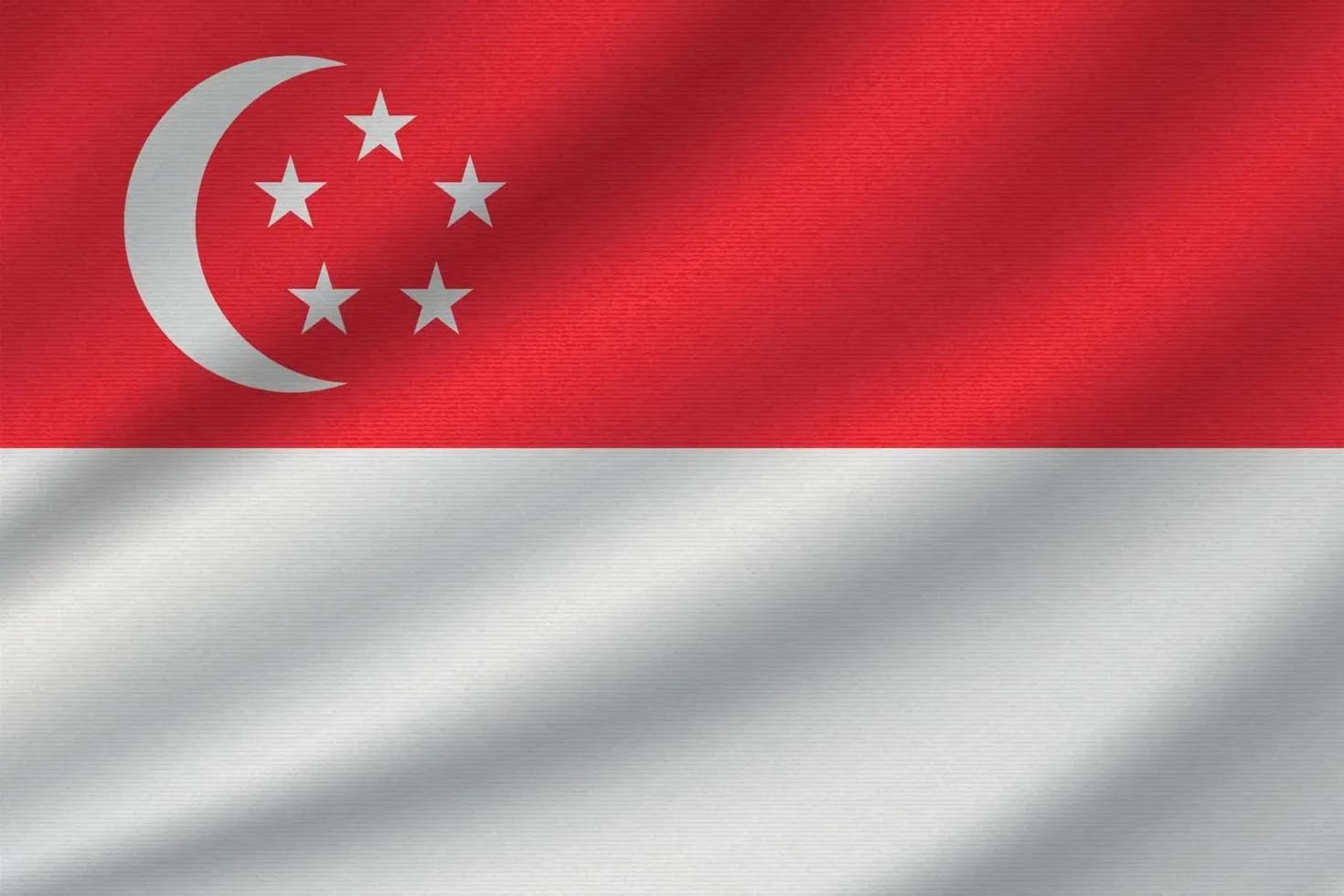 INDEX 06.11.2025, 07:43 Singapore Sovereignty Index (Burke Index), 2024-2025  Share on media IntroductionThis report provides a comprehensive analysis of Singapore's sovereignty using the methodology of the Burke Institute. Sovereignty is assessed in 7 areas: political, economic, technological, informational, cultural, cognitive and military. Each aspect is assessed on the basis of official data from international and national sources (UN, World Bank, UNESCO, IMF, ITU, FAO, SIPRI, PISA, etc.) without using politicized indexes. The maximum score in each direction is 100; the sum (up to 700) is the accumulated Sovereignty Index (Burke Index). To adapt and adjust statistical parameters, an international expert survey was conducted for each of the seven components using a single questionnaire of 10 questions with a 10-point scale and one open-ended question. In total, at least 100 experts from 50+ countries were interviewed for each indicator, taking into account geographical representation and specialization. When calculating and analyzing the data, equalizing coefficients were used, bringing all data to a scale of 0-10 points. The final index value is the arithmetic mean between statistical data and expert estimates. Below is an analysis of each area, a summary table and the main conclusions about the peculiarities of Singapore's sovereignty. Political sovereignty — 92Singapore has been a member of the United Nations since September 21, 1965. In addition, it is a member of ASEAN, the WTO, the Commonwealth of Nations, the Forum of Small States (FOSS), the Naman Movement (NAM), the World Intellectual Property Organization, and other international associations. The delegation of sovereignty is limited: Singapore actively participates in international structures, but retains a high level of internal autonomy and strictly controls the fulfillment of international obligations through its own legislation. Singapore's Constitution is silent on the relationship between international and national law. Singapore's practice states that international law has no direct effect: international treaties enter into force only after their incorporation into national legislation through parliamentary ratification. In the event of a conflict between international and national norms, domestic legislation and the Constitution shall prevail. Singapore has been characterized by stable domestic political stability since independence in 1965. Throughout the history of independence, power has been held by the People's Action Party (PAP), which retains an overwhelming majority in Parliament. In the 2025 elections, the PAP won again, winning 87 of the 97 seats. The opposition is represented to a limited extent, but electoral processes take place regularly. The level of political stability is rated as one of the highest in Asia. According to the World Bank (World Governance Indicators), the Government Effectiveness index for Singapore in 2023 was 2.32 (maximum on a scale of 2.5) with a global average of -0.04, reflecting the extremely high efficiency of public administration. In 2025, the country is still in the top 1% of global values (the 100th percentile in terms of management efficiency). According to UN ratings and national data, Singapore is among the top 3 countries in the world in terms of digital government. In 2025, the government's Smart Nation program and [GovTech Singapore] assessments confirm the country's leadership in digital services, open data, and online services. E-residence, e-taxes and digital bureaucracy are fully integrated and operate at a level close to 100% of the population. In 2025, Prime Minister Lawrence Wong led the PAP elections for the first time after the transition of power from Lee Hsien Loong in 2024. The election results (65.57% of the vote) indicate a high level of public trust and support for the policy of continuity and stability. At the same time, Singapore maintains a model of "controlled democracy" with restrictions on media and opposition activities. U.S. naval and aviation units have been deployed in Singapore, operating since 1990 as part of an agreement on access to the bases. The agreement was extended until 2035. There are no formal US "bases", but US forces are provided with logistical and infrastructural access (first of all, Sembawang base and Pai Lebar Air Base). There are no permanent contingents from other countries. Singapore is actively developing international judicial jurisdiction, but mainly in the form of arbitration and commercial proceedings, rather than participation in political or criminal international courts. In 2015, the Singapore International Commercial Court (SICC) was established, a neutral platform for international business disputes under the jurisdiction of Singapore law. Singapore has distanced itself from international criminal courts and European conventions. The management system is highly centralized. Singapore is a unitary state without autonomous regions. All executive and administrative power is concentrated in the Government headed by the Prime Minister. Local authorities have an administrative character, performing the functions of servicing territories, but without independent political powers. Singapore's special services (in particular, the Internal Security Department, ISD) are subordinate to the Ministry of the Interior and operate under the control of the Government and Parliament. There is no direct independent external oversight in the Western sense, but control is carried out through internal accountability mechanisms and judicial procedures. Society as a whole trusts the security apparatus, associating it with effectiveness in the fight against terrorism and corruption. Data completeness assessment: the main indicators are available from international sources, the coverage is 98%. Economic sovereignty — 87.3In 2024, Singapore's GDP per capita at purchasing power parity was 132,570-150,690 USD per inhabitant, equivalent to about 740% of the global average. The forecast for 2025 is about 137,000 USD PPP, which keeps Singapore among the three richest countries in the world in this indicator. As of January 2025, Singapore's gold and foreign exchange reserves amounted to USD 363.3 billion. In national units (SGD), reserves reached SGD 506.8 billion in September 2025. The reserves are equivalent to about 8.6 months of imports, which indicates an extremely high level of financial stability and monetary sovereignty. Singapore's public debt is formally 173.1% of GDP (2024), expected to reach 175% of GDP in 2025. However, the debt is used primarily for domestic investment and pension funds (CPFs), rather than to finance the deficit — the government maintains a budget surplus, and all debt is denominated in Singapore dollars. According to Singapore Food Statistics 2024 (SFA), the country is implementing a 70x30 policy — providing 30% of its needs with domestic production by 2030 while maintaining high diversification of import supplies. Food security is ensured through a multi-level model: 170 sources of imports, the development of aqua and farming, and strict food safety controls. Singapore imports most of the fuel (mainly LNG — liquid natural gas), but by 2035 it plans to achieve at least 30% of generation from solar energy and 60% from imported renewable capacities, according to the strategies of Ember and Singapore Green Plan. There is no complete energy autonomy, but there is a steady decline in dependence on fossil gas. Singapore has practically no natural resources of its own, except for building materials (sand, granite). Natural territories are limited: the total area of natural reserves is about 3,000 hectares (7,400 acres), including water and ecosystem protection zones. The main model is the import of raw materials and processing within the framework of a high-tech economy. Singapore has no natural lakes or groundwater, but a system of "Four National Taps" has been created: – rain catchments; – imports from Malaysia (under contracts until 2061); – NEWater — regenerated industrial and drinking water (~40% of consumption); – desalination of seawater (~10%). The system provides about 430 million gallons per day and makes the country almost self-sufficient. The main national operator is NETS (Network for Electronic Transfers Singapore) — a national debit and settlement network recognized as a government payment instrument by MAS. It serves more than 120,000 payment acceptance points and is integrated with the country's largest banks. For large-scale settlements, MEPS+ is an electronic platform of the central bank (MAS) for interbank and government payments. Domestic and interbank transactions are almost entirely conducted in Singapore dollars (SGD). The share of SGD in export-import calculations is estimated at about 20-25%, since a significant part of trade is denominated in US dollars, however, national companies actively use SGD in regional calculations through MAS and NETS systems. The issuing and regulatory center is the Monetary Authority of Singapore (MAS), which combines the functions of the central bank and the financial regulator. MAS issues the Singapore dollar, manages foreign exchange reserves, and implements a unique “exchange rate centered monetary policy” by adjusting the SGD rate instead of interest rates. The credit system is fully nationalized in terms of regulation and is stable with a surplus state budget. Data completeness assessment: the main macroeconomic indicators are available from official sources (World Bank, IMF), coverage is 92% Technological sovereignty — 94.8In 2023, total expenditures on research and development (Gross Domestic Expenditure on R&D) amounted to 1.82% of GDP, with a slight decrease expected to ~1.7% in 2025. The government supports financing at about 1% of GDP annually, equivalent to SGD 25 billion under the RIE2025 program. The main priorities are biomedicine, smart nation, digital economy and sustainability. Singapore's industrial policy is not focused on "strict import substitution", but on developing its own production competencies within the framework of the Design 2025 and Manufacturing 2030 strategies. The government encourages the localization of high technologies through grants from the Economic Development Board (EDB), especially in biotechnology, mechanical engineering and semiconductors. The goal is to reduce dependence on imports while maintaining global integration. The level of higher education enrollment (gross tertiary enrollment) in 2022 was 98.0%, which is almost the full inclusion of the age group. By 2025, the number of full-time students is about 21.3 thousand, with a steady increase in the number of STEM majors. The higher education system is among the top 10 in the world according to the QS university quality rating. As of January 2025 Internet penetration has reached 95.8% of the population (5.61 million users). The growth over the year was +2.4%, while only 4.2% of citizens remain offline. Access speed and digital infrastructure consistently occupy leading positions in Asia. Singapore has developed a unique ecosystem of national services: – Singpass — digital identification of citizens for all public services; – Corppass — identification of legal entities; – SGFinDex — a single financial platform; – APEX / GovTech Stack — data exchange infrastructure. Information sovereignty — 87.6Singapore is one of the world leaders in cybersecurity, ranking 99.86 out of 100 on the ITU Global Cybersecurity Index 2024, the same as the United States. The CSA (Cyber Security Agency of Singapore) coordinates the activities of national certs and implements a set of measures — mandatory notification of incidents, certification of cyber operators, programs to protect critical infrastructure and counter phishing. The country has a Cyber Security Act and PDPA, which ensure strict supervision and international compliance with ISO 27001 and SOC 2 standards. The Internet infrastructure is formed around SGIX (Singapore Internet Exchange) and a network of ten active traffic exchange nodes, including Equinix SGIX, AMS IX Singapore, DE CIX ASEAN. Network of high-performance data centers (Equinix, STT Tai Seng, Keppel DC and others) unites the country into a single distributed VLAN space with IPv4/IPv6 support at the backbone level. 5G and broadband coverage provides >95% of the population. The main media operators are Mediacorp (the state broadcaster) and the SPH Media Trust (SPH Media). Television and radio broadcasts are conducted in four languages – English, Mandarin, Malay and Tamil, which guarantees full linguistic coverage of the population. The key TV channels are Channel News Asia, Channel 8, Suria, and Vasantham. Singapore does not restrict multinational IT platforms, but has built a balanced legal regime for their regulation – mandatory registration, PDPA compliance, and local data hubs. Computer Misuse (Amendment) Law Act 2023 protects government services (including Singpass) and criminalizes the misuse of accounts. The IMDA and CSA regulators control digital platforms, ensuring transparency and accountability of Big Tech infrastructures. National companies Mediacorp and SPH Media produce over 70% of all content consumed domestically, including news, educational and entertainment formats. Local OTT platforms meWATCH, Singtel TV, and Starhub TV successfully compete with Netflix and Disney+ in the streaming market. Citizens' spending on digital subscriptions is about 1.1 billion USD in 2023, reflecting domestic demand for the national product. Singapore demonstrates the rapid development of IT developments: local companies Genic Solutions, Applify, SPSysNet, AIQ Pte Ltd produce corporate ERP systems, financial Software and applications for the public sector. The Startup SG state program and the Enterprise Singapore agency provide financing for startups, forming an ecosystem of national software and SaaS platforms. According to the IMDA Singapore Digital Economy Report 2025, the digital economy accounts for 18.6% of GDP, with more than 2/3 of these services being created by the private sector. The coverage of the population with digital public services exceeds 95%, the key portals are Singpass, LifeSG, MyCareersFuture, and HealthHub. The country retains the status of one of the most digitalized countries in the world (DQL 2025 index – 61 points). The National Government Commercial Cloud (GCC) platform integrates AWS, Azure, and Google Cloud infrastructures under the jurisdiction of Singapore law. By 2025, more than 3,800 government agencies have been transferred to GCC and GCC+. systems provided with 99.5% uptime and geofencing of data in Singapore. The GCC+ module with enhanced cryptographic protocols and the "data residency SG" mode has been deployed for confidential data. Mobile operators Singtel, StarHub and M1 are registered in Singapore and are controlled by national or government investment structures (Temasek Holdings and Keppel Group). By 2022, 100% 5G coverage has been achieved, the networks belong to domestic operators, and the infrastructure is certified by IMDA. This ensures de facto telecom sovereignty through open interaction with private equipment vendors. Personal data is regulated by the Personal Data Protection Act (PDPA), supplemented by the Computer Misuse Act 2023 and the Cybersecurity Act 2018. PDPA provides the principles of consent, minimization and purposes of processing, covering the use of AI systems and children's data. The law applies to both commercial and cross-border service providers.; control is assigned to the Personal Data Protection Commission (PDPC). Data completeness assessment: infrastructure indicators are available from ITU, CIRA, OECD and specialized sources, coverage is 96%. Cultural sovereignty — 83.8Singapore has 1 UNESCO site. – Singapore Botanic Gardens, listed as a World Heritage Site on July 4, 2015. It is the first tropical botanical garden recognized by UNESCO in Asia, and the third in the world after Kew and Padua Gardens. Singapore is widely recognized as a center of cultural diplomacy and a multi-ethnic cultural model. In 2025, according to international cultural surveys, the country is noted as an example of ethno-cultural synthesis and influence on global ideas about diversity and tolerance. Singapore actively promotes its traditions through festivals (SIFA, Singapore Art Week) and participation in international exhibitions and film markets. The main cultural award is the Cultural Medallion (since 1979); it is awarded to figures for their contributions to art, literature, theater and music. The award amount is SGD 80,000, awarded by The President of the country is supported by the National Council for the Arts (NAC). An additional award is the Young Artist Award for young creators. These awards are equivalent to the highest state distinctions in the field of culture. Singapore's cultural identity is a universal model of multi–ethnicity: Chinese 74%, Malays 13%, Indians 9%, others 3%. The state officially establishes four languages: English, Malay, Mandarin, Tamil. Local traditions – Pereranakan culture, festivals (Chun Tse, Hari Raya, Deepavali, Vesak), syncretic cooking and fenómeno Singlish, a hybrid national sociolect. Support for ethnic and cultural minorities is institutionalized through: – The Presidential Council for Minority Rights, a council that checks laws for discrimination ; – Group Representation Constituency System – guarantees representation in Parliament; – educational and language programs with the support of “mother tongue". The ethnic balance in the state is perceived as part of national security. According to Singapore Cultural Statistics 2023, there are There are 544 registered cultural and artistic organizations. Of these: 171 are in music, 92 in theater arts, 86 in visual arts, 47 in dance and 71 in literature. National Museums (National Gallery, Asian Civilizations Museum, Peranakan Museum) Millions of visitors come every year. The main venue is the Singapore International Festival of Arts (SIFA), organized by NAC. In 2025, the festival is dedicated to the 60th anniversary of independence and includes 15 national premieres and many international collaborations. Via SIFA and Art SG Singapore is a key hub for Asian cultural exports. From 2024, the Ministry of Culture, Community and Youth (MCCY) the program has started The Heritage Business Scheme, which assigns heritage brand status to companies over 30 years old. The first list includes 42 brands (Old Chang Kee, CYC, Muthu's Curry, Swee Choon and others), who are provided with brand and marketing support. This is part of the "heritage through business" policy. Kitchen Singapore is one of the most diverse in the world, combining Malay, Chinese, Indian and Pereranakan influences. There are more than 13,000 registered food outlets in the country, and in 2020 the UNESCO category "Hawker Culture" (street cooking) It is included in the list of intangible heritage of mankind. The government supports hawker centers and provides grants to young owners. According to the NAC Singapore Cultural Statistics 2023 report, about 3.6 million inhabitants of the country (about 65% of the population) participate in cultural events every year: they visit museums, theaters, concerts and national festivals. Online event attendance has also increased to over 70 since the pandemic. % This creates a high level of involvement in cultural life. Data completeness assessment: basic indicators are available in UNESCO and national statistics, coverage is 97%. Cognitive sovereignty — 89.2Human Development Index Singapore's figure in 2023 was 0.946, which corresponds to the category of "very high development" and is the highest in the Southeast Asia. According to the 2025 ranking, the country ranks 1st in ASEAN and 8th in the world. The average life expectancy is 83.4 years, and the expected duration of education is 16.6 years. According to the data World Bank, government spending on education in 2023 they amounted to 2.19 % of GDP. If we take a share of the total state budget expenditures, this is about 10.1%. Education is one of the main investments of the state, including higher and technical education. According to the results of PiAAC (OECD 2023), adult literacy Singapore is approaching 100 %. Citizens aged 16-34 show results above the OECD average in all categories – reading, mathematics, problem solving. In PISA 2022, Singapore ranked 1st in the world in all categories. : – Mathematics – 575 points; – Reading – 543 points; – Natural sciences – 561 points. Since 2009 The country is the only one in The Asian region, which has consistently maintained the highest level of results in all areas. According to estimates by UNESCO and the National universities, about 41-43% of graduates in Singapore students have majored in science, technology, engineering, or Mathematics (STEM). The main programs are implemented by NUS, NTU, SUTD and SMU, where STEM is a priority area of government funding. Singapore has about 20 campuses of foreign universities (including INSEAD, ESSEC, Yale NUS, Duke NUS) and 30+ accredited business and engineering partner programs. This makes the country a regional educational hub of Southeast Asia, where up to 12% of students are foreigners. Military sovereignty — 65.1Budget Ministries Defense Singapore's budget for 2025 is SGD 23.4 billion (≈ 17.4 billion USD), which is equivalent to about 3 % GDP is the level at which the government has been keeping military spending for several decades. On average, the country spends 2.8-3.2% of GDP annually on defense, which is the highest level in the world. Southeast Asia. According to official estimates and data World Bank and Global Military Index, in 2025 the size of the armed forces (asset) consists of ~51,000 people, the reserve is about 252,500 people, and the paramilitary structures are about 7,400. The country's population is approximately 6 million, which makes the proportion of military personnel one of the largest in the world per capita. Singapore's military is one of the most high-tech in Asia. In 2024-2025. purchased 8 new F 35A in addition to 12 F 35B, new HIMARS missiles, Invincible class (Type 218 SG) submarines, as well as the new 8x8 IFV Titan. The update covers all types of troops — aviation, navy, missile forces and ground systems. The share of national weapons averages 30% for the army and about 38% for the navy, the rest is imported. The main national manufacturer is ST Engineering, which develops Terrex armored vehicles, Hunter, air defense systems and combat modules. The country does not focus on autarky, but provides maintenance and modernization of all platforms within the country (MRO complexes at SAF and Changi Naval Base). Border control is carried out by the Immigration and Checkpoints Authority (ICA), subordinate to The Ministry of Internal Affairs. ICA provides an "Integrated Checkpoints Command" mode for all checkpoints (air, sea and land). The regime of entry is strictly regulated, including the right to refuse entry, inspection and arrest at the place of crossing. The SAF Reserve includes more than 250,000 reservist citizens who are required to complete annual training camps and trainings until the age of 40. This system is called National Service (NS) and it is the key to mobilization readiness. Reserve units are equipped to the same standard as regular troops. Singapore is not formally a member of military alliances, but participates in mechanisms such as the Five Power Defense Arrangements (UK, Australia, Malaysia, New Zealand) and it supports strategic agreements with the United States. The US military has access to a number of bases (Paya Lebar, Changi) according to the rotational principle without permanent placement. All decisions on the use of force are made by the government, which preserves its military autonomy. The country's military-industrial complex is estimated at USD 6.02 billion (2025) and it is growing by 14 % annually. The largest actors are ST Engineering, Singapore Technologies Aerospace, Temasek Defense Ventures. Niches are developing in cybersecurity, drones, sensors, and military electronics. Singapore does not have nuclear weapons, warheads, or programs to develop them. The country has signed all non-proliferation treaties (NPT, SEE NWFZ Treaty) and he is an active opponent of nuclear weapons in the region. The number of warheads is 0, and there is no absolute reserve. National satellite capabilities are managed by the Defense Science and Technology Agency (DSTA) and the TeLEOS Earth Observation Satellites program. Singapore has been operating satellite surveillance satellites since 2021, using them to monitor maritime and border areas. Intelligence structures include the SAF Military Intelligence Organization (MIO) and the cyber intelligence unit of the DSTA Cyber Defense Group, responsible for satellite analytics and signal collection (ELINT/SIGINT). There are no obvious military space launch capabilities There is no Singapore, but cooperation with the United States and Europe is constantly carrying out reconnaissance satellite data. All parameters are reflected in the annual reports of SIPRI, UNODA, the Ministry of Defense, the official portals of state-owned companies (Embraer, IMBEL) and industry databases of UN/NGO — 98% coverage Final Summary Table
The main conclusionsStrengths. Government efficiency and stability Singapore consistently ranks in the top 1% in terms of Government Effectiveness (WGI) and it remains one of the most stable political systems in the world. The government is highly concentrated, but it works effectively, maintaining a low level of corruption and high confidence in the leader. Economic and financial self-sufficiency The country has GDP per capita is more than 130 thousand USD (PPP) and reserves of about 360 billion USD are among the largest in Asia. National currency and payment system (NETS, MEPS+) We are fully sovereign, the external debt is low-risk, and all obligations are denominated in SGD. Digital and technological autonomy Singapore is a global center of the digital state and R&D: Spending on science (1.8% of GDP), 95% of Internet coverage, top 3 in the UN EGDI. National platforms (Singpass, SLS, MySkillsFuture) They provide complete internal data processing and a high level of cybersecurity. Strong defense system and reserve organization At 3 % The GDP for defense and the modern structure of the SAF, the country has 50 thousand. active and 250 thousand reserve military personnel, as well as a unique system of universal military duty. Dependence on imported weapons is offset by the development of ST Engineering and high-tech upgrades. Educational and scientific potential 100% literacy, 1st place in the world according to PISA 2022, 40% of STEM graduates, high investments in SkillsFuture (1.7 billion SGD). National universities are among the top 20 QS. The system reproduces footage through internal technology centers and NRF Research Infrastructure programs. Multilevel culture and identity A single UNESCO site (the Botanical Garden), full ethnic inclusion (four official languages), government support for small nations and creators. About 65% of residents participate in cultural projects every year, and the cuisine is included in the UNESCO Intangible Heritage List. Cybersecurity and information control ITU rating is 99.86 out of 100, one of the top 3 CERTS in the world. All government organizations are subordinate to the Cyber Security Agency, and the data is stored in national GCC+ cloud systems, with local storage regulations within Singapore. Legal and arbitration predictability Independent legal proceedings and the operation of the SICC (Commercial Court) They are turning the country into the world's leading center for international arbitration and a guarantor of investments. Weaknesses. Limited resource base, the lack of its own minerals, fuel and fresh water forces it to rely on high import dependence. Even with a high level of technological processing of raw materials, vulnerabilities in global crises are possible. Dependence on foreign markets and BigTech Export-import model (SGD 37 billion/month turnover of high-tech goods) and the widespread presence of multinational platforms means that the domestic economy is strongly connected to foreign markets. Limited military depth and vulnerability of the territory. An area of 720 km2 and a density of > 8,000 people/km2 make defense against protracted conflicts problematic. The aircraft are high-tech, but geographically they do not have the resources to maneuver or hide the industry. Lack of its own nuclear fuel cycle There is no nuclear power, no research nuclear reactors; all the energy is imported LNG. The lack of a core of defensive deterrence poses Singapore is dependent on US-British security guarantees. Demographic vulnerability Low birth rate (1.1 children per woman) and rapid aging, offset by migration, create long-term risks for the reserve and labor resources. High level of centralization and limited opposition Political stability is ensured by the PAP, but political competition and media pluralism are limited; institutional decisions may depend on the top management of the state. Overall assessment. Singapore's cumulative sovereignty Index is 599.8 out of 700 points (high — 85.7%), which places the country in the top 10 in the global top. Singapore is one of the most functionally sovereign small state systems in the world. It harmoniously combines global openness and internal control, high digital and military technologies with a small territory and limited resources. His model is successful economically, digitally, educationally, and institutionally, but remains structurally vulnerable in energy, resources, and deep military self-sufficiency. The country's main means against external threats is high-quality governance and flexible foreign policy, which allows it to maintain real autonomy without isolation. The sovereignty profile indicates that Singapore is a type of “high–tech sovereignty without resource autarky.” The country's independence is based on institutional purity, financial and economic strength and digital dominance, with structural limitations in resource and military depth. This is one of the unique models of planetary “administrative sovereignty”: when the quality of management replaces the amount of territory and resources. | ||||||||||||||||||