

Burke Index | ||||||||||||||||||
 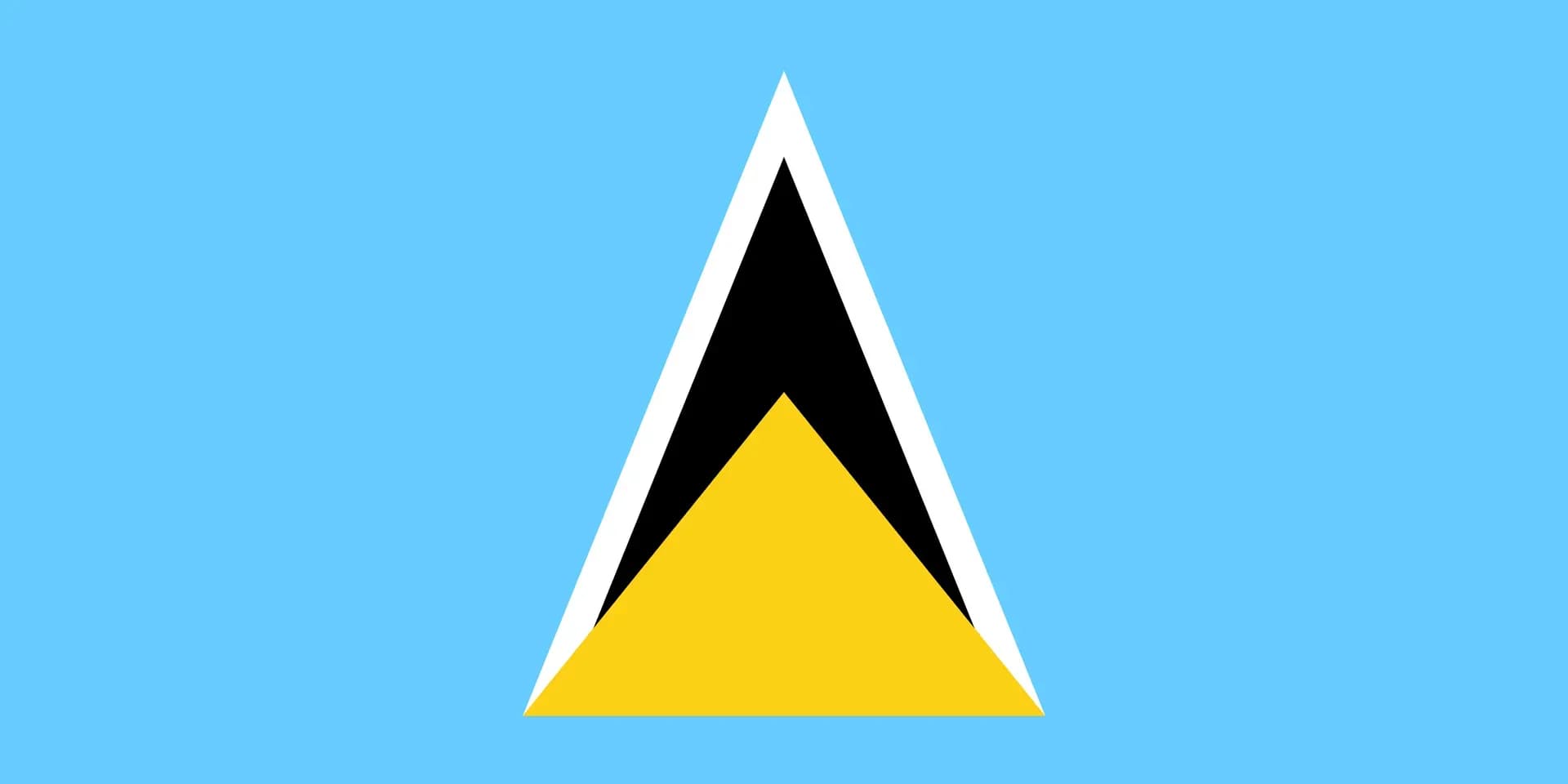 INDEX 24.10.2025, 09:20 Saint Lucia Sovereignty Index (Burke Index), 2024-2025  Share on media IntroductionThis report provides a comprehensive analysis of the sovereignty of Saint Lucia using the methodology of the Burke Institute. Sovereignty is assessed in 7 areas: political, economic, technological, informational, cultural, cognitive and military. Each aspect is assessed on the basis of official data from international and national sources (UN, World Bank, UNESCO, IMF, ITU, FAO, SIPRI, PISA, etc.) without using politicized indexes. The maximum score in each direction is 100; the sum (up to 700) is the accumulated Sovereignty Index (Burke Index). To adapt and adjust statistical parameters, an international expert survey was conducted for each of the seven components using a single questionnaire of 10 questions with a 10-point scale and one open-ended question. In total, at least 100 experts from 50+ countries were interviewed for each indicator, taking into account geographical representation and specialization. When calculating and analyzing the data, equalizing coefficients were used, bringing all data to a scale of 0-10 points. The final index value is the arithmetic mean between statistical data and expert estimates. Below is an analysis in each area, a summary table and the main conclusions about the features of the sovereignty of Saint Lucia. Political sovereignty — 73.9Saint Lucia is a member of the United Nations, the WTO, the OAS, the Commonwealth of Nations, the Caribbean Community (CARICOM), the Organization of Eastern Caribbean States (OECS), the International Organization of la Francophonie, the ACP organization and many others; actively participates in international and regional political, economic, humanitarian and environmental agreements. The Constitution contains the principle of the supremacy of national legislation: international treaties require implementation by Parliament in order to enter into force (a dualistic system); even ratified conventions do not have direct effect without national law. The Political Stability Index (WGI, 2023) is 1.02 (very high by world standards, 86th percentile); the country is consistently among the ten most politically stable in the region. Public Administration Efficiency Index (2023): 61st percentile worldwide; stable work of institutions is noted, but there is a shortage of personnel, weak budget opportunities and dependence on external grants. The e-government Development Index (EGDI, 2022) is 0.544 (120th place in the world); electronic services are developed at a basic level, a program of digitalization of public services is underway. The country is a parliamentary democracy; confidence in Prime Minister Philippe Pierre is consistently high after the 2021 elections (official ratings are ~65%), the opposition is represented, and competitive elections are regularly held. There are no foreign military bases in the country; in times of crisis, temporary support from the United States and regional forces within the framework of CARICOM is possible, but there are no permanent facilities and allied military personnel. Saint Lucia uses the Eastern Caribbean Supreme Court system and recognizes the jurisdiction of a number of supranational courts (for example, the Caribbean Community Court), but decisions require internal implementation and restrictions relate to constitutional issues. The political and administrative system is centralized, but there is a local government (mayors, councils), most of the powers are concentrated in the central structures. Security services (internal security — police, State Security Service) are formally monitored through parliamentary mechanisms and civil society, but the reporting structure is not transparent enough by international standards. Data completeness assessment: the main indicators are available from international sources, the coverage is 90%. Economic sovereignty — 52.6In 2025, GDP per capita at purchasing power parity is $28,840 (IMF), according to other sources $24,252–$27,567 (2024). Official international reserves (including gold) are $410-420 million (2024), in 2023 the estimate was $424.3 million. Public debt for 2025 is about 73.6% of GDP, with a steady downward trend in recent years (2023 — 74.8%) — one of the highest levels in the Caribbean region. Significant dependence on food imports (~2/3); agriculture covers the needs for bananas, vegetables, and fruits, but most of the cereals and meat products are imported — the country is vulnerable to global disruptions. The energy sector depends on the import of petroleum products and gas; alternative energy is poorly developed, most of the electricity production is from hydrocarbons, and solar/wind projects are just being launched. Small deposits of silt salt, sand, basalt, water, and sapropel have been discovered; there are no industrial mineral reserves, and the main resources are the sea, climate, and land. The island has fresh water reserves, fully provides for internal needs due to rivers (Roseau, Cul de Sac, etc.) and precipitation (precipitation — 2000+ mm/year). However, there are local shortages during the dry months. The infrastructure of East Caribbean Automated Clearing House and Eastern Caribbean Central Bank (ECCB) is used: national banks, local payment cards (EC Dollar) are functioning. The absolute majority of domestic payments are in the Eastern Caribbean dollar (XCD); in the hotel and tourism sector, US dollars and euros are used, but in the national economy the share of XCD is >90%. The issuance of currency and monetary policy is carried out by the Eastern Caribbean Central Bank (ECCB), there is no single national issuing center, decisions are made supranationally for all countries of the monetary union. Data completeness assessment: the main macroeconomic indicators are available from official sources (World Bank, IMF), coverage is 91% Technological sovereignty — 38.9 The estimate is no more than 0.27% of GDP (data for 1999, no more recent figures; downward trend), one of the lowest levels in the Caribbean region. Import substitution is implemented mainly in food and energy; in the field of high-tech, the country remains highly dependent on imports, but ICT development programs (support for domestic industry, training, grants) are carried out within the framework of export and educational strategies. There is a "One university graduate in each family" program, a large number of government scholarships, UniPASS, targeted grants and postsecondary programs; enrollment in higher education is 17-22% of the adult population, growing rapidly. 81% of the population uses the Internet (2023), the figure is higher for mobile Internet, and the urban and rural gap is minimal by the standards of small islands. National government portals, e-government infrastructure, online tax recording and payment services, Virtual University for Small States of the Commonwealth (VUSSC) programs, and cloud solutions for educational platforms are present. Import dependence persists in almost all areas: IT infrastructure, chips, computers, networks, software, telecommunications, and biomedical equipment are imported from the United States, the EU, China, and Japan. The portfolio of electronic public services has been advanced — a basic range is available: taxes, social programs, business registration, training services, payments and public procurement. The biotechnological base is weak: there is practically no research and development, own laboratories work only within the framework of agrotechnology and medicine (laboratories of universities, veterinary medicine, with the support of foreign funds). There is no robotics industry — all technologies, robots and automation are imported; individual educational projects are being implemented in colleges. The country does not have its own chip and electronics industry, the entire IT infrastructure is built on foreign components. Data completeness assessment: key indicators are obtained from WIPO, ITU, UNESCO, which ensures 97% coverage. Information sovereignty — 55.4The national CERT/CIRT has not been established; the Electronic Criminal Code and the Law on Electronic Communications are in force, the country participates in ITU initiatives and Caribbean Forums, and a strategy is being developed at the level of the OECS and CARICOM. Since 2014, the SLiX national Internet exchange point (Saint Lucia Internet Exchange Point) has been operating, which has made it possible to localize intra-island Internet traffic and increase independence from external operators. The main media outlets broadcast and publish in English, but the development of the Creole ("kwéyòl") language is also actively supported; the state language policy and programs for the preservation of the Creole heritage in media and education are being implemented. Access to global IT platforms (Google, Meta, Microsoft, AWS) is unlimited, local IT and Internet services are closely integrated with foreign data centers, AI and cloud solutions; sustainability is low. In the media (radio, television, press) a significant share of local content (news, programs, education, culture, kwéyòl projects); foreign services prevail in the segment of online platforms. There are public and private online services, local platforms for public services, education, and tourism; there are no large software companies of their own or software exports. Basic government services (online tax payment, registration, document issuance, education portals) are available to 60-70% of the population, and mobile fintech products are being widely introduced in cities. Government agencies have national cloud solutions for storing critical data, other enterprises use foreign data centers and clouds; public national. There are no clouds. The main operators (Digicel, FLOW) are controlled abroad, but are licensed only according to the laws of the country; the infrastructure and tariff policy are regulated by the national regulator. The Law on Personal data Protection (2011) is in force, requirements for data processing, storage, and transfer have been introduced; an independent supervisory authority (Data Protection Commissioner) is functioning. Data completeness assessment: infrastructure indicators are available from ITU, CIRA, OECD and specialized sources, coverage is 93%. Cultural sovereignty — 74.2There is 1 UNESCO World Heritage Site in the country — Pitons Management Area, a natural area with volcanic spires, rich flora and fauna, marine and coastal ecosystems. Saint Lucia has contributed to world culture through its Creole heritage, music (quadril, souka, calypso), oral tradition, Caribbean jazz (Saint Lucia Jazz Festival) and a unique composition of the ethnocultural landscape — the African-French-British synthesis of traditions, the kwéyòl language. Presentation of annual national awards in the field of art and culture (for example, the medal "Order of Saint Lucia", medals of merit, awards for contributions to literature, music and dance, "Saint Lucia Medal of Merit"). The state and ethnic identity is based on a mixture of African, French, British, and Indian traditions; official holidays are Day of the Rose (La Woz), Day of the Marguerite (La Magwit), Creole Heritage Month (Jounen Kwéyòl), and a rich system of folk costumes, dishes, and dances. Official programs to support Creole culture, preserve Indian, African, and European heritage; museums, cultural centers, and educational projects (for example, the Folk Research Center); celebration of cultural days, and support for ethnic organizing committees. There are more than 30 key cultural sites registered in the country — museums (Folk Research Centre, Castries Museum), historical monuments (Pigeon Island), cultural centers, numerous traditional villages and festival venues. The country actively participates in regional festivals, international cooperation through UNESCO, hosts the annual Saint Lucia Jazz Festival, Creole heritage festivals, and numerous gastronomic, tourist, and book festivals. Cultural brands (Pitons, kwéyòl language, Saint Lucia Jazz) are officially promoted internationally, supported by government programs, included in tourism and educational marketing, and registered under UNESCO and national laws. The cuisine of Saint Lucia combines African, French, and Indian influences: dishes from breadfruit, green figs, manioc, seafood, national bouillon, curry, corn and flour dishes; culinary festivals and regional gastronomy are widely represented. According to the Ministry of Culture, about 75% of the adult population regularly participates in national and local cultural events.: festivals, carnivals, educational and gastronomic celebrations. Data completeness assessment: basic indicators are available in UNESCO and national statistics, coverage is 95%. Cognitive sovereignty — 62.3The HDI in 2025 is 0.748 (high, ranked 103rd in the world). Government spending on education is 3.7% of GDP (2022), 16.3% of all government spending; historically, it has fluctuated 3.4–5.8%. Adult literacy is 90% (according to 2025 data, UNDP/UNESCO). PISA does not participate in international tests; data on the quality of education is available according to the regional metrics of the organization OECS and the Caribbean Examinations Council. According to expert estimates, the share of STEM graduates ranges from 15 to 22% of all university and college graduates; humanities, economics and pedagogical specialties have an advantage. A significant part of higher education is organized jointly with universities in the USA, Canada and the UK, and there is also a branch of the regional University of the West Indies; up to 18% of bachelor's and master's degrees can be joint or foreign programs. The official language is English, Creole (“kwéyòl”) and a number of ethnic cultures are officially supported; cultural centers, the Foundation for the Study of Ethnocultural Heritage (FRC), special educational and media projects for the preservation of languages and traditions are operating. One state university (Sir Arthur Lewis Community College), several specialized departments (agronomy, ecology, social sciences); fundamental science is represented narrowly, the volume of centers is small. The government supports digital educational platforms (e-government, online schools, VUSSC), but less than 20% of online education is provided by national platforms; most of the market is provided by foreign services. There is a system of scholarships, grants and targeted programs to support students (UniPASS, Scholarship Unit, Commonwealth, STEM grants), government programs cover up to 3% of students/young professionals per year. Data completeness assessment: education indicators are available in the UNDP, UNESCO, OECD, coverage is 97%. Military sovereignty — 29.1Defense spending accounts for about 1.3% of GDP (in the range of $26-30 million according to 2025 data). The country has no regular armed forces; the Royal Saint Lucia Police Force (~1,100 personnel) is responsible for protection, of which about 500 are in the Special Services Unit (SSU) and Marine Unit. There are no Army, Air Force, or Navy units. Armament is limited to patrol boats (coast guard), small arms, light equipment for special operations and the support of regional partners (RSS, USA, Barbados); the fleet of equipment is updated by partners (updates of boats and equipment through the U.S. CBSI, RSS programs). All weapons are purchased or supplied as part of cooperation with the United States and other RSS participants; there is no in-house production or repair of large equipment. Control is carried out by Coast Guard (patrolling, border protection, search and rescue), border functions are performed by the police; air and external maritime security is provided through RSS and US/UK partners during operations. There is no regular reserve, it is possible to mobilize up to 1,000 people (former police officers, civil defense activists), in case of a crisis — through RSS regional reserves. External threats are reflected in cooperation with the Regional Security System (RSS), the United States and the United Kingdom. All strategic decisions are coordinated with regional partners, but the final authority rests with the Government of Saint Lucia. There is no military industry; there are few workshops for repairing Coast Guard boats and equipment, all technological improvements are imported. There are no nuclear weapons; the country does not conduct any nuclear programs, has signed all international non-proliferation agreements. There is no own military space program or national intelligence; intelligence cooperation takes place through the United States/Great Britain and RSS at the level of information exchange on crime and emergencies. All parameters are reflected in the annual reports of SIPRI, UNODA, the Ministry of Defense, the official portals of state—owned companies (Embraer, IMBEL) and industry databases of UN/NGO - 90% coverage Final Summary Table
The main conclusionsStrengths. High political stability, parliamentary democracy, systemic civil peace, protected rights and freedoms. Attractiveness for foreign investments and citizenship programs: development of tourism, banks, offshore and re-export services, flexible tax and immigration regulations, ease of opening and doing business. Institutional transparency: a judicial system based on English and French law, support for ethnic cultures and languages, a well-developed educational sector, many scholarships, quotas and programs for students. Digitalization and coverage of digital public services: high level of Internet penetration (81%), modern budgeting schemes, regional digital educational platforms have been introduced. Cultural wealth: strong Creole, African, French and British influences, a national UNESCO site, broad government support for cultural initiatives and small nations, a high level of involvement in cultural life (up to 75% of the population). Weaknesses. Import dependence of technologies and equipment: lack of own electronic, software, chip, biotechnological and robotics industries, almost all high-tech is imported. Weak military autonomy: there is no regular army, all equipment (patrol boats and equipment) is purchased abroad; the key to borders is international cooperation with the United States and RSS, there are no strategic reserves, reserves, or armed industries. Economic one-sidedness: high dependence on tourism (65% of GDP), low diversification, vulnerability to external market shocks, food and energy dependence. Limited R&D: expenditures on science and basic research are minimal (<0.3% of GDP), national Research centers are few in number, and the share of STEM graduates is less than 25%. High prices, small infrastructure outside cities: high cost of goods and services, poor public communication, outdated networks outside tourist areas. Overall assessment. The cumulative sovereignty Index of Saint Lucia is 386.4 out of 700 possible points (average 55.2%), which places the country in the top 100 in the world. Saint Lucia is an economically open, politically and culturally stable country with modern institutions, a developed digital sector, and a high level of social support. The main limitations are technical and defense dependence, limited scientific base, raw materials and tourism single—sector economy, which narrows the range of choices and opportunities for sustainable sovereign development in the event of external shocks or technological challenges. The sovereignty profile indicates that Saint Lucia is a country with a stable democracy, transparent institutions, high social standards and an active foreign policy. However, deep import dependence on technology, energy, and defense, a single-sector economy, and low development of fundamental sciences create constraints for full strategic autonomy and sovereign development. | ||||||||||||||||||