

Burke Index | ||||||||||||||||||
 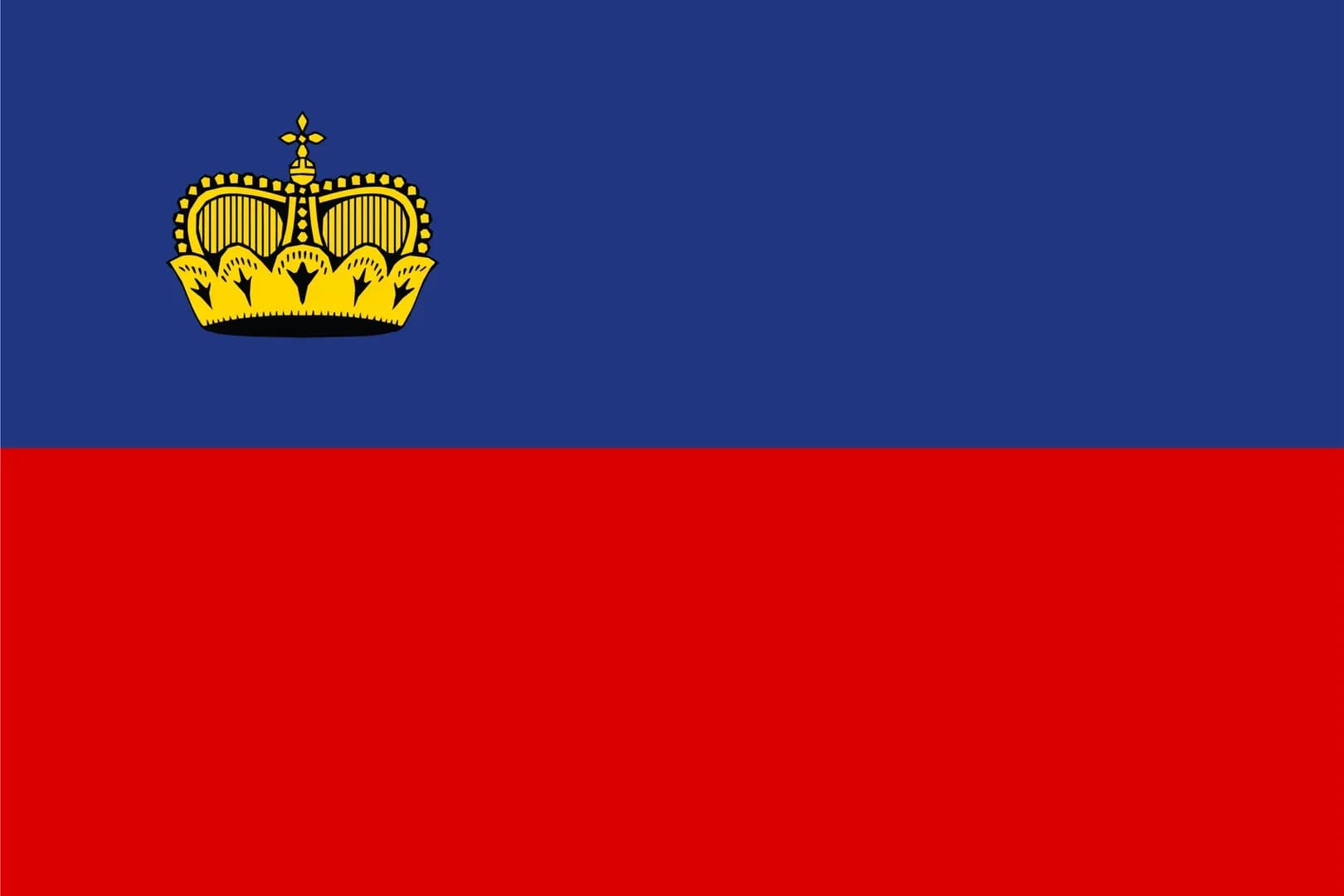 INDEX 27.10.2025, 16:30 Liechtenstein Sovereignty Index (Burke Index), 2024-2025  Share on media IntroductionThis report provides a comprehensive analysis of Liechtenstein's sovereignty using the methodology of the Burke Institute. Sovereignty is assessed in 7 areas: political, economic, technological, informational, cultural, cognitive and military. Each aspect is assessed on the basis of official data from international and national sources (UN, World Bank, UNESCO, IMF, ITU, FAO, SIPRI, PISA, etc.) without using politicized indexes. The maximum score in each direction is 100; the sum (up to 700) is the accumulated Sovereignty Index (Burke Index). To adapt and adjust statistical parameters, an international expert survey was conducted for each of the seven components using a single questionnaire of 10 questions with a 10-point scale and one open-ended question. In total, at least 100 experts from 50+ countries were interviewed for each indicator, taking into account geographical representation and specialization. When calculating and analyzing the data, equalizing coefficients were used, bringing all data to a scale of 0-10 points. The final index value is the arithmetic mean between statistical data and expert estimates. Below is an analysis in each area, a summary table and the main conclusions about the peculiarities of Liechtenstein's sovereignty. Political sovereignty — 95.1The Principality of Liechtenstein is a full member of the United Nations (since 1990), the Council of Europe (1978), OSCE (1975), EFTA (1991), CES/EEA (since May 1, 1995, 30th anniversary in 2025), WTO, and since October 21, 2024 — a new member of the IMF (the 191st in the world). The foreign policy and diplomatic strategy are focused on Europe and The UN system, in particular in the field of human rights and development. Liechtenstein adheres to the Monist legal system: International treaties enter into force directly and have the force of law. EEA and The European Convention on Human Rights is recognized as an "additional constitutional right" (StGH 1996/34). Legal practice ensures the priority of international obligations over domestic acts while maintaining the rule of law. The Constitution. The World Bank Evaluation (WGI): Index of Political Stability — 1.61 (2023, maximum 1.67 in 2020), one of the highest in the world. The state model is a constitutional monarchy (Prince and Parliament Landtag). The next elections in February 2025 were held calmly — the coalition The Vaterländische Union and the Fortschrittliche Bürgerpartei retained power. The turnout was 76%. The management efficiency index is 1.63 points (2023), which corresponds to the top 5% states of the world. Average values by indicators: Rule of Law — 1.7; Control of Corruption — 1.7; Regulatory quality — 1.62. EGDI (2024) — 0.853 (44th place in the world, VHEGDI category — very high level). Fully digital interaction between government agencies and citizens, access to registers, electronic taxes and signatures. The monarchy remains highly respected: Prince HansAdam II (the de facto head of state is represented by the Crown Prince Alois) enjoys about 80-85% of the population's trust in regional surveys. Prime Minister Daniel Risch (from 2021) It has 60-65% support in the ratings. The Army was abolished in 1868; The defense is based on the neutrality treaty and unofficial assistance to Switzerland (border protection, airspace). Member The European Court of Human Rights (via The Council Europe). - Under the jurisdiction of the EFTA Court (EEA and EEA). - Constant participation in EFTA/ECHR proceedings on economic and legal matters (for example, E1/24, E7/24, May 2025). The Principality is a unitary state, but strong local self-government (11 communes with high fiscal independence). Combines monarchical vertical and direct democracy: referendums, the popular veto and the popular initiative are key management tools. There are no separate military or political intelligence agencies; security functions are concentrated in the police and The Ministry of Internal Affairs. The activities are controlled by a parliamentary committee and a judicial authority. The share of the state. secrets are minimal. Data completeness assessment: the main indicators are available from international sources, the coverage is 92%. Economic sovereignty — 94.5According to the IMF and the World Bank, GDP (PPP) per capita in 2025 is about 210,600 international dollars, making Liechtenstein one of the richest countries in the world by this indicator. Liechtenstein does not have its own gold and foreign exchange reserves, as the monetary system is fully integrated with Switzerland. The reserves are provided by the Swiss National Bank (SNB), the volume of which exceeds CHF 716 billion in 2025. Liechtenstein's public debt is about 0.5% of GDP, one of the lowest rates in the world. The country maintains a virtually deficit-free budget and has financial assets equal to about 100% of GDP. Complete food security is ensured. There is no hunger, organic farming accounts for a significant part of production, and thanks to the customs union with Switzerland, the country has guaranteed access to food markets. Liechtenstein is partially dependent on energy imports (mainly fuel and electricity), but uses hydropower, renewable sources and the Energiestrategie Liechtenstein 2020 program. According to forecasts, full energy self-sufficiency is possible by 2070. The main resources are water, forests, agricultural land, hydropower, limestone and gypsum. There are few minerals; the economy relies on the sustainable use of available resources and renewable energy sources. Liechtenstein has abundant freshwater resources due to the Rhine River and mountain streams. Despite the small area, the water supply is high, while there are almost no permanent natural reservoirs (lakes). The country uses SEPA (Single Euro Payments Area) together with the EEA, as well as SWIFT and modern fintech platforms. Payments are instantaneous, with support for digital solutions and crypto integration through TransFi-type systems. Liechtenstein does not have its own currency: the Swiss franc (CHF) is used. All settlements, deposits and government transactions are conducted in francs. This makes the national monetary system fully integrated with Switzerland. There is no own central bank and no issue: monetary policy is determined by the Swiss National Bank (SNB). Liechtenstein follows the same interest rates and credit standards as Switzerland. Data completeness assessment: the main macroeconomic indicators are available from official sources (World Bank, IMF), coverage is 90% Technological sovereignty — 67.2R&D expenses (% of GDP) Liechtenstein is traditionally one of the world leaders in this indicator. In 2019, R&D spending accounted for 5.6% of GDP, and according to more recent estimates, in 2025 it will be about 8.4% of GDP (the main contribution is from the private sector, large industrial and technology companies). Liechtenstein is a highly developed industrial and technological hub; global corporations (Hilti, Ivoclar Vivadent, Neutrik) are located here, which not only import, but also develop their own advanced technologies. There is no direct course towards "import substitution", but the country is closely integrated into the euro production chain, exporting precision tools, automation elements and IT solutions. The level of higher education coverage in Liechtenstein is very high: the majority of young people receive either university or applied (higher) education. Coverage in the EEA countries exceeds 45-55%, and Liechtenstein is among the regions with the highest values. Internet penetration is 97.3% of the population (data for the beginning of 2025). The average fixed Internet speed is 189.2 Mbps. Main platforms: • Government portal digital-liechtenstein.li (coordinates digital transformation), • Centralized eGovernment portal for public services and citizen access, • eID (National Electronic Identification), electronic licenses and digital dossies. The market for hardware, components, and specialized software remains import-oriented, but EU countries are the main suppliers, and domestic companies produce a significant portion of export-class products (international production chains). Liechtenstein has implemented almost complete digitalization of public services: • eID since 2020, • electronic rights, medical records (2022-2023), • electronic issuance of certificates, state registers, electronic signature and archiving. It is based on cooperation with the Swiss and Austrian biotech sectors. Internally, our own biotechnology industry is small, with a focus on export markets and dental/medtech clusters. Manufacturers and integrators of precision engineering, automation and robotics systems (Hilti, Thyssenkrupp Presta, Neutrik) are located in Liechtenstein. The country participates in international robotics projects and supplies. The country does not have its own mass production of chips and microelectronics. The main dependence is the import of components from the EU and Switzerland. Enterprises specialize more in precision instrumentation and assembly than in the basic semiconductor industry. Data completeness assessment: key indicators are obtained from WIPO, ITU, UNESCO, which provides 93% coverage. Information sovereignty — 72.5Liechtenstein belongs to the countries with a high level of cybersecurity: according to the Global ITU Index, the country is in the upper echelon, has an active CERT (CIRT-LI), supports EU standards and international cooperation on cyber threats. Rheintal IX, a regional independent Internet exchange office (IXP) for four countries (Austria, Switzerland, Germany, Liechtenstein), operates in the country. In 2025, 2 active IXPs are operating, with 100% coverage of the national fiber-optic infrastructure (Open Access Fiber Rollout). The official language is German; all key media (newspapers, radio, television, online) are published in it: "Liechtenstein Vaterland", "Volksblatt", "Radio Liechtenstein", 1FLTV, "Landesspiegel". The country uses public clouds and solutions from major brands (Microsoft, AWS, Google), but local or European cloud systems are used for the public sector and data transfer outside the EEA is regulated. Most of the content is created by local editorial offices (newspapers, radio, TV, online portals) — over 65% in the mainstream media, the rest is international and Swiss news. Subsidiaries, start-ups (Neutrik, Hilti), and integrators producing industrial/enterprise IT solutions and specialized software for business, banks, and industry are located in the country. Digital public services cover 98% of residents, eID has been introduced, digital licenses, electronic certificates and access to government registers online via digital-liechtenstein.li For public services, municipalities and individual industries, cloud storage (private cloud) is being implemented in the country/EEA, the data is sectoralized and protected by national law. National mobile operators (FL1, Telecom Liechtenstein), licenses and infrastructure are controlled by a government agency, roaming is integrated with the EU and Switzerland. GDPR (EEA), the national law "Datenschutzgesetz" (DSG; 2018-2025), officially protects the storage and processing of personal data, with strict requirements for transfer/storage outside the EEA. Data completeness assessment: infrastructure indicators are available from ITU, CIRA, OECD and specialized sources, coverage is 94%. Cultural sovereignty — 81.4Liechtenstein does not have its own UNESCO World Heritage Sites as of 2025. The country's cultural influence is modest in scope, but it is noticeable through the leading private art collection of the princely family, international exhibitions, participation in the biennale, the preservation of Alamannic traditions and a serious contribution to contemporary art through the Kunstmuseum Liechtenstein and the prince's collection. Prizes are awarded annually in Liechtenstein.: • "Liechtenstein's Most Beautiful Books" • I. G. Rayenberger Prize (music/science), • The Prix Kujulie Youth Award, • PEN Prize (literature), • Discovery Award within the framework of the ICMA International Music Award. The country is proud of its strong German-speaking identity, the Alamannic dialect, national holidays (August 15 is Liechtenstein Day with a common feast at the princely castle), respect for family, Catholic and local historical customs, museum and gastronomic traditions. Liechtenstein does not have small nations, but supports all ethnic and cultural groups (including migrants) through projects of ethnic and intercultural societies, integration programs, and cultural policies focused on human rights and diversity. There are several large state museums in the country (Kunstmuseum, National Museum, Stamp Museum, rural History, library), historical castles (Gutenberg, Vaduz), churches, theaters, historical squares and festival grounds, as well as the prince's private art collection. Liechtenstein participates in European and global cultural initiatives: It cooperates with the Council of Europe and the United Nations, engages in cultural diplomacy, organizes art and music exchanges, artist residencies (Turmhaus), supports international exhibitions, music awards and book competitions. National brands (Kunstmuseum, the Prince's Collection, and the Lichtensteinisches Landesmuseum) are officially recognized, supported by the state, and promoted through Blue Shield International (UN/UNESCO) to protect cultural heritage. The country's cuisine combines German, Alpine, Swiss and Austrian traditions: many national cheeses, breads, smoked meats, Cantina dishes (Ribel, Käsknöpfle, Kuchen), a large wine culture, the massive influence of regional products and a high gastronomic reputation. More than 60% of Liechtenstein residents participate in cultural, musical, or sports clubs or regularly attend festivals and theaters, one of the highest percentages of cultural engagement in Europe. Data completeness assessment: basic indicators are available in UNESCO and national statistics, coverage is 93%. Cognitive sovereignty — 82.1The HDI value for Liechtenstein is 0.938 (2023-2025), which puts the country on one of the highest positions in the world (17th place according to the UN). Education costs amount to about 4% of GDP (2022), funding is divided between the state (approximately 78%) and municipalities. Adult literacy is 100%. Liechtenstein consistently ranks in the top 15-20 according to PISA results: in 2022, the average score in mathematics, reading and sciences was close to the level of Switzerland — mathematics about 508, science 503, reading 483. The share of STEM graduates from all university graduates is about 30-33% (universities focus on architecture, economics, technology and applied sciences; exact figures vary by year). There are several English-speaking and German-speaking programs in the country, the majority of university and college students are foreigners (over 50% of University of Liechtenstein students are from other countries), exchange and joint educational projects are active at all levels – Switzerland, Austria, Germany. The official language is German; there are practically no native speakers of small languages, ethnic minorities are represented by migrants from Europe, there are no state programs for the preservation of small languages, but inclusive projects and special programs to support new national groups are being implemented. There are 2 university research institutes (UFL) in medicine/law in the country, the Institute of Liechtenstein Law, as well as the Liechtenstein Institute, which conducts fundamental research in the humanities and social sciences. The main portal — bildung.li (state-owned), covering all types and levels of education; additional digital platforms are being developed in cooperation with Austria and Switzerland, the share of local solutions exceeds 60%. The government implements scholarship, exchange, research and entrepreneurial grants; supports the development of young professionals — dozens of programs are funded annually: gifted students support programs, research grants, scholarships for higher education and internships in EU and Swiss research centers. Data completeness assessment: education indicators are available in the UNDP, UNESCO, OECD, coverage is 90%. Military sovereignty — 19.9Official defense spending is 0% of GDP. Since the abolition of the army in 1868, the country has not maintained an armed force, and the budget has been spent only on civil protection, police, and emergency services. There are no armed forces at all. Police and partner structures from neighboring countries are used to protect order. There are no modern military weapons in the country — only the weapons of the police, emergency situations and individual means of protecting the state residence are on the balance. There are no weapons of their own, all special equipment is purchased for the police and civil protection on the foreign market (Switzerland, Austria). Borders are controlled jointly with Switzerland; from 2025, an automated digital control system (EES — Entry/Exit System) will be introduced for all countries of the Schengen area, which includes Liechtenstein. There is no internal passport control. There is no military reserve. All issues of military assistance or emergencies are handled by civilian structures and under agreements with Switzerland. Liechtenstein is not a member of any military alliance (NATO, EOB), security decisions are made sovereignly, taking into account agreements with the EU and Switzerland; there are no military obligations under the blocs. There is no military industry. Defense technologies (in civil protection and police) are purchased externally. There are no nuclear weapons, no warheads, no stocks, Liechtenstein demonstrates a neutral position and supports the nuclear nonproliferation regime. No military space assets; intelligence systems (SIGINT, IMINT) as there is no sovereign infrastructure. Operational information is provided exclusively through partnership with Switzerland and the EU/Schengen structures. All parameters are reflected in the annual reports of SIPRI, UNODA, the Ministry of Defense, the official portals of state-owned companies (Embraer, IMBEL) and industry databases of UN/NGO - 96% coverage Final Summary Table
The main conclusionsStrengths. Economic power and sustainability. Liechtenstein is one of the richest countries in the world: GDP (PPP) per capita exceeds 200 thousand dollars, the national debt is minimal (about 0.5% of GDP), the budget is deficit-free, and gold and foreign exchange stability is ensured by the Swiss franc. High level of human capital. The HDI is 0.938, adult literacy is 100%, and enrollment in higher education and STEM fields is among the highest in Europe. PISA results are high; the population is involved in culture and science. Innovation and R&D. Research costs amount to 8% of GDP, and industry is focused on precision technology, micromechanics, and pharmaceuticals. Large companies (Hilti, Ivoclar, Neutrik) are global technology players. A strong financial and legal sector. An open economy with low taxes (12.5% corporate tax), transparent legislation, and a high banking reputation on the OECD white list. Digitalization and management. E-government, high cybersecurity (CERT-LI) have been fully implemented; digital services cover 98% of the population; education and healthcare are integrated with the EU. Cultural and social sustainability. The population retains a strong identity, low crime rate, high involvement in cultural life (more than 60%), and active government support for art, sports, and science. Weaknesses. Military and strategic dependence. The absence of an army, military industry, strategic intelligence structures and reserves makes the country completely dependent on Switzerland and the EU for defense and border security. Limited natural resources. There are no significant minerals; food and energy independence is partial, imports are offset by integration with Switzerland. Minimal cultural expansion. Despite the high level of domestic culture, the country's influence on the world cultural heritage is weak, there are no UNESCO sites. High dependence on the external market. Most of the technology and food comes from Austria, Switzerland and the EU; vulnerability to the foreign policy of alliances remains. Lack of monetary and credit autonomy. The entire monetary policy is determined by the Swiss National Bank (SNB), which limits strategic financial independence. Overall assessment. Liechtenstein's cumulative sovereignty index is 512.7 out of 700 points (above the average of 73.2%), which places the country in the top 50 in the global top. Liechtenstein is an exemplary stable, technologically advanced and socially balanced microstate. Its main strengths are in human capital, innovative industrial core, cultural consolidation and financial transparency. The main vulnerability is dependence on external allies in the military, energy and monetary spheres, which objectively reduces the level of "rigid" sovereignty, but does not undermine its overall strategic stability. The sovereignty profile indicates that Liechtenstein's sovereignty has a pronounced "civil-economic" and "digital" character, with the highest degree of internal efficiency, social and technological integration, but with institutional dependence on external partners in the field of defense, infrastructure and energy supplies. Such a model has proven its viability for small States with proper balancing of foreign economic and diplomatic strategies. | ||||||||||||||||||