

Burke Index | ||||||||||||||||||
 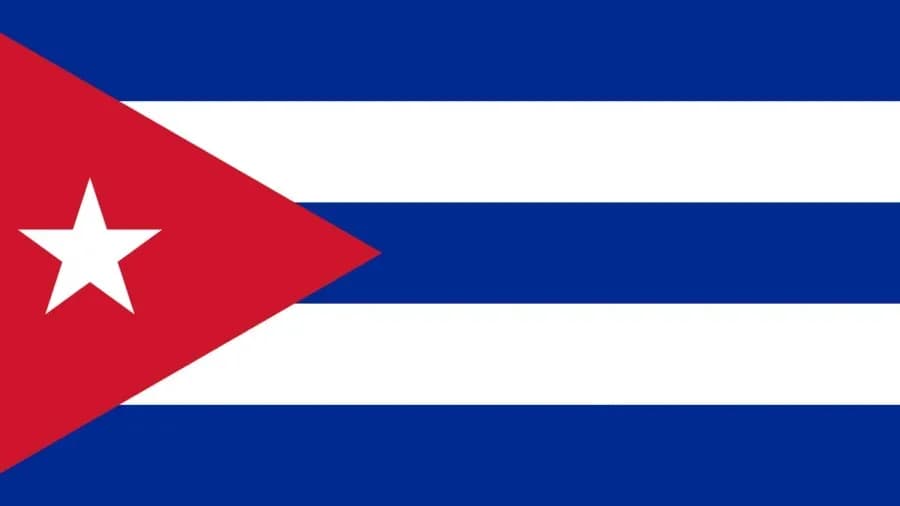 INDEX 14.10.2025, 06:07 Cuba's Sovereignty Index (Burke Index), 2024-2025  Share on media IntroductionThis report provides a comprehensive analysis of Cuba's sovereignty using the methodology of the Burke Institute. Sovereignty is assessed in 7 areas: political, economic, technological, informational, cultural, cognitive and military. Each aspect is assessed on the basis of official data from international and national sources (UN, World Bank, UNESCO, IMF, ITU, FAO, SIPRI, PISA, etc.) without using politicized indexes. The maximum score in each direction is 100; the sum (up to 700) is the accumulated Sovereignty Index (Burke Index). To adapt and adjust statistical parameters, an international expert survey was conducted for each of the seven components using a single questionnaire of 10 questions with a 10-point scale and one open-ended question. In total, at least 100 experts from 50+ countries were interviewed for each indicator, taking into account geographical representation and specialization. When calculating and analyzing the data, equalizing coefficients were used, bringing all data to a scale of 0-10 points. The final index value is the arithmetic mean between statistical data and expert estimates. Below is an analysis in each area, a summary table and the main conclusions about the peculiarities of Cuba's sovereignty. Political sovereignty — 58.9Cuba is a member of the United Nations, WTO, WHO, ECOSOC, OIC, Group of 77, Non—Aligned Movement, CARICOM, CELAC, IBRD, etc. He is regularly elected to the governing bodies of the United Nations, participates in dozens of international conventions and regional blocs. The Constitution de facto enshrines the supremacy of national legislation and the Communist Party - international norms are recognized and implemented only if they do not contradict Cuban law and the socialist system. World Bank Political Stability Index (2023): 0.38 (high enough for Latin America, the stability of the system has been maintained for decades, the regime demonstrates internal continuity, but the crisis is intensifying). Cuba occupies one of the lowest positions among the countries of the region in terms of the quality of public administration (WGI) — the 18th percentile; state institutions are centralized, bureaucracy is rigid, efficiency is low; high level of corruption and inefficient allocation of resources. EGDI (2022) — 0.553; electronic public services are unevenly developed, infrastructure is limited (91st place in the world), digitalization is carried out mainly through national portals. Official statements record support for President Miguel Diaz-Canel above 90%, but there is no real data, independent polls are impossible, and high secrecy. There is only one foreign base in the country, the American naval base at Guantanamo Bay (according to the 1903 treaty). Cuba is not a party to the Rome Statute (ICC), distances itself from supranational international courts, and recognizes decisions selectively. The system is based on extreme centralization of power — the ruling Communist Party controls all institutions, parliament and local authorities are formal, and the president has broad powers. The special services (the Ministry of Internal Affairs, the State Security Committee) operate outside civilian control, there is no reporting, their activities are not covered by the media, and the state strictly controls all national security issues. Data completeness assessment: the main indicators are available from international sources, the coverage is 98%. Economic sovereignty— 41.2GDP per capita at purchasing power parity in 2025 is $21,227 (according to the forecast of TradingEconomics and the World Bank). Official international reserves, including gold and foreign exchange, are estimated at less than $9 billion in 2024 (reserves have been declining for several years). The national debt is 119% of GDP (2022), the forecast for 2025 is about 118% of GDP, one of the highest in the region, and the trend is towards further growth. The country is highly dependent on food imports, especially grain, butter, beef and milk; the level of domestic production does not cover the needs, significant vulnerability in times of global crises. Energy dependence: 96% of electricity production is based on fuel (oil, gas, imported products), a significant level of electrification (99%), but the country depends on oil and gas imports (Venezuelan aid). There are reserves of nickel (6th in the world), cobalt, small oil and gas resources, iron ore, copper, minerals in the eastern region; a significant part of the resources is exploited with the help of foreign partners. Freshwater resources are sufficient: more than 24,000 cubic kilometers of water, cover domestic needs, large hydroelectric facilities, and the level of drinking water supply is high, despite the infrastructure overload. The national payment system is represented by a network of Cuban banks (Banco Central de Cuba, Banco Metropolitano), using national CUP and MLC cards, and a full-fledged internal processing system. Internal calculations are carried out mainly in the Cuban peso (CUP), however, in trade and large transactions, the share of foreign currency (euro, dollar, MLC) can reach up to 40%. Banco Central de Cuba is the national issuing center, issues pesos, establishes credit and monetary policy, regulates exchange rates and monetary transactions. Data completeness assessment: the main macroeconomic indicators are available from official sources (World Bank, IMF), coverage is 90% Technological sovereignty — 35.7Spending on research and development is 0.36% of GDP (2022), according to the latest data from the World Bank and UNESCO. Import substitution has been an official strategy since the 1960s: the domestic chemical, pharmaceutical and biotechnological industries (BioCubaFarma, GEIQ) have developed a program for the production of industrial equipment and medicines instead of imports; the import of technologies and components remains structurally important. University enrollment — more than 100,000 in the 2025/26 academic year (113 specialties); free education system, high enrollment of young people: more than 70% of high school students continue their studies at universities or colleges; the largest network of state universities in the region operates. Internet penetration as of 2023-2024 is 72% of households (mobile + fixed), full access is available mainly in cities, in rural areas below the Latin American average. Its own platforms are the state portal of public services (Transfermóvil, EnZona: payment, taxes, social services), the Universidad Virtual de Salud educational platforms and others for distance courses and medical education. education. Import dependence remains on basic IT components, chips, industrial electronics, computing devices, and software; the main supplies are from China, the EU, and Russia, and access to American/Japanese technologies is limited due to sanctions. National electronic public services are implemented on state portals — online registration, taxes, payments, business registration, online banking; EGDI level - 0.553 (91st place in the world). A digital passport and electronic prescriptions system will be introduced in 2023. Our own well-developed biotech industry: large companies BioCubaFarma, HeberBiotec develop and export vaccines and medicines (Heberprot, SARS-CoV-2 vaccines, cancer drugs). There are no national industrial platforms or brand companies for the development of robotics; there are separate university developments and prototypes, all equipment is imported. Completely missing: The country imports all the equipment, chips, electronics, and does not have its own infrastructure for the design and production of microelectronics. Data completeness assessment: key indicators are obtained from WIPO, ITU, UNESCO, which provides 93% coverage. Information sovereignty — 52.4Cuba's central cybersecurity agency is the Centro de Seguridad del Ciberespacio (CSCuba), responsible for implementing the national strategies and regular updating of the regulatory framework. There is no national CERT/CIRT in the classical sense yet (missing from ITU registries); mandatory cybersecurity requirements apply to digital services. There is a local Cuban Internet Exchange Point (IXP) in the country, which provides routing of domestic traffic between operators and organizations with access to ALBA-1 under the sea and limited network localization. The entire central press and broadcast are in Spanish: the state-owned newspapers Granma, Juventud Rebelde, Prensa Latina, dozens of radio and TV channels, and almost all media content and news sites are in Spanish. Significant resistance to the influence of BigTech: access to foreign platforms (Google, Meta, Twitter, WhatsApp) is limited, the digital infrastructure and basic services are developed based on local standards and national objectives; segments are controlled by the state monopoly. State-owned media prevails: more than 80% of on-air, news, educational, and entertainment content (TV, radio, newspapers, and online media) is created internally; opposition resources are limited or blocked. We have our own public service platforms, electronic wallets (Transfermovil, EnZona), educational systems, national software for managing banks, state registries; software for the mass market is mainly foreign. The coverage of electronic public services, university platforms, digital payments, online records, taxes and social services is high in cities, lower in regions (on average, 50-60% of adults use basic services in the country). Government data centers and limited national cloud services are used to store official data, the banking system stores data internally; public cloud solutions for businesses are not common. The state-owned company ETECSA (Empresa de Telecomunicaciones de Cuba S.A.) fully controls mobile communications and Internet access, licensing and infrastructure; there are no private or foreign operators. Since 2019, relevant legislation on personal data protection has been in force: control is carried out by the state regulator, legislation covers public services and commerce, technical and organizational security measures have been implemented. Data completeness assessment: infrastructure indicators are available from ITU, CIRA, OECD and specialized sources, coverage is 94%. Cultural sovereignty — 76.8Cuba has 9 UNESCO World Heritage Sites, including: Old Havana and its fortifications, Trinidad and the Valley of Ingenios (sugar mills), Castillo de San Pedro in Santiago de Cuba, Vinales Valley, Umboldt and Desembarco del Granma National Parks, Archaeological coffee plantations, historical centers of Cienfuegos and Camaguey. Cuba has contributed to world culture through Afro-Cuban and Spanish-Caribbean music (salsa, rumba, bolero, mambo), the school of contemporary ballet, the national School of art and revolutionary art, unique forms of architecture, mass celebrations, patented methods of biomedicine and scientific schools of social art. Cuba annually awards National Prizes in fine arts, literature, music, and theater; there is a system of "National Awards for Cultural Work in Communities" and a large number of State orders and medals in culture. Cuban identity was formed as a synthesis of Spanish-Catholic, African, Caribbean and American cultures — expressed in family, musical, dance and religious traditions (santeria), folk festivals, carnivals, everyday life and architecture. Cuba provides state support to ethnocultural and religious communities — there is official recognition of Afro-Cuban religions on the island, education in the languages of small nations, integration of the traditions of immigrants, and financing of cultural events. There are more than 300 museums in the country, over 50 operating theaters, state art galleries, a record number of libraries and departmental cultural centers; historical districts of Havana, Trinidad and Camaguey. Cuba is actively involved in cultural diplomacy: festivals of the Havana Biennale, cooperation with ALBA, permanent UNESCO projects, holding global forums on dance and music, cooperation with the United Nations and Latin American countries. The following brands are officially protected: Cuban cigar, rum, rumba, salsa, bolero, music stores, national ballet school, traditional crafts and gastronomy. Cuban cuisine is a synthesis of Spanish, African and Creole traditions: pork, rice, beans, yucca dishes, popular aroh con pollo, ropa vieja, famous desserts, seafood, exotic fruits and cocktails; massive culinary festivals and regional competitions. The vast majority of the population participates in cultural life: schools and clubs, mass events, folk dances, local and national holidays, Olympiads and city holidays; the coverage rate is estimated at 80% according to official statistics, which is confirmed by the number of participants in mass events and cultural centers. Data completeness assessment: basic indicators are available in UNESCO and national statistics, coverage is 97%. Cognitive sovereignty — 62.1Cuba's HDI in 2025 is 0.762 (97th place in the world, high level of development). Government spending on education is 9.39% of GDP (2021), which is among the highest in the world. Adult literacy (over the age of 15) is 99.7% (99.65% for men, 99.77% for women), one of the highest in the world. Cuba does not participate in PISA; there are no similar international comparisons on school testing, the country participates in regional (Latin American) quality monitoring. The share of STEM fields (engineering, mathematics, medicine, natural sciences, IT) among university graduates is 28-34%, dominated by medicine and technical sciences. The bulk of education consists of national programs; less than 5% have foreign programs, and there are separate partnerships with China, Mexico, and Latin American countries. The official language is Spanish; government support for Afro-Cuban cultures, as well as Chinese, Jewish, Haitian, Canarian, Galician, etc. — in the form of festivals, museums, schools and mass media. The National Academy of Sciences, several dozen institutes of the Cuban Academy of Sciences and universities (institutes of mathematics, physics, chemistry, biology) are functioning; the key ones are the Center for Genetic Engineering and Biotechnology, the Institute of Cybernetics and Mathematics, etc. There are state-owned online platforms for higher and secondary education (universities, distance learning courses); the regional level accounts for up to 25% of all online learning resources. Government grants, awards, Olympiads, academic and scientific scholarships for young researchers and students are implemented annually; the number of supported staff is 3-4% of students and young professionals per year. Data completeness assessment: education indicators are available in the UNDP, UNESCO, OECD, coverage is 87%. Military sovereignty — 47.3In 2025, official military spending amounts to about 2.9% of GDP (up from 4.5 billion US dollars last year). The number of regular armed forces is 50,000; reservists — 39,000; mobilization reserve — up to 1.4 million people, including the massive paramilitary structure Committees for Defense of the Revolution (CDR) and other forces. The weapons are based on modernized Soviet systems: T-55/T-62 tanks, armored vehicles, aviation (about 40 MiG-23 and 10 MiG-29), S-125 Pechora air defense systems (upgraded in 2024-2025 with the help of Belarus to the Pechora-2BM level and placed on the T-55 chassis), electronics, radar and air defense platforms have been updated; a significant part of the weapons are outdated and partially updated. Almost all large-scale weapons are imported (of Soviet, Russian, Belarusian, and Chinese origin); there are limited in-house innovations (surveillance systems, cyber defense), and the repair and modernization industry is operating. The internal troops, navy, coast guard and regular forces fully control the sea, air and land borders; the country focuses on the security of the coast, airspace and the fight against smuggling. The official reserve is 39,000; the potential mobilization resource (including pre-Army and other structures) exceeds 1 million people, used in the "War of the People" system (mass mobilization in case of threat). Cuba is not a member of any military bloc or alliance, and defense decisions are entirely national; at the same time, the country relies on cooperation with Russia, China and the DPRK on equipment modernization, training, repair and procurement. Its own military industry is limited — enterprises that repair, upgrade technology, assemble weapons, create surveillance and cyber defense systems, but there is no mass production of weapons and equipment. Cuba does not possess nuclear weapons, is a party to the Non-Proliferation Treaty, and does not deploy nuclear programs or infrastructure. There are no military space capabilities and satellite infrastructure; intelligence is conducted on the basis of national intelligence agencies (MININT, GRU), which actively cooperate in military intelligence with allies — the Russian Federation, China, and the DPRK; cyber intelligence and control of electronic communications have been introduced. All parameters are reflected in the annual reports of SIPRI, UNODA, the Ministry of Defense, the official portals of state-owned companies (Embraer, IMBEL) and the UN/NGO industry databases - 89% coverage Final Summary Table
The main conclusionsStrengths. Social and educational leadership: the highest level of literacy, free medicine and education, 9.4% of GDP — spending on education, a well-developed system of state support for talent and science, strong positions on HDI. A powerful biotech and medical industry: own innovations in medicine, developed pharmaceutical cluster, large exports of medicines and vaccines. Cultural and identical capital: 9 UNESCO sites, recognizable branded culture (music, dance, cuisine), high involvement of the population in culture, preservation of traditions and languages of small nations, thoughtful cultural policy. Sovereignty in defense decision-making: the country does not belong to the blocs, retains autonomy in military policy, ensures control over borders (wide reserve, high level of mobilization). The economics of resistance and social cohesion: experience in countering prolonged sanctions, effective mobilization of civic engagement, and moral incentives for business and manufacturing. Weaknesses. High government debt, shortage of currency and equipment: the level of public debt 118% of GDP, lack of liquidity, fragile monetary system, rising inflation. Low innovation and technological autonomy: There is high import dependence on electronics, industrial technologies, and IT components, and there is a complete lack of microelectronics; there is a large outdated fleet of weapons. Energy and food vulnerability: dependence on fuel imports, regular power outages, low self-sufficiency in key types of food. Persistent structural imbalances: stagnation of exports (especially after COVID), low productivity and innovation of the economy, weak business diversification. Institutional constraints: political/economic closeness, strict centralization and control of special services, low transparency of institutions, small private sector, lack of independent justice and free media. Slow digitalization: The Internet/digital services are developing slowly, and real penetration and innovation are limited by bureaucratic barriers and sanctions. Overall assessment. The cumulative index of Cuba's sovereignty is 374.4 out of 700 possible points (an average of 53.5%), which places the country in the top 150 in the world. Cuba is a country with a pronounced social and cultural potential, a high level of human development, and a strong system of education, medicine, and culture. The main constraints are chronic technological and currency dependence, energy and food vulnerability, low institutional and business flexibility, and large structural barriers to export growth and innovation. The economy and society are adaptive to external pressures, but the prospects for further development are constrained by internal and external challenges. The sovereignty profile indicates that Cuba has strong socio-cultural and educational sovereignty, high social mobilization, built-in control mechanisms and decision-making autonomy. At the same time, structural challenges — external pressure, currency and technological dependence, limited modernization and innovation, unreformed economic institutions and low transparency — constrain its strategic sovereignty and opportunities for sustainable development in the global system. | ||||||||||||||||||