

Burke Index | ||||||||||||||||||
 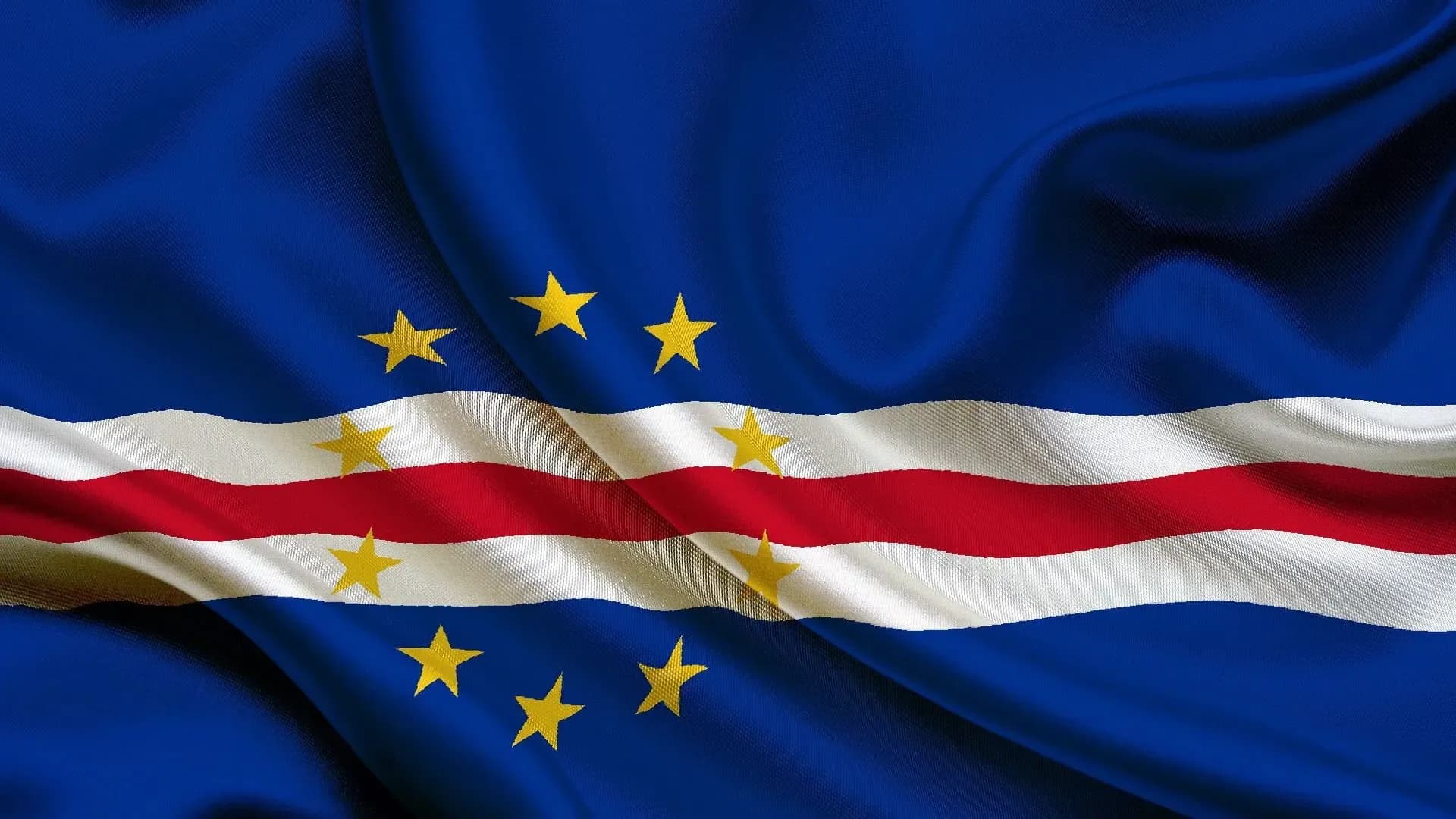 INDEX 20.10.2025, 08:43 Cape Verdean Sovereignty Index (Burke Index), 2024-2025  Share on media IntroductionThis report provides a comprehensive analysis of Cape Verdean sovereignty using the methodology of the Burke Institute. Sovereignty is assessed in 7 areas: political, economic, technological, informational, cultural, cognitive and military. Each aspect is assessed on the basis of official data from international and national sources (UN, World Bank, UNESCO, IMF, ITU, FAO, SIPRI, PISA, etc.) without using politicized indexes. The maximum score in each direction is 100; the sum (up to 700) is the accumulated Sovereignty Index (Burke Index). To adapt and adjust statistical parameters, an international expert survey was conducted for each of the seven components using a single questionnaire of 10 questions with a 10-point scale and one open-ended question. In total, at least 100 experts from 50+ countries were interviewed for each indicator, taking into account geographical representation and specialization. When calculating and analyzing the data, equalizing coefficients were used, bringing all data to a scale of 0-10 points. The final index value is the arithmetic mean between statistical data and expert estimates. Below is an analysis in each area, a summary table and the main conclusions about the peculiarities of Cape Verdean sovereignty Political sovereignty — 56.3Cape Verde is a member of the United Nations, the African Union, ECOWAS, the WTO, the IMF, the World Bank, the CPLP (Commonwealth of Portuguese-speaking Countries), the ZOPACAS (Atlantic Cooperation) organization, and also participates in strategic initiatives of the World Bank, the EU and a number of international agreements on fisheries, climate, IT and security. The Constitution of Cape Verde establishes the priority of national law, but integration with the EU, participation in the ECOWAS and CPLP, and active adherence to UN standards (SDGs, CEDAW, and the Paris Agreement) have led to the direct incorporation of international norms into lawmaking; decisions of the ECOWAS and UNESCO intergovernmental courts are being implemented, but the supreme legal force is the Constitutional Court. The country is one of the most stable democracies in Africa (the index of political stability in 2023 is 0.90, while the global average is minus 0.06); elections are competitive, the succession of power is regular, the main political struggle between PAICV and MpD, crises have long been absent. The public administration efficiency Index for 2023 is 0.01 (on a scale from -2.5 to +2.5) is higher than in most African countries and at the level of the global average; in the World Bank's global ranking, the country is in the top 67% of the world by this indicator (66.5th percentile). In 2022-2024, EGDI is 0.599 (101st out of 193), the national electronic portal of public services has been developed, electronic registries are being introduced, digitalization covers taxes, business registration, and local services. President Jose Maria Neves was elected in 2021; according to opinion polls by the end of 2024, confidence is 52-65% (above 60% in a number of cities). Prime Minister José Ulisses de Pina Correia e Silva (re-elected in 2021) also maintains a high level of support — 45-55%. The trust rating is stable and the turnout in the elections is traditionally high. There are no foreign military bases or permanent foreign military contingents in the country; joint naval exercises with Portugal, the EU, the USA, and China are periodically held, and cooperation is limited to exercises and information exchange on combating piracy and maritime terrorism. Cape Verde recognizes and participates in the work of the International Tribunal for the Law of the Sea, the ICC, and the ECOWAS Court of Justice; a number of cases are considered on African and Portuguese-speaking platforms, priority is given to national authorities, but decisions of international courts are recognized and implemented. Officially, the republic is decentralized — 22 municipalities with elected municipal councils, 9 island administrations with local self-government (the share of local expenditures is 18-21%), but major strategic and budgetary decisions are made at the central government level. Parliamentary control and reporting are formally developed, the internal and external security services are regulated by a separate law (2023), reports on operations are available on the Interior Ministry's website; civilian oversight is strong, there have been no high-profile scandals and accusations of political repression in recent years; private investigations and journalistic publications are allowed. Data completeness assessment: the main indicators are available from international sources, coverage is 94%. Economic sovereignty — 42.6In 2024, GDP per capita by PPP is $9,900 — 11,260 (according to various sources: World Bank, TradingEconomics, Statista), which is 45-56% of the global average, putting Cape Verde in the top third of African countries. In June 2024, reserves amounted to approximately $0.78 billion (783 million USD, World Bank), which covers more than 5 months of imports; reserves have been stable over the past two years. Government debt stands at 109-115% of GDP at the end of 2024, a decline for the second year in a row, but still the highest in West Africa; Fitch forecasts a drop to 98% in 2026-2027. Over 75% of food is imported; local production covers only part of the needs for vegetables, fruits, fish; the country depends on imports of grain and strategic goods. About 25% of electricity is provided by renewable sources (wind, solar plants), fuel and lubricants imports remain critical (more than 70% of energy consumption), the country is poorly dependent on grid energy imports, but is not fully secured. Natural resources are extremely limited: there are small reserves of salt, building materials, basalt, fish and seafood; there are no significant reserves of minerals or metallurgical raw materials, there is an economic fishing zone and marine tourism. The provision of fresh water is a problem; the country is heavily dependent on desalination of seawater, rainwater harvesting and the import of drinking water; there is a chronic shortage on some islands; about 85% of the population is provided with stable water supply. Regulated by the Bank of Cape Verde (Banco de Cabo Verde), the widespread use of electronic payment platforms, banking and mobile applications; the infrastructure includes its own processing solutions and interbank codes. Almost all domestic operations are in Cape Verde Escudo (CVE); the tourism market uses the euro partially, while foreign trade uses the euro and the dollar. The share of the national currency in the calculations exceeds 80% within the country, the CVE is pegged to the euro. The Bank of Cape Verde is a full issuing center. It determines the issue of CVE, credit policy, key rate, and reserve requirements. The monetary policy is focused on maintaining the CVE exchange rate against the euro through reserves and monetary control. Data completeness assessment: the main macroeconomic indicators are available from official sources (World Bank, IMF), coverage is 90% Technological sovereignty — 23.1There are no statistics for 2023-2024 (data from WIPO, World Bank), over the past few years, R&D expenditures have been recorded as “practically zero” — less than 0.01% of GDP (the most relevant international and national surveys). Cape Verde does not have its own production of electronics, sophisticated software, IT equipment or technological solutions; almost all mobile and computing devices, basic equipment and software are imported. In 2018-2024, the coverage of tertiary education remains at the level of 20-21% — one of the best indicators in West Africa, but about 2 times lower than the global average; a significant part of students has internships or online courses abroad. At the beginning of 2024, Internet penetration was 72.1% (433.7 thousand users); mobile penetration was 101.3% (more than one SIM card per person). The median fixed Internet speed is 16.4 Mbps. The national portal of public services (GovCV Portal) is operating, digital services are available for taxes, education, business and healthcare, online payments and e-government have been introduced, but the technical base is more often based on foreign solutions. Import dependence on electronics and IT products is almost absolute: all equipment, software, servers, and communication solutions are purchased abroad (EU, China, USA, South Africa), and there is no internal platform or production base. EGDI — 0.599 (101st place, 2022), e-government operates on the national portal, almost all key administrative services have been transferred online; penetration rate among users is more than 70% of the population. There are no biotech production facilities or research centers, the main medical and laboratory supplies, medicines and technologies are completely import-dependent, and major projects are being implemented with the EU, Brazil, and WHO. It is completely absent: there are no educational programs, in-house production, startups or national robotics laboratories; the issue is relevant only within the framework of school STEM courses. All microelectronics, chips, boards, processors, telecom components and the element base are completely imported; there is no national production or industrial repair/assembly. Data completeness assessment: key indicators are obtained from WIPO, ITU, UNESCO, which provides 91% coverage. Information sovereignty — 37.2In 2024, Cape Verde occupies Tier 3 ("Developing capacity") according to the ITU Global Cybersecurity Index; the national CERT has been operating since 2022 (CERT.CV), there is a state cyber strategy, the national information security agency, and several major cyber studies with the EU and ECOWAS countries. The country has an Internet Exchange Point (Cabo Verde IXP on the island of Santiago), which localizes the exchange of traffic between major providers, the project was funded through AU-AXIS and ECOWAS, the infrastructure is expanding, and traffic through IXP has been steadily growing since 2017. The official language is Portuguese (the language of administration, media, and education). The entire radio and television system, as well as the vast majority of newspapers, also operate in Creole languages (Kriolu/Creole; Kriolu) — more than 95% of the population speaks at least one of its dialects, most media use bilingualism/diglossia: RTP Africa, Radio Nacional, Expresso das Ilhas. Virtually all cloud services, platforms, servers, communications (Microsoft, AWS, Google, Meta, WhatsApp), mobile applications are foreign, there is almost no national ecosystem of cloud services; national alternatives are difficult to implement. On radio and television, up to 55% of programs are created by local authors (news, music, talk shows, series), on digital platforms and streaming services, the share of Creole and Portuguese-language local content is about 25%; a significant part of the series and films are purchased from RTP/Globo. Digital public services are functioning, basic web services, individual startups (fintech, govtech, e-education), there are no export solutions and systems (at the SaaS/Cloud level); in GII, the country is fixed in the "Small Tech Innovators" Tier. Internet access is stable (72.1%), mobile banking is used by over 50% of the population, the public services portal covers the entire adult urban population, and active identification via an electronic ID. There are local data centers for government data (CABO VERDE DATACENTER, UniCV), however, most cloud platforms, mail servers, and SaaS solutions are hosted on external servers in the EU or the USA; the national cloud is under development. CVMovel, Unitel T+, and Cabo Verde Telecom operators are national companies licensed by the government; network equipment is almost entirely imported (Ericsson, Huawei, Nokia), and the main platforms are developed and supported abroad. In 2022, a comprehensive Data Protection Law (Lei de Protecção de Dados Pessoais) was adopted, regulated by the National Commission; the regulation is based on EU standards (GDPR), there is a mechanism for mandatory notifications, transparency of information use and the right to be forgotten. Data completeness assessment: infrastructure indicators are available from ITU, CIRA, OECD and specialized sources, coverage is 92%. Cultural sovereignty — 67.9Cape Verde has one site on the UNESCO World Heritage List — Cidade Velha, the historical center of Ribeira Grande (site No. 1310, year of entry - 2009); as well as 8 sites on the Tentative list under consideration by UNESCO. Cape Verde is a cultural bridge between Africa, Europe and America, its contributions include music (murna — since 2019 UNESCO Intangible Heritage, funaga, batuk, coladera), Creole language, unique literature, diaspora, contribution to the global music industry (Cesaria Evora) and Creole folklore identity. National music and cultural awards — Cabo Verde Music Awards (annually since 2011), state and independent awards for achievements in art, literature, cinema, theater; individual awards for contributions to the preservation of cultural heritage, municipal and diaspora awards. Creole identity (criolu), a mixture of African, European and Latin (Portuguese, Brazilian, Senegalese) roots, mass oral literature (Nho Lobo), family and religious ceremonies, rich music, dances (batuk, funaga, morna), national costumes, rituals, holiday traditions as Séman culturál. All ethnic groups, including immigrants from Senegal and Guinea, participate in state projects to preserve languages (local dialects of Creole), support cultural communities, national days of Creole culture and state festivals, and the state finances radio programs in dialects. More than 40 officially recognized cultural sites and monuments (Cidade Velha, forts, churches of the XVI–XVIII centuries, museums, memorial complexes), a well-developed network of municipal cultural houses and galleries, the national theater, planetarium, museums on all major islands. Cape Verde is an active participant in the festivals of the International Year of Creole Culture, CPLP municipal days, Portuguese-speaking cultural forums, touring and museum projects with France, Brazil, Portugal, and the EU; in 2025, the country is the "guest of honor" of MED Fest in the EU. The Morna is recognized by UNESCO as an intangible heritage, national crafts (woven straw, masks, traditional musical instruments) and Creole costume are registered as brands at the national level, and legal protection of national art objects (WIPO, UBPI) is in effect. Cape Verdean cuisine uses fish, seafood, corn, beans, potatoes, bananas, mangoes. The specialty is kachupa (goulash made from corn and legumes), risu with fish, stew with chicken, tamarind desserts, “bruxelles,” puddings, dishes have Afro-Portuguese and Latin American shades. At least 70% of residents, according to national surveys and UNESCO, regularly participate in cultural events.: festivals, municipal days, street theaters, musical and kitchen celebrations; involvement in mass and family traditions is very high and is an element of national identity. Data completeness assessment: basic indicators are available in UNESCO and national statistics, coverage is 93%. Cognitive sovereignty — 44.5Cabo Verde, HDI for 2023 — 0.668 (135th out of 193 countries, category — “average level of development”). In 2023, spending on education will amount to 4.3—4.7% of GDP (according to the World Bank and UNESCO). According to the World Bank and Statistics for 2022-2024 —84,9–87,6 % (men — ~94%, women — 87.6%), among young people — above 96%. Cape Verde does not participate in PISA and similar international educational tests; internal monitoring indicates averages for the regions of Africa, but there is no reliable comparable data. According to national data and UNESCO, the share of STEM graduates is 21-24% (above the West African average), with an emphasis on IT, engineering and natural sciences. In the master's and bachelor's degrees, 10-13% of students participate in international exchanges, agreements with Portugal, Brazil, Spain, the EU, the African Union, and the CPLP; French- and Portuguese-language online programs are widespread. The entire education and cultural system are bilingual: Portuguese (official) and Creole (basic household routine); full support for projects to preserve and develop variations of Creole, funding programs for migrants and the diaspora, and the active participation of all island communities. 2 large state-owned (including the National Institute of Engineering and Technology, ISCEE/UniCV) and 3+ inter-island laboratories (marine/environmental), many joint programs with Portugal and the EU. National platforms (UniCV distance education portal, EduCV, e-learning platforms in schools) cover at least 38% of students and students, the rest use international edtech. 1,800-2,500 fellows are supported per year, there is a government grant program, STEM Olympiads, CPLP/EU grants, scholarships for internships in the EU/Portugal, multi-level support for gifted and young scientists. Data completeness assessment: education indicators are available in the UNDP, UNESCO, OECD, coverage is 88%. Military sovereignty — 22.9In 2024, military spending amounted to $16.8 million, which corresponds to ~0.53% of GDP (the highest level in history, previously the values were 0.40–0.52%). In 2024, 1,200-1,500 people (National Guard, Coast Guard, partly police) serve in the Armed Forces, the mobilization reserve is about 600-800 people; share The Armed Forces have light armored vehicles (10+ armored vehicles), several artillery units, and there are no tanks, missile systems, or combat aircraft. The Air Force uses only small transport/training aircraft and helicopters. Navy: 4 patrol ships (Portugal, Spain), armed with machine guns and small guns; the main focus is the protection of the water area and ensuring maritime security. There is no military-industrial complex; the armed forces are completely dependent on supplies from the EU, the USA, South Africa, and China. According to UNROCA, small arms, armored vehicles, patrol vessels and communication systems have been purchased in the last 5 years, and local assembly is sporadic (only basic refinement). The border is maritime only, the length of the coast is 965 km; control of borders and EEZ zones is carried out jointly by the Coast Guard, Navy and border police, the sector is effectively patrolled with the support of partners from the EU, USA and Portugal. There is a reservist system, retraining is carried out irregularly, the mobilization resource is ~ 600-800 people (officially 2,000 — including possible conscription in case of threat); a formal reserve is maintained, but not compulsory. The country is not part of military-political blocs, decisions are made at the national level, according to the constitution. They actively cooperate with Portugal, the EU, NATO, and the United States on training, maritime, and anti-terrorist programs, and regularly conduct joint exercises. There is no military industrial complex. All ammunition, weapons, and equipment are purchased abroad, and maintenance and repair are carried out under foreign contracts/partnership programs with the EU, Portugal, and South African firms. There are no nuclear weapons, the country is a signatory to the NPT, and it is completely nuclear-free. There are no stocks of warheads, missiles, or nuclear materials. There are no space, satellite, or cyber intelligence systems; intelligence activities are limited to internal units of the Armed Forces and cooperation with France and the EU on the exchange of satellite imagery and marine radar. All parameters are reflected in the annual reports of SIPRI, UNODA, the Ministry of Defense, the official portals of state-owned companies (Embraer, IMBEL) and UN/NGO industry databases – 85% coverage Final Summary Table
The main conclusionsStrengths. Political stability and governance: The country is one of the three most stable and secure democracies in Africa; the transfer of power is regular, effective parliamentary control, there are no major political crises and internal conflicts, a high level of trust in institutions and heads of state. Average and above average African standard of living — GDP per capita at PPS $9,900–11,200: Gold and foreign exchange reserves are stable ($780+ million), macroeconomics is dynamic: GDP growth rates are 3-6% in 2023-2025. Moderate inflation and international support make it possible to maintain financial stability even with a debt burden (public debt is 110% of GDP). Advanced digitalization: 72% Internet penetration, electronic government (EGDI 0.599, 101st place in the world), developed digital public services, its own portal and payment infrastructure; mobile banking and online services are developing faster than in neighboring countries. Educational and cultural achievements: Adult literacy — 85-88%, youth literacy — up to 96%, high enrollment in higher education (20-21%), 21-24% of STEM graduates, national educational platforms, talent support program, developed multi-level system of cultural awards, high involvement in traditions and holidays. Cultural diversity and the status of the Portuguese-speaking "bridge": Strong Creole identity, Morna music (UNESCO Intangible Heritage Site), unique cuisine, integration into the CPLP, cultural diplomacy through the European Union, active international festivals and tourism Weaknesses. Import dependence: 75% of food, almost all industrial and technological products, medicines and energy resources are imported; the country is vulnerable to external price shocks and logistical disruptions. Limited resource, technological and industrial base: Natural resources (except fish, salt and basalt) are almost non-existent, there is no own military-industrial complex, microelectronics, biotechnologies, robotics, complex industry; R&D is less than 0.01% of GDP, all high-tech is imported. Shortage of fresh water and energy dependence: Desalination, rain collection and import are the main sources of fresh water; 70% of energy consumption is covered by importing fuels and lubricants, there is not enough capacity from local sources in case of extreme situations. The limited military and intelligence potential: the armed forces are ~ 1,300–1,500 people, the weapons are outdated, all equipment is imported, there is no own intelligence and space; effective control of maritime borders requires foreign participation. Small domestic market: Population ~550 thousand, limited domestic demand and investment attractiveness outside of tourism and services; strong dependence on remittances and the influx of tourists. Overall assessment. The cumulative sovereignty index of Cape Verde is 294.5 out of 700 points (average – 42.1%), which places the country in the top 155th place in the world top. Cape Verde is one of the most institutionally stable, socially active, educational and cultural democracies in Africa, with an emphasis on electronic public services, high involvement in traditions and integration into international communities. The main vulnerabilities are critical dependence on food and fuel imports, limited resources, small population, weak military-industrial complex and R&D, lack of technological autonomy. The country's sovereignty is firmly based on political and legal stability, sound governance, a foreign economic strategy, feasible digitalization and a powerful Creole identity, but absolute economic and technological independence is still unattainable. The sovereignty profile indicates that Cape Verde’s sovereignty is based on mature political institutions, an efficient monetary and banking system, high social integration, cultural strength, and active international cooperation, but is limited by its critical dependence on imported food, resources, and technology, small army and market size, lack of an industrial and technological core, and sensitivity to climatic conditions. and economic shocks. | ||||||||||||||||||