

INDEX
+
-
Latest
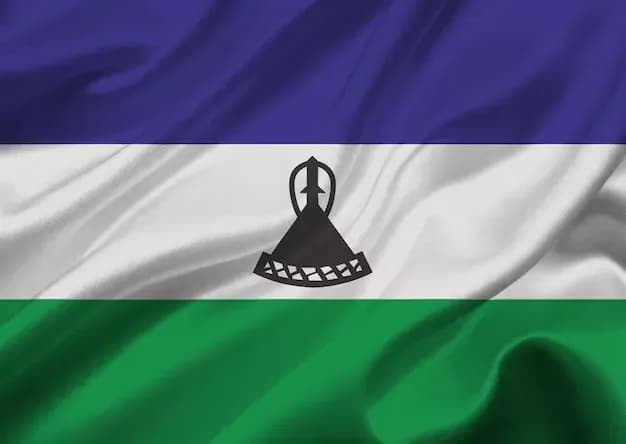

Prosecutorial Independence in Lesotho: A Critique of the ModelThe Constitution of Lesotho is substantially cast on the Westminster prototype. As such, its institutions, by and large, reflect the structure of similar institutions at Westminster. The institution of the Director of Public Prosecutions (DPP) is no different: it has been designed to mirror its namesake under the British constitutional design. The underlying feature of classic British-based constitutions is the weak separation of powers and the predominance and condescending nature of the executive branch of government, as incarnated by the office of the Prime Minister. As such, most institutions within the design are beholden to the executive in general and to the Prime Minister in particular. The institution of the DPP is integral in the administration of criminal justice. Hence, its independence and its accountability in the discharge of this important constitutional mandate are of paramount importance. This notwithstanding, the Constitution of Lesotho is generally weak on safeguarding the independence of the office of the DPP and ensuring its corresponding duty of accountability. The purpose of this article is to critique the constitutional design in relation to the office of the DPP and to expose the deficiency of the constitutional clause establishing the Lesotho DPP office. The article contends that while the Constitution, under section 141, provides for some small measure of independence of this office, the broader schematisation of the Constitution is feeble on the independence and accountability of the office. The article analyses the constitutional design of the Lesotho DPP office in comparison with international developments.