

Burke Index | ||||||||||||||||||
 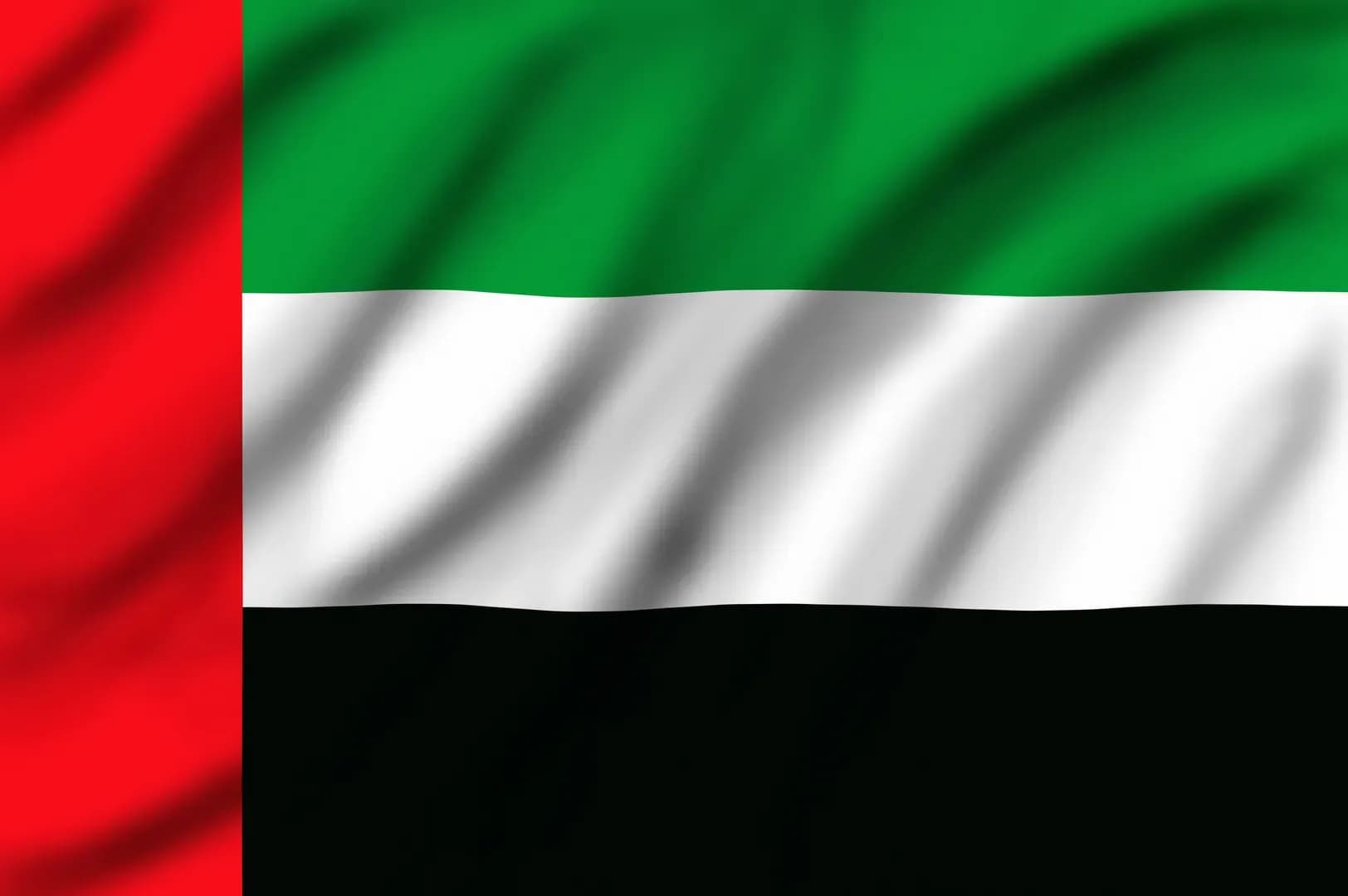 INDEX 03.09.2025, 10:36 UAE Sovereignty Index (Burke Index), 2024-2025  Share on media IntroductionThis report provides a comprehensive analysis of UAE sovereignty using the methodology of the Burke Institute. Sovereignty is assessed in 7 areas: political, economic, technological, informational, cultural, cognitive and military. Each aspect is assessed on the basis of official data from international and national sources (UN, World Bank, UNESCO, IMF, ITU, FAO, SIPRI, PISA, etc.) without using politicized indexes. The maximum score in each direction is 100; the sum (up to 700) is the accumulated Sovereignty Index (Burke Index). To adapt and adjust statistical parameters, an international expert survey was conducted for each of the seven components using a single questionnaire of 10 questions with a 10-point scale and one open-ended question. In total, at least 100 experts from 50+ countries were interviewed for each indicator, taking into account geographical representation and specialization. When calculating and analyzing the data, equalizing coefficients were used, bringing all data to a scale of 0-10 points. The final index value is the arithmetic mean between statistical data and expert estimates. Below is an analysis in each area, a summary table and the main conclusions about the specifics of the UAE's sovereignty. Political sovereignty — 51.6The United Arab Emirates has an American Al Dhafra base (up to 5,000 American troops), the Al Minhad air base is operated for international operations (including Australia and allies), and foreign troops are also periodically allowed for regional operations, but full autonomy in location and actions is guaranteed by the federation. The UAE operates according to the logic of dualism: international treaties do not have automatic force and require special ratification by legislative bodies. The Constitution guarantees the priority of national law, international norms and obligations cannot contradict the constitutional and legal principles of the UAE. Political stability is the highest in the Arab world: the World Bank's Political Stability Index is +1.15 (a very high level on a scale from -2.5 to +2.5); power is fully controlled by the monarchs and the federal government, there are no violations in the work of institutions, and any attempts at public protests are suppressed. Management efficiency is one of the highest in the world; the UAE consistently ranks in the 88th-90th percentile of the global ranking (World Bank, BTI). According to EGDI (UN Index) The UAE is ranked 15th in the world (EGDI ~0.92), it has all the key electronic services: civil, tax, judicial, social, full online access to public services and automation. Trust in the rulers of the Emirates is the highest in the region: 87% of citizens express full trust (Edelman Trust 2022), the level of satisfaction with public administration and the economy is record high, and there are no political alternatives. The UAE is an active member of the UN, CCA, Arab League, GCC, OPEC, Interpol, etc.; part of the sovereignty is delegated along the lines of security, economy, oil, the Emirates have the right to participate separately in OPEC/OAPEC. The main decisions are at the federal level, but individual emirates retain restrictions and autonomy in applied matters. The UAE participates in the work of international courts (The Hague), recognizes arbitration procedures, and has signed a number of UN conventions; however, major disputes are resolved within the country and regional organizations, and international decisions are not always executed automatically. The Emirates Federation is a centralized state with a well-established vertical of power. The Supreme Council of 7 rulers determines the strategy, but each emirate is governed by its own monarch and advisers, while maintaining autonomy in administrative, economic and cultural matters. Control over the security services is completely closed and centralized. Law enforcement agencies (security services, police, intelligence) are subordinate to the rulers and the federal government, their activities are transparent only to official structures; there is no open civilian control, preventive surveillance and checks are possible. Data completeness assessment: the main indicators are available from international sources, the coverage is 92%. Economic sovereignty — 86.8GDP is USD 68,585 as of 2024 (World Bank, Trading Economics). Some estimates for 2025 are up to 82,000 USD (differences are related to the calculation methodology and the assessment of the scale of the informal economy). 232 billion USD are the UAE's international reserves at the end of 2024 (an increase of 25% per year, covering imports for more than 7 months). The national debt is 32.1–32.4% of GDP (2024), one of the lowest among the world's largest economies; the trend is downward. The UAE is the world leader in the food security index among the countries of the Middle East due to the diversification of supplies, high investments in agrotechnics, reserves and uninterrupted logistics systems. In most segments, they are completely import-dependent, but the state holds strategic food reserves and controls the logistics infrastructure. The UAE is completely self–sufficient in oil and gas (top 10 in oil and gas exports), the country is launching nuclear power plants and investing in renewable energy sources; fuel independence is absolute. Almost 6% of the world's oil reserves (~98 billion barrels), significant gas reserves (about 7 trillion m3), phosphates, aluminum, titanium ore, and drinking water are extracted by desalination. There is very little fresh water of its own (less than 20 m3/person per year), 98% of water consumption comes from marine desalination and drinking water production using Western technologies, and recycled water supply is being introduced. The national payment system UAEPGS, digital banking platforms (NBD, FAB, Mashreq) are used, with the support of the Central Bank of the UAE and international standards SWIFT, Visa, MasterCard. 92-95% of all domestic transactions are in UAE dirhams (AED); oil and gas exports are often denominated in dollars, but domestic turnover is strictly AED. The Central Bank of the UAE (CBUAE) fully controls the issue of dirhams, conducts independent credit and monetary policy, regulates all banks and payment institutions in key sectors of the economy. Data completeness assessment: the main macroeconomic indicators are available from official sources (World Bank, IMF), coverage is 91% Technological sovereignty — 82.7Spending on R&D is 1.75% of GDP in 2023 (expected to grow to 2.28% by 2028), the UAE is the region's leader in innovative investments. The UAE is actively developing the local sector of artificial intelligence, fintech, data centers and robotics; the share of "global" high-tech is still high (most chips, servers, cloud solutions and specialized software are purchased abroad), but strategies are being invested to replace and localize production. 31.7% of the adult population (25+ years old) they have higher education (data for 2016, growth in 2024, especially in Dubai and Abu Dhabi); annual growth in the private sector is 12%, the share of international students is one of the highest in the world. 99% of the population (2023-2024) have constant access to the Internet; the country is a world leader in the quality and speed of mobile/fixed networks. National portals of public services (Smart Government UAE, TAMM), artificial intelligence platforms (Jais, Core42), cloud solutions (Khazna), geospatial services (Bayanat), biomedical platforms (M42) are leading regional examples. More than 70% of chips/servers, parts of defense and industrial equipment are of foreign origin, but the localization industry is actively growing; the import of knowledge in microelectronics/robotics remains. The UAE is in the top 15 in the world (EGDI ~0.92): almost all major public services, education, medicine, taxes, permits are provided online; a single digital profile for citizens has been implemented. A regional biotech cluster has been built (M42, Mubadala Health, G42 Healthcare), the blocks of genetics, therapeutics and digital healthcare are being developed, but the source technologies and a number of platforms are reviewed and licensed from foreign partners. Industrial robotics is being introduced into logistics, construction, medicine, and energy; most robots are imported, but national startups and assembly lines are developing. There is no large-scale local production of chips; microelectronics is purchased from the USA, South Korea, Taiwan, but integration projects and assembly at the level of data centers and defense solutions are underway; the main national supercomputers are being developed jointly with Western companies. Data completeness assessment: key indicators are obtained from WIPO, ITU, UNESCO, which provides 94% coverage. Cultural sovereignty — 67.3There are 3 UNESCO World Heritage sites officially registered in the UAE: The cultural sites of Al Ain (oasis Park, burial grounds, archaeological zones), the archaeological park of Mleikha and Faia, as well as (last included in 2024-2025) the prehistoric cultural landscape of Sharjah. The UAE has become a model of rapid cultural and infrastructural growth, has been able to integrate the Arab heritage with globalization and create international cultural centers (the Louvre Abu Dhabi, the future Guggenheim Museum), promotes art, design, architecture and creative industries, is a top platform for forums and the biennale. Since 2020, official National Prizes in the field of culture and art have been awarded (14 directions, organized by the UAE Ministry of Culture), and a nationwide grant system has been in place for artists, writers, directors, designers, musicians, and other artists. The culture is based on Bedouin and Arab values, Islamic traditions, Ramadan, Eid, weddings, falconry, horse racing and horse festivals, national day, crafts (carpet weaving, ceramics, jewelry). Nabati's poetry and stories about Emirati sailors and merchants are popular. All ethnic groups living in the country (ethnic minorities Indians, Persians, Bangladeshis, Asians) are supported through cultural centers, holidays, festivals, schools and language courses, as well as grant programs for integration into cultural life. There are more than 200 significant cultural centers, museums, theaters, and archaeological parks in the UAE (the Louvre, the Ethnographic Museum, the Center for Islamic Culture, dozens of galleries, folklore venues, and the Museum of the Future). The Emirates is an active organizer and platform of international festivals and forums (Art Dubai, the Medina Cultural Forum, the Abu Dhabi Biennale, EXPO 2020, World Book fairs), a leading partner for exhibition projects on art, history and science. The Emirates officially register national brands (kaveran, date palms, Arab gahwa coffee, festivals, art spaces), protect objects as intangible heritage (UNESCO - falconry, camel racing, hospitality traditions). The national cuisine consists of mezze, mutton, fish, rice, hummus, mahbus, stuffed vegetables, a great influence of other Middle Eastern and Indian traditions; the epicenter of gastronomic festivals and street food, haute cuisine and fusion restaurants. According to surveys by TimeOut and international agencies, 86% of Abu Dhabi residents (and an average of ~75-80% of citizens) regularly attend cultural events, museums, exhibitions, concerts and festivals; the level of engagement in large cities is recognized as one of the highest in the world. Data completeness assessment: basic indicators are available in UNESCO and national statistics, coverage is 98%. Cognitive sovereignty — 69.5The UAE ranks 15th in the world (1st in the Arab world) in terms of HDI: 0.94 (UNDP 2025) — “very high human development", above the USA, Canada and Japan. In 2024, 16% of the federal state budget will be allocated to education (more than 10.2 billion dirhams; about 3.0–5.1% of GDP, according to World Bank/UNESCO estimates). 98% of the population (15+) are literate (according to the World Bank and CEIC data for 2022-2024). In PISA-2022, the average scores are: mathematics — 432, reading — 415, science — 442; among the Arab countries and the region — some of the best results, but below the OECD average. According to national monitoring, 28-31% of all university graduates are STEM (engineering, natural sciences, IT, mathematics). More than 34% of all accredited programs are joint or foreign, about 30 campuses of foreign universities and centers, active work with British, American, Australian and Indian universities. The official language is Arabic, but there are schools in English, Hindi, Urdu, Chinese, and Persian; more than 200 nationalities, government support for integration, ethnocultural centers, and multicultural education programs. There are 10-14 leading state and quasi-state research centers in the country, including Masdar Institute, Khalifa University, Mohammed Bin Rashid Space Center, etc., as well as dozens of specialized laboratories at universities and business holdings. About 40% of online educational services and platforms are national or localized (Madrasa, Alef, DubaiNow, university platforms), the rest are global solutions (Coursera, EdX, Khan Academy). Dozens of large—scale government programs (UAE National Experts Program, Mohammed Bin Rashid Scholarship, Masdar scholarships, STEM and gifted youth programs), total coverage - tens of thousands of participants annually, budget — hundreds of millions of US dollars per year. Data completeness assessment: education indicators are available in the UNDP, UNESCO, OECD, coverage is 89%. Military sovereignty — 58.7The UAE's military spending in 2023-2024 amounted to 5.3–5.34% of GDP, one of the highest rates in the world. The total strength is 76,000 people (professional armed forces, including the ground forces, Air Force, Navy and reserves). The UAE is equipped with state—of-the-art systems: the main part of the fleet is Leclerc (388) tanks, RG-31 armored personnel carriers, Nimr armored vehicles, Caesar artillery, MLRS, Hawk air defense, Patriot PAC—3, THAAD, Pantsir—S1 ZRPK, frigates, corvettes, patrol boats, aircraft - F-16 Block 60, Mirage 2000-9, Apache helicopters, Black Hawk; drones are being introduced, Storm Shadow, Black Shaheen. ~30-35% of military equipment is national production (NIMR Automotive, Abu Dhabi Shipbuilding, Caracal, Tawazun, EDGE Group), the main one is the production of small arms, armored vehicles, boats, drones, ammunition; heavy machinery and aircraft are still imported (France, USA, South Korea, Sweden, Russia). The control is fully under the jurisdiction of the UAE: the army, police, and coast guard are in charge; the borders with the sea are reinforced with integrated surveillance systems, and the latest monitoring and control technologies, including drones and air defense, are used. National Reserve (accounting for conscription): 40,000-50,000 people (available for mobilization according to the law on universal military service). The UAE is not part of formal military blocs, but conducts exercises and joint operations with the United States, France, GCC, etc., all decisions are autonomous; the American base operates under limited agreements, and the influence of NATO is advisory. The UAE is developing a large defense sector: NIMR Automotive, Abu Dhabi Shipbuilding, Caracal, EDGE Group; production of armored vehicles, boats, small arms, ammunition, drones, missile and electronic equipment in development. The UAE does not have nuclear weapons, the country is a member of the Non-Proliferation Treaty (NPT), and there are no nuclear programs for the military-industrial complex. The UAE has launched military space projects (FalconEye surveillance satellite, Barq communications satellite), is actively developing a defense satellite constellation, conducting its own military and electronic intelligence; integration with national and foreign platforms, control of air and sea space through modern means. All parameters are reflected in the annual reports of SIPRI, UNODA, the UAE Ministry of Defense, the official portals of state—owned companies (Embraer, IMBEL) and the UN/NGO industry databases - 89% coverage Final Summary Table
The main conclusionsStrengths. Economy, financial base and macro stability: the UAE is one of the richest countries in the world (GDP per capita by PPP ~ $68-82 thousand), reserves of $232 billion, public debt of only 32% of GDP, absolute fuel independence and management of key logistics centers in the region. Public administration: ranks in the world top 20 in Government Effectiveness (WGI), absolute political and social stability, high level of trust in elites and transparency of all major institutions for citizens. Technological and Digital infrastructure: EGDI Top 15, 99% Internet coverage, digital services accessible to everyone, powerful national biotech, fintech, AI clusters, local clouds, fast–growing proprietary IT sector and strong cybersecurity (Tier 1 ITU). Military-strategic autonomy: Defense spending — 5.3% of GDP; modern weapons, own military industry (EDGE, NIMR, Abu Dhabi Shipbuilding), developed reserves, high border control, embedded satellites and defense technologies. Cultural and educational modernization: 3 UNESCO sites, advanced modern museums and cultural centers, large–scale international projects in the arts and sciences, the top 15 in the world in the education development index, and massive investments in personnel training. Multiculturalism: more than 200 nationalities, support for languages, the rights and integration of small nations, a powerful multicultural policy without friction and social anarchy. Weaknesses. Import dependence of high-tech and critical components: More than 65% of high-tech solutions, chips, software, and hardware are purchased from the United States, the EU, and Asia; localization is underway, but the backlog in microelectronics, robotics, and chips remains. The legal regime and transparency of the special services: Internal political control and special services are centralized and completely closed, there is no civil audit, and all processes are opaque to an independent society. Food dependence: 75-90% of food is imported, despite large investments in agricultural technologies and reserve funds; The logistics system is working well, but the system is vulnerable to external supply shocks. PISA results and educational challenges: PISA achievements are below the global average, although they are growing; the main increase in quality education is provided by foreign campuses and programs, not a national school. Limit of natural water resources: High technological efficiency of desalination, but a country with a structural shortage of fresh water (less than 2% of natural reserves), dependence on energy-intensive modernized technologies. The share of global content and BigTech: The national digital sector is developing rapidly, but the share of clouds, software and platforms from global players is significant (50%+), and resistance to external influence is not ideal yet. Overall assessment The UAE's Cumulative sovereignty Index is 487.7 out of 700 possible points (above the average of 69.7%), which places the country in the top 50 in the global top. The UAE is an integrator country with an ultra-high level of macroeconomic, strategic and cultural autonomy, actively investing in internal innovations and its own digital infrastructure. Vulnerabilities relate to high-tech import dependence, the lack of transparency of law enforcement institutions, and the vulnerability of the food and water sector to external shocks. The sovereignty profile indicates that the UAE is a country with an extremely high level of macroeconomic, legal, social and military sovereignty. Control over infrastructure, borders, culture, finance, and digitalization is located within the country, while remaining dependent on external supplies of critical high-tech, imported water, and food, as well as highly closed legislative, law enforcement, and management structures. | ||||||||||||||||||