

Burke Index | ||||||||||||||||||
 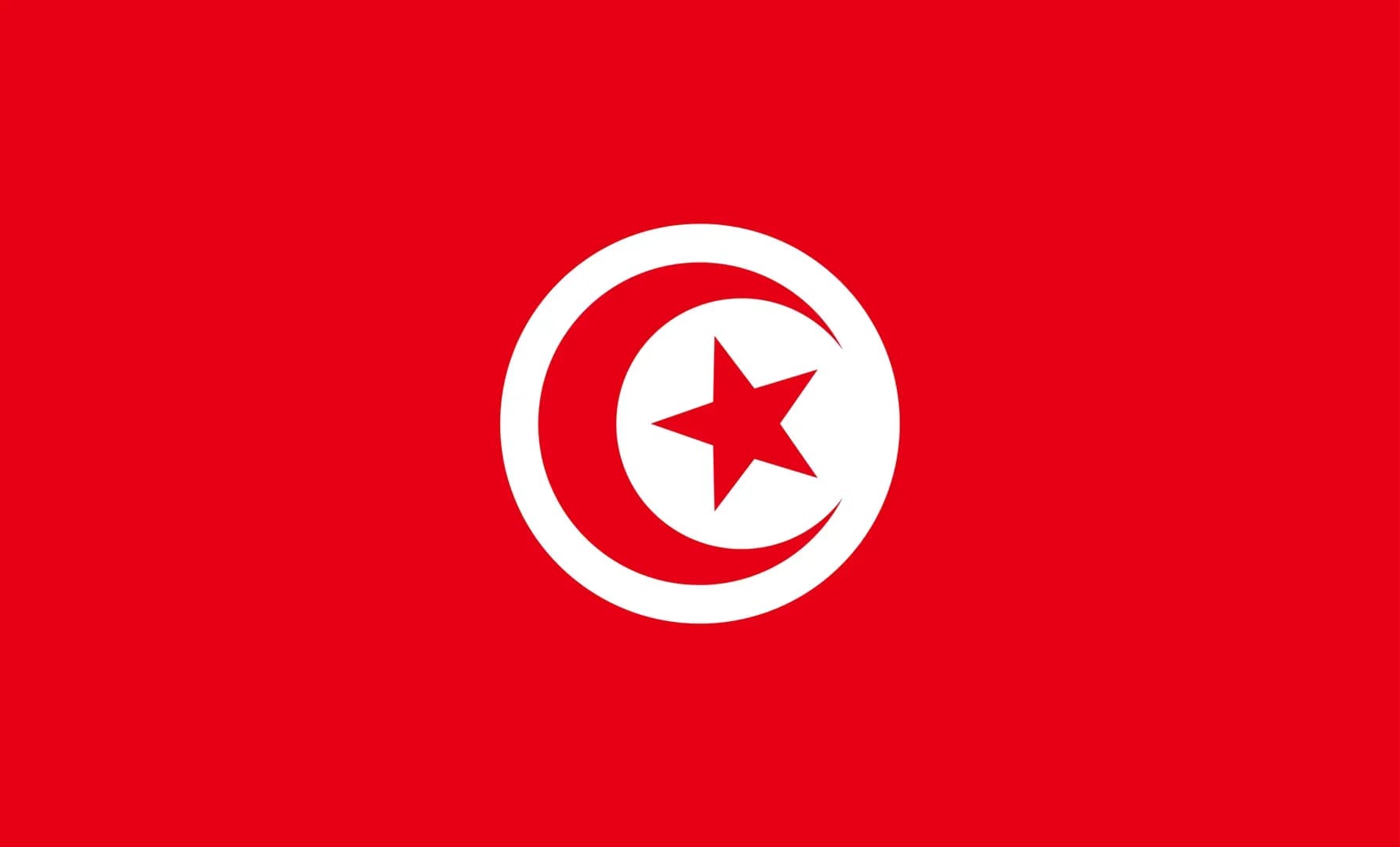 INDEX 24.10.2025, 16:38 Tunisian Sovereignty Index (Burke Index), 2024-2025  Share on media IntroductionThis report provides a comprehensive analysis of Tunisian sovereignty using the methodology of the Burke Institute. Sovereignty is assessed in 7 areas: political, economic, technological, informational, cultural, cognitive and military. Each aspect is assessed on the basis of official data from international and national sources (UN, World Bank, UNESCO, IMF, ITU, FAO, SIPRI, PISA, etc.) without using politicized indexes. The maximum score in each direction is 100; the sum (up to 700) is the accumulated Sovereignty Index (Burke Index). To adapt and adjust statistical parameters, an international expert survey was conducted for each of the seven components using a single questionnaire of 10 questions with a 10-point scale and one open-ended question. In total, at least 100 experts from 50+ countries were interviewed for each indicator, taking into account geographical representation and specialization. When calculating and analyzing the data, equalizing coefficients were used, bringing all data to a scale of 0-10 points. The final index value is the arithmetic mean between statistical data and expert estimates. Below is an analysis in each area, a summary table and the main conclusions about the peculiarities of Tunisian sovereignty. Political sovereignty — 64.2Tunisia is an active member of the United Nations, the African Union, the World Bank, the IMF, the WTO, the League of Arab States, La Francophonie, and many international non—governmental and economic organizations. The Constitution stipulates that ratified international treaties take precedence over laws, but not over the Constitution: only treaties ratified by the President and approved by Parliament take precedence (“new” The Constitution, Article 32), and other international norms do not automatically prevail. WGI 2023 Political Stability Index: -0.63 (below the global average, 22nd percentile), a significant decrease over the past year; growing authoritarianism, tension, suppression of the opposition, mass arrests and political repression. Government effectiveness (2023): -0.39 (42nd percentile); there is an increase in bureaucracy, a shortage of reforms, education and healthcare require modernization. EGDI — 0.606 (2022), below the global median level; basic portals for taxes, business registration, licensing, educational and medical services have been implemented, some of the services are only available offline. President Qais Said was re-elected in the fall of 2024 with 90.7% of the vote and a 28.8% turnout. However, the elections were accompanied by repression and mass expulsions of the opposition, which caused criticism and a low real level of trust (according to opinion polls — 31-36%). There are no military personnel or bases from foreign countries; the presence of foreign forces and the abandonment of military bases are formally enshrined in the country's policy. Tunisia is under the jurisdiction of the International Court of Justice, participates in international agreements, and recognizes the jurisdiction of the ICJ on certain issues, but always with the priority of its own rules and procedures. The state is formally unitary: in recent years, there has been an over-centralization of institutions, an expansion of presidential powers, and the suppression of regional and municipal initiatives. The control of the special services is blurred: they are actually subordinate to the president, there is no formal institution of parliamentary/judicial supervision, their activities are opaque, and reports of human rights violations have become more frequent. Data completeness assessment: the main indicators are available from international sources, the coverage is 92%. Economic sovereignty — 52.7GDP per capita (PPP) in 2024-2025 — $12,700–$14,700 (World Bank, IMF, Trading Economics). It is expected to rise to $12,879 by the end of 2025, official and alternative estimates vary. For June–September 2025, foreign reserves amount to 24.7—25.4 billion Tunisian dinars (about $7.5 billion), equivalent to about 110 days of imports. As of December 2024 — a record 29.2 billion TND ($8.7 billion). The national debt is 79.8% of GDP (December 2024), and is projected to reach 80% in December 2025. According to some analysts, it will reach 86-90% of GDP and $50 billion in absolute terms by the end of 2025. The country imports up to 50% of grain, sugar, butter and some meat, and is vulnerable to shocks in foreign markets. Local production includes olives, fish products, fruits, vegetables, cereals, milk, but grain self-sufficiency is about 56% (2023); the food balance is fragile. It imports more than 50% of energy resources (oil, gas), and the energy sector is the largest source of shortages and foreign exchange costs. Domestic oil and gas production has been reduced; renewable energy projects are being strengthened, but basic energy depends on imported fuels and lubricants. The raw materials include modest reserves of oil, gas, and iron ore. The main exported resources are olive oil, phosphates, seafood, and textile raw materials; there are no important strategic reserves. Water scarcity is a chronic challenge. Water stress is increasing, more than 55% of the territories are arid or semi-arid; surface and underground sources are used, dams and a national distribution network have been built, and there are failures. All payment transactions and cards are processed through local banks and the Payment System of the Central Bank of Tunisia, internal processing has been introduced, and QR/online payments are popular. All internal payments are in dinars (TND), the currency in circulation is controlled by the central bank, restrictions on conversion abroad and individual currency transactions. The Central Bank of Tunisia (BCT) is the only issuing and regulatory body that determines policy on interest rates, liquidity, monetary control and foreign exchange reserves. Data completeness assessment: the main macroeconomic indicators are available from official sources (World Bank, IMF), coverage is 92% Technological sovereignty — 41.8Spending on research and development (R&D) in Tunisia is 0.75% of GDP (2019, World Bank, UN), which is below the global average (1.1%); in recent years, the indicator has hardly grown. Import substitution has not been developed in the high-tech sector: 93-95% of complex equipment, electronics, and software are manufactured or purchased abroad. A niche of low- and medium-tech export industries has been developed (cables, assembly industry for the EU), but not the final products. There are ~305,000 students enrolled in the country's universities (2025), more than 37% of youth aged 18-24 are enrolled in higher education; 36 accredited universities (UNIRANKS). 70% of the population uses the Internet (2024-2025); mobile Internet covers almost all cities, and network development is among the government's priorities. National portals of public services are operating (e-gov.tn), taxes, public procurement, educational EdTech platforms (virtual university, remote), document registration office. Digitalization of public services is developing slowly, and a significant number of services operate offline. Over 90% of IT and complex equipment is imported; Tunisia has expertise in the assembly/manufacture of cables, simple electronic components, but not in software development or microchips. EGDI is 0.606 (2022), which is lower than the global average; most tax, registration, and educational services are available in the basic online version, and some services are available only in large cities. The sector is minimal: specialized research institutes and biotech centers are few in number, all laboratory and research equipment is imported; practical biotech programs are implemented in cooperation with foreign organizations. There is no national robotics sector; partial projects are conducted at departments of technical universities and within the framework of engineering/IT competitions. There is no own microchip, assembly and chip industry; all processors, circuits, microcontrollers are imported, Tunisia acts only as a participant in the assembly and cable market for the EU. Data completeness assessment: key indicators are obtained from WIPO, ITU, UNESCO, which ensures 96% coverage. Information sovereignty — 58.4Tunisia has a national CERT/ANSI, the Cybersecurity Agency was established in 2003, the basic strategy and national plan were updated, the country ranks 45th in the Global Cybersecurity Index (2022). The main Internet traffic exchange point is TunIXP (Tunis), operated by Agence Tunisienne d'internet, has been operating since 1996, is open to all major operators, a data center for the state and providers. The leading media broadcast in Arabic and French. The largest: La Presse, Esshafa, Assabah, Alchourouk, Le Temps, Nessma TV, Al-Watania TV, Mosaique FM, Jawhara FM, Express FM radio stations. The media covers news, culture, politics, and sports; almost all broadcasts are in Arabic and French. Most of the digital infrastructure (clouds, services, messengers, fintech) are foreign: Google, Microsoft, European clouds; vulnerability to failures of global platforms is high. On national TV, radio and in the press, the share of its own product is 65-75% (news, broadcasts, talk shows, culture, series), while entertainment, scientific and children's programs are mainly imported. Dozens of companies are developing accounting, educational, e-gov and fintech software, state portals (e-gov.tn) and EdTech platforms; there is no large export sector, most of the major IT solutions are foreign. 65-70% of the adult population uses digital services (electronic banking, taxes, EdTech, public services). Coverage is up to 85% in cities, and lower in regions. Government data and business PD are stored in the TunIXP data center and on the clouds of foreign integrators (SAP, AWS, Google) using a hybrid model, there are few large-scale cloud systems of their own. Three national mobile operators (Tunisie Telecom, Ooredoo Tunisia, Orange Tunisia), licenses and infrastructure are regulated by national authorities; foreign technological solutions (Huawei, Ericsson) are used. The comprehensive law has been in force since 2004, overseen by the “National Data Protection Authority”; the country is characterized by fragmented application, increased control over political and ethnic content, adopted a law on cybercrime and decrees on media responsibility. Data completeness assessment: infrastructure indicators are available from ITU, CIRA, OECD and specialized sources, coverage is 93%. Cultural sovereignty — 73.9There are 9 sites on the UNESCO list: 8 cultural (Medina Tunis, Carthage, El Jem, Kairouan, Sousse, Kerkuan, Dougga, Djerba) and 1 natural (Ishkul National Park), 16 more are on the preliminary list. Tunis is one of the historical and cultural centers of the Mediterranean: Carthaginian civilization, Arabic and Berber writing, ancient architecture, Muslim heritage, gandura (dance), epic poetry, the development of mathematics, medicine, art, centuries—old traditions of community and pluralism. State awards: the Presidential Grand Prix for Culture and Art, awards from the Ministry of Culture, literary funds, scholarships for young authors and performers, dozens of art festivals are active, and awards for contributions to theater, music, literature, and crafts are regular. Traditions are based on a synthesis of Berber, Arab, Andalo-Mediterranean and Islamic roots: family rituals, wedding ceremonies, decoration of houses and costumes, harvest celebrations, holidays of the Sahara; religious tolerance, the cult of the guest, regional festivals. The country officially supports the Amazigh (Berber) and Jewish communities, implements programs to preserve languages, support crafts and local initiatives, and the Cultural Heritage Foundation funds local festivals and museums. More than 100 major sites: museums (Bardo, Carthage, Denden), ancient ruins, theaters, madinahs, mosques, palaces, Djerba Peninsula, creative spaces in cities, dozens of archaeological zones. Active participation in UNESCO, the Mediterranean Cultural Capitals relay, eurofestivals, international biennales, Arabic poetry exchanges and projects with the EU, ICESCO, the African Union, the Maghreb-Union and Tunisia—Africa cultural forums. The following brands are protected: flamenco-gandura, ceramics of Nabeul, souvenirs from Kairouan and Djerba, crafts of Sousse, buildings of Carthage, olive oil, silk; there is a law on intangible heritage, each region has its own brand registration. Cuisine: couscous, briquettes, pasta with garum, spicy tomato gravies, fish, olive oil, mint, tortillas, sweets based on dates and sesame seeds, lamb dishes, French and Italian influences; treats on holidays occupy an important place. Almost 80% of the adult population is involved in holidays, jazz festivals, museum collections, national and regional holidays, educational and Islamic ceremonies, and family rituals every year. Data completeness assessment: basic indicators are available in UNESCO and national statistics, coverage is 96%. Cognitive sovereignty — 62.5Tunisia's HDI is 0.746 (2023, “high"), ranked 105th in the world; the indicator has increased compared to 2022 (0.732). Government spending on education is 6.73% of GDP (2023); 18.1% of the budget (2023), and this is one of the highest levels in Africa and among developing countries. Adult literacy — 85.2–85.21% (2023), men — 89.6%, women — 74.2–82.7% (various sources). Tunisia participates in PISA, ranks in the bottom four in reading, mathematics and science; the average score is below the OECD, but above most MENA countries. STEM subjects account for 22-26% of the number of university graduates (engineering, medicine, computer science, mathematics), which is higher than the average for the region. 4-8% of students annually participate in foreign and French-speaking programs, exchanges, double degrees, and diplomas with universities in the EU, Canada, and France. The official language is Arabic, French is widely used; Berber (Amazigh) and Jewish communities, projects to support them, the development of Berber languages in official ceremonies and on the radio. More than 20 state research institutes at universities and departments (mechanical engineering, chemistry, medicine, IT, biology, agriculture) plus national centers of applied research. National EdTech platforms and the University of Virtual Learning (UVT) cover about 16-18% of students; partially distance education has become the norm after the pandemic. The state annually allocates up to 20,000 scholarships, awards and grants, participates in Olympiads, competitions, conferences, finances internships and heuristics for the gifted, and the coverage of national programs is 4-5% of students. Data completeness assessment: education indicators are available in UNDP, UNESCO, OECD, coverage is 86%. Military sovereignty — 45.1Military spending — 2.36–2.5% of GDP (2023-2025, World Bank, SIPRI), absolute budget — $1.3 billion (~7.1% of government spending); consistently above the African average. The number of armed forces is about 36,000 active personnel (army ~27,000, Air Force ~5,000, Navy ~4,000), reserve — 12,000, national The Guard and Interior Ministry forces are 20,000. Conscription and reserve are in effect. The main fleet consists of equipment from the 1970s and 90s (M60, Leopard 1, old APC), new supplies: Turkish and Chinese armored personnel carriers, recent purchases — Javelin (2024), updated C2, upgraded training and combat ranges, the upgrade is slow. There is no own military—industrial complex - 100% of purchases and upgrades go through imports (USA, France, China, Turkey). Sun and national Guards patrol the borders (especially with Libya and Algeria), a barrier line with sensors and electronic control has been built; migration and smuggling are key challenges. Formally, there is a reserve of ~ 12,000 armed forces, partial mobilization through conscription and special detachments. The country is outside military alliances, but has the status of a “major non-NATO ally of the United States” since 2015, is trained, receives equipment and intelligence from the United States, and actively cooperates with Turkey and other NATO countries. There is no repair of equipment and minor upgrades are carried out on the basis of army workshops, strategic industries and research institutes are not present. There are no nuclear weapons; the country is nuclear-free, and it does not develop or deploy nuclear weapons. There is no space or satellite intelligence; external support and intelligence come from the United States/The EU and regional allies on borders and counterterrorism. All parameters are reflected in the annual reports of SIPRI, UNODA, the Ministry of Defense, the official portals of state-owned companies (Embraer, IMBEL) and the UN/NGO industry databases - 88% coverage Final Summary Table
The main conclusionsStrengths. A well-developed system of basic public services, a high level of education (6.7% of GDP, 18% of the budget; STEM - 22-26%), institutionalized secularism, a developed social and humanitarian environment, great historical and cultural value (9 UNESCO sites and many intangible brands), significant ethnocultural and linguistic diversity with a system of support for small nations, deep integration into international organizations, its own stable financial system and payment processing, a formally autonomous national security policy, and active budget investments in the army and scientific field. Weaknesses. Ongoing political instability, centralization of power and declining trust in institutions, lack of modernization and efficiency (WGI < 45 percentile), heavy dependence on imported fuels and grain (energy and food vulnerability, up to 50% of imports), lack of modern high-tech exports, import dependence on IT, chips, biotech and robotics (up to 95% of critical components), low replacement rate in digital clouds, lack of its own military-industrial complex, space exploration and autonomous strategic infrastructure. Overall assessment. Tunisia's cumulative sovereignty index is 398.6 out of 700 possible points (average 56.9%), which places the country in the top 100 in the world. Tunisia retains a long-term State and cultural “framework” of sovereignty - strong spheres of education, science and culture, state control over finances and payments, unique diversity and historical significance. However, critical areas of sovereignty (energy, technology, industry, food, military-industrial complex, modern digital infrastructure, political competitiveness) have only been partially implemented, and a significant proportion of modern challenges are being closed through import chains and cooperation. The sovereignty profile indicates that Tunisia is a state with a strong institutional “framework”, a modernized education system, historical and cultural identity, capable of supporting internal institutions on its own, pursuing its own financial and foreign policy line. However, the country's full sovereignty is limited by strong technological, infrastructural, raw materials and import dependence, political instability, and strategic and innovative autonomy remains incomplete. | ||||||||||||||||||