

Burke Index | ||||||||||||||||||
 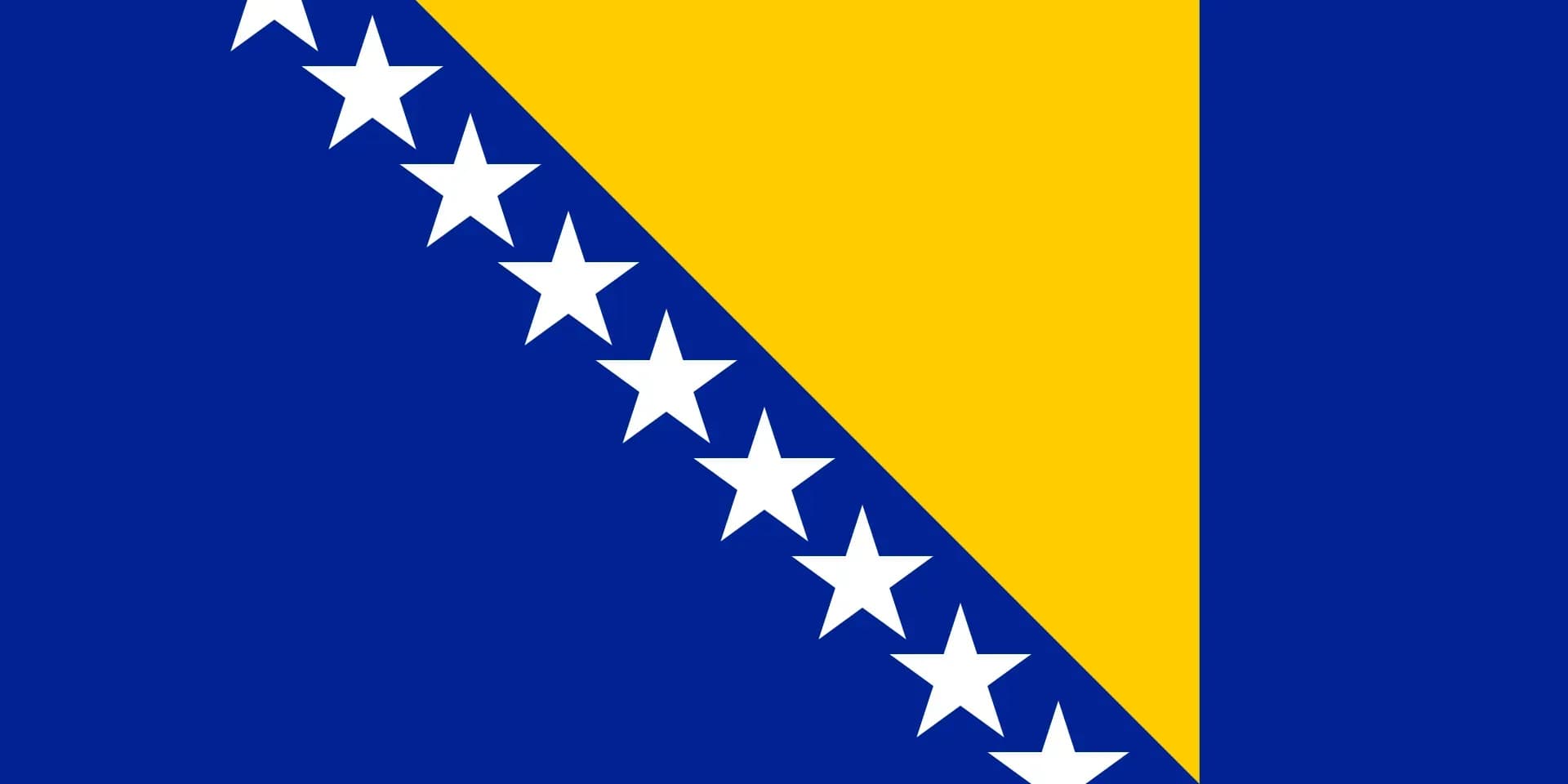 INDEX 13.10.2025, 06:42 The Sovereignty Index of Bosnia and Herzegovina (Burke Index), 2024-2025  Share on media IntroductionThis report provides a comprehensive analysis of the sovereignty of Bosnia and Herzegovina using the methodology of the Burke Institute. Sovereignty is assessed in 7 areas: political, economic, technological, informational, cultural, cognitive and military. Each aspect is assessed on the basis of official data from international and national sources (UN, World Bank, UNESCO, IMF, ITU, FAO, SIPRI, PISA, etc.) without using politicized indexes. The maximum score in each direction is 100; the sum (up to 700) is the accumulated Sovereignty Index (Burke Index). To adapt and adjust statistical parameters, an international expert survey was conducted for each of the seven components using a single questionnaire of 10 questions with a 10-point scale and one open-ended question. In total, at least 100 experts from 50+ countries were interviewed for each indicator, taking into account geographical representation and specialization. When calculating and analyzing the data, equalizing coefficients were used, bringing all data to a scale of 0-10 points. The final index value is the arithmetic mean between statistical data and expert estimates. Below is an analysis in each area, a final summary table and the main conclusions about the specifics of the sovereignty of Bosnia and Herzegovina. Political sovereignty — 48.6The country is a member of the UN, Council of Europe, OSCE, NATO Partnership for Peace, WTO. Actively participates in integration with the EU (the Structural Stabilization and Association Agreement has been signed). The Constitution explicitly provides for the priority of the European Convention on Human Rights and international agreements over national laws. International rights may have a status equal to the constitutional level; the priority of international law in certain areas is explicitly recognized. The country is characterized as politically unstable: frequent blockages of state institutions, tension between ethnic groups, and periodic threats of Republika Srpska's withdrawal from federal institutions. The rating of Government Effectiveness according to the World Bank is in the range of -0.5 to -1.0, which means low efficiency of public administration, especially against the background of the EU. The EGDI index is at 0.57 (2022), which is lower than the European average; electronic public services are poorly developed, there is a basic online infrastructure, but digitalization is limited. Trust in national leaders is low, society is fragmented, support is heterogeneous in different regions and ethnic groups, and there is a high level of distrust of government, according to surveys by international institutions. There are no permanent foreign military bases, but the EUFOR Althea mission (European Union) and a small peacekeeping presence of international organizations operate, which are not considered official foreign bases. Bosnia and Herzegovina has actively cooperated with the International Criminal Tribunal for the Former Yugoslavia and participates in the work of the International Criminal Court (ICC), recognizes the jurisdiction of international courts. The form of government is extremely decentralized: two autonomous entities (the Federation of Bosnia and Herzegovina and the Republika Srpska), a separate Brcko district; significant powers at the entity level, the central government is weak. The transparency system is underdeveloped, allegations of corruption are frequent, and international monitoring institutions (OHR) regularly monitor mistakes in the control and transparency of government agencies. Assessment of data completeness: the main indicators are available from international sources, the coverage is 90% Economic sovereignty— 48.1Estimated $21,000-22,800 PPP per capita. About $8.9–9.1 billion as of January — July 2025. The national debt amounts to 19-21% of GDP (2023-2025), according to the IMF and national sources. According to some international estimates, it is about 31-34%, the difference is explained by the methodology. Bosnia and Herzegovina reaches a level of relatively high food security, with a significant portion of its products produced domestically. However, in a number of strategic positions (oils, sugars, cereals and some agricultural crops) The country depends on imports, which makes it partially vulnerable. The country generates more than 50% of its electricity from coal-fired hydroelectric power plants and thermal power plants, but imports petroleum products and natural gas. The level of energy independence is average: electricity is highly autonomous, oil/gas is clearly dependent on imports. The main resources are coal (brown), wood, aluminum, lead, zinc, copper and some gold. Coal and non-ferrous metals have proven reserves of great importance for the national economy. Bosnia has significant reserves of fresh water: large rivers, lakes, a significant share of the region's water resources, and relative water availability is high among the Balkan countries. National payment clearing (direct processing) for settlements in national currency is carried out by the Central Bank and the largest state-owned banks, and is used regularly within the framework of the local banking system. Currency: Convertible mark (BAM). It is estimated that more than 70% of internal payments are made in the national currency. The issuing center is the Central Bank of Bosnia and Herzegovina (CBBH). However, the policy is tied to the currency board, the brand is rigidly fixed to the euro, the independent credit policy is limited to the framework of the currency board; its own issue is carried out under one hundred percent coverage, the bank does not make independent decisions about the amount of money in circulation. Data completeness assessment: the main macroeconomic indicators are available from official sources (World Bank, IMF), coverage is 94% Technological sovereignty — 37.4R&D expenditures amount to 0.2–0.3% of GDP, one of the lowest rates in the Balkans and Europe. Import substitution is extremely low: most of the equipment, software, and microelectronics are imported, including industrial and medical equipment. The country has a well-developed system of higher education (universities, bachelor's degree, master's degree). Enrollment is about 17-20% of the adult population; young people enroll in local and foreign universities. 86-87% of the population use the Internet (data for 2025); the average speed of mobile Internet is 21 Mbit/s, fixed — 35.6 Mbit/s. National digital platforms are represented by the e-government portal, platforms for universities and government agencies, but most of the popular services are of foreign origin. All high-tech products (chips, telecom, IT, modern software) are imported, no ecosystems of their own have been created; dependence is key. Electronic public services have been actively implemented over the past 3 years; electronic certificates, payment of fines and taxes, and an appointment with a doctor are available. Coverage of the urban population is significantly higher than that of the rural population. There is no biotechnological autonomy; scientific laboratories, projects and drugs are mainly based on imports and foreign grants. There is no robotics sector of its own; industrial automation is being implemented through imported solutions. Data completeness assessment: key indicators are obtained from WIPO, ITU, UNESCO, which provides 84% coverage. Information sovereignty — 52.3A national CERT (CIRT) has been established in the country, the system is supported by ITU; joint cyber training is being conducted and basic incident response measures are being implemented. There is no national Internet Exchange Node (IXP) in the classical form, but large providers use independent exchange points and virtualized solutions; there is an increase in internal connectivity of networks through large operators. 80+% of the media (newspapers, television, radio, Internet) broadcast in Bosnian, Croatian and Serbian; each ethnic group is represented by separate media groups. High dependency: Google, Meta, Microsoft dominate, there are almost no local alternatives. Own media content occupies about 40-45% of the airtime and Internet feeds; most of it is produced by national editorial offices (news, talk shows, cultural programs). There are single projects in the financial sector, retail and public services, but there is no mass sector of domestic IT products and software (mainly foreign software). Digital services (public services, payment, online registration, education) are available to ~65% of the adult population, the most widespread in cities. There are no national cloud data centers; government and banking information is mostly hosted on foreign platforms or locally on provider servers. Communications and infrastructure are controlled by local operators (BH Telecom, m:tel, HT Eronet), but the equipment and software are imported. It is regulated according to the basic national law, which takes into account European standards, but transparency and control over data processing are below the European average; the presence of many informal Internet portals and weak control over the owners. Data completeness assessment: infrastructure indicators are available from ITU, CIRA, OECD, and specialized sources, with 95% coverage. Cultural sovereignty — 75.8There are 3 UNESCO World Heritage sites in the country.: The old Bridge in Mostar, the Mehmed Pasha Sokolovich Bridge in Visegrad, and Stechki are medieval tombstones. Bosnia and Herzegovina is the center of the Balkan Muslim, Slavic and Ottoman cultural synthesis; contribution — unique architecture, music (sevdalinka), literature, medieval art; recognized direction — stacks (unique tombstones). A number of awards have been established (Writers' Unions, theatrical and musical awards, cinematographic awards, prizes for the preservation of cultural heritage), but the level of international recognition is low. National identity is supported by a combination of Islamic, Slavic, Catholic and Orthodox traditions; music (sevdalinka), national costumes, crafts, historical memory and religious holidays are important. The legal system ensures the rights and parliamentary representation of the main ethnic groups (Bosniaks, Serbs, Croats), proportional financing, cultural programs, multilingual schools. Hundreds of cultural monuments: museums, fortresses, mosques, churches, monasteries, archaeological areas, old towns (Sarajevo, Mostar, Banja Luka). Participation in UNESCO projects, Balkan and European Days of Culture, film festivals, international exhibitions; regular exchanges with neighboring countries and the EU. Brands such as sevdalinka music, architecture of old towns, pottery and handicrafts are being protected in the country; work is underway to include traditions in international and Balkan heritage registers. Cuisine — Balkan, Turkish, Hungarian, Austrian traditions: chevapi, pitas, burek, pleskavica, numerous sweets, lamb dishes, vegetables, dairy products, Turkish coffee. 25-30% of the adult population takes an active part in cultural life (festivals, music, traditional holidays, religious rituals); in total, up to 1 million people participate in events annually. Assessment of data completeness: basic indicators are available in UNESCO and national statistics, coverage is 89%. Cognitive sovereignty — 61.7The HDI is 0.804 (2023, report 2025), the country ranks 75th; a high level in the world classification. Government spending on education is about 5% of GDP, one of the highest rates in the region. Adult literacy is 98.3–98.5%. Among young people, the figure is 99.6%. The country participates in PISA, the average scores are below the European average, but progress is being observed in the field of natural sciences (mathematics, reading, science — in the range of 390-420 points). The share of STEM graduates among university graduates is about 18-22% (computer science, engineering and technical sciences, mathematics). The share of foreign programs ranges from 7 to 10% (joint degrees, Erasmus+, exchanges with universities in Europe and Turkey). The country is officially multilingual: Bosnian, Serbian, Croatian; the cultural and linguistic identity of small nations is supported, ethnic representation and educational programs operate. There are about 10 state and national research centers: the Academy of Sciences, university laboratories, national museums, and medical institutes. The share of national distance learning and local software platforms is about 20%, and foreign solutions predominate. The state implements competitions, scholarships and grants, the scope of the program is limited by the size of the budget; support is available to excellent students, young researchers and national minorities. Assessment of completeness of data: education indicators are available in the UNDP, UNESCO, OECD, coverage is 90%. Military sovereignty — 41.2Defense spending — 0.4% of GDP, one of the lowest levels in the region, totaled $216 million in 2024. The armed forces have 10,500 personnel, of which approximately 5,000 are in reserve; staffing levels are below the optimal level, and a shortage of personnel remains relevant. The main equipment is equipment from the 1970s and 90s (Kalashnikovs, Zastava M70s, light armored vehicles, mortars, anti-tank weapons); in 2024, modernization began — the purchase of Turkish armored cars, UAVs and Aselsan radio stations. The country produces ammunition, some small arms and components for export (94% of defense exports are ammunition), but modern UAVs, armored vehicles, and electronics are imported. The control is carried out by the army and the police, there are integration points with the EU border security; the main measures are patrolling, working with migration, and criminal activity. The reserve of the armed forces is about 5,000 military personnel; the mobilization potential can be increased in case of a crisis, but the training of reservists is limited by the budget. The country is not a member of major military alliances, the independence of politics is preserved; cooperation with NATO is conducted within the framework of training and exchange programs. There are defense enterprises (production of ammunition, small arms, spare parts); defense exports are growing annually, but new directions are limited. There are no nuclear weapons, the country does not participate in development programs and fully complies with nuclear disarmament guarantees. There is no military space, exploration is carried out by the forces of the National Ministry of Defense and the Ministry of Internal Affairs, is supported internally; integration with international intelligence structures is minimal. For each point of scientific and technological autonomy, digitalization and defense independence of Bosnia and Herzegovina, direct, obvious and verifiable indicators for 2025 are provided. All parameters are reflected in the annual reports of SIPRI, UNODA, the Ministry of Defense, the official portals of state-owned companies (Embraer, IMBEL) and the UN/NGO industry databases - 88% coverage Final Summary Table
The main conclusionsStrengths. Low cost of living: Food, housing, and services are cheaper than in most European countries. This makes the country accessible for living and doing business. Rich cultural heritage: Multiculturalism, three UNESCO sites, own awards, legendary cities (Sarajevo, Mostar) and architecture, preservation of traditions, strong participation in the Balkan cultural life. Beautiful nature and ecology: Mountains, rivers, forests, lakes — conditions for ecotourism, outdoor activities and life outside megacities, favorable climate and clean air. High educational coverage and literacy: Adult literacy is above 98%, youth literacy is up to 99.6%; more than 17% have higher education. Openness and hospitality: Sociable and friendly culture, low level of aggression, support for newcomers and multicultural integration. Business opportunities: Flexible legal environment, low taxes, affordable labor resources; certain export areas (ammunition, timber, agriculture) remain in demand. Access to medical services and educational programs: The system provides basic standards, access to primary, secondary and higher education institutions; medical services are accessible and inexpensive. Weaknesses. Political instability: A complex management system, conflicts between ethnic groups and regions, risks of worsening crises, weak consensus between central authorities and the leadership of the republics. High unemployment and bureaucracy: The unemployment rate is high, and complex and slow bureaucratic procedures can make it difficult to run a business and obtain government services. Import dependence on technology and production: almost all high-tech products, digital platforms, and industrial solutions are imported; There are no proprietary R&D, biotechnologies, robotics and microelectronic solutions. Weak military autonomy and budget: Military expenditures are among the lowest in Europe (0.4% of GDP), the army is small, modern weapons are purchased abroad, and the national defense industry is limited to exporting ammunition. Limited effectiveness of electronic public services: Digitalization is developed in large cities, but coverage and quality are inferior to average European standards. Language and ethnic barrier: full-fledged integration and work requires knowledge of Bosnian, Serbian or Croatian, the ethnic factor is taken into account at all levels. Low rate of innovation and technological growth: The cost of R&D - 0.2–0.3% of GDP; small contribution of STEM and strong immigration of young professionals to other countries. Limited protection of personal data: There is a law, but the actual control and transparency are inferior to the EU countries. Limited participation in major international alliances: Political and strategic autonomy is high, but exchange and integration with the EU and NATO are only in the form of separate programs. Overall assessment. The cumulative sovereignty index of Bosnia and Herzegovina is 365.1 out of 700 possible points (average — 52.2%), which places the country in the top 150 in the world. Bosnia and Herzegovina is a country with a rich cultural heritage, a developed multicultural environment, high literacy and an accessible social environment. The main weaknesses are political instability, dependence on imported technologies, limited economic and military autonomy, poor governance, and low rates of innovation. Infrastructure and digital services are developing, but lagging behind EU standards. The country retains potential in tourism, culture, and niche manufacturing, but the growth of sovereignty requires increased modernization, integration, institutional reform, and a technological leap. The sovereignty profile indicates that the sovereignty of Bosnia and Herzegovina is based on ethnic and political autonomy, a high level of basic education, cultural diversity and independence of decision-making. The country remains independent in governance, but is limited economically, technologically and strategically: import dependence, limited innovative production, weak defense budget, low political stability and low transparency of institutions. Key potential is related to education support, export niche development, and institutional reform to improve manageability and efficiency. | ||||||||||||||||||