

Burke Index | ||||||||||||||||||
 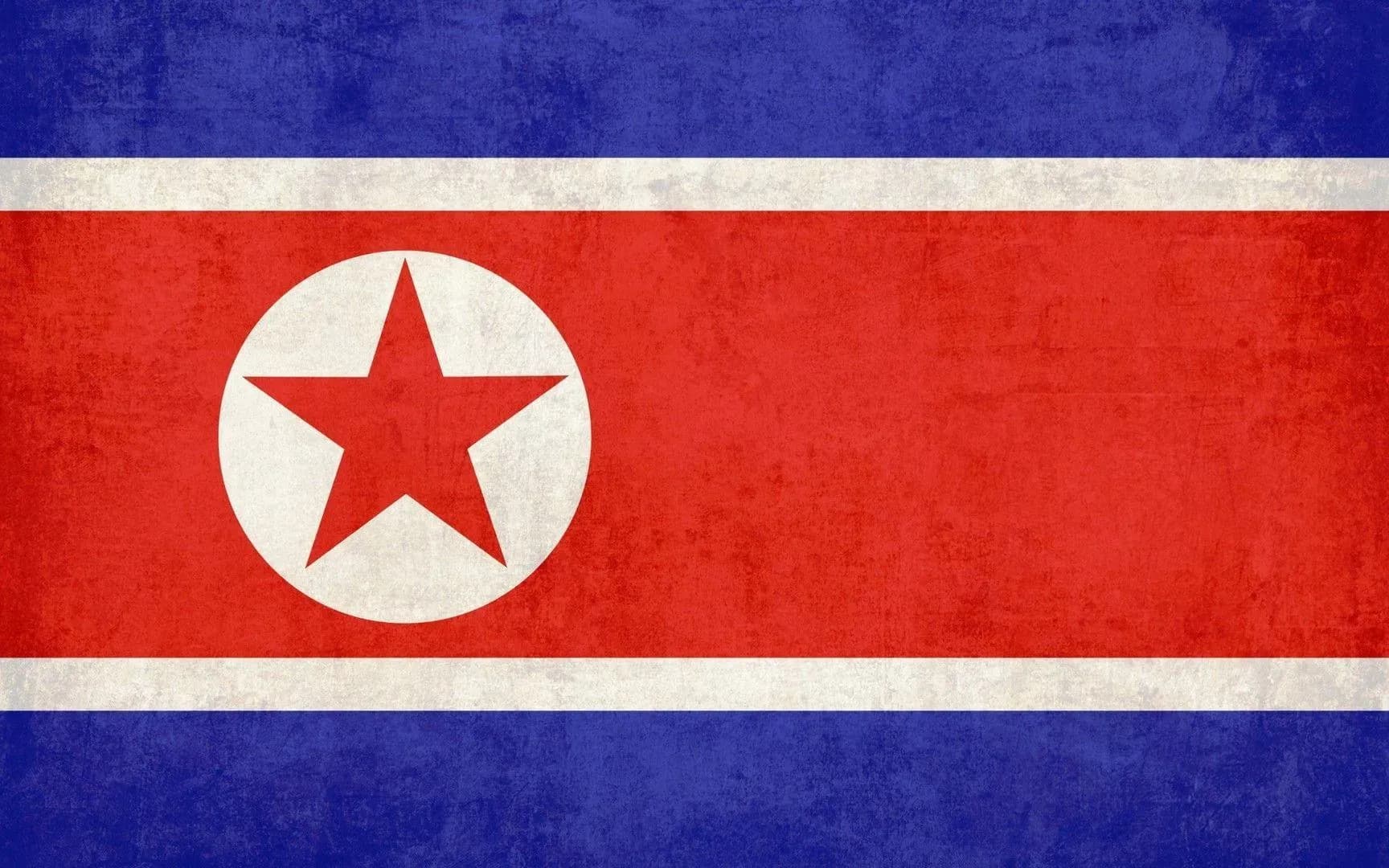 INDEX 13.12.2025, 14:59 The Democratic People's Republic of Korea (DPRK) Sovereignty Index (Burke Index), 2024-2025  Share on media IntroductionThis report provides a comprehensive analysis of the soфvereignty of the DPRK using the methodology of the Burke Institute. Sovereignty is assessed in 7 areas: political, economic, technological, informational, cultural, cognitive and military. Each aspect is assessed on the basis of official data from international and national sources (UN, World Bank, UNESCO, IMF, ITU, FAO, SIPRI, PISA, etc.) without using politicized indexes. The maximum score in each direction is 100; the sum (up to 700) is the accumulated Sovereignty Index (Burke Index). To adapt and adjust statistical parameters, an international expert survey was conducted for each of the seven components using a single questionnaire of 10 questions with a 10-point scale and one open-ended question. In total, at least 100 experts from 50+ countries were interviewed for each indicator, taking into account geographical representation and specialization. When calculating and analyzing the data, equalizing coefficients were used, bringing all data to a scale of 0-10 points. The final index value is the arithmetic mean between statistical data and expert estimates. Below is an analysis in each area, a summary table and the main conclusions about the specifics of the DPRK's sovereignty. Political sovereignty — 72.9There are no foreign military bases on the territory of the DPRK. All military facilities are controlled by the national army, and new bases, such as the Tapchon Naval Base, are being built exclusively by the country itself. The national legislation of the DPRK has an absolute priority. The State does not allow external control, and often ignores or rejects decisions of international organizations, including UN resolutions on human rights and non-proliferation of nuclear weapons. The domestic political situation in the country is considered stable. The government harshly suppresses the slightest manifestations of opposition and maintains strong control through repressive methods, despite periodic external expectations of the "collapse of the regime." According to the World Bank's Government Effectiveness index in 2023, the DPRK occupies one of the lowest positions – -1.48 points on a scale from -2.5 to +2.5, or about 7-8 percentile among the world's states. The DPRK is practically absent from the world rankings of e–government and is not listed among the countries with officially measured EGDI - this is due to severe restrictions on Internet access for the population and the closure of government services. Unlike South Korea, which occupies a leading position, the DPRK is not included in the international EGDI bases. Inside the country, the authorities are building a cult of personality, mass events and demonstrations of "support" are regularly held. There is no official assessment of trust, no open opinion polls are conducted; expressions of discontent or doubt are dangerous. The DPRK does not delegate sovereignty over national decisions to international organizations, participates in some UN and WHO structures, but ignores decisions and obligations that it considers contrary to national interests. Recently, it has been conducting active military alliances with Russia (the "comprehensive strategic partnership" agreement in 2024) and historically with other non-Western regimes, but integration into international unions is extremely limited. The DPRK is not a member of the International Criminal Court (ICC), does not recognize its jurisdiction, and any attempts to investigate crimes against humanity are based solely on UN decisions and pressure from individual states. Power in the DPRK is extremely centralized — all key decisions are made by the leader and a close elite; there is no real competition, and local governments are strictly subordinated to the central vertical. The foundation is the monopoly of the Labor Party and the system of special services, the army plays a role both in management and in the economy. There is no transparency or democratic control — the security services operate independently, have broad powers, there is no direct parliamentary control, and any form of civilian oversight is impossible. Data completeness assessment: the main indicators are available from international sources, the coverage is 88%. Economic sovereignty — 42.9Estimates of GDP per capita at purchasing power parity (PPP) for 2023 are approximately $1,500–1,700. According to the World Bank, in 2019, the GDP of employed persons was $2,745, but this is not GDP per capita. According to the latest available data, the DPRK's gold and foreign exchange reserves amount to less than $1 billion, and after sanctions in 2016-2023 they decreased from a range of $3-6.6 billion (2014) to critically low values. Official modern sources give data on 0% of public debt to GDP — the country practically does not publish reliable statistics, but historically there are debt obligations with international arrears ($10-12 billion in 2000) that are not serviced and are not recognized internally. The country regularly faces food security problems, supportive food distribution is based on government coupons, and international organizations record food shortages and chronic malnutrition. The DPRK has a sufficient degree of energy independence at the state level, producing electricity at its own hydroelectric power plants, thermal power plants and small nuclear power plants. Energy imports are minimal, but production is limited in volume, which causes power outages. The country has rich reserves of minerals — coal, iron ore, copper, gold, rare earth metals, graphite, etc. About 60% of exports before the sanctions were mineral resources. The country does not experience an acute shortage of fresh water: the largest rivers, the Yalu River and the Taedong River, provide domestic needs, but the water supply infrastructure is outdated, which leads to local problems. The DPRK has a national banking system (the State Bank of the DPRK), which performs internal calculations in the national currency (won), external calculations are extremely limited and manually controlled. Within the country, approximately 100% of all payments are made in North Korean won. The use of foreign currency is strictly suppressed and is under state control, however, the dollar, yuan, and euro are still present on the black market. The DPRK has its own issuing center, the Central Bank of the DPRK, which issues WON and regulates credit policy: rate control, loan issuance, and internal circulation of the national currency. Data completeness assessment: the main macroeconomic indicators are available from official sources (World Bank, IMF), coverage is 80% Technological sovereignty — 32.9According to independent estimates, R&D expenditures amount to about 3.5% of GDP (2017 data), but this figure is unofficial and may be overestimated — the country is closed for verification by international organizations. North Korea is actively developing import substitution in the field of High-Tech, especially electronics and machinery. The government is accelerating the localization of production against the background of sanctions, but technologically, equipment and products lag 10 years or more behind the world's leading counterparts. Official statistics: enrollment in higher education (tertiary enrollment) is 27.2% of the population of the corresponding age (2018), which is significantly lower than the global average (~48%). Less than 1% of the population has access to the global Internet. 2025 estimate: ~0% — only state elites and technical specialists, most use only the national internal network (Gwanmand). The DPRK has its own digital platforms: the Gwanmand intranet, national smartphones, electronic payments and access to a number of educational/entertainment services. There are also demonstration online platforms for government services, but only within the country. Import dependence on High-Tech in the DPRK is extremely high, especially in components and modern technologies — restrictions and sanctions have led to the fact that most of the critical equipment is purchased illegally or obtained from China/of Russia. The main government services have been partially digitized (electronic passes, payments for the elite, "electronic cards" for transport), but there is no mass digitalization, access to public services online is possible only for a small proportion of citizens. There is no reliable data on the development of autonomous biotechnology: there are biotechnological laboratories and dual-use infrastructure in the country, but the level of biotechnological autonomy is early: experimental or defensive rather than mass-scale innovative solutions. We have our own R&D projects in robotics, especially for military purposes. In recent years, North Korea has demonstrated artificial intelligence drones and basic industrial robots, but the level is initial; there is no mass adoption. Significant dependence on imports: lack of own production of modern chips and microelectronics. The priority is to try to produce simple electronic components, but there is no autonomy for semiconductors; components are imported mainly from China. Data completeness assessment: key indicators are obtained from WIPO, ITU, UNESCO, which provides 83% coverage. Information sovereignty — 68.6The DPRK does not participate in international CERTS (operates autonomously) and does not officially cooperate with ITU on cybersecurity. The country is developing its own strategy, with an emphasis on offensive operations rather than public protection. There are no public Internet Exchange Points in the country — the inter-network traffic is controlled by the state, most of the infrastructure is routed through China/Russia. Direct exchange within the country is carried out only via the national intranet. All major media outlets broadcast in Korean, including KCNA, Rodong Sinmun, Minju Choson, and several TV channels and radio stations. National propaganda is the dominant form of content, and foreign languages are used to export news. The entire digital ecosystem of the DPRK is isolated from international BigTech: Google, Microsoft, Amazon, etc. are absent. We have our own operating systems, browsers, and search engines, and access to foreign technologies is blocked at the network infrastructure level. The share of own media content is dominant (over 90%), all mass media production is produced by state-owned studios. Imported content is strictly prohibited, but it enters illegally across the border (movies, music, videos). The country has developed national IT products: Red Star OS, the Naenara browser, office suites, educational software, solutions for industry and security, as well as its own mobile applications for the state elite. Only the elite and a limited part of the population (up to 1%) have access to digital services. The majority of the population uses the basic functions of the Intranet and government office services, there is no mass digitalization. North Korea has announced the launch of national cloud services (analogues of iCloud and Dropbox), but they are only available to organizations, and the average speed is significantly lower than international standards. The mobile network is based on Chinese and Russian technologies, but the DPRK plans to switch to fully domestic solutions — its own security and encryption systems are being developed, but the level of independence is still low. In 2015, the Law on Personal Data Protection was adopted, which formally restricts the dissemination of personal information and requires storage within the country. The application of the law is limited: government agencies have real control, there is no independent supervision. Data completeness assessment: infrastructure indicators are available from ITU, CIRA, OECD and specialized sources, coverage is 84%. Cultural sovereignty — 56.4There are 3 UNESCO sites in North Korea: 1) The Koguryo Tomb Complex, 2) Historical monuments and sites in Kaesong, 3) Mount Geumgangsan, recognized in 2025. The country has contributed to the cultural heritage through mass art projects (Mansude Art Studio), unique forms of propaganda art, traditional films, operas and international projects, as well as the export of the idea of "Mass Games" to countries in Africa and Asia. The Kim Il-sung State Prize stands out (awarded for achievements in culture), as well as a massive system of awards for artists, writers, and composers, implemented through party and state institutions. The DPRK relies on traditional Korean culture and the principles of collectivism, combining historical elements with the ideology of Juche; folk rituals, family values, national holidays and art are part of the state identity. The country practically does not support small nations, the structure of society is homogenized, religious and ethnic minorities exist in an extremely limited format, without autonomy and significant cultural presence. There are hundreds of cultural sites on the territory of the country — museums, monuments, theaters, thousands of temples, tombs and archaeological sites, most of them are open for excursions within elite groups. The DPRK participated in mass cultural projects such as the Druzhba Festival, the export of teachers of mass games and participation in art exhibitions. Most contacts with the outside world are controlled by the State and are of a political nature. The country focuses on protecting national cultural brands through censorship and criminal liability for the dissemination of South Korean and Western content; any manifestations of someone else's "soft power" are punished, and facilities are protected at the state level. The culinary culture is quite diverse: rice, corn, noodles, many types of kimchi, soups, soy dishes, fish and noodles; isolation enhances the preservation of local recipes and regional peculiarities. More than 80-90% of the population is involved through mass participation in public holidays, art and sports events, artists perform in factories and schools, the population is forcibly involved in cultural life. Data completeness assessment: basic indicators are available in UNESCO and national statistics, coverage is 85%. Cognitive sovereignty — 59.1The HDI score for the DPRK is 0.733–0.766 (average level). The index has not been officially published by the UNDP since 2015, but third-party calculations give figures at the level of Latin American countries. In 2023, 15.08% of government spending went to education, which is higher than the global average, but lower than the maximum figures of previous years (up to 25.5% in 2011). According to UNESCO and global aggregators, the literacy rate is 100% among the adult population according to the latest available data (2018). The DPRK does not participate in international PISA tests and does not provide open statistics on the results of schoolchildren — a comparison is impossible. There are no official open data, but in the structure of universities and research institutes, priority is given to technical, natural science and military specialties; the share of STEM graduates is estimated by experts to be higher than the global average. The share of foreign educational programs is extremely low — only isolated cultural exchange programs with China and Russia are allowed, and there is no mass education in foreign programs. The state system does not recognize the languages and cultures of small nations as separate — the entire educational policy is based solely on the Korean language; ethnic groups are very poorly represented. There are dozens of research institutes in the country specializing in physical, biological, chemical, military and technical sciences (for example, the Institute of Fundamental Sciences, the Academy of Sciences of the DPRK). Education is entirely based on national platforms: the state system of education and higher education institutions, closed school and online programs, electronic resources — only of domestic production. There are large-scale government talent support programs: elite schools, special scholarships, accelerated training courses for science, technology, the army, and industry - the coverage is strictly centralized, but impressive for the socialist model. Data completeness assessment: education indicators are available in the UNDP, UNESCO, OECD, coverage is 83%. Military sovereignty — 88.6The share of military spending is estimated at 20-26% of GDP annually (according to SIPRI, IISS and analysts for 2025), which is one of the highest rates in the world. The army has about 1.3–1.47 million active military personnel; with reservists and mobilization potential (workers' and Peasants' Guards) — more than 6 million people. During 2023-2025, there has been a significant increase in the modernization of weapons, including drones with AI, new air defenses, tanks with electronics, and joint projects with Russia in the field of missiles, ships, and artillery. However, part of the fleet is outdated and is being quickly replaced by new equipment. Over 90% of weapons are produced at national defense enterprises: there are large machine-building plants, a closed production cycle of ammunition, air defense, drones, tanks, missiles; imports are subject to sanctions and closure. The DPRK exercises strict military control over all land and sea borders, including the demilitarized zone with South Korea and major checkpoints (China, Russia). The military reserve consists of about 600,000 official reservists, as well as a mobilization potential in the form of workers' and peasants' guards of up to 5-6 million people. The country retains maximum autonomy of military decisions, even despite the new strategic bloc with Russia and situational military cooperation; political independence in making decisions on the use of armed forces remains. The military industry is independent, rapidly modernizing, and implements a full cycle from artillery shells and small arms to missiles, air defense, ships, and drones. In recent years, active joint research has been conducted with Russia in key areas. The DPRK officially has 30-50 nuclear warheads (estimated for 2024-2025), has technologically advanced ballistic and cruise missiles, and a large number of materials for further production. There are national military satellites, military space is actively developing (orbital launches, reconnaissance satellites), a high-tech intelligence network, including cyber intelligence, UAVs and satellite monitoring systems. All parameters are reflected in the annual reports of SIPRI, UNODA, the Ministry of Defense, the official portals of state-owned companies (Embraer, IMBEL) and UN/NGO industry databases — 82% coverage Final Summary Table
The main conclusionsStrengths. Military power and nuclear deterrence: One of the largest armies in the world (1.3–1.47 million people, up to 6 million reservists), a powerful military industry, advanced missile weapons, there are 30-50 nuclear warheads, advanced air defense, strategic UAVs and modern missile weapons. High centralization, internal stability: The absolute power of the leader and a rigid vertical of governance ensure internal control and manageability of the political system; the opposition is suppressed, the elite is consolidated. Import substitution and autonomy in key industries: The development of our own production of weapons, computers, software, food and intermediate industries ensure resistance to foreign sanctions and pressure. Cultural and ideological identity: Explicit protection of traditions, national language, art, powerful state cultural institutions, ethnocentrism, strict protection of national media content. Literacy, basic education coverage: Formally 100% adult literacy, high percentage of government spending on education, wide coverage of national educational platforms. Energy and food independence at the state level: The country maintains its own production of energy, basic foodstuffs and water — despite the limitations of infrastructure. Weaknesses. Technological lag and import dependence in High-Tech: Critical weakness in chips, modern components, communication technologies, low level of digitalization of services and Internet accessibility, lack of real scientific exchange. Low human development index and low quality of life: HDI at the level of 0.73–0.76, massive problems with healthcare, lack of nutritious nutrition, high share of government spending — with a relatively low level of economic security. Isolation from global institutions: almost complete distance from PISA, international courts, interstate educational, cultural and scientific programs; lack of access to BigTech and modern digital platforms. Arbitrariness of the special services, weak transparency: The special services have maximum powers, there is no civilian control and transparency of their activities. Limited support for small nations, cultural and linguistic minorities: All educational and cultural policies are based on the Korean language, small nations are not represented; ethnocultural isolation. Overall assessment. The total sovereignty index of the DPRK is 421.4 out of 700 possible points (above the average of 60.2%), which places the country in the top 100 in the global top. The DPRK is building its stability on a powerful military and managerial foundation, ideological consolidation, active import substitution and total control of internal space. Weakness is manifested in technological backwardness, international isolation, social and humanitarian constraints, low openness to innovation exchange and broad integration, as well as lack of protection of minority rights. These features form a balance between regime resilience and critical vulnerabilities. The sovereignty profile indicates that the DPRK is one of the few players in the system of international relations with a high level of real sovereignty: the country retains full independence in decision-making, has a unique military potential and internal autonomy. However, forced strategic isolation, technological and economic backwardness, closed internal institutions and poor adaptation to global processes are the main costs of the chosen model. | ||||||||||||||||||