

Burke Index | ||||||||||||||||||
 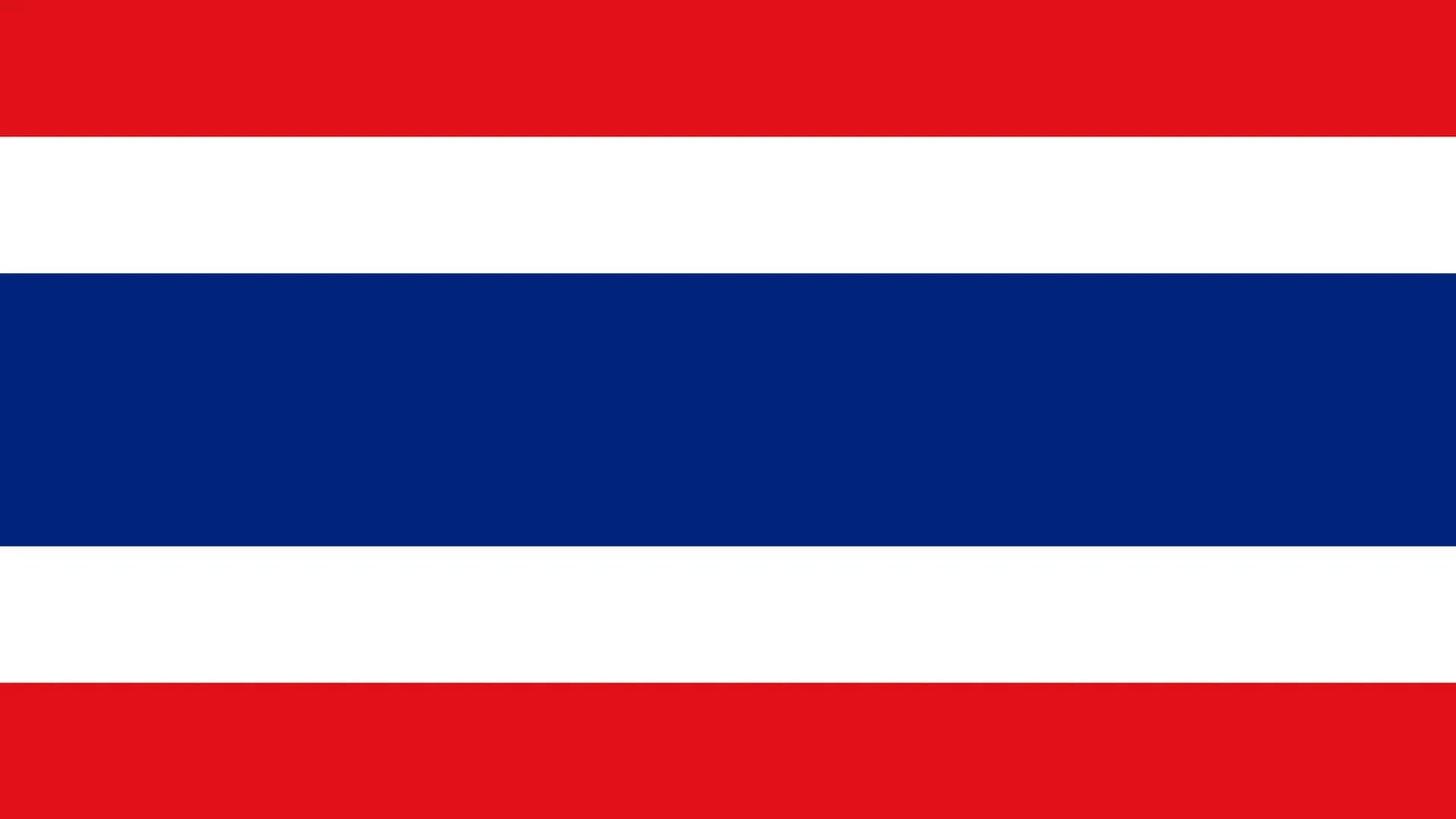 INDEX 10.09.2025, 07:25 Thailand Sovereignty Index (Burke Index), 2024-2025  Share on media IntroductionThis report provides a comprehensive analysis of Thailand's sovereignty using the methodology of the Burke Institute. Sovereignty is assessed in 7 areas: political, economic, technological, informational, cultural, cognitive and military. Each aspect is assessed on the basis of official data from international and national sources (UN, World Bank, UNESCO, IMF, ITU, FAO, SIPRI, PISA, etc.) without using politicized indexes. The maximum score in each direction is 100; the sum (up to 700) is the accumulated Sovereignty Index (Burke Index). To adapt and adjust statistical parameters, an international expert survey was conducted for each of the seven components using a single questionnaire of 10 questions with a 10-point scale and one open-ended question. In total, at least 100 experts from 50+ countries were interviewed for each indicator, taking into account geographical representation and specialization. When calculating and analyzing the data, equalizing coefficients were used, bringing all data to a scale of 0-10 points. The final index value is the arithmetic mean between statistical data and expert estimates. Below is an analysis in each area, a summary table and the main conclusions about the specifics of Thailand's sovereignty. Political sovereignty — 58.8There are no permanent foreign military bases in Thailand. Since 1976, any rumors about the appearance of American or other bases have been officially denied. The United States and its allies have the right to temporarily use individual facilities (U-Tapao, Tap Lamu, Sattahip, Don Muang) for docking, logistics, and joint exercises — but all of them remain under the control of the Thai military. There are no foreign garrisons or long-term deployment of foreign troops. The national legislation of Thailand has the supremacy. International treaties are enforced only when implemented into national law; the Constitution guarantees sovereignty, but Thailand actively cooperates with the United Nations and ASEAN and has signed peace agreements (for example, with Cambodia, 2025), taking into account the provisions of the UN Charter and the Geneva Conventions. Political stability in 2025 is low: after a series of scandals in power and the removal of the Prime Minister by the Constitutional Court. The WGI Political Stability Index is -0.28 (lower than Malaysia, Vietnam, but higher than Indonesia). Frequent cabinet changes, factional strife, protests, investigations, election scandals, corruption. WGI index (2024): 0.41 (58th percentile) — below the global average. The problems are weak control of corruption, institutional failures, low transparency and efficiency. UN EGDI (2022): 0.755, 50th place in the world. There is a portal for public services, digital medicine, e—justice, and ID - but the uniformity of access is lower than in the leading countries of East Asia. According to internal opinion polls and the World Justice Project survey, trust in the government is below 20-25% (2024-2025); after a series of scandals, there is a further decline, and tensions between parties and society are intensifying. Thailand is a member of the UN, WTO, ASEAN, APEC, Interpol, GMS, AIIB and other international organizations. The main decisions on sovereignty remain with national law, but the country actively participates in international missions and agreements, and law enforcement norms partially comply with global standards. Thailand recognizes the special jurisdiction of international courts (MOE, The Hague, arbitration), but decisions are enforced in national jurisdiction only after ratification; the country is not subject to the direct control of transnational courts. Thailand is a unitary state with elements of decentralization: regions (provinces) have their own administrations and budgets, local government, but key decisions are made by the central government. Provincial capacities are limited, and decentralization reforms are hampered by political conflicts. The transparency of the work of the special services (Royal Thai Police Special Branch, GSB, internal services of the army and the Interior Ministry) is limited; parliamentary and civilian control is formally present, but real transparency is weak. There are frequent scandals involving interference, wiretapping, and corruption; control reforms are proceeding slowly. Data completeness assessment: the main indicators are available from international sources, the coverage is 88%. Economic sovereignty— 53.1GDP per capita (PPP) is $24,700–26,300 international dollars (IMF, World Bank, Trading Economics). According to other sources, up to $32,000 (including the informal economy). Official reserves are $216-267 billion USD (February — July 2025; Bank of Thailand, CEIC). Security is about 8 months of import. The national debt is 64.8% of GDP (April 2025) according to the latest data from the Ministry of Finance, 56-68% according to other estimates (expected to grow to 68% by the end of 2025). The country is one of the world's largest exporters of rice, sugar, fish, rubber; self—sufficiency in basic foodstuffs is >100% in the main basket. Food security is high, and there are risks only in vulnerable provinces (drought, logistics). Dependence is high: 56-62% of oil and gas are imported; own generation accounts for 40-45% of energy consumption (hydroelectric power plants, thermal power plants, renewable energy sources). The government is implementing diversification projects: LNG imports, switching to alternative sources, and oil reserves — for about 27 days. Significant reserves of tin ore, tungsten, gypsum, oil (limited), gas (Gulf of Thailand shelf), coal, viburnum, lead, zinc. Extraction to the domestic market; export — the main items are non-ferrous metals and fertilizers. According to the FAO, the total internal flow of rivers (Chao Phraya and others) provides >90% of the country's needs. The average water reserve is 110 billion cubic meters per year; high risks of dry periods, possible disruptions in rural areas. Payments are made through Bank of Thailand (BoT), local banks, PromptPay system (national standard for instant transfers); all internal calculations are processed by national structures. The main settlement currency is Thai baht (THB); 98% of all domestic transactions, all tax payments, budget payments, salaries. External business is mainly in USD/EUR. Full control over the issue and credit policy is provided by the Bank of Thailand (issues baht, sets key rates, regulates the money supply, and controls reserves). Currency transactions and monetary policy are managed nationally. Data completeness assessment: the main macroeconomic indicators are available from official sources (World Bank, IMF), coverage is 92% Technological sovereignty — 47.3Spending on R&D is 1.16% of GDP (2023); the trend is positive, with growth in 2024-2025, but it is still far from the target level of 2%. Import substitution is increasing in robotics, automotive, agricultural machinery, EV components, and digital infrastructure (Western Digital, Panasonic, and Foxconn plants); however, dependence remains high on most critical high-tech components (chips, servers, AI, and sophisticated electronics). The state has been launched. incentives to localize the production of semiconductors and components for electric vehicles. Enrollment (gross coefficient) is 46-49% (2023), or 1.5 million university and college students; the figure is higher than the global average, but lower than in developed countries. A high proportion of applicants attend engineering and IT classes. 82-89% of the population have regular Internet access (2023), up to 97% in cities, and 55-70% in rural areas. PromptPay (national instant-transfer) financial system, e-Tax, Government e-Services Gateway, eHealth, national portals of education and medicine, DigiD (electronic identification) are key proprietary platforms with millions of users. High: 70-85% of chips, servers, robotic components, and high—level software are imported; national contributions include installation, maintenance, and BPO services. There is no complete autonomy in AI/robotics. Basic government services are available online: taxes, medicine (eHealth), education, social benefits, mobile identification, business registration. In large cities, coverage is high; in provinces, there are infrastructure constraints. The field of biotechnology is developing through international alliances: vaccine manufacturing (GPO), pharmaceuticals (special economic zones), and agricultural genetics. Over the past three years, the share of local drug production has increased, but most of the technologies and raw materials are imported. Thailand is in the top 15 in terms of industrial robot installations, 6 thousand companies in the robotics segment, there is government support and local production of industrial solutions (SCG, Thai-Automation). Key chips and controllers are imported. The industry is growing rapidly, but R&D is tied to global chains. The country almost completely imports microchips, there is no significant proprietary "fabs" or R&D microelectronics. There is a developing educational and engineering cluster, separate projects for packaging and testing chips, and the state subsidizes personnel training. Data completeness assessment: key indicators are obtained from WIPO, ITU, UNESCO, which ensures 97% coverage. Information sovereignty — 59The national cyber security center ThaiCERT (under NCSA Thailand) operates in the country; regular exercises (Cybersecurity Annual Conference, ITU seminars) are held in 2025, active interaction with ITU and leading banks and fintech. Thailand participates in the ITU Global Cybersecurity Index and is building a cyber strategy for 2022-2027. The largest regional Internet exchange, BKNIX (Bangkok Neutral IXP), is operating - forums, infrastructure development (AMS—IX POP, IPTP, TH—IX), more than 12 active IXPs, 72% of local networks participate in peer-to-peer. Of particular importance is the Southeast Asian hub, the rapid growth of latency, and the development of data centers. The official language is Thai, which is used by all government channels, most of the regional and commercial media (television, radio, newspapers, online media). Thai Language Day is celebrated annually on July 29, and government support for native language media is part of the cultural strategy. Global platforms (Google, Meta, Microsoft, LINE) dominate in the country, but public services, payment systems (PromptPay), cloud platforms and IT infrastructure are implemented mainly locally or through public-government unions (NCSA, BoT cooperation with AWS, Huawei and local vendors). ~65-70% of media content is nationally produced (news agencies, own TV series, shows, educational programs), the main language is Thai. National products: banking solutions (KBank, SCB Digital), PromptPay, open API SaaS solutions, educational and telecommunication platforms, public services (e-Government Gateway, e-Health), as well as a number of world-class startups (Flash Express, Ascend Money). 70-88% of the adult population actively use digital services — public services, online banking, identification, medical consultations, education and marketplaces. Powerful local storage centers (G-Cloud, Digital Government Cloud, KIR Cloud, commercial data centers according to ISO 27001 standards), a government contract with AWS and leading vendors for the sovereign storage of personal data. The largest mobile operators (AIS, TRUE, DTAC, NT) are national/state—owned companies with a market share of 99%. The entire infrastructure is under state control, 4G coverage — 98% of the country, fast 5G rollout. Since 2022, the national PDPA (Personal Data Protection Act) law has been in force, the control structures comply with GDPR; all companies and authorities are required to register databases and notify incidents. Public awareness of risks and digital rights is underway. Data completeness assessment: infrastructure indicators are available from ITU, CIRA, OECD and specialized sources, coverage is 93%. Cultural sovereignty — 80.7Thailand has 8 official UNESCO sites (5 cultural and 3 natural): Sukhothai Temple Complex, Ayutthaya Historical City, Ban Chiang Archaeological Site, Thungyai-Huai Kha Kheng Wildlife Sanctuary, Dong Phayen-Khao Yai Forest Complex, Kang Krachan Forest Complex, and the newest — Phu Phrabat Historical Park (since 2024). The contribution is huge: • Thai writing and architecture, Buddhist school, theater (Khon), literature, global influence of Thai cuisine, martial arts (Muay Thai), cinema, traditional festivals (Songkran, Loi Krathong, Yee Peng — included in the list of intangible heritage). • In 2024, Thailand ranks 8th in the world in terms of cultural heritage (US News & World Report). TPDA — Thailand's Public Diplomacy Award, annual national awards of the Ministry of Culture, awards in theater, music, literature, visual arts, film industry (Bangkok ASEAN Film Festival, ASEAN Prayuth Art Awards, National Crafts Awards). They are allocated by the state and supported by the Royal Family. Strong ethnic, linguistic, and religious identity. Buddhism (95% of the population), rituals, folklore, traditional dances (background), ancient theater, seasonal and village festivals are preserved. An original school of architecture and family-community structures, support for crafts and oral traditions. The State supports Lao, Chinese, Malay, Mon, Hmong, Karen, Cham and other communities: schools, media projects, festivals, ethnocultural centers. Multicultural programs are being developed in the provinces. There are more than 7,000 officially registered cultural sites in the country: museums, temples, monuments, national parks, archaeological sites, and modern art centers. Thailand initiates programs with UNESCO, promotes Songkran and Muay Thai at the UNESCO level, implements cultural exchanges with Japan, France, the USA, the Chinese Institute of Culture, actively participates in Culture 21 Plus forums, World Travel Awards. Brand protection — at the state level (Geographical Indications for silk, products, porcelain, jute, ceramics, Muay Thai, Songkran), a special registry for intangible heritage sites, support for museum and export projects. Cuisine is a national and global brand: tom yam, pad thai, green curry, som tam, mango with rice, tea with milk; an international chain of restaurants, thousands of culinary schools, the introduction of techniques into the intangible heritage. 70-74% of the population annually attends or participates in cultural events: Songkran, temples, fairs, concerts, cinema, art, creative schools and thousands of festivals supported by the state. Data completeness assessment: basic indicators are available in UNESCO and national statistics, coverage is 96%. Cognitive sovereignty — 59.5HDI — 0.798 (2023-2025), 76th out of 193 countries; high status. Thailand is the 4th among the ASEAN countries. 2.5–4.8% of GDP (depending on the source; 464 billion baht, or about $13 billion, in 2023). Budget 2024 — $13-14 billion, a share of the total budget: 14-16%. 91.1–94.1% (2022-2024, World Bank, Statista, and MacroTrends). Youth — up to 98.2%, adult population — 2-3% lower. Average PISA scores 2022-2023: Reading — 409, mathematics — 419, natural sciences — 414. The results are consistently below the OECD average. 32-35% of university graduates are in STEM fields (engineering, natural sciences, medicine, IT). From 8 to 15% of university programs are English-speaking, German, Chinese or Japanese. Over 50,000 students are enrolled in joint or international programs. Language and cultural schools for Chinese, Lao, Hmong, Malay, Karen, and Mon communities are widely supported. There are special schools, media projects, national festivals, and local training programs. There are 27 large state and university research centers in the country: physics, biology, medicine, engineering, nanotechnology, agriculture. ~82% of all online courses and educational services are national platforms: Thai MOOC, e-Learning, university platforms, e-schools under the Ministry of Education. State budget: up to $800 million annually for scholarships, grants, international Olympiads, competitions, research support programs and education abroad. Of these, $100-140 million is for STEM programs and innovative initiatives. Assessment of completeness of data: education indicators are available in the UNDP, UNESCO, OECD, coverage is 86%. Final Summary Table
The main conclusionsStrengths. Political sovereignty and autonomy in military decisions: Thailand does not host foreign bases, does not belong to military blocs, independently determines foreign and defense policy, actively balancing between the United States, China and regional players. Macroeconomic and financial stability: GDP (PPP) per capita is $25-26 thousand, one of the largest gold and foreign exchange reserves in the region ($216-267 billion), independent policy of the Bank of Thailand, national payment processing and a high proportion of settlements in baht. Advanced digitalization and proprietary platforms: High Internet coverage (82-89%), proprietary government services (PromptPay, e-Gov, e-Health), local cloud infrastructures, national control of mobile networks. Developed cultural identity and brand: 8 UNESCO sites, one of the richest cultural and gastronomic traditions in the world, state support for languages and small nations, high coverage of cultural events (up to 74% of the population). Developed export-oriented agriculture and food security: Self-sufficiency in rice, fruits and fish >100%, a major exporter of agricultural products, with a high level of food security. Strong educational support and STEM: High government spending on education, many talent support programs, and a high percentage of STEM graduates (32-35%). Military balance and localization: Army — 360,000+ people, developed its defense industry (30-35% of weapons), regular modernization, full control over borders and internal security. Weaknesses. Internal political instability: Frequent changes of government, scandals, low trust in government (20-25%), regular protests, institutional weakness and factional strife. Low success in school education (PISA): PISA results are well below the OECD average, adult literacy is 91-94%, and access to quality education is uneven between urban and rural areas. High-tech and microelectronics are significantly dependent on imports: 70-85% of electronics, chips, AI, servers and complex IT components are imported, and the focus is on assembly and integration rather than development. High dependence on external energy supplies: 56-62% of oil and gas are imported; the share of own generation is less than 50%; possible risks of disruptions and price increases. Uneven development of digitalization and infrastructure: In a number of rural regions, the quality of communications is worse, as well as infrastructural restrictions for online public services and education. Limited military space and exploration: there are no national military satellites, reliance on imported solutions and interstate cooperation. Demographic and career challenges: Difficult conditions for the employment of foreigners, relatively low integration into global scientific and engineering chains, language is a barrier for relocators; bureaucracy in obtaining a long-term residence permit and citizenship. Overall assessment. Thailand's cumulative sovereignty Index is 409.8 out of 700 possible points (average 58.5%), which places the country in the top 100 in the global top. Thailand is a regional leader in cultural and agrarian sovereignty, military autonomy, and financial sustainability. The country combines a high level of macroeconomic independence, rich culture, and successful digitalization with continued technological, political, institutional, and infrastructural dependence. The key challenges are to accelerate innovation, increase independence in high-tech, deepen governance and education reforms, and reduce vulnerability to political, energy, and demographic risks. The sovereignty profile indicates that Thailand is an example of a country that has formally retained maximum political, territorial and financial sovereignty, outside military blocs and without foreign bases, with powerful cultural and economic resources, but vulnerable in terms of technological autonomy, energy and internal stability. The main long-term challenges are overcoming political risks, equalizing social standards, accelerating their own innovations and reducing technological dependence. | ||||||||||||||||||