

Burke Index | ||||||||||||||||||
 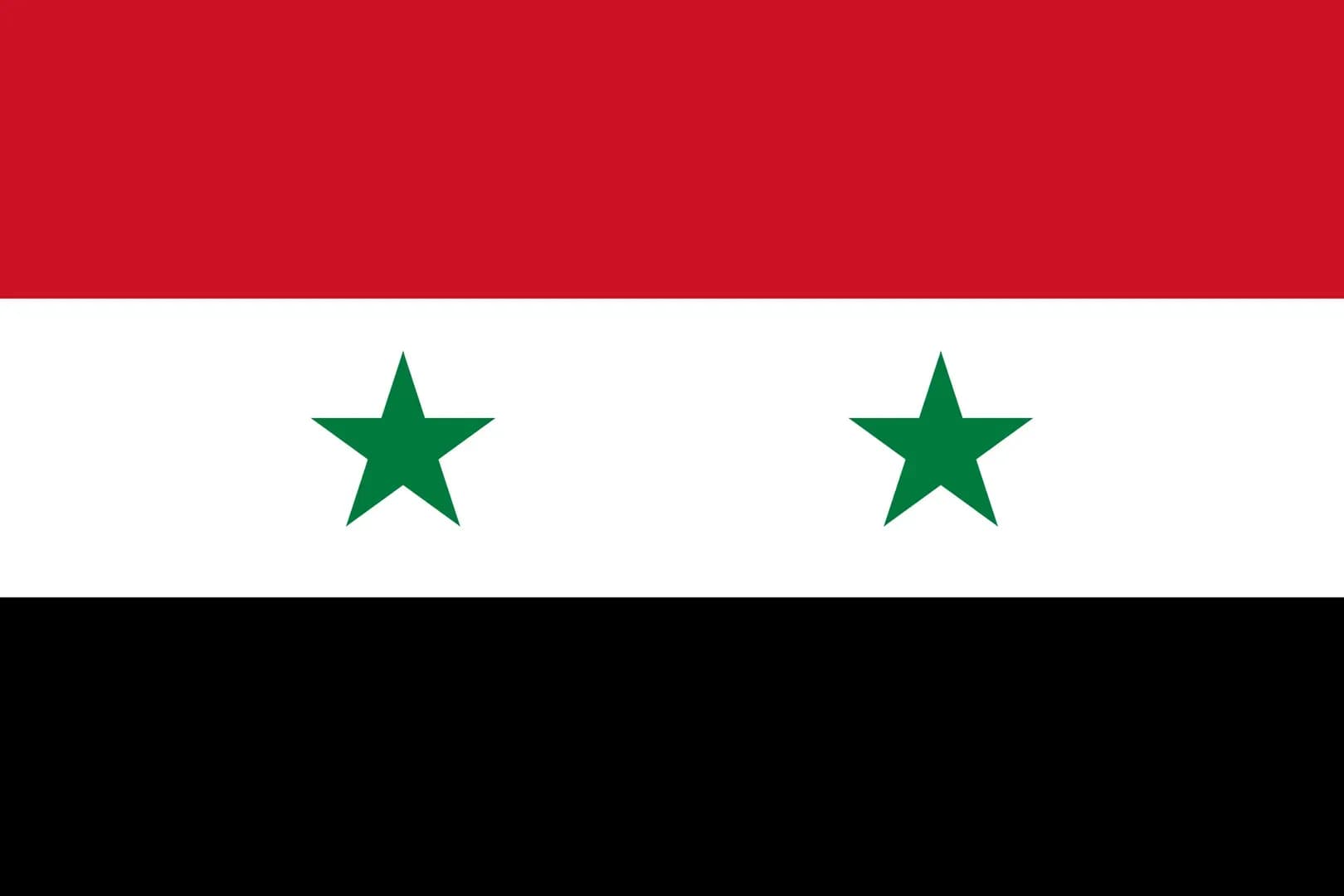 INDEX 24.10.2025, 09:30 Syrian Sovereignty Index (Burke Index), 2024-2025  Share on media IntroductionThis report provides a comprehensive analysis of Syrian sovereignty using the methodology of the Burke Institute. Sovereignty is assessed in 7 areas: political, economic, technological, informational, cultural, cognitive and military. Each aspect is assessed on the basis of official data from international and national sources (UN, World Bank, UNESCO, IMF, ITU, FAO, SIPRI, PISA, etc.) without using politicized indexes. The maximum score in each direction is 100; the sum (up to 700) is the accumulated Sovereignty Index (Burke Index). To adapt and adjust statistical parameters, an international expert survey was conducted for each of the seven components using a single questionnaire of 10 questions with a 10-point scale and one open-ended question. In total, at least 100 experts from 50+ countries were interviewed for each indicator, taking into account geographical representation and specialization. When calculating and analyzing the data, equalizing coefficients were used, bringing all data to a scale of 0-10 points. The final index value is the arithmetic mean between statistical data and expert estimates. Below is an analysis in each area, a final summary table and the main conclusions about the specifics of Syria's sovereignty. Political sovereignty — 12.8Syria is a member of the United Nations, the League of Arab States, the OIC, the WTO, the IMF, part of the START, cooperates with Russia, Iran, Turkey. Limited participation in international economic institutions due to sanctions and conflict. National legislation dominates, and the influence of international law is limited (international institutions are only partially recognized, and gross violations of international humanitarian and criminal law are regularly recorded). Decisions of international courts, including the United Nations, are carried out selectively. High fragmentation remains: despite the political transition of 2024-2025, massive ethnic and religious conflicts (Alawites, Sunnis, Kurds), the risks of a new escalation, 7 million internally displaced persons and a fragile truce. Government Effectiveness is the 15th percentile in the global ranking (2025, World Bank); the quality of public administration is low, institutions are often ineffective in regions outside Damascus. EGDI is extremely low, online services are limited, the digital infrastructure has been destroyed by war, and integration with global platforms is unsystematic. Trust in the new leadership (Ahmad al-Sharaa, elected in December 2024) is average, public fear, fragmentation and weak electoral consensus persist; there is a growing trend of trust in inclusive political reforms, especially among the urban population. Russian (Tartus, Latakia, and air bases), Iranian (advisers/operatives), Turkish (northwest), and American (At-Tanf) military installations and temporary contingents are present on the territory, while foreign operational participation remains. Syria formally participates in the UN, ICC and other courts, but decisions on events (chemical attacks, mass killings, human rights violations) are ignored or disputed; international complaints are sent from emigrants and NGOs, internal integration is minimal. Officially a centralized republic; in fact, there are many autonomous regions (Kurdish regions, Idlib, former enclaves and controlled territories), the central apparatus is weak outside of Damascus. Transparency is low — the security services operate under the control of the President and the Security Council, public and human rights complaints about the lack of judicial and independent oversight are regularly recorded, and meetings on sector reform have so far failed. Control is being strengthened in the context of campaigns against extremists and terrorists. Data completeness assessment: the main indicators are available from international sources, the coverage is 89%. Economic sovereignty — 11.4GDP per capita (PPP) — $4,455 (2022). Gold reserves — about 25.8–26 tons ($2.2 billion, according to market estimates, 2024); foreign exchange reserves — $0.2–0.5 billion. The national debt is in the range of 100-190% of GDP. Syria does not provide itself with basic products — grain, meat, vegetables, sugar — most of them are imported; at least 60% of the population is experiencing food insecurity, and international humanitarian aid is in effect. It is partly an exporter of oil and gas, but imports petroleum products; the infrastructure is destroyed, dependence on Russian, Iranian and Iraqi raw materials and supplies. Oil reserves (about 2.5 billion barrels), gas (240 billion cubic meters), phosphates, ore, salt, marble are significant, but they are only partially used due to sanctions and conflict. Severe shortages, the main source is the Euphrates; less than a third of the infrastructure is functioning properly, and droughts are recorded annually. It is serviced by the Central Bank of Syria, most of the settlements — cash, electronic payments and cards are not common, there are restrictions on currency turnover. The Syrian pound (SYP) dominates within the country, with significant parallel use of the dollar, euro, lira and rial in different regions. The issue and credit policy are completely under the control of the Central Bank; strict currency regulation, frequent restrictions on currency exchange and entry. Data completeness assessment: the main macroeconomic indicators are available from official sources (World Bank, IMF), coverage is 88% Technological sovereignty — 8.2R&D expenditures — less than 0.02–0.05% of GDP. According to open data (2022-2024), Syria is one of the countries with the lowest spending on science in the world. There is practically no import substitution: the vast majority of IT solutions, industrial equipment, and software are imported, and there are no or few innovative developments of their own. Enrollment in higher education in the pre-war period reached about 18-20% of the age group, in the 2020s it decreased to 13-15% due to migration and the destruction of infrastructure. Internet penetration is 46.2% (data for the beginning of 2025), massive outages and sabotage (disruptions throughout the territory) were recorded in March. Syria does not have large digital platforms of its own, some government services operate offline, digitization is fragmented; most national products are portals of ministries and local help systems. Import dependence is almost complete: computers, servers, software, telecom equipment and industrial machinery come from abroad, there is no local production. There are almost no digital public services: the basic level of infrastructure has been restored only in Damascus and major cities, access to online information and records is unstable; there is no mass implementation of e-government. There is no biotechnological autonomy: medicines, test systems, and diagnostic equipment are almost entirely imported from abroad. The sector is almost completely absent; apart from isolated educational demonstrations and developments at universities, only imported robotics solutions are used. There is no in-house production or design — chips, controllers, and microprocessors are purchased abroad, and all microelectronics are imported. Data completeness assessment: key indicators are obtained from WIPO, ITU, UNESCO, which provides 91% coverage. Information sovereignty — 10.2The national CERT is only in its initial stage, the country participates in ITU regional seminars on cybersecurity; basic national standards have been adopted, but a full-fledged infrastructure has not been created. Cyber defense is limited, high-profile failures in 2025. Its own national IXP is not fully operational, Internet traffic is controlled by the state-owned operator Syrian Telecom and foreign providers. The development of networks is hampered by diversions and destruction of infrastructure; import of equipment prevails. All major media (TV, radio, press, Internet) broadcast in Arabic; Kurdish media (Ronah TV, radio stations in Kurdish and Arabic); the state agency SANA introduces broadcasting in English, French, Turkish, and Kurdish. Sustainability is extremely low — YouTube, Meta, Google, Telegram are the main mass platforms; information services depend on foreign solutions. An estimated 40-50% of media content is produced by state-owned TV channels (ORTAS, SANA, Syria TV, Syrian Drama TV) and local stations; the rest are foreign films, TV series, and social networks. National IT products are separate portals of public services, websites of state-owned enterprises, production solutions at enterprises; there is no practical software system sector, only elements for departments and communications. Online public services, digital records, and healthcare services are partially operational in Damascus and major cities, and coverage in the regions is unstable — after sabotage and fighting, coverage is sharply declining. Own data centers and cloud government services are weak, critical databases are stored on physical servers of government agencies; they largely use foreign/leased solutions. Syriatel and MTN Syria remain mobile operators; corporate and equipment are imported, and all infrastructure is imported from abroad and centrally controlled. The basic law on information protection (2018) is in force, formal control: strict censorship, access control, low compliance with international GDPR protocols, there is no actual privacy and protection, special services have access to traffic and stored data. Data completeness assessment: infrastructure indicators are available from ITU, CIRA, OECD, and specialized sources, with 95% coverage. Cultural sovereignty — 56.9There are officially 6 UNESCO World Heritage Sites in Syria: The Old City of Damascus, the Old City of Bosra, the Archaeological sites of Palmyra, the Old City of Aleppo, the Castles of Krak des Chevaliers and Qalat Salah al-Din, the ancient villages of Northern Syria. All facilities are under threat of destruction. The contribution is architecture (Umayyad Mosque, Palmyra, Aleppo Citadel), ancient writing, poetry, centuries-old mosaic art, Arabic literature, national crafts, museum collections, influence on literature and philosophy of the entire Arab world. The Syrian National Symphony Orchestra, the Bravo Prize, prizes in translation and scientific criticism, awards for fine arts, literary competitions and awards for contributions to the preservation of cultural heritage. Muslim (Sunni, Shiite, Alawite), Christian, Armenian, Kurdish, Druze identity, centuries-old family and craft traditions, rich language, oral and written poetry, traditions of receiving guests, national cuisine (meze, tabule, hummus, kebbe). Government support is limited — public and cultural projects for Armenians, Kurds, Christians, and Druze are being nominated. The cultural and educational autonomy of small nations is partial, and there are projects to preserve languages, holidays, and some religious sites. At least 290 important monuments were damaged or destroyed during the war, but there are still hundreds of museums, mosques, ancient ruins, fortified towns, fortresses, bazaars. International exhibitions, museum projects, restoration programs under the auspices of UNESCO, the Hermitage, the French, Russian, German, and Italian sides, new memoranda with the Russian Federation and the EU, and joint concerts with foreign orchestras have been opened. Official recognition includes UNESCO sites, monuments, ancient cities, crafts, Syrian mosaics, music and architectural brands; the Syrian Cultural Heritage Authority is working with Interpol and UNESCO to return artifacts. The national cuisine consists of a large number of cold appetizers (meze, babaganush, mutabal, tabule), hot dishes (fettush, kebbe, shawarma), sweets (baklava, halva, maamul), spices, lamb dishes, fish, vegetables, coffee and tea. It is estimated that at least 30-40% of the urban population regularly participates in religious, cultural, family and historical events (festivals, exhibitions, folk festivals, religious rituals, museums). Data completeness assessment: basic indicators are available in UNESCO and national statistics, coverage is 86%. Cognitive sovereignty — 15.1HDI is 0.564 (data for 2023/25), the “average” level on a global scale, 153-155 place in the world. The share of spending on education ranges from 4 to 5% of GDP (according to open data from UNESCO and the World Bank, in recent years it has been spent in the range of ~4.2–4.6%). Adult literacy is 86.4% (2025); among men — 91.7%, among women — ~81%. The highest level among young people is 96.4%. Syria is not involved in the PISA study, and there are no official global data. In local analogues, most graduates show a level below world standards. The share of STEM graduates (science, technology, mathematics, IT) is 18-20% among university graduates, most of them are concentrated in large cities. About 5-7% of students are involved in foreign programs (online courses, joint educational projects, study abroad), and there are several university agreements with the EU, Russia, Arab countries, and China. The official language is Arabic; large national minorities (Kurds, Armenians, Assyrians, and Turkmens) teach children in local languages, maintain cultural autonomy, and have religious and tribal schools. There are about 6-8 government research institutes in the country (Damascus, Aleppo, Homs, Tartus, Latakia, universities in major cities). National platforms cover less than 20% of all online courses and educational services; most courses and programs are on international platforms. Government programs — scholarships, grants, competitions, teaching awards (coverage is up to 8% of young people, non—mass, support is often limited by the budget and foreign funds). Data completeness assessment: education indicators are available in UNDP, UNESCO, OECD, coverage is 89%. Military sovereignty — 23According to expert estimates, Syria's defense spending is 6-7% of GDP; World Bank structures and profile portals indicate approximately $ 3.2–4 billion (2024-2025). Before the war, more than 325,000 people; after the war, the number of people fell: in 2024-2025, all regular and paramilitary formations — no more than 150-165 thousand people; naval fleet — 4 thousand people. The equipment is based on Soviet and Russian T-55/62/72 tanks, infantry fighting vehicles, armored personnel carriers, rocket artillery, infantry weapons; there are modern Russian systems (S-300/S-400, Su-30SM, Su-34, Mi-28N, Ka-52, Kornet). The main aircraft are Soviet/Russian fighter jets and helicopters. Almost all weapons are imported — historically from the USSR/Russia; local production — assembly of single ammunition and repair of equipment, own defense industry is minimal. Formally the army and the Ministry of Internal Affairs, in fact, control over the borders is partial: the Syrian-Turkish, Israeli, Lebanese, and Iraqi borders are controlled by various forces (the army, Kurds, and rebels), and there is a periodic loss of control. The mobilization reserve consists of more than 250,000 people, based on conscription and volunteer formations; the National Defense Forces and volunteer battalions operate in controlled territories. Autonomy is limited by external influence — Russian and Iranian military support is in effect, military decisions are coordinated with allies, and foreign advisers and bases are present. Small national sector: enterprises for the repair, partial assembly of weapons, production of ammunition and primitive means; there is no large industry. Syria does not have nuclear weapons, officially the country does not possess warheads and does not conduct a nuclear militarization program. There are no military satellites of their own, foreign intelligence services (Russia, Iran) are used; national intelligence services operate according to classical schemes, with a strong presence of operational units, electronic intelligence is limited by Russian supplies. All parameters are reflected in the annual reports of SIPRI, UNODA, the Ministry of Defense, the official portals of state-owned companies (Embraer, IMBEL) and industry databases of UN/NGO - 91% coverage Final Summary Table
The main conclusionsStrengths. Cultural and heritage: Syria has an outstanding civilizational capital — 6 UNESCO sites, ancient monuments, contributions to ancient and Arab culture, developed crafts, architectural and culinary traditions. National resilience and patriotism: The Syrian society demonstrates unity in the face of numerous external threats, has extensive experience in surviving war and sanctions, and retains strong family and ethno-confessional ties. High literacy and educational potential: Despite the crisis, adult literacy exceeds 86%, and higher education enrollment is about 13-15%. Its own army and mobilization reserve: Syria has retained large regular armed forces, a significant reserve, as well as guerrilla and asymmetric defense capabilities. Extensive HR experience in crisis management: Expertise in conflict management, foreign policy, humanitarian logistics, and cooperation with international institutions has grown. Significant natural and raw material resources: Significant reserves of oil, gas, phosphates and other minerals are the basis for long-term stabilization potential. Weaknesses. Deep political and territorial fragmentation: The country is divided into enclaves, control is lost over most of the borders, parallel authorities, regular ethno-religious conflicts. Limited economic and financial sovereignty: GDP per capita is $4,455, the national debt is 100-190% of GDP, almost complete dependence on imports of food, equipment and IT equipment, and an acute shortage of foreign exchange reserves. Weak technological and digital autonomy: Spending on R&D (0.02–0.05% of GDP), practically no national IT platforms, digitalization of public services is minimal, high import dependence in all sectors. The scientific and innovation sector is minimal: there are few national research centers in basic sciences, the share of STEM graduates is below the regional standard, and educational platforms are mostly foreign. Limited autonomy of military policy: The implementation of defense decisions is consistent with foreign allies (Russia, Iran), almost all modern equipment is purchased from abroad. Low transparency and control of special services: The increased role of intelligence and special services, the formal regime of personal data, low accountability and independent supervision are practically absent. Limited government support for small nations: Actual support for ethnic and cultural minorities and languages is fragmented and depends on the situation in the regions. Overall assessment. The cumulative Syrian sovereignty Index is 137.6 out of 700 possible points (Extremely low — 19.7%), which places the country in the 192nd place in the world top. By 2025, Syria is a country with a powerful historical and cultural capital, a high basic educational level and a complex system of survival in conditions of extreme internal and external pressure. Weaknesses are determined primarily by political and territorial divisions, economic and technological dependence, lagging innovation and lack of institutional transparency — all of which are reinforced by international constraints and war fatigue. The future of development will directly depend on the speed and depth of national dialogue, the rejection of fragmented governance and the attraction of external investment and technology. The sovereignty profile indicates that the sovereignty of Syria in 2025 is based on a strong cultural identity and high mobilization of society, but is subject to strong external influence, internal division and economic/technological vulnerability. Formal institutional transition (new constitution, national dialogue, structural reforms) The country has not yet fully reintegrated, and the crisis in resources and infrastructure, the failures of digital policy, and dependence on allies continue to limit self-government. Progress depends on political compromise and large-scale reconstruction programs. | ||||||||||||||||||