

Burke Index | ||||||||||||||||||
 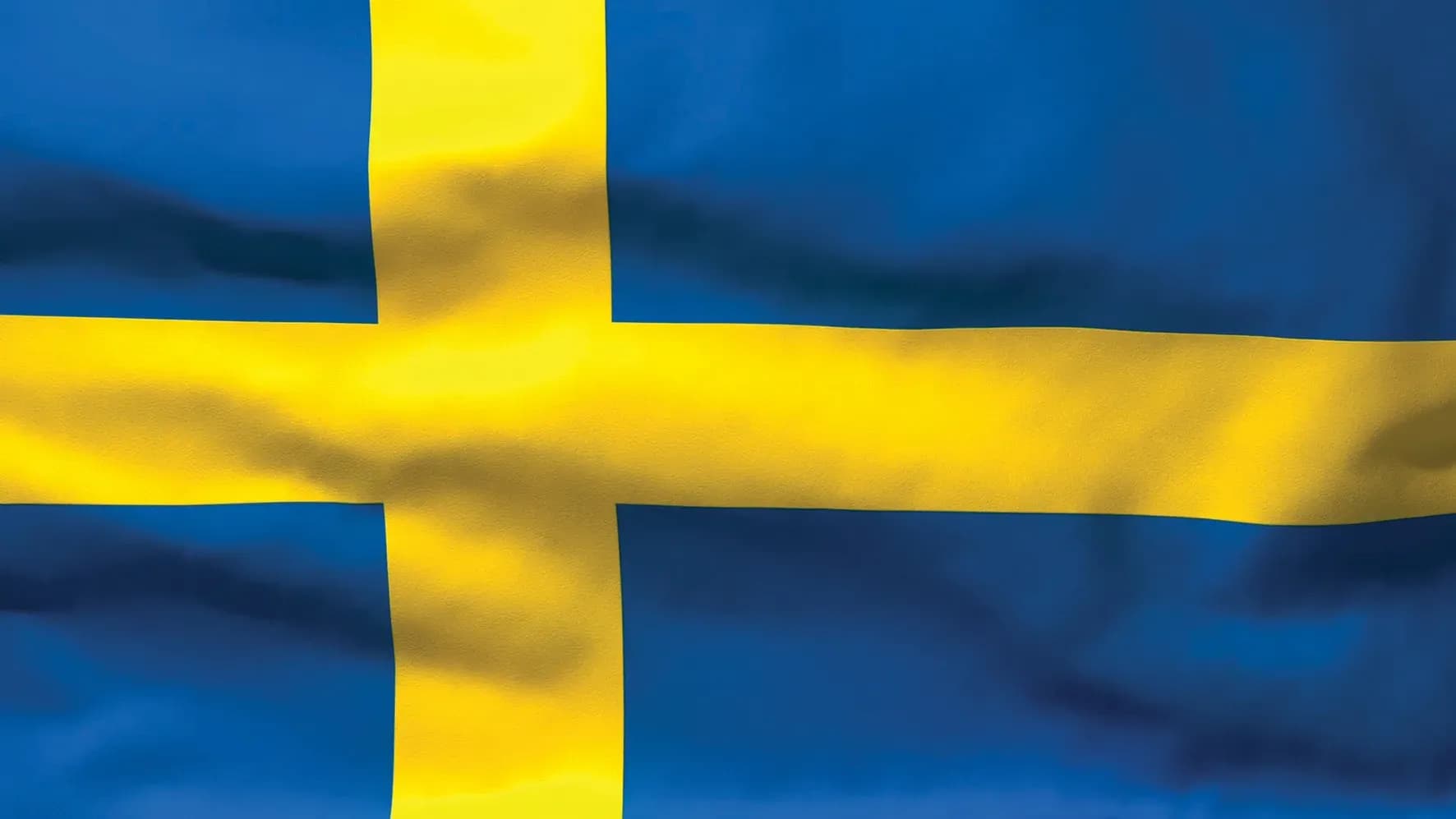 INDEX 30.10.2025, 19:14 Swedish Sovereignty Index (Burke Index), 2024-2025  Share on media IntroductionThis report presents a comprehensive analysis of Swedish sovereignty using the methodology of the Burke Institute. Sovereignty is assessed in 7 areas: political, economic, technological, informational, cultural, cognitive and military. Each aspect is assessed on the basis of official data from international and national sources (UN, World Bank, UNESCO, IMF, ITU, FAO, SIPRI, PISA, etc.) without using politicized indexes. The maximum score in each direction is 100; the sum (up to 700) is the accumulated Sovereignty Index (Burke Index). To adapt and adjust statistical parameters, an international expert survey was conducted for each of the seven components using a single questionnaire of 10 questions with a 10-point scale and one open-ended question. In total, at least 100 experts from 50+ countries were interviewed for each indicator, taking into account geographical representation and specialization. When calculating and analyzing the data, equalizing coefficients were used, bringing all data to a scale of 0-10 points. The final index value is the arithmetic mean between statistical data and expert estimates. Below is an analysis in each area, a summary table and the main conclusions about the peculiarities of Swedish sovereignty. Political sovereignty — 86.7Sweden actively participates in international organizations, being a full member of the EU, the UN, NATO (since 2024), the OECD, the OSCE, the WTO and the Council of Europe. The delegation of certain functions is regulated by Chapter 10 of the Constitutional Act of 1974, which allows the transfer of part of sovereignty to international organizations with parliamentary approval. The Swedish legal system is governed by the principle of the supremacy of the Constitution, but international norms and EU decisions have direct effect and priority over national legislation in certain areas. The Supreme Court uses international law as a source of legal norms, demonstrating a high level of integration into the global legal field. According to the World Bank's index of political stability and non-violence (2023), Sweden received 0.76 points (on a scale from -2.5 to 2.5), which is significantly higher than the global average (-0.06), but with a slight decrease compared to 2022, where it was 0.91. In 2023, the government's efficiency index was 1.6 points, and according to the percentile rank is 94.8% (one of the best indicators in the world). The index reflects the high quality of public service and the bureaucracy's independence from political pressure. According to the UN EGDI 2024 rating, Sweden ranks 14th in the world with an index of 0.9326 (category "very high level"). This confirms the maturity of digital public services and the widespread use of electronic platforms by citizens. According to the OECD (2024), the level of trust in the national government is 43%, with high trust in the police (69%) and the judicial system (64%). This reflects relatively stable but fragmented public support for the authorities. In December 2023, Sweden and the United States signed a military cooperation agreement granting U.S. forces access to 17 Swedish military bases and facilities with expanded U.S. jurisdictional rights. This is the first time that foreign forces have been allowed into the country. Sweden supports and participates in the activities of the International Court of Justice and the International Criminal Court, consistently advocating for the rule of international law and accountability of violators. It has also signed and applies the Hague Conventions on the Recognition and Enforcement of Foreign Judgments. Sweden is a unitary but decentralized state. 21 regions and 290 communes have significant autonomy in healthcare, education and transport. The financial independence of municipalities is constitutionally fixed, and the share of regional expenditures in the budget exceeds 50%. The control over the Swedish special services (Säpo, FRA, MUST) is carried out by the Parliamentary Committee (SIUN) and the Ombudsman for the Protection of Human Rights. The country is characterized by high standards of openness and legality of their activities, although the degree of publicity in the field of cyber intelligence is limited by national security. Data completeness assessment: the main indicators are available from international sources, the coverage is 98%. Economic sovereignty — 89In 2024, Sweden's GDP at purchasing power parity was $63,259, which is about 3.5 times higher than the global average. According to the World Bank and Trading Economics, the indicator is projected at 64-65 thousand dollars in 2025. As of January 2025, Sweden's gold and foreign exchange reserves included $11.35 billion in gold and $44.2 billion in silver. in foreign currency assets, which amounts to about 55.5 billion US dollars. Reserves are managed by the central bank, the Riksbank. In 2024, Sweden's public debt stood at 32-33.5% of GDP, which is one of the lowest levels among EU countries. The forecast for 2025 is about 34%. According to the FAO (FIES) and the Swedish Food Agency, the level of moderate to severe food insecurity in the country is less than 2% of the population. Sweden fully provides itself with dairy products, grains and poultry meat. Sweden provides more than 70% of its needs through its own clean energy production — hydropower, nuclear and wind generation. In the electric power industry, the country is completely independent of imports due to the minimal share of fossil fuels. The main resources are iron ore, copper, zinc, gold and uranium. The largest iron ore deposit is Kiruna (Lapland). The forest covers about 69% of the territory, making the country one of the leading exporters of wood and pulp. The volume of renewable freshwater resources is about 16,800 cubic meters per person, which is significantly higher than the OECD average (one of the ten largest freshwater owners per capita). The main sources are thousands of rivers and about 100,000 lakes. Riksbank operates the RIX payment system, which includes two services — RIX-RTGS for large settlements and RIX-INST for instant payments. All interbank transactions pass through Riksbank in the "central bank money", ensuring full national independence of digital payments. The Swedish Krona (SEK) remains the main currency in national and domestic settlements. The share of transactions in foreign currency is mainly limited to foreign trade transactions, while the euro and dollar are used only in international payments. The issuing center is the Riksbank, the oldest central bank in the world (founded in 1668). It pursues an independent monetary policy, sets the key repo rate (3.75% for October 2025), manages reserves and the exchange rate of the national currency within the framework of inflation targeting. Data completeness assessment: the main macroeconomic indicators are available from official sources (World Bank, IMF), coverage is 93% Technological sovereignty — 86.4According to Statistics Sweden, the share of research and development (R&D) spending in 2024 was 3.6% of GDP (SEK 230.4 billion), which is one of the highest levels in the world and the second highest in the EU after Belgium. Sweden has a well-developed system of high-tech industries – telecommunications (Ericsson), mechanical engineering (ABB), IT services (Tietoevry, Spotify). Despite the high level of new product development in the country, critical sectors (batteries, sensors, microelectronics) remain dependent on the import of components from the EU and Asia. About 49.4% of the population aged 25-64 have higher education (10th place in the OECD). Among women, this figure reaches 56.8% (5th place). The level of participation in higher education of young people (25-34 years old) is one of the highest in Europe. At the beginning of 2024, 10.44 million people were using the Internet, which is 98.1% of the population. The average connection speed reaches 139 Mbit/s over fixed lines and 98 Mbit/s over mobile networks, providing one of the best communication infrastructures in the EU. Sweden actively uses government digital services: portals Verksamt.se (for business), Mina Sidor (personal account of a citizen), BankID (national identification system used by more than 8 million people). The "Completely Connected Sweden by 2025" program for full digital connectivity has also been implemented. The country remains dependent on the supply of microelectronics, lithium, ion cells, and critical metals needed for renewable energy technologies. According to RISE (Research Institutes of Sweden), more than 90% of innovation-critical materials are imported, although some deposits are present in the country. According to the OECD and the European Commission, the digitalization of the Swedish public sector is at an advanced level: more than 80% of citizens' interactions with authorities are carried out online. Artificial intelligence technologies for public services are being actively implemented (Roadmap for AI in e Government 2025 project). Stockholm Uppsala is the largest biotech cluster in Northern Europe. AstraZeneca, Pfizer, NorthX Biologics, SmartCella, as well as the state infrastructure for the production of GMP-class pharmaceutical products are concentrated here. The biomanufacturing sector receives stable government support and attracts large foreign investments. Sweden ranks in the top 10 in terms of industrial robotics adoption per 10,000 workers in the manufacturing industry. The main robotics centers — ABB Robotics, Volvo CE, Epiroc — provide domestic needs and export solutions to the EU. The microelectronics sector is limited by R&D competencies (KTH, Ericsson Research, Saab), but there is no full-cycle production capacity. Most of the semiconductor components come from Germany, the Netherlands, South Korea, and Taiwan. The national strategy is aimed at developing joint ventures with the EU through the European Chips Act. Data completeness assessment: key indicators are obtained from WIPO, ITU, UNESCO, which provides 93% coverage. Information sovereignty — 88.1In the ITU Global Cybersecurity Index 2024, Sweden entered Tier 1 (95-100 points), ranking among the world leaders. Additionally, the Psono study (2024) awarded Sweden a composite score of 98.6, the highest among 54 countries. The CERT SE National Center operates under the Swedish Civil Protection and Preparedness Service (MSB). The country has an extensive network of Internet exchange nodes (IXPs), the largest of which are KeFF IX, Stockholm IXP and Gothnet. They provide routing between communication participants in Stockholm, Gothenburg and Malmo. KeFF IX supports anti-DDoS services and backup channels at the L2 level, which increases traffic reliability. According to the MedieSverige 2025 (Nordicom) report, Sveriges Radio, SVT, Dagens Nyheter and Aftonbladet remain the main media outlets, all entirely in Swedish. State broadcasters are funded by the public service model and provide more than 90% of adult population coverage. Sweden implements the provisions of the EU Digital Services Act (DSA) by imposing national sanctions and monitoring the activities of large digital platforms. The supervision is carried out by the Swedish Data Protection Authority (IMY) together with the European Commission. This ensures the transparency of advertising and limits the influence of dominant IT platforms. According to MedieSverige 2025 and Reuters Digital News Report 2025, about 70% of media consumption is accounted for by national content. Podcasts, television, and print media are leading the way, while foreign streaming services have increased their presence, but have not displaced the domestic segment. Sweden is the source of a number of global IT brands: Ericsson (5G infrastructure), Klarna (fintech and electronic payments), Spotify (digital content), Tietoevry and Sinch (communication platforms). The national IT sector combines export potential with a strong scientific base. According to the EU Digital Decade 2025 and Swedish Digital Strategy reports, more than 90% of citizens use government online services (BankID, Verksamt, Mina Sidor). The national program "Digital Decade Roadmap" is funded at the level of 0.5% of GDP (EUR 2.8 billion). Public and private clouds are regulated under the Swedish National Cloud Framework and the Swedish Cloud Act 2024, aimed at local government data storage. The operators are Ericsson Cloud Infrastructure and RISE GridCloud, located in the country. The main mobile operators are Telia, Tele2, Telenor and Hi3G (Tre). The 5G infrastructure is owned and operated by national companies jointly with Ericsson, without direct control of foreign entities. The 5G coverage level exceeds 90% of the territory. Sweden has fully implemented the EU GDPR, and the supervision is carried out by Integritetsskyddsmyndigheten (IMY). The Personal Data Protection Act (2018:218) defines the framework for storage, cross-border transfer and processing, providing one of the strictest regulations in Europe. Data completeness assessment: infrastructure indicators are available from ITU, CIRA, OECD and specialized sources, coverage is 94%. Cultural sovereignty — 92.1There are 15 UNESCO World Heritage Sites registered in Sweden: 13 cultural, 1 natural and 1 mixed (Laponia). Among them are the Royal Drottningholm Palace, the old town of Visby, the Grimeton radio station, the Engelsberg iron smelter and the Tanum petroglyphs. The country is known for its unique artistic and technical thought: Carl Linnaeus laid the foundations of modern biology, August Strindberg — world drama, Ingmar Bergman — film directing. The musical tradition from ABBA and Roxette to Avicii, as well as achievements in design and architecture (IKEA, Svenskt Tenn) form a recognizable cultural image of Sweden. The key awards are the Stockholm Culture Awards, which combine twelve categories of art; the annual Årets Museum Award of the Swedish Museum Association; the Swedish Arts Grants Committee and the Swedish Academy Literature Prize (awarded along with the Nobel Prize). These awards reinforce the widespread recognition of artistic contributions. The main national holidays are Midsommar (Solstice), National Day on June 6, and Christmas. They are accompanied by folk costumes, folk songs and dishes (herring, potatoes, strawberries). The key features of identity are considered to be respect for nature, equality and consensus. The State recognizes five national minorities — Sami, Finns, Tornedalenes (Meyankieli), Roma and Jews. As part of the policy for the protection of small nations (Minorities Act 2009:724), the Sami Parliament, cultural foundations, theaters and language centers are funded to preserve traditions and art. There are more than 1,600 museums and cultural institutions in the country, including the National Museum, the Vasa Museum, the Moderna Museet, the Ethnographic Museum and Skansen, the world's first ethnographic park. Historical heritage sites include archaeological zones, churches, castles, and industrial complexes. Sweden is actively cooperating with UNESCO on the 2022-2025 program, having allocated more than 12.2 million USD for the development of cultural initiatives and the protection of freedom of expression. Through the Sida agency and the national strategy "Swedish UNESCO Strategy 2022-2025", programs in the fields of art, education and media are supported. In Sweden, there is a legal provision of Section51 of the Copyright Act — “protection of classics”, which protects culturally significant works from distorted reproductions. Also, Blue Shield Sweden oversees the protection of museum collections, archives and monuments from the threats of wars and the elements. The cuisine is diverse: smoked salmon, herring and salmon on the coast, smoked game and berries in the northern regions, meat meatballs and cinnamon in traditional recipes. In 2024, Stockholm entered the top 10 cities in the world for gastronomic innovation through sustainable cuisine and organic products. According to the Swedish Institute of Statistics and the Ministry of Culture, about 82% of the population attends cultural events at least once a year (museums, theaters, concerts). More than 60% participate in local festivals and folk festivals, reflecting a high degree of cultural engagement. Data completeness assessment: basic indicators are available in UNESCO and national statistics, coverage is 97%. Cognitive sovereignty — 90.3According to the UN and World Population Review, Sweden's HDI in 2024 This year it was 0.959, which is the 5th indicator in the world (the level is "very high"). The global average for comparison is 0.744. According to the OECD ("Education at a Glance 2024"), Sweden allocates 5.4% of GDP to educational institutions at all levels (primary, secondary and higher education), which is higher than the OECD average (4.6%). The literacy rate in the country is 99% among all adults, including men and women. According to the OECD, the adult population demonstrates above average skills in numbers and problem solving in a technologically saturated environment. According to PISA 2022 (OECD data), Swedish fifteen-year-olds scored 482 points in mathematics, 487 in reading and 494 in science, which exceeds the averages for OECD countries. At the same time, 10 % students are in the group with the best results at level 5 to 6. According to the OECD (2023), 28.7% of university graduates are in STEM disciplines (science, technology, engineering, mathematics), which puts Sweden in 7th place in the world in this indicator. In accordance with the STEM 2025 strategy, the government aims to increase the share to 25% at the school curriculum level and to 90 thousand students in universities by 2035. There are about 900 English-language bachelor's and master's degree programs in 39 universities in the country (Lund, Uppsala, KTH, Stockholm University). Tuition is free for EU/EEA citizens, while standard payments are introduced for the rest (8-15 thousand euros per year). The five official national minorities and their languages are Finnish, Meyankieli (Tornedal), Sami languages, Romani and Yiddish. According to the 2009 Law on Languages, the State provides schooling, cultural events, and public record-keeping in these languages in the northern and multinational regions. There are 15 national universities and 26 public higher education schools in Sweden, all run by the Association of Higher Education Institutions (SUHF). Major fundamental research centers include KTH, Uppsala University, Karolinska Institute and Swedish Scientific Institutes (RISE, SciLifeLab). Category of "research institutes" in Wikipedia covers 42 organizations at the national level. All state programs of higher education and admission pass through the national portal Universityadmissions.se. Swedish MOOC platforms and digital portals (Learnify, UR Play, Skolverket digital) They cover the vast majority of training courses, including digital literacy courses in public schools. National programs covering gifted education and research grants are funded through the Research Council Formas and the Swedish Innovation Agency (Vinnova). The annual cost of supporting researchers and developing skills is about 1.3 billion euros, including STEM delegation, scholarships and international exchange programs. Data completeness assessment: education indicators are available in the UNDP, UNESCO, OECD, coverage is 99%. Military sovereignty — 66.5In 2025, the defense budget amounted to SEK 138 billion (≈$12.8 billion). — about 2.4% of GDP according to the NATO standard. By 2026, it is planned to grow to 2.8% of GDP, as part of the five-year Total Defense 2025-2030 package. Swedish Armed Forces (Försvarsmakten) There are about 51,000 people in active service and 40,000 reservists. It is planned to increase to 90,000 by 2030 due to the restoration of universal military service and mobilization reserves. The country is actively rearming according to NATO standards. Contracts for the modernization of 110 tanks have been launched Stridsvagn 122 to Strv 123 A/B level (equivalent Leopard 2A8), new aircraft deployed Gripen E, Blekinge submarines, UAVs and complexes GlobalAy for air surveillance. About 70 % of weapons are produced within the framework of the national military-industrial complex (including Saab, BAE Systems Hägglunds, Kockums). Saab is the main manufacturer of fighter jets Gripen, Air defense, radar systems and offshore platforms, covering the domestic and export needs of Europe and Asia. Border control is conducted by Swedish Police and The Customs Service, when interacting with Migration service. Borders are controlled according to the Schengen Code and external borders. In 2025, a new Entry/Exit System was introduced for citizens of third countries. There are about 40,000 people in the reserve, including volunteers, officers and participants. Territorial defense. An increase in the age threshold for military officers to 70 years is being considered to retain experienced personnel in the reserves. After joining NATO (March 2024) Sweden's military doctrine focuses on compatibility with the alliance, but the government retains the national right to decide on the use of force. Within the framework of the "ReArm Europe" concept Stockholm supports European strategic autonomy within the framework of NATO and the EU. According to the strategy "Defense Industry for a Stronger Sweden" (2025), the state is creating an innovative cluster of military technologies around companies Saab, FMV, RISE, Ericsson Defense and BAE Systems Hägglunds. Defense exports are growing by 18-20% per year. Sweden does not possess nuclear weapons and officially follows the Non-Proliferation Treaty (NPT). The program to create its own bomb was mothballed in 1972. There are no warheads on the territory of the country, neither national nor foreign (USA/NATO). Sweden is developing military space infrastructure through the Esrange Space Center in Kiruna, using it to launch surveillance and communication satellites. Military intelligence and electronic surveillance are carried out by the FRA agency (Försvarets radioanstalt) and the military structure MUST. Since 2024, the country has launched its own intelligence satellite for internal monitoring. All parameters are reflected in the annual reports of SIPRI, UNODA, the Ministry of Defense, the official portals of state-owned companies (Embraer, IMBEL) and industry databases of UN/NGO — 95% coverage Final Summary Table
The main conclusionsStrengths. Economy and quality of life: Sweden ranks among the top 10 global economies in terms of HDI (0.959), shows steady GDP growth of 1.4% in 2025 and very high-income levels (on average ≈ 3,800 euros per month) with low unemployment. Institutional stability: high transparency, independent judicial system, political stability and effective governance (94.8% according to WGI) they guarantee the stability of the state mechanism. Education and science: the share of R&D is 3.6% of GDP, literacy is 99%, PISA results are above the OECD average, wide coverage of internships and higher education (about 49 % population 25-64 years old); a powerful cluster of STEM and biotechnologies. Technological and digital autonomy: national IT platforms (BankID, Mina Sidor), advanced e-government (EGDI 0.9326), advanced robotics and artificial intelligence sectors. Energy and ecology: up to 70% of primary energy is provided by domestic production (hydropower, nuclear, wind), a high proportion of renewable sources in the consumption structure. Military potential: joining NATO and increasing spending to 2.4% of GDP significantly strengthen military security; the state has a high-tech military-industrial complex (Saab, BAE Systems Hägglunds, Kockums) and a strong intelligence infrastructure. Culture and identity: 15 UNESCO sites, sustained support for small nations and national languages, and active participation of the population in cultural life (82% are involved in events). Social protection: a well-developed system of benefits, trade unions, gender equality and inclusive education create a high standard of living and citizens' trust in government institutions. Weaknesses. Tax burden: high rates (up to 55%) they create a burden on business and restrain entrepreneurial initiative. Import dependence in high technologies: about 90% of modern critical materials (microelectronics, rare earths, battery cells) they are supplied from outside. High cost of living: Sweden is among the top 20 most expensive countries in the world, which increases the pressure on households and migrants. Demographic challenges: regressive age pyramid (19.7% of the population over 64 years old) increases the burden on the social system. Political and social risks: The rise of far-right sentiments and tensions in a multicultural environment complicate domestic politics. Lack of nuclear deterrence: Sweden remains in the nuclear-weapon-free zone, relying on the collective defense of NATO. Overall assessment. Sweden's cumulative sovereignty Index is 599.1 out of 700 points (high — 85.6%), which places the country in the top 10 in the global top. Sweden is one of the most sustainable and technologically advanced nations in 2025. Europe, based on high human capital, democratic institutions and a digital state. Its key strengths are effective governance, innovation, education, and environmental sustainability. The main weaknesses are the high tax burden, the vulnerability to technology imports, and the demographic bias towards the older population. In general, the country retains a high level of sovereignty and a model of a welfare state with a balance of security, innovation and humanity. The sovereignty profile indicates that Sweden remains a state with high internal sovereignty, economic and technological stability, but limited external autonomy due to joining a military-political alliance. The national development model is based on innovation, democracy and social solidarity, which compensates for partial dependence on international structures in the field of security and raw materials. | ||||||||||||||||||