

Burke Index | ||||||||||||||||||
 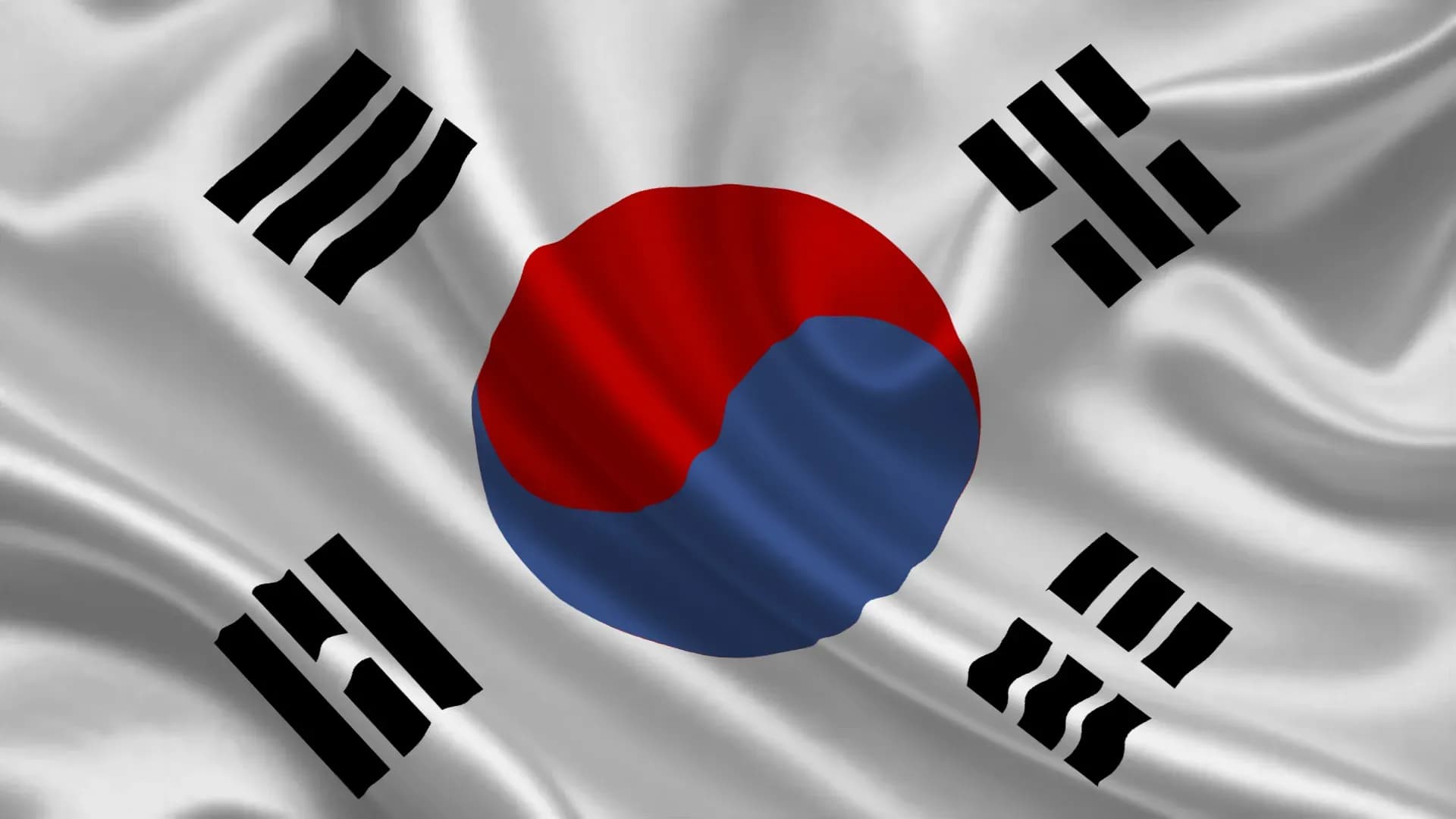 INDEX 30.10.2025, 19:27 South Korea Sovereignty Index (Burke Index), 2024-2025  Share on media IntroductionThis report provides a comprehensive analysis of South Korea's sovereignty using the methodology of the Burke Institute. Sovereignty is assessed in 7 areas: political, economic, technological, informational, cultural, cognitive and military. Each aspect is assessed on the basis of official data from international and national sources (UN, World Bank, UNESCO, IMF, ITU, FAO, SIPRI, PISA, etc.) without using politicized indexes. The maximum score in each direction is 100; the sum (up to 700) is the accumulated Sovereignty Index (Burke Index). To adapt and adjust statistical parameters, an international expert survey was conducted for each of the seven components using a single questionnaire of 10 questions with a 10-point scale and one open-ended question. In total, at least 100 experts from 50+ countries were interviewed for each indicator, taking into account geographical representation and specialization. When calculating and analyzing the data, equalizing coefficients were used, bringing all data to a scale of 0-10 points. The final index value is the arithmetic mean between statistical data and expert estimates. Below is an analysis in each area, a summary table and the main conclusions about the specifics of South Korean sovereignty. Political sovereignty — 74.2South Korea hosts US military bases: the largest is Camp Humphreys (≈3,500 acres, up to 28,500 US troops), plus Osan, Kunsan, Daegu, Yongsan Garrison and several others. All facilities are used on the basis of the SOFA agreement; ownership of the land remains with the South Korean state, no rent is charged. South Korea is a dualistic system: international treaties are valid after being ratified by Parliament and implemented into national law; the constitution prevails, and international norms can be overturned by a court if they contradict the Constitution. The WGI Political Stability Index for 2023 is 0.61 (scale -2.5...+2.5). This is above the global average, and Korea is among the stable developed countries. Government Effectiveness according to WGI — 1.40 (scale -2.5...+2.5) and 90.6 percentile — Korea is among the top 10% of the most effective governments in the world. In 2024, Korea ranks 5th in the world in the UN EGDI ranking; it is still one of the three leaders of the digital state, despite the decline in infrastructure and corporate indicators. In August 2025, President Lee Jae-Myung has 48-64% approval (according to Realmeter and other polls; the rating varies depending on events and regions). In June-July, the support level exceeded 60%, by August it had dropped below 50% due to local crises and political protests. Korea is an active participant in the United Nations, G20, WTO, OECD, ASEAN+3, APEC, East Asia Summit, the International Monetary Fund, a global partner of NATO, many UN agencies (UNESCO, ICAO, ILO, WHO, IAEA), etc. All key decisions are made only after an internal approval procedure. Korea actively participates in the work of the ICC, ICTY, ITLOS, and in international courts (a number of national judges are part of the institutions), but the jurisdiction of international courts and decisions is valid only after recognition or implementation in Korea. Korea is a unitary state with decentralization at the provincial and city levels, and municipal councils; all major political and strategic decisions are made by the central government, but budgets and day—to-day management are distributed locally. The National Intelligence Service (NIS) and the Security Service (police) are subject to legislative control and the President. Since 2023, a parliamentary committee for the supervision of special services has been introduced, the powers of prosecutors have been expanded, and the law on public reporting is in force, but real transparency is limited, and a number of decisions remain closed. Data completeness assessment: the main indicators are available from international sources, the coverage is 92%. Economic sovereignty — 84.2GDP per capita at purchasing power parity (PPP) ranges from $50,800 to $65,100 in 2025 (depends on the calculation method: World Bank/IMF/TradingEconomics/Wikipedia). Gold and foreign exchange reserves amount to $410-411 billion (June–July 2025), 7.6 months of imports; they are among the top 10 global reserves. Government debt is 45.7% of GDP (September 2024, CEIC Data) according to the center, according to the IMF — up to 54.5% of GDP, taking into account quasi-government (IMF, May 2025). South Korea is stable in terms of food security, but imports more than 60% of food (the main imported items are grain and oilseeds); the official index is high, but among developed countries the country remains one of the most dependent on external supplies. The country imports more than 98% of its energy resources. Imports of oil, gas, and coal cover domestic demand; nuclear power (30% of generation) and hydro/solar (10% in total) are developed. There is no self-sufficiency in key energy sources, but a high level of energy security is achieved through the diversification of supplies and reserves. Main reserves: 17.3 billion tons of non-metallic resources (including 13.8 billion tons of lime), 1.33 billion tons of coal, less than 1 million tons of uranium (development is prohibited). Industrial reserves of copper, gold, iron, and zinc are limited, and the country depends on imports for most items. The volume of surface runoff is about 62 km3/year, groundwater — 13.3 km3/year; storage infrastructure — more than 21 billion m3 (17,318 dams/reservoirs; 2020), however, water stress is of medium level, regular replenishment is required due to seasonal precipitation. In 2025, mobile/digital payment systems will reach 98% of the adult population. The largest players are KakaoPay, NaverPay, Samsung Pay, ZeroPay, BC Card. The infrastructure is national, under the control of Bank of Korea and FSC. Within the country, 100% of transactions are conducted in Korean won. In foreign trade settlements, the share is growing — SWIFT: KRW's share in global payments in August 2025-2.7% (16th-17th place), however, most of the imports /exports are paid in dollars and yuan. The Bank of Korea (Bank of Korea, BOK) implements the issue and credit/monetary policy of the country, sets the key rate (3.5% for August 2025); BOK is completely independent, focused on inflation targeting and currency stability. Data completeness assessment: the main macroeconomic indicators are available from official sources (World Bank, IMF), coverage is 95%. Technological sovereignty — 86.2South Korea is the world leader: 5.21% of GDP is devoted to R&D (2022-2023), the forecast for 2025 is up to 5.3–5.4%. The country produces more than 65% of local hi-tech components (cars, consumer electronics, LCD, smartphones, household robotics), but in microelectronics, dependence on foreign architectures remains high (ARM, R&D are national, mass production is moderately autonomous). Higher education enrollment and secondary school completion among the 25+ population: 86.5–89.6%, one of the highest rates in the world. At the beginning of 2025, 97.4% of South Korea's population uses the Internet — that's 50.4 million people, one of the highest rates globally. The largest: K-government (a single portal of public services), KakaoTalk, Naver, Samsung Pay, ZeroPay, EGOV (a single platform for medicine, taxes, education). All platforms are fully national, controlled by the Ministry of Communications and the Bank of Korea. Imports in strategic segments (microelectronics, biotech, R&D): up to 40-50% of key components (photolithography, precision machines, complex chips) are imported from the USA/Japan/EU. South Korea is a world leader, ranked in the top 5 on the UN EGDI index. Public services, passport, taxes, medicine, education, judicial system — 90%+ are available online, a national digital identifier has been introduced, services with artificial intelligence. In biotechnology, Korea focuses on its own production: CDMO, pharma, diagnostics, and gene therapy are the goal: to cover up to 85% of needs with national solutions by 2032, but the dependence on raw materials and basic materials is about 30%. South Korea is the third robotics market after Japan and Germany, with assembly autonomy of up to 60-70% (full line: Hyundai Robotics, LG, Samsung, Doosan). Sensors, software, and control chips are imported from the USA/EU/Japan. Samsung and SK hynix are global leaders; the share of their own DRAM/Flash production is more than 90%, however, architectures for CPU/GPU (ARM, x86, RISC-V) are not proprietary, lithography (EUV) is imported, and autonomy is 60-65%. Data completeness assessment: key indicators are obtained from WIPO, ITU, UNESCO, which provides 86% coverage. Information sovereignty — 83South Korea is a world leader: it is among the top 5 cybersecurity countries in the ITU Global Cybersecurity Index 2024-2025, has a "perfect score" (100/100) and is in Tier 1 (the best countries). A national CERT (KISA) is in effect, and a National Cybersecurity Strategy has been implemented with NSO coordination. In 2025, there are 6 large IXPs operating in the country (KTIX, DIX, SKBIX, KINX, etc.) with a combined exchange capacity of thousands of Gbit/s, which ensures internal network sovereignty and high-speed traffic exchange. More than 98% of all television, radio, and online resources are in Korean, including public and private TV channels, news agencies, and major Internet platforms. South Korea has introduced strict competition laws: the Platform Competition Promotion Act (analogous to the EU DMA) is in effect, ex ante and ex post rules are being introduced for large foreign (Google, Meta) and local platforms; open APIs, a ban on tie-in and preference, debates about porting and multi-homing are mandatory. The share of original Korean video content on national TV channels is 62-75% (KBS, SBS, MBC, Naver TV), and in streaming services, local content often leads in terms of views. The largest national IT companies: Naver, Kakao, Samsung Electronics, LG CNS, SK C&C, Hancom, Douzone, NHN, creating software, cloud and platform solutions for both public services and the private sector. The level of coverage of online public services is more than 90% of the population; mobile and digital financial services - 96-98% of the adult population; national ID and major life events are fully digitized. In 2025, sovereign cloud solutions are operating under the auspices of the state and flagship IT companies: Haein Cluster (SK Telecom), Naver Cloud, Kakao Cloud; the status of a “sovereign AI cloud” with national control has been formalized. the regulator. More than 99.5% of all SIM cards are domestic (SK Telecom, KT, LG U+), 5G infrastructure is national, networks are built by domestic and global (Samsung, Nokia, Ericsson) vendors; interconnect and management are strictly nationalized. The law “Personal Information Protection Act" (PIPA, 2011, updated 2023-2025): strict data storage/processing regime, control, fines, separate regulator, mandatory user consent, GDPR equivalence and the status of “sovereign” data for national clouds and state registers. Data completeness assessment: infrastructure indicators are available from ITU, CIRA, OECD and specialized sources, coverage is 92%. Cultural sovereignty — 84.1There are 17 UNESCO World Heritage Sites in South Korea: 14 cultural, 3 natural (as of 2025, the latest addition is the Bangucheon petroglyphs). South Korea is a global soft power leader: the Hallyu movement, the massive popularity of K-pop, K-drama, Korean cinema, literature, design, fashion and gastronomy. Films (Parasites), TV series (Playing Squid), and music (BTS, Blackpink) have transcended cultural boundaries, dramatically increased the country's recognition and export of media content. Key awards: Korea Popular Culture and Arts Awards (music, cinema, literature, art), Order of Cultural Merit, National Academy of Arts Award (literature, fine arts, theater, cinema, dance). The connection between generations is clearly expressed: the holidays of Chusok and Seongnal, traditional costumes (hanbok), musical and theatrical forms (phansori, phansik), Korean (Hanguk) Shiism, martial arts, the preserved system of surnames, the cult of elders, national dishes (kimchi), dynastic traditions. Approximately 2.5 million foreigners from different ethnic communities, immigrant support programs, multicultural integration, legislative measures against discrimination; historical ethnic minorities (Gypsies, Chinese, Japanese) are legally protected. As of 2023, there are 1,310 public and private cultural institutions in the country — museums, theaters, exhibition halls (the new plan includes 186 more new museums). The National Museum of Korea is the largest in Asia in terms of the number of artifacts (310,000+ units). The Kore-A-Round Culture initiative supports dozens of joint projects and festivals with the EU, the USA, and Asian countries, including tours, exhibitions, co-productions in cinema, theater, and music competitions. The Cultural Heritage Protection Act, VIPO, Living National Treasures system, protection of intangible heritage, international protection of GI (geographical indicators), national mark of KOREA.. Korean cuisine — K-food — is recognized as an object of gastronomic diplomacy: kimchi, pulgogi, topokki, samgepsal, hye, mccollie, chimek, a huge export of gastronomy and restaurant chains all over the world. In 2022-23, about 68% of South Korea's population attended cultural events (museums, theaters, concerts), and more than 85% regularly use national and regional media services (Ministry of Culture). Data completeness assessment: basic indicators are available in UNESCO and national statistics, coverage is 86%. Cognitive sovereignty — 86.8South Korea's HDI for 2025 is 0.937, 20th in the world (very high level). Official figures: life expectancy is 84.33 years, expected years of study are 16.62, average years of study are 12.72, GNI per capita in PPP is $49.726. The share of public spending on education in recent years has been 5.1—5.4% of GDP; spending on private education is even higher, in 2024 — $20.1 billion out of private funds. Adult literacy (15+) is 98.8% (UNESCO data, Macrotrends, 2025). In PISA-2022, Korea ranks 1-2 among OECD countries in mathematics, 1-7 in reading, 2-5 in science. Average score: Math — 527, reading — 515, science — 528. This is 39-55 points higher than the average ESER value for each subject. 50.5% of graduates of the college and vocational school programs specialize in STEM, which is the third indicator among OECD countries. In Korea, more than 80 universities and higher education institutions offer international programs. Over 2,400 international students (Bachelor's and Master's degrees) study annually under the GKS Government scholarship from all over the world. Korea is one of the most homogeneous countries in the world; the state recognizes a small number of traditional and immigrant communities: approximately 1.3 million foreigners, the main minority is Huaqiao (ethnic Chinese). Korean minorities and their languages are partially supported, but there are few environments for preserving languages and cultures, and there are problems with inclusion. There are at least 8 national research institutes of basic sciences in the country (for example, IBS — Institute for Basic Science; STEPI, KIST, etc.; hundreds of laboratories at universities). The school and higher education system is based on the Unified Educational Platform Edunet T-Cle, which covers more than 95% of students in schools and universities across the country. The main program is the Global Korea Scholarship (GKS), annually more than 2,400 scholarships for foreign scientists and students, dozens of national programs for gifted Koreans (Sci-Tech, Humanities), targeted government funding — billions of dollars annually. Data completeness assessment: education indicators are available in UNDP, UNESCO, OECD, coverage is 94%. Military sovereignty — 69.42.32% of GDP as of 2025 is $44.6 billion USD (61.2 trillion won). 450,000 personnel (2025, regular forces) — minus 20% in 6 years due to demography; by structure: ground forces — about 365 thousand, Air Force — 65 thousand, Navy — 20 thousand. Active modernization: KF-21 Boramae (5th generation), Korean K2 Black Panther tanks, K9 howitzers, Chunmoo MLRS, Dosan Ahn Chang-ho nuclear submarines, drones, digital control systems, new missiles, cyber and space technology. The share of full national production and localization is 76% (for weapons systems; guns, infantry fighting vehicles, missiles, electronic systems). Aircraft, air defense parts and part of communication systems are imported. 243 km of land borders (DMZ) are protected by the army, advanced sensors, surveillance systems, automated platforms are installed, and the command and staff system is regularly upgraded. Agreements on de-escalation measures are active, but control remains tight. The mobilization reserve officially consists of 3.8 million people (GO and reserve); it includes both conscripts and those who are voluntarily enrolled. The expected trend is a decrease in numbers, but so far the reserve is consistently large for large—scale mobilization. South Korea is a key ally of the United States (a mutual defense treaty, the deployment of military bases); the independence of strategic decisions is maintained, but major military operations and mandates are only in coordination with Washington and the United Nations Command (USFK, Combined Forces Command). It is one of the top 9 arms exporters (SIPRI): Hanwha Aerospace, KAI, Hyundai Rotem, LIG Nex1 — its own tanks, armored vehicles, aircraft, ships, artillery systems, space and cyber technologies. The profit for the first half of 2025 is $1.7 billion, the volume of export orders is 81 billion USD, annual growth is >20%. South Korea does not have nuclear weapons, has signed the NPT, all nuclear programs are civilian (energy, medicine); no one is deploying US weapons (except for tactical exercises). National spy satellites (Arirang/Kompsat) are being operated, and military space has its own projects: launching rockets, creating "space forces" under the Ministry of Defense. Special Services — Defense Intelligence Command, liaison with US Forces Korea for intelligence sharing and joint operations. All parameters are transparently reflected in the annual reports of SIPRI, UNODA, the Brazilian Ministry of Defense, the official portals of state—owned companies (Embraer, IMBEL) and industry databases of UN/NGO - 94% coverage. Final Summary Table
The main conclusionsStrengths: South Korea is a world leader in R&D spending (5.2% of GDP), ranks 1-2 in the world in the production of memory chips, semiconductors, electronics, and exports innovative solutions in the automotive, IT, and robotics industries. Family conglomerates (Samsung, Hyundai, SK, LG) and a nationwide strategy ensure the development of the national electronic base, microelectronics, and robot assembly. 65-76% of domestic demand for high-tech and weapons is covered by national technologies; the national IT infrastructure and digital platforms are fully localized. It is one of the ten largest world economies, with exports of $684 billion; the country holds leading positions in exports of microelectronics, automobiles, ships, steel, and the military—industrial complex. GDP per capita (PPP) — from $50,800 to $65,100, HDI — 0.937 (very high). The current national debt is 46-54% of GDP, gold and foreign exchange reserves are $410+ billion, a strong currency and low inflation. 2nd—7th place in PISA (mathematics, science, reading), literacy - 99%, the share of STEM graduates - about 50%. Higher education coverage is 87-89%. 17 UNESCO sites; K-pop, cinema, gastronomy, style and literature are part of the global soft power. The military—industrial complex is the 9th exporter in the world, with an annual export growth of more than 20%, the share of its own weapons production is 76%. 450,000 active military personnel, a reserve of 3.8 million people, the most modern tanks, aircraft, missiles and cyber systems in the Asian region. Top 5 global e-government, 98% Internet penetration, leader in cybersecurity by ITU indexes. Almost all government services, finance, identification processes and insurance are available on national platforms (Kakao, Naver, ZeroPay). Weaknesses of one of the OECD's most resource—dependent economies: 98% of energy resources and 60% of food are imported; the country is sensitive to global crises in the oil, grain and raw materials markets. Severe demographic decline: the number of armed forces has decreased by 20% in 6 years and will continue to decline. The aging of the population, falling growth, and the burden on the pension system. Social inequality, high cost of housing in the metropolitan area, high educational and economic competition, and rising private spending on education. Despite the leadership in memory chips, CPU/GPU architectures, photolithography, deep etching equipment, and some sensors are being purchased from the United States, the EU, and Japan, there is a threat of technological sanctions. Problems with full autonomy in biotechnologies and individual complex IT components (proprietary CPU architectures are only at the beginning of development). Almost all oil, gas, coal, and legumes are supplied externally; energy independence is based on accumulated reserves and contractual diversification, but not on its own raw materials. Major military decisions and security guarantees — in coordination with the United States; the deployment of foreign troops on its territory, the dependence of politics on allied agreements, and tensions around the DPRK and in the region. Overall assessment. The cumulative sovereignty index of South Korea is 568.1 out of 700 possible points (above the average of 81.2%), which places the country in the top 50 countries of the world top. South Korea is a technologically sovereign, innovative, well-managed and integrated state in the global economy, but it is vulnerable to demographic decline, remains dependent on basic resources, food and some key equipment, and its strategic military-political autonomy is limited by alliances and its geopolitical position. South Korea's sovereignty profile South Korea is an economically developed and deeply integrated state in the world market, the leader of East Asia, successfully ensuring internal control over most modern spheres of life, but dependent on imported resources, external security guarantees and remaining vulnerable to demographic, energy and international shocks. The Republic of Korea's strength lies in innovation, education, culture, and manufacturing, while its limitations lie in energy, geopolitics, and demography. | ||||||||||||||||||