

Burke Index | ||||||||||||||||||
 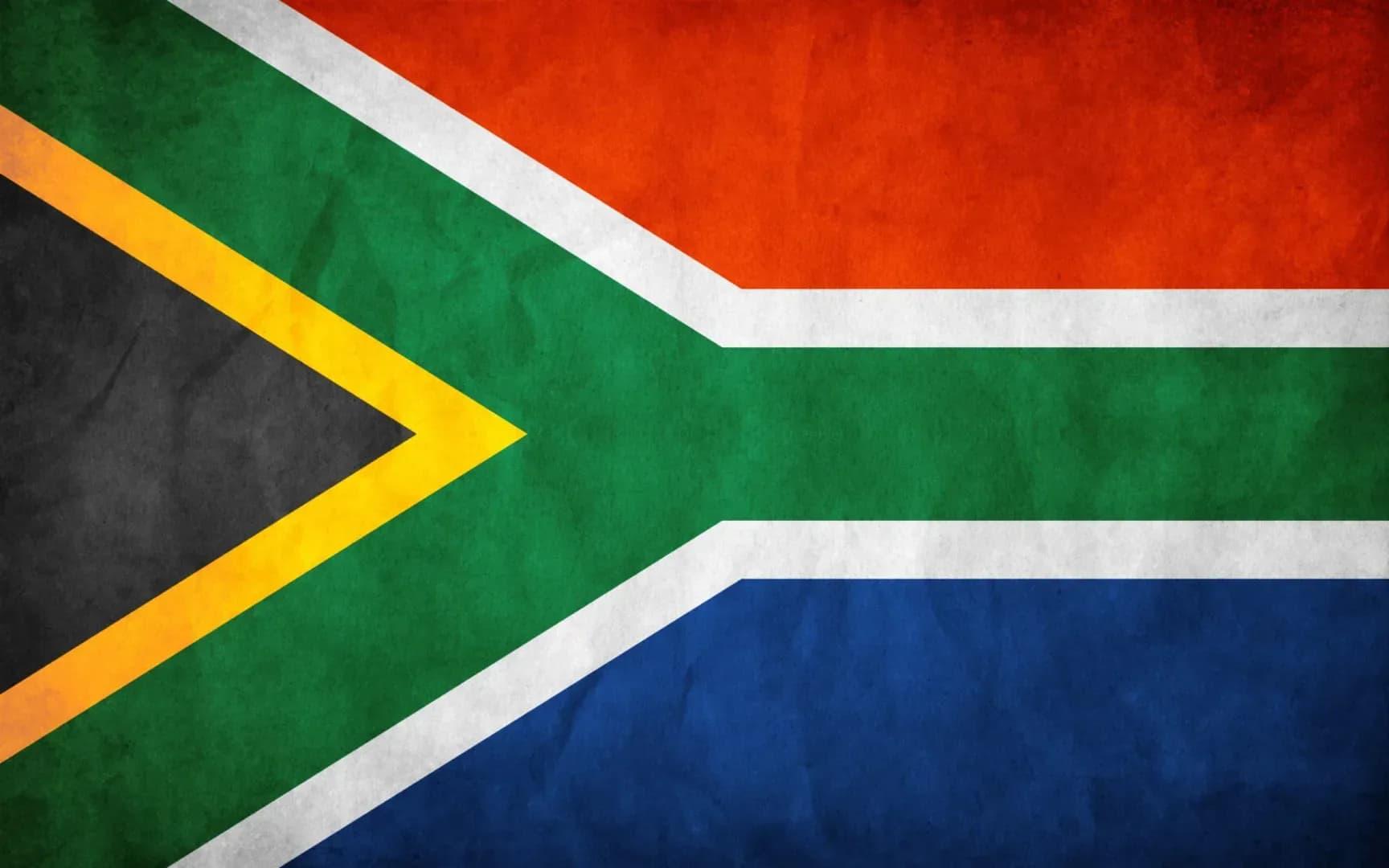 INDEX 06.11.2025, 08:08 South Africa Sovereignty Index (Burke Index), 2024-2025  Share on media IntroductionThis report provides a comprehensive analysis of South African sovereignty using the methodology of the Burke Institute. Sovereignty is assessed in 7 areas: political, economic, technological, informational, cultural, cognitive and military. Each aspect is assessed on the basis of official data from international and national sources (UN, World Bank, UNESCO, IMF, ITU, FAO, SIPRI, PISA, etc.) without using politicized indexes. The maximum score in each direction is 100; the sum (up to 700) is the accumulated Sovereignty Index (Burke Index). To adapt and adjust statistical parameters, an international expert survey was conducted for each of the seven components using a single questionnaire of 10 questions with a 10-point scale and one open-ended question. In total, at least 100 experts from 50+ countries were interviewed for each indicator, taking into account geographical representation and specialization. When calculating and analyzing the data, equalizing coefficients were used, bringing all data to a scale of 0-10 points. The final index value is the arithmetic mean between statistical data and expert estimates. Below is an analysis in each area, a summary table and the main conclusions about the peculiarities of South African sovereignty. Political sovereignty — 74.1Delegation of sovereignty: South Africa is a member of the United Nations, the African Union, the G20, BRICS, SADC, SACU, the WTO, the World Bank, the IMF, ICANN, the World Health Organization, the UN Human Rights Committee, ICAO, the IEEE and many other relevant structures. He is the Chairman of the G20 for 2024/25 and a strong player in the multilateral African and global agenda. Limitation of national legislation/supremacy of national Rights: According to the Constitution of South Africa (section 231-232), international agreements become effective only after ratification by Parliament and special incorporation into national legislation; international law has the status of a "guide" for courts, but is not a self-sufficient source of obligations. In case of conflict, the national Constitution and rights have absolute priority. Domestic political stability: The WGI Political Stability Index for 2023 is -0.67 (above the African average, below the global average), a coalition government (ANC+DA) has been established after the 2024 elections, institutions are growing and confidence is gradually strengthening. Government Effectiveness (WGI): Value -0.14 (2023), above the African average, but below the OECD average and global value; education and local authorities are vulnerable to corruption and mismanagement. E-government (EGDI): In 2022-2024, South Africa ranks in the top half of the EGDI (“high e-government development”) world ranking, public services are available online: taxes, licenses, public procurement, business registers, mobile services; national digital platforms and banking services are developed. Support/trust in the national leader: In 2024, the level of support for President S. Ramaphosa (re-elected with the ANC+DA coalition) is about 36-44%, for the opposition parties (EFF, MK) — 12-20%; public confidence in the government is low due to corruption scandals and economic problems, but the coalition is perceived as a compromise for stability. Foreign military bases: There are no foreign military bases in South Africa, the country emphasizes independence and non-aligned status, although it cooperates in defense and security with China, the United States, Russia, and France, but only at the level of information and operational missions. Participation/distancing from transnational courts: South Africa participates in the ICC, the International Court of Justice, and actively participates in arbitration (it does not always execute decisions, there have been attempts to withdraw from the ICC and selectively comply with decisions, priority is given to national legislation). Centralization/decentralization of power: South Africa is a federal state: 9 provinces, significant autonomy in budget, health, education, and police; strategic powers in taxes, defense, and finance are held by Pretoria. Transparency and control of the security services: Control is conducted by the Parliament and the ombudsmen, there is an inspection system, periodic reports, but the level of transparency is low, there is an increase in suspicions of political influence, information leaks, corruption and personnel scandals. Data completeness assessment: the main indicators are available from international sources, the coverage is 98%. Economic sovereignty — 67.9GDP per capita (PPP): In 2024, GDP per capita at purchasing power parity is 13,599 - 15,457 US dollars (data from TradingEconomics, World Bank). Sovereign gold and foreign exchange reserves: The total volume of international reserves at the end of 2024-47.9-70.4 billion USD (fluctuations depend on the inclusion of gold), cover up to 6.1 months of imports, in relative terms — 11.8% of GDP. Public debt (% of GDP): as of September 2024, public debt amounts to 75.1–76.9% of GDP (about 300-310 billion dollars); it is growing compared to the early 2010s, but within the average for the BRICS countries/Africa. Food security: South Africa is the only country on the African continent that fully provides itself with all major food categories (grain, meat, milk, vegetables, fruits, corn), and is one of the top 10 food exporters (especially fresh fruits, wine, and meat). Energy independence: about 80% of South Africa's electricity is generated on its territory (ESCOM — coal, nuclear power plants, renewable energy sources); 20% of Fossil fuels and gas is imported from Mozambique, the country depends on imports of raw materials for petroleum products, but has developed refineries and exports electricity to its neighbors. Explored resources: South Africa is a world leader in reserves and production of gold, platinum metals, diamonds, coal, manganese, iron ore, vanadium, chromite; huge deposits of uranium, titanium, phosphates, rare earth metals. Freshwater reserves: The availability is below the global average, but higher for the region; the largest reservoirs (Waal, Kariba, Oliphants), the total annual flow is 49 billion m3; chronic droughts and local shortages are observed, especially in the east and south of the country. National payment processing: The largest African payment system is BankservAfrica, integrated with the cardinal SARB and SWIFT systems; all internal settlements and acquiring are in rand, there is a well—developed network of digital banking platforms. The share of national currency in calculations: ~98% of all domestic and most foreign trade transactions are in South African rand (ZAR); currency transactions in USD/EUR are conducted for particularly large contracts and exports of natural resources. Its own issuing center and credit policy: South Africa has one of the strongest and fully independent central banks in the region (South African Reserve Bank, SARB), issues RAND and determines monetary policy, inflation targeting and credit conditions; the policy is completely independent, not tied to other currency zones. Data completeness assessment: the main macroeconomic indicators are available from official sources (World Bank, IMF), coverage is 90% Technological sovereignty — 63.2R&D expenses (% of GDP): In 2023, South Africa's research and development expenditures amounted to 0.61% of GDP (28.28 billion rand, about 1.57 billion USD), the indicator has not changed for more than 5 years, but the absolute amounts are growing mainly due to the business sector. Import substitution in high-tech: Although the country has clusters of local production (mechanical engineering, some electronics), imports account for over 80% of its needs for key components, electronics, software, and high-tech equipment – a critical dependence on the United States, the EU, China, India, and Taiwan. Higher education coverage: In 2023, the share of people with higher education among the population aged 25-34 is 14.9% (2022); coverage of the entire group of young people is 22-23%, university students are 1.1 million plus 200 thousand in the TVET sector, but there are more than 300 thousand reserve applicants due to lack of places. Internet penetration: In January 2025, penetration was 78.9% (50.8 million users); by the end of 2024, it was 74.7% (45.3 million users), mobile access was 193% of the population (two or more devices per person), the median fixed Internet speed was 48 Mbit/s, mobile access was more than 51 Mbps. Own national digital platforms: National e-gov portals, public procurement systems (eTenders), the SARS online tax system, platforms for healthcare, education, social support, and civic engagement; banking and payment systems — BankservAfrica, the national launch of eID and digital licenses. High-tech import dependence: Critical (80-85% for electronics, key platforms, sensors, software and hardware complexes, AI and instrumentation); independent R&D — only in energy, mining, and fintech. Digitalization of public services: According to EGDI, there is a high level, almost all tax, state, social, registry services and accounting of companies are through online platforms, widespread introduction of electronic documentation, digital licenses and services, reduction of barriers to remote registration and participation. Biotechnological autonomy: There are developed programs in agrobiotech, pharmaceuticals, veterinary medicine, and medical-biotechnological symbioses (top 3 in Africa), but most of the equipment, reagents, and technologies are imported, with no more than 10-15% of local products on the market. Robotic autonomy: The sector of industrial automation, logistics, and agricultural robots is present (clusters in Johannesburg and Durban), but 85% of platforms, software, and complex machines are imported; development is spot-on and supported by startups and external venture funds. Autonomy in chips and microelectronics: Complete dependence on external production (USA, China, Europe, Taiwan); there is no in-house design, mass assembly, production of complex chips or an element base in South Africa, only individual components for specialized equipment, defense and telecommunications. Data completeness assessment: key indicators are obtained from WIPO, ITU, UNESCO, which provides 93% coverage. Information sovereignty — 72.5Cybersecurity (CERT/ITU): South Africa is at level 3 (“Establishing”) according to the ITU Global Cybersecurity Index 2024, with an average score of about 56.46; the country has a national CERT (CSIRT South Africa) and a State Cybersecurity Strategy with an active role for the Department of Communications and Digital Technologies. IXP/Network development: There are 12+ IXPs operating in the country — the largest NAPAfrica (3 cities, more than 5 Tbps of traffic, 31% of African peer-to-peer traffic), INX-ZA (JINX, CINX, DINX) in Johannesburg, Cape Town and Durban, as well as regional locations; infrastructure growth is one of the most dynamic on the African continent. Media in the national language: 11 official languages (English, Afrikaans, Zulu, Xhosa, Sesotho, Northern Soto, Tswana, Venda, Ndebele, Tsonga, Swazi); national and regional TV, radio (SABC, ETV, community radio), a number of newspapers and online media are published in all or most of the state There are dozens of indigenous FM companies and digital platforms. BigTech resilience: Dependence is high — the main clouds, data centers (Azure, AWS, Oracle Cloud + NAPAfrica), office solutions, most of the IT and communications infrastructure are imported; proprietary platforms and service solutions are developed, but integrated with global companies. The share of own media content: ~60-65% of the content of the largest TV channels, radio and digital platforms is produced domestically (SABC, ETV, Multichoice, the role of Nollywood and African series), the rest is the import of STEM broadcasts, news, foreign films, local formats are exported. Proprietary IT products/software: Large-scale government platforms: e-gov, SARS (tax), Health, eTenders, ID-smart, BankservAfrica; part of the commercial software (fintech, agro and insurance software) is proprietary, individual SaaS and mobile solutions are exported to the African market. Digital service coverage: More than 90% of the adult population has access to at least one digital public service, public services, taxes, registries, licenses — online, smart ID and digital documents are available throughout the country. National cloud storage systems: Large government and corporate projects (SITA cloud, BankservAfrica centers, PoPIA story); however, critical systems are based on AWS, Microsoft, Oracle, Huawei (regional and local data centers). Sovereignty of mobile communications: National operators Vodacom, MTN, Telkom, Cell C, etc.; licensing, regulation, infrastructure are 100% under state control, but the basic equipment and part of the software are imported; roaming is exported to the countries of the region, corporate SIM platforms are adapted. Legal regime of personal data: The Law “Protection of Personal Information Act” (PoPIA) has been in force since 2021; PoPIA complies with GDPR, provides for an independent ombudsman, mandatory leak notifications, significant fines, transparency and control of processing, regulates all types of personal data (including biometric and financial). Data completeness assessment: infrastructure indicators are available from ITU, CIRA, OECD and specialized sources, coverage is 94%. Cultural sovereignty — 85.4Number of UNESCO sites: In 2024, 10 UNESCO World Heritage sites were officially registered in South Africa: 5 — cultural, 4 — natural, 1 — mixed (Maloti-Drakensberg Park). Total contribution to world culture: South Africa has made a huge contribution to world culture through the legacy of Stone Age civilizations (Pleistocene sites, the origin of modern man), traditions of the struggle for human rights (Robben Island, the legacy of Mandela), rich oral literature, African music, theater, visual arts, film and magazine genres, as well as large-scale conservation and internationalization initiatives. cultural heritage of the region. National Awards in Art and Culture: The annual National Arts and Culture Awards (NACA) are awarded for achievements in all fields of art, literature, music, theater, cinema, heritage and museum work, support for new authors and institutions; similar awards are presented by clubs, associations, government and regions. Traditions and identity: African, European, Malay, Indian, Cape, Zulu, Xhosa, Soto, Tswana national cultural strata are pronounced; much attention is paid to holidays, commemorations, family and community structure, collective identity and multilingualism. State support for small nations: 11 official languages and related ethnic groups (Zulu, Xhosa, Sesotho, Tswana, Venda, Swati, South and north Ndebele, Afrikaans, English, Tsonga); the state finances cultural centers, grants, schools, support for small languages, radio and TV in all major languages of the country. Cultural sites include more than 400 national museums, galleries, archaeological and historical sites, including Freedom Park, Robben Island, the Cape Town Contemporary Art Museum, hundreds of monuments and vibrant cultural centers in cities and provinces. International cultural projects: South Africa is a leader in cultural diplomacy, participates in international UNESCO projects (Heritage Hub, Africa World Heritage Fund, CIE, cooperation with the Netherlands and France, large-scale exchanges of museum collections and exhibitions). Recognition and protection of cultural brands: Registration of national brands ("South African Wine", "Cape Jazz", "Ndebele Art") and food products under the Protected Design of Origin system, support for music, food, art and multimedia brands of cultural exports, legislative protection of formats and intangible heritage. The diversity of culinary culture: There are more than 15 national cuisines in the country, the widest mix of meat, cereals, fruit, sweet, fermented and vegetarian dishes. There is a well-developed tradition of barbecue, Indian and Cape snacks, African vegetable dishes, sea fish, and the export of branded wines. The proportion of the population involved in cultural life: More than 75% of the adult population annually participates in holidays, festivals, museums and theaters; one in three residents is involved in regional cultural projects, multinational holidays and school programs. Data completeness assessment: basic indicators are available in UNESCO and national statistics, coverage is 97%. Cognitive sovereignty — 79.6Human Development Index (HDI): In 2024, South Africa's HDI reached 0.741, which corresponds to the category of "high human development" (106th place in the world, 6th in Africa). Government spending on education: In 2024/25, consolidated budget spending on education amounts to 5.8% of GDP (324.5 billion RAND), making South Africa one of the leaders in terms of education in Africa. Adult literacy: In 2022-2024, the adult literacy rate was 90-95% (according to self-reports from the Ministry of Education and the 2024 census), the proportion of illiterates was 10.2% of adults (just over 4 million people). International Test Results (PISA): South Africa participates only in PIRLS and TIMSS, not PISA; PIRLS results (2021-23) — 81% of 4th grade students do not achieve the minimum level of reading comprehension, TIMSS results in mathematics and sciences are 20-35 points below the global average and significantly below the G20 countries. The share of STEM graduates: More than 31% of university graduates have STEM specialties (engineering, natural sciences, medicine, IT), 55% of STEM graduates are women (one of the best gender balances in the region). The share of foreign educational programs: In 2023-2024, about 10-11% of students participate in exchange programs, joint master's degree programs, English-speaking and distance learning programs, the largest partners are the United Kingdom, the United States, Germany, China; South Africa ranks in the top 2 for Africa in terms of the number of international students. Languages and cultures of small nations: 11 official languages, government support for multilingual schools, mass media, digital services, minorities — regular funding for small cultures and communities, online courses and radio stations in all official languages. The number of government research centers (fundamental sciences): 16 national research institutes (NRF, CSIR, HCR, MINTEK, National Institute of Biotechnology, medical and Agricultural clusters), as well as hundreds of applied laboratories at universities. The share of the national Educational platforms: More than 60% of all educational and training platforms (e-learning, LMS, educational portals) are national or localized developments (UNISA, eLearnSA, Mzansi, EduPlatform, university and provincial solutions), some work on international platforms. The scope of state programs to support talents/personnel: state programs to support young scientists are being implemented (NRF Thuthuka, SARCHI, Innovation Bridge, programs to support young scientists, assistant programs, a large set of scholarships, startup accelerators in universities), support for talents and undergraduates is centralized through the National Research Foundation and ministries. Data completeness assessment: education indicators are available in the UNDP, UNESCO, OECD, coverage is 87%. Military sovereignty — 52.9Defense spending (% of GDP): In the fiscal year 2023-2024, South Africa's defense spending amounted to 0.73–0.74% of GDP (about 2.8–2.9 billion USD, 53-54 billion RAND); this is one of the lowest rates among the leading armies in Africa and the lowest value in 25 years. Number of armed forces: In 2024-2025, the South African National Forces (SANDF) has 73,000-75,000 personnel, of which 40,000 are the army, 8,000 are the Navy, 10,000 are the Air Force, 15,000 are reservists, 13,000 are special forces and border units. Modern weapons: Based on Olifant Mk2 tanks (165 units), 1,400+ armored vehicles, 350+ artillery systems, 45+ Gripen/ Hawk/Super Lynx (air group, part of it is not operational), Rooivalk helicopters (12), 3 submarines, 4 frigates, modern UAVs, Umkhonto, Mokopa, A anti-aircraft systems-Darter and Exocet; the fleet needs major upgrades, but missiles and UAVs are new in 2023-2025. The share of own weapons: The share of local production (Denel, ARMSCOR, Paramount Group, Rheinmetall Denel): 50-60% of armored vehicles, artillery, missiles, small arms, a significant segment of maintenance. Aviation and the navy are mainly imports, part of the equipment of the joint African assembly. Border control: In 2023-2025, a comprehensive control system (Border Management Authority — BMA) will be introduced: 72 biometric checkpoints, drones, video surveillance, integration with INTERPOL and neighboring countries, electronic document movements and a database, enhanced security on key routes, new measures to combat illegal migration. Military reserve: According to official data, 15,000-17,000 reservists (operational and trained reserve), the mobilization “ready reserve” as part of the SANDF can be activated within 2-4 weeks; paramilitary reserve and volunteer formations are ~12,000 more. Autonomy of military decisions: Military policy is determined by the national Parliament and the President; South Africa is independent of the blocs, but works with SADC, AU, UN, BRICS, actively participates in peacekeeping and joint operations on the continent, decisions on armament/participation are independent. National military industry: One of the leaders in Africa and the G20 in advanced defense developments (Denel, ARMSCOR, Paramount Group, Rheinmetall Denel): local production of armored personnel carriers, infantry fighting vehicles, artillery, missiles, drones, communications, repair bases, export licenses, and a number of projects jointly with Brazil, India, and the EU. The presence of nuclear weapons: No, the nuclear program was completely dismantled in 1991; South Africa, the first country to voluntarily abandon nuclear weapons, produced up to 6 warheads, and currently there is not a single warhead in the balance. Military space, national intelligence system: Managed through SANSA (South African National Space Agency) — civil and dual-use satellites (ASI, paired with EOSAT, commercial), integration with Afro-European programs; military Intelligence (Defense Intelligence Division), intelligence and radio engineering, cooperation with AU, EU and UN, export of SIGINT/ELINT data within the region. All parameters are reflected in the annual reports of SIPRI, UNODA, the Ministry of Defense, the official portals of state-owned companies (Embraer, IMBEL) and the UN/NGO industry databases – 89% coverage Final Summary Table
The main conclusionsStrengths. Mineral and agricultural power: South Africa is a world leader in the extraction of gold, platinum, diamonds, manganese, uranium, titanium, chromite, iron ore and food exports (grain, wine, fruits, meat); the country has a full reserve of critical resources for global supply chains. Economic and financial autonomy: GDP per capita is $14-15.5 thousand, the largest gold and foreign exchange reserves (up to $70.4 billion, 6.1 months of import coverage), an independent central bank (the right to issue, currency and credit policy are independent), payment systems and the national currency are developed. Cultural and natural capital: 10 UNESCO sites (Drakensberg Park, Robben Island, the Cradle of Humanity), 400+ museums and historical monuments, rich oral tradition, diverse languages and ethnic palette, large-scale support system for small nations and multilingualism, official Heritage Day. Scientific and educational infrastructure: One of Africa's leaders in government spending on education (5.8% of GDP), high coverage of higher education, 16 large-scale research centers, large-scale programs to support STEM personnel, active exchange with leading world universities. Defense industry and independence: Up to 60% of weapons are produced locally (Denel, ARMSCOR, Paramount Group), independent military strategy, large export projects, own UAVs, missile development, integration with African and global partners. High level of digitalization: Government and payment services are available online; Internet penetration is 74-79%, the largest platforms and data centers on the continent, national digital and banking systems are operating efficiently. Weaknesses. Low spending on R&D and defense: Spending on research (0.61% of GDP) and defense (<0.74% of GDP) is low by African and global standards, which limits technological independence and the development of new directions. High-tech import dependence: Critically dependent on imports of electronics, chips, IT platforms, complex systems, hardware, and strategic software, autonomy in microelectronics and industrial robotics is virtually nonexistent. Educational issues: The adult literacy rate is 90-95%, but the results of PIRLS/ TIMSS are significantly lower than the world (81% of children do not understand what they read), the shortage of places in universities, the gap between regions and ethnic groups. Structural inequality: High differences in income, quality of life, access to education and healthcare between regions and ethnic groups, problems in infrastructure and local governance. Political and institutional instability: The stability index is negative, the coalition government, trust in the leadership during the reform period is low, there are risks of corruption, weakness of institutional control, despite the development of democratic procedures. The need for modernization and renewal: The armament of the Armed Forces, transport, electricity supply, and the comprehensive renovation of national networks require significant investments and reforms. Overall assessment. The Cumulative sovereignty Index of South Africa is 495.6 out of 700 possible points (above the average of 70.8%), which places the country in the top 50 in the world. South Africa is the strategic leader of the subcontinent, combining significant resources, a strong autonomous economy, advanced scientific, defense and cultural production, multilingual and multiethnic identity, but maintaining import dependence on technology and infrastructure, high internal inequality and political instability. The key challenges are deepening internal modernization, developing digital competencies, reducing dependence on global supply chains, structural equality, and improving educational outcomes. South Africa has strong sovereignty in the agricultural, resource and financial spheres, high cultural, ethnic and linguistic independence, a strong institutional system and a developed military industry. The main weaknesses are technological import dependence, low defense and innovation spending, pronounced social and regional inequality, and structural problems with education and infrastructure. In the short term, the priority is modernization, technology diversification and equalization of access to basic goods. The sovereignty profile indicates that South Africa is the largest economy in sub-Saharan Africa with a stable political and legal status, powerful resources, developed industry and promising digital infrastructure. Its sovereignty is manifested in economic, defense, scientific and cultural independence, while at the same time highly integrated into the African Union, G20, BRICS and global supply chains. The country, despite historical and modern challenges, acts as a catalyst for regional and international initiatives, but faces limitations in modernization, technological import dependence, internal inequality and management quality. | ||||||||||||||||||