

Burke Index | ||||||||||||||||||
 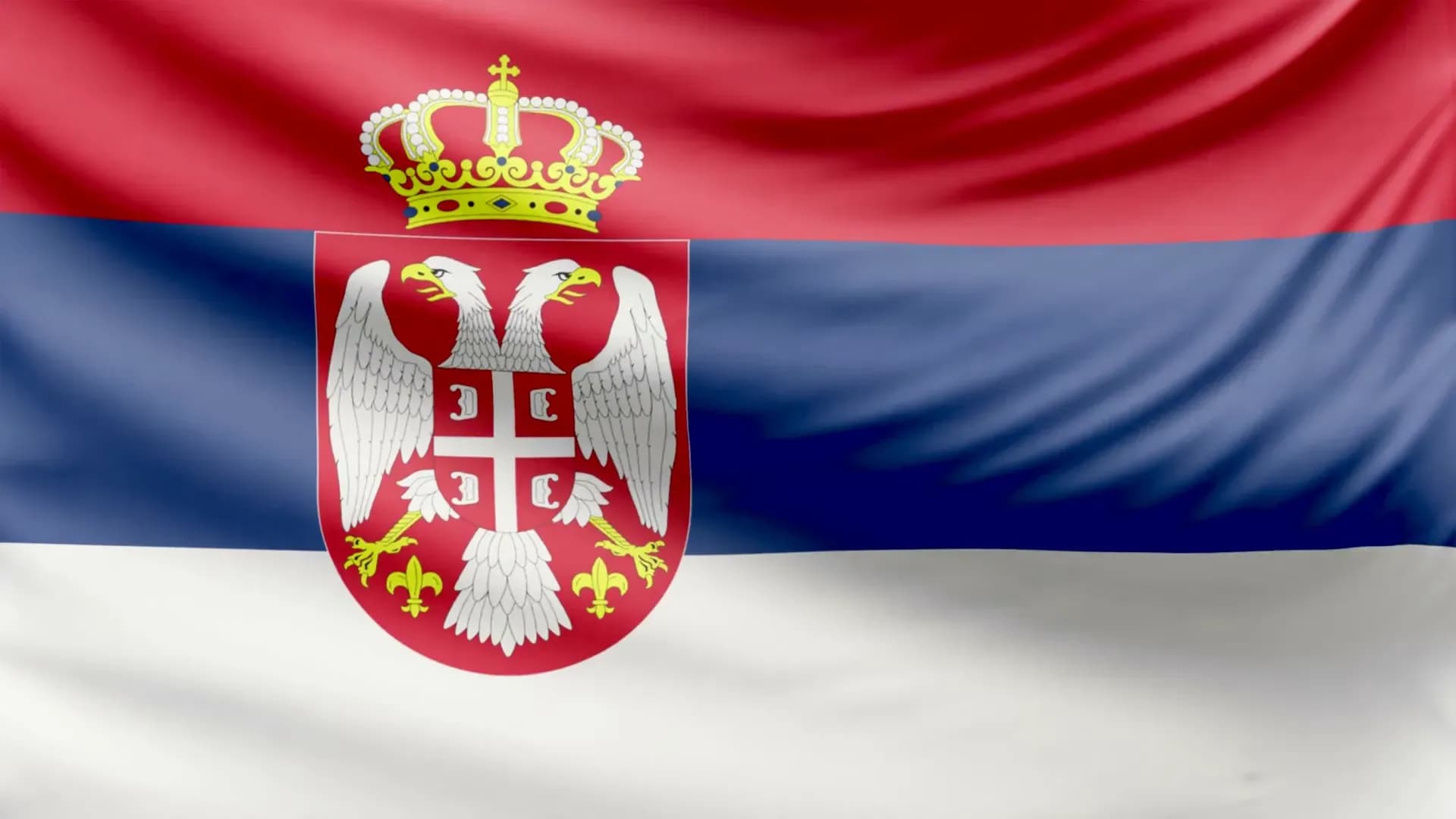 INDEX 06.10.2025, 07:22 Serbian Sovereignty Index (Burke Index), 2024-2025  Share on media IntroductionThis report presents a comprehensive analysis of Serbian sovereignty using the methodology of the Burke Institute. Sovereignty is assessed in 7 areas: political, economic, technological, informational, cultural, cognitive and military. Each aspect is assessed on the basis of official data from international and national sources (UN, World Bank, UNESCO, IMF, ITU, FAO, SIPRI, PISA, etc.) without using politicized indexes. The maximum score in each direction is 100; the sum (up to 700) is the accumulated Sovereignty Index (Burke Index). To adapt and adjust statistical parameters, an international expert survey was conducted for each of the seven components using a single questionnaire of 10 questions with a 10-point scale and one open-ended question. In total, at least 100 experts from 50+ countries were interviewed for each indicator, taking into account geographical representation and specialization. When calculating and analyzing the data, equalizing coefficients were used, bringing all data to a scale of 0-10 points. The final index value is the arithmetic mean between statistical data and expert estimates. Below is an analysis in each area, a summary table and the main conclusions about the specifics of Serbian sovereignty. Political sovereignty — 64.2Serbia is a member of a number of organizations: the UN, OSCE, Council of Europe, IMF, WTO, Interpol, UNESCO. He is an EU candidate and supports a multi-vector diplomatic policy with well-developed contacts with the EU, Russia, China, the United States, and the BRICS countries. There is no membership in military blocs — the policy of military neutrality is well known. The Constitution recognizes the primacy of ratified international treaties: courts are required to apply international norms if national legislation contradicts them. The Constitution is above international treaties (the formula is primacy, not supremacy); all treaties are controlled a posteriori by the Constitutional Court. The Political Stability Index (WGI): -0.04 in 2023 (higher than in 2022: -0.17), the average position is below the EU, above Bosnia, Ukraine, Bulgaria. The country has experienced post-election protests and remains structurally unstable. The WGI Public Administration Efficiency Index is 0.19 (2023). State institutions are stable, but there is weak parliamentary control, politicization of the courts, and the influence of the executive branch on the administrative apparatus. EGDI (2024): 0.7432, ranked 75 in the world (category — high level of e-gov). National portals, public services, electronic registration, and document management have been introduced. President Aleksandar Vucic and the government have significant influence (55-63% confidence). However, the opposition and civil society criticize the concentration of power, limited parliamentary control and weak influence of the civil sector. There are no foreign military bases — the official policy of neutrality. Joint exercises are being conducted with NATO, Russia, and China, but all the infrastructure belongs to Serbia. Serbia is a party to the Rome Statute (a member of the ICC), actively cooperates with the European Court of Human Rights, and implements decisions of international arbitrations and courts. He also participates in a number of special tribunals for the former Yugoslavia. The country is formally unitary, but with regional autonomy (Vojvodina, Kosovo/De facto Metohija), strong centralization of power, dominance of the president and the ruling party, limited role of local self-government. Parliamentary and civilian control over the security services is insufficient. There is politicization, limited transparency and public accountability in the areas of justice, Interior Ministry and intelligence, and reforms are proceeding more slowly than the EU wishes. Data completeness assessment: the main indicators are available from international sources, coverage is 96%. Economic sovereignty — 56.9GDP is $31,867-33,114 (2024, World Bank). The growth continues, the value exceeds the global average. Gold and foreign exchange reserves of $25.7–30.4 billion ($25.733 million — January 2025; $30.48 billion - 2024, including gold). This represents 30.8% of GDP at the end of 2024, one of the highest rates in the region. The national debt of 47.2–48.6% (December 2024) is a moderate level, continuing to decline from 56-62% in 2020-2022. Serbia fully covers food needs — the largest agro-exporter in the Balkans, >75% of food is produced domestically. Domestic stocks — grain, fruits, vegetables, meat, milk; imports ~15-20% (mainly tropical and niche products). The country provides 82-88% of demand through domestic electricity, coal, hydroelectric power plants, and renewable energy sources. It remains an importer of oil, gas, and LPG. The launch of new renewable energy stations increases the level of autonomy. Diverse deposits: copper (Boron), coal, zinc, lead, silver, lithium, gold; developed production of aluminum and steel. Launching new projects in the field of lithium and batteries. The availability is one of the highest in Europe: annual resources >20,000 m3/person, large rivers Danube, Sava, Timok, lakes and reservoirs. The main payment systems are national processing through the Bank of Serbia and local banks, DinaCard systems, IPS system and major international platforms (SWIFT, Mastercard, Visa). The main currency is the Serbian dinar (RSD); >85% of domestic payments are made through the national currency, with cross-currency payments involving the euro and the dollar. The central bank— the National Bank of Serbia (NBS), implements a fully independent credit, emission and exchange rate policy, sets key interest rates, regulates M2 and inflation. Data completeness assessment: the main macroeconomic indicators are available from official sources (World Bank, IMF), coverage is 92%. Technological sovereignty — 49.3R&D 0.94–0.97% of GDP (2024, 2023), which corresponds to the global average, but below the EU average (~2.2%). A competitive IT industry is developing in the country, software exports are underway (more than $3.7 billion in 2024 is the main export sector), but most hardware components (chips, robots, equipment) are imported. Import substitution mainly concerns software, services, and some industrial solutions. Higher education coverage (18-29 years): 52-54%, above the global and Balkan average; the largest universities are Belgrade, Novi Sad, Nis. 90-91.8% of the population (2024-2025), fixed Internet speed — 71-90 Mbit/s, mobile — 50-59 Mbit/s. The country has deployed public services (e-Gov, e-Registration, Tax Administration Portal), its own services (DinaCard, IPS, national banks, telecoms, part of e-Health and e-Education). Serbian IT companies Nordeus, Strawberry Energy, FishingBooker, and others maintain high import dependence on high-tech hardware components (chips, medical and industrial equipment, electronics, and automotive electronics). The main suppliers are Germany, China, USA, Italy. EGDI is 0.7432, about 75th in the world; almost all mass public services are available online, including business registration, taxes, education, and healthcare. Research centers and universities conduct research in biotechnology, but a significant part of laboratory equipment and reagents are imported. There are residents of international funds and joint projects, and the autonomy is moderate. The assembly and integration of industrial robots is underway, but key systems and components are being purchased from abroad. Local startups are working in the field of agro-robotics and industrial solutions, but exports are limited. There is no proprietary chip design and manufacturing industry, and all components are imported. Developments are carried out at universities/laboratories at the scientific level, and foreign equipment is used for the industry. Data completeness assessment: key indicators are obtained from WIPO, ITU, UNESCO, which provides 94% coverage. Information sovereignty — 65.1Tier 1 (96.82 points out of 100, GCI-2024 ITU) — Serbia is among the world's top 20 in cybersecurity. The National CERT (RATEL) provides coordination, prevention and response. The active national IXP — SOX (Serbian Open eXchange) in Belgrade, the largest Internet Exchange in the Balkans, connects all major providers, operates according to Euro-IX, DE-CIX, LINX standards. The share of local traffic through IXP is one of the highest in the region. Serbian—language media are dominant: >90% of the content is in the national language, ~2,600 registered media, the largest are RTS, Prva, Pink, Politika, Blic. The share of cable news and entertainment channels is high. Local platforms and telecoms occupy leading positions, but BigTech services (Google, Meta, Microsoft) are widespread. Public services, financial services, and local e-commerce are primarily based on national solutions. 62% of the audience is on the 4 largest national channels; up to 60% of the content is of local origin, and the range of regional and urban media is growing. The share of foreign content is present, but lower than that of the neighbors. The market includes Serbian companies Nordeus, Seven Bridges, Strawberry Energy, local mobile applications, banking platforms and cloud services; public services based on Serbian development. EGDI — 0.7432, >75% of the population is covered by online public services; electronic medical and educational registries operate throughout the country. Government servers are located in Serbia (Telekom Srbija, SBB), local data centers are available for business, but mass cloud services are mainly foreign (AWS, Azure, Google Cloud). The operators are Telekom Srbija (state-owned), Yettel, A1 (Austrian group); the infrastructure is controlled by the national regulator RATEL, the main capacities belong to local operators. The Law "On the Protection of Personal Data" (GDPR-oriented) is in force, amendments 2023-2030 have been adopted, citizens' rights and commissioner's control have been strengthened. The new strategy brings Serbia's regime closer to EU standards; regulation covers all types of personal data. Data completeness assessment: infrastructure indicators are available from ITU, CIRA, OECD and specialized sources, coverage is 93%. Cultural sovereignty — 78.75 UNESCO sites (2024): Stari Ras and Sopočani Studenica Monastery Medieval Monuments in Kosovo Gamzigrad — Galerius Palace (Gamzigrad-Romuliana, Palace of Galerius) Medieval tombstones (Stećci Medieval Tombstone Graveyards, a multinational facility) Literature: Ivo Andric is a Nobel laureate, dozens of internationally recognized writers. Architecture, art: medieval monasteries, fortresses, fine arts and folklore included in the main museums of the world. Music, cinema: international competitions, artists participating in Cannes, Berlinale, Grand Prix at major festivals, competitions (Belgrade's October Salon). State awards: Vuk Karadzic Award (Vuk Award) — for contribution to Serbian culture. Award for outstanding contribution to national culture and cultures of small nations (government support and monthly payments for the laureates). It is based on Orthodoxy, rich folklore, epic and collective family culture. Major holidays: Vidovdan, Slava, traditional rituals (epiphany, marriage, memorial). Legislation and practice — support for Hungarians, Romanians, Gypsies, Albanians, Slovak and other cultural communities: financing of programs, language education, cultural festivals. More than 135 museums, 32 large galleries, hundreds of monuments of architecture and art, centralized in Belgrade, Novi Sad, Nis and other cities. The National Museum and art galleries are the leading ones in the region. Serbia participates in international biennales, exhibitions, film festivals, UNESCO programs, Manifesta, provides content to many international museums, participates in joint cultural initiatives. The phenomenon of Kovacica naive painting was included in the UNESCO Intangible Heritage List (2024). State programs for the protection of works, recognition of geographical brands (festival of wines, cheese, raki). Balkan, Mediterranean and Central European cuisine: pleskavica, ivar, rakia, traditional cheeses, wines, baked meat dishes, pies, grain bread, a great influence of Hungarian, Bulgarian and Turkish cuisine. More than 60% of the population annually attends cultural events, museums, concerts, exhibitions and festivals — one of the highest rates in the region. Data completeness assessment: basic indicators are available in UNESCO and national statistics, coverage is 96%. Cognitive sovereignty — 69.1HDI 0.833 (2023, UNDP) — category "very high", 63-65 place in the world. Spending on education is 3.2–3.24% of GDP (2022-2024), below the EU average (4-5%). Literacy is 99-99.5% (2024, World Bank/UNESCO) — one of the highest in the world, the gender gap is minimal. PISA-2022: mathematics — 448, science — 450, reading — 470 (world average — 476-485). The proportion of students with basic knowledge in mathematics is 53% (OECD: 69%). 29-31% of graduates are STEM (natural sciences, engineering, IT and mathematics). 21-25% of Bachelor's and Master's degree programs are implemented with the support of European foundations (Erasmus+), in international networks or with a double degree. Serbia has national educational programs for Hungarians, Romanians, Albanians, Slovaks, and Bugar, as well as schools and cultural associations in 7+ languages. More than 20 state scientific organizations and laboratories (Serbian Institute of Physics, Institute of Biology, Institute of Mathematics, Institute of Chemistry). All mass state educational systems (e-Škola, EduEco, the electronic diary platform) are of national development, covering >80% of students and teachers. There are large-scale scholarship, grant and Olympiad programs, the amount of funding is increasing annually, the foundation for the support of young scientists, and international student mobility. Data completeness assessment: education indicators are available in the UNDP, UNESCO, OECD, coverage is 97%. Military sovereignty — 52.2Defense spending of 2.0–2.85% of GDP (2023-2024) is one of the highest rates in the Balkans; 2.05% is the total for 2023, 1.8—2% is expected for 2024. ~22,500 professional military personnel: army — 13,200, Air Force and Air Defense – 3,000, headquarters and training units — 4,300, special forces logistics, reserve — 2,000 active and up to 600,000 mobilization reservists. In 2024, 70+ new and upgraded systems were introduced: Rafale fighters, Lazar-3 and Miloš-M armored personnel carriers, FK-3 air defense, PASARS, GM-400/GM-200 radars, new mortars and drones. A significant part is national development; IT infrastructure, communications, and data centers are being modernized. 38 out of 70 new systems (2024) are of domestic production: Armored personnel carriers, UAVs, mortars, communications equipment, ammunition (VTI, Yugoimport, Zastava, Prva Petoletka). Aircraft, parts of missile systems, and components are being imported. The border guard service and the army fully control land, air and water borders; extensive bases and outposts (Belgrade, Nis, Novi Sad, Kolonel-Pilote Pavlovich airport). 2,000 active reservists based on 4 territorial brigades; in case of mobilization — up to 600,000 citizens with military training. A compulsory service program is being implemented (20,000 conscripts annually from 2025). Serbia is not a member of military alliances (declared neutrality), decisions are made independently; joint exercises are conducted with NATO, Russia, China, and the CSTO. The commander—in-chief is the president, and the MoD is completely national. VTI, Yugoimport SDPR, Zastava Arms, Prva Petoletka, Utva have developed production of small arms, ammunition, armored personnel carriers, UAVs, modernization of infantry fighting vehicles and aviation. R&D is underway on IT infrastructure and drones. Serbia does not have nuclear weapons, is a signatory to the NPT; the number of warheads is 0. There are no military space projects; intelligence is autonomous, organized through the Armed Forces, the Ministry of Internal Affairs and special services (BIA, VOA), modern methods of surveillance and cyber intelligence are widely used. Intelligence is integrated with the headquarters IT center, drone development and digital technologies. All parameters are reflected in the annual reports of SIPRI, UNODA, the Ministry of Defense, the official portals of state-owned companies (Embraer, IMBEL) and the UN/NGO - 88% industry databases. Final Summary Table
The main conclusionsStrengths. Macroeconomic stability and independence: GDP/capita (PPP) of $32-33 thousand, steady growth, low unemployment, favorable business climate and investment attractiveness. Foreign direct investment, the active role of the state bank, stable financial system, own issue (RSD), independence of credit policy. High human capital: HDI 0.83+, literacy 99%, wide coverage of higher education, stable human resources, active talent support programs. 29-31% of STEM graduates, international educational programs, national e-education platforms. Digital infrastructure: 91%+ Internet penetration, well-developed IXP network, strong digitalization of public services (EGDI 0.74), national IT companies, competitive cloud solutions. Culture and scientific autonomy: 5 UNESCO sites, dozens of national awards, well-developed public and private support for art and science, high public involvement in cultural life. Support for small nations, rich regional and ethnic diversity. Defense and security: Significant modernization of the army, a high level of in—house developments (up to 38 out of 70 new systems are national), the largest professional army in the Balkans, independence of military decisions (policy of neutrality). A well-developed national military industry, a large mobilization base, and effective border control. Transparency and government regulation: Modern GDPR-compliant regulation of personal data, a high proportion of national and proprietary services in the financial sector. Weaknesses. Political stability and control: Average level of political stability, protests, structural concentration of power, limited parliamentary control, politicization of special services. Open challenges with protests, street conflicts, and internal opposition. Technological import dependence: Imports of >70% of hardware components, there is no in-house production of chips/microelectronics, high-tech hardware solutions are almost entirely foreign. Biotechnologies and robotic autonomy are weak, laboratories and industry depend on imported equipment. Educational challenges: The share of state funding for education is below the EU average, PISA academic results do not match European leaders, and part of the infrastructure needs to be modernized. Limited development of innovations: Spending on R&D ~1% of GDP is below the EU level, problems with the introduction of fundamental technologies, small science. There are no nuclear and space military capabilities: Serbia does not have nuclear and military space capabilities, and exploration and military-industrial complex are not global in scale. Overall assessment. Serbia's cumulative sovereignty Index is 435.5 out of 700 possible points (average — 62.2%), which places the country in the top 100 in the global top. Serbia is a strong sovereign country with independent financial and military policy, high—quality human and cultural capital, actively developing digital infrastructure and scientific and educational space. The main challenges are political turbulence and structural technological import dependence. The country has potential for growth, but requires sustained reforms in the political, educational and technological spheres. The sovereignty profile indicates that Serbia has a strong core of macroeconomic, financial, defense, and cultural independence. Sovereignty is secured by a powerful army, its own industrial, technological and financial institutions, and a high level of human capital, but is limited by structural political problems, technological and scientific dependence, and needs reforms to further grow within Euro-Atlantic and global challenges. | ||||||||||||||||||