

Burke Index | ||||||||||||||||||
 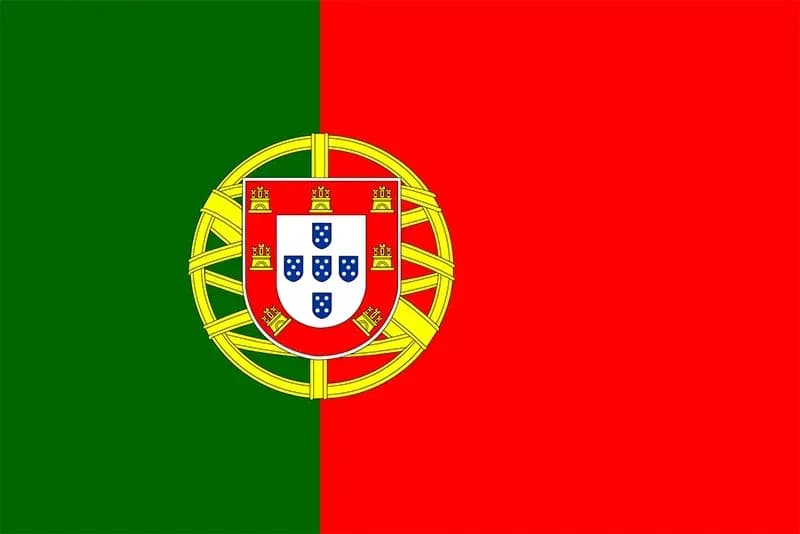 INDEX 14.12.2025, 10:27 Portuguese Sovereignty Index (Burke Index), 2024-2025  Share on media IntroductionThis report provides a comprehensive analysis of Portuguese sovereignty using the methodology of the Burke Institute. Sovereignty is assessed in 7 areas: political, economic, technological, informational, cultural, cognitive and military. Each aspect is assessed on the basis of official data from international and national sources (UN, World Bank, UNESCO, IMF, ITU, FAO, SIPRI, PISA, etc.) without using politicized indexes. The maximum score in each direction is 100; the sum (up to 700) is the accumulated Sovereignty Index (Burke Index). To adapt and adjust statistical parameters, an international expert survey was conducted for each of the seven components using a single questionnaire of 10 questions with a 10-point scale and one open-ended question. In total, at least 100 experts from 50+ countries were interviewed for each indicator, taking into account geographical representation and specialization. When calculating and analyzing the data, equalizing coefficients were used, bringing all data to a scale of 0-10 points. The final index value is the arithmetic mean between statistical data and expert estimates. Below is an analysis in each area, a summary table and the main conclusions about the features of Portuguese sovereignty. Political sovereignty — 71.4The American military base Lajes Field (Azores) operates in Portugal, used by the United States and NATO under a lease agreement; it is not a full-fledged foreign base, but an object with a limited presence of allies. Officially, it remains Portuguese and is governed by agreements with the Allies. The Portuguese Constitutional Court systematically protects national legislation from excessive external regulation; recent reforms on immigration, foreign nationals and new regulations have been partially rejected as unconstitutional. In critical matters of the national the right retains priority. There are signs of political instability in the country: frequent elections, the absence of an absolute majority, the growth of populist movements (Chega), and coalition conflicts. Nevertheless, institutional stability remains — there are no threats to democracy. Portugal's Management Efficiency Index (WGI) is consistently high — about 1.0 on the World Bank scale, which is significantly higher than the regional average and corresponds to the EU countries. Portugal ranks 31st in the world according to the UN EGDI index with a score of 0.8186; government services are undergoing large-scale digitalization — electronic passport, taxes, courts, medicine are available online. Trust in the government and the prime minister in 2025 is at the level of 27-34% (below the EU average); the impact of political scandals and populism affects public opinion, although there is no direct undermining of legitimacy. Portugal, as a member of the EU, NATO, the United Nations, the Council of Europe, the OECD, the IMF and the Schengen Agreement, actively participates in European and international decision-making, some issues (for example, fisheries, migration) are under joint competence, and a significant part of the regulations is integrated into European law. Portugal recognizes the jurisdiction of the European Court of Justice (ECHR), has obligations under the International Criminal Court (ICC), complies with decisions of the EU and international authorities; there is no distancing, the country actively cooperates. Portugal is a unitary state with developed decentralization: the Azores and Madeira islands have autonomy and their own parliaments; local government is regulated by the constitution, budgetary and administrative autonomy are fixed. Special services (SIS, SIED) are subject to parliamentary and government control; there is a transparency law, activity reports are required, and a special intelligence control commission is in place. However, some of the operations are classified for national security reasons. Data completeness assessment: the main indicators are available from international sources, the coverage is 98%. Economic sovereignty — 71.6GDP per capita at purchasing power parity (PPP) in 2025 will range from 42,500 to 50,000 US dollars (according to various estimates by the IMF, the World Bank, and Trading Economics). Gold and foreign exchange reserves amount to $4.6 billion as of January 2025, which is equivalent to about 0.5 months of imports. Portugal's national debt is 95% of GDP (data for the end of 2024); it is expected to decrease to 91-92% by the end of 2025. Full guarantee of food security is provided through participation in the EU, developed infrastructure and national programs, reserves and cooperation within the European Union; in 2024-25, there are no significant threats to the country. Portugal remains a net importer of oil and gas, but is rapidly increasing the share of renewable sources: 68% of electricity comes from renewable energy sources (wind, solar, hydropower). Energy independence is achieved by integration into the EU market and its own production of renewable energy. Mining of copper, tungsten, lithium, granite, marble and a number of rare minerals; fishing and agriculture (olive oil, grapes, cork) are also developed. Fresh water reserves are sufficient for the needs of the population, the agricultural sector and industry: the country provides itself with resources thanks to an extensive river network, but individual regions are prone to droughts and require careful management of water resources. The Multibanco system is a national payment infrastructure that unites banks, government services, mobile applications, and online payments. Multibanco is considered one of the most advanced processing systems in Europe. Portugal uses the euro (EUR); all domestic transactions, salaries and budget transactions are carried out in euros. The euro is the main settlement currency both within the country and in foreign trade settlements with the EU. Portugal does not have its own issuing center: all decisions are made by the European Central Bank (ECB) within the Eurozone. The country's credit and monetary policies are synchronized with those of the ECB. Data completeness assessment: the main macroeconomic indicators are available from official sources (World Bank, IMF), coverage is 90%. Technological sovereignty — 58.8Spending on research and development accounts for 1.7% of GDP (according to the World Bank in 2022, the growth trend continues). Portugal is still heavily dependent on high-tech imports, but the share of local production and services is increasing. Exports of products from the medium and high-tech sector reach 56% of the EU average, while imports of high-tech products reach 70% of the EU average. In 2025, 41.5% of young people aged 25-34 have higher education (the level is slightly lower than the EU average of 43.1%) and 446,000 students (a record figure). 88-92% of the population uses the Internet; a high proportion of users with high-speed access puts the country in the top 8 in the EU in this parameter. National digital services are in operation gov.pt, ePortugal, the portal of the tax service, online doctor's appointment, electronic identification, etc.; the infrastructure of digital identifiers meets EU standards. Imports of high-tech products account for 69.9% of the EU average; significant import dependence remains in microelectronics, software, robotics, and biotechnologies, although there are national services and integrators. The annual growth of digitalization, the level and quality of e-gov services is higher than the EU average; Portugal is a leader in the number and coverage of digital public services, and was one of the first to introduce a digital passport and an electronic medical card. Portugal has its own biotech companies and laboratories, and is engaged in developments in pharmaceuticals, agriculture, and genomics. However, for the most part, key imports (equipment, patents, components) still come from abroad. The country is actively implementing robotics solutions in manufacturing, but most of the equipment, complex components and software are imported. The number of local startups and IT incubators is growing. There are no own production facilities for microcircuits and semiconductors, there is a critical import dependence on the element base; the industry is developing in partnership with European microchip industry support programs. Data completeness assessment: key indicators are obtained from WIPO, ITU, UNESCO, which provides 93% coverage. Information sovereignty — 70.1The National CERT team.PT operates under the management of the National Cyber Security Center (CNCS); the country is structurally integrated with the European infrastructure (NIS2, DORA) and regularly participates in ITU/EU cyber training. Legislation is updated according to European directives; the key regulator is CNCS. There are 6 independent IXPs operating in Portugal; the largest are GigaPIX in Lisbon and Porto, as well as DE-CIX Lisbon, which is part of the international traffic exchange ecosystem. This ensures stable domestic and international networking. The Portuguese language dominates the country's media (TV, radio, print, Internet), and the state supports national and diasporic media both domestically and abroad (official support measures, subsidies, and language preservation programs). Strong local media and service infrastructure (national platforms, IXP, local media content), however, in the segment of social networks and advertising technologies, the market, as in the EU, is controlled by global players (Google, Meta). Strategies for reducing dependence ("digital sovereignty") and fair payment for content are being implemented at the EU level. High — over 80% of electronic and traditional media broadcast, produce and order materials locally. Significant export of media and cultural content to CPLP (Portuguese-speaking countries). A system of national IT solutions has been developed: banking platforms (Multibanco), public services (gov.pt, tax and cadastral systems), local startups in SaaS and fin-tech. Integration with foreign software is possible in large sectors, but our own products are successfully developing in partnership with the EU. More than 90% of the population has access to digital public services; electronic identity cards, tax and medical records, school and doctor appointments are available through centralized platforms. There are government and commercial cloud platforms operated by local data centers and integrated with EU standards on security and data protection. Mobile operators operate under licenses issued by the national agency ANACOM; most of the infrastructure is owned by foreign companies, but the licensing regime and subscriber control are national. An example is the implementation of 5G within the framework of common EU standards. The legislation is based on the EU GDPR; there is a separate national regulator CNPD, mandatory recording, transparency and protection of personal data, regular checks, responsibility for leaks and abuse. Data completeness assessment: infrastructure indicators are available from ITU, CIRA, OECD and specialized sources, coverage is 94%. Cultural sovereignty — 83.1Portugal has 17 UNESCO World Heritage Sites (16 cultural, 1 natural). Among them are monasteries, architecture of historical cities, wine regions, prestigious universities. Portugal has made a significant contribution through the development of navigation, architecture, world literature (Camoens, Fernando Pessoa), music (fado - recognized by UNESCO), fine arts and gastronomy; Portuguese is one of the most widely spoken languages in the world. Prizes are awarded annually (for example, the FLAD Drawing Award, National Prizes for Literature, Theater, Music, and Art). Examples are the FLAD Award (€20,000), support for young artists, festivals and competitions. National identity is associated with maritime history, family and folk traditions, the rhythm of "slow life", the richness of musical and religious cults, and the dominance of the Portuguese language. A special place is occupied by fado, folk festivals, and family traditions. Portugal, as a mono-ethnic state, supports immigrant and diaspora communities, organizes financing for the education and development of Portuguese-speaking diasporas, and conducts integration and multilingual support programs. The country has more than 100 national museums, hundreds of monuments, palaces and monasteries, 17 UNESCO sites; cultural sites cover all regions. Active participation in festivals, biennales, international exchanges, cultural grants, co-productions in art and cinema; there is support through Golden Visa for cultural investments, cooperation with CPLP and EU programs. Cultural brands (port wine, fado, Portuguese ceramics, cork, gastronomy) are protected by national laws, certificates of origin and EU regulations. The cuisine is recognized as one of the most unique in Europe: bakalau (salted cod), pasteis de nata, wines, meat dishes, seafood, the influence of African, Asian and Brazilian traditions. More than 60% of the population attend cultural events or participate in cultural life (according to EU surveys and reports). Data completeness assessment: basic indicators are available in UNESCO and national statistics, coverage is 97%. Cognitive sovereignty — 72Portugal's HDI is 0.890 according to the UN (2025), which is classified as a "very high level of development" and ranks the country 39-41 in the world. Public spending on education accounts for 4.78% of GDP (according to the World Bank and UNESCO, for 2021; the structure of spending in the EU is relatively stable). Literacy among the adult population is 96.8% (data for 2021). Portugal consistently shows results above the OECD average: according to the last PISA round (2022), mathematics ~466 points, reading ~477, natural sciences ~490, which is above or at the level of the EU and OECD average (country updates in the OECD reports for 2023-2025). According to Eurostat, about 23% of graduates Universities in Portugal graduate from STEM programs (technical, engineering, mathematics, natural sciences), which is close to the EU average. The share of students involved in international (dual, joint, and exchange) programs is about 16% in bachelor's and master's degrees (participation in Erasmus+ and other schemes is very high). Portugal, as a mono-ethnic state, actively supports the cultural characteristics and languages of immigrant and diasporic communities (Angolan, Mozambican, Cape Verdean, Jewish), as well as regional traditions and dialects (Mishto, Azores dialect). There are more than 150 state and accredited research centers at universities and government agencies in the country, including those in basic sciences (Camões, INESC, centers at the Technical University of Lisbon, etc.). Leading platforms (PortugalE+S, ePortugal, MinEducação platforms) cover more than 70% of primary and high schools, there are courses for adult and university online support. Portugal is a member of the EU integrated educational platforms. There are more than 20 national and European talent support programs: Fundação para a Ciência e a Tecnologia (FCT) scholarships, EU grants, dozens of competitions for young scientists and student mobility support. Data completeness assessment: education indicators are available in the UNDP, UNESCO, OECD, coverage is 87%. Military sovereignty — 45.4Defense spending has reached 2% of GDP (about €5.9 billion), which is in line with NATO's goals and demonstrates a rapid budget growth rate after ~1.6% in 2024. The total number of armed forces is 27,000-27,250 people (army, Air Force, Navy), plus about 211,700 reservists. There are also 24,700 people in structures with military status (National Guard, Border Guard Service). The army is actively modernizing: the purchase of new Pandur II armored personnel carriers, the upgrade of Leopard 2A6, the purchase of modern self-propelled artillery systems, infocommunication platforms, air defense and the expansion of the fleet of new marine and aviation systems. The production of its own weapons is limited — the country produces some ammunition, RAP/communications (EID), maritime patrol vessels, and control systems, but the main equipment (armored vehicles, aircraft, and heavy weapons) is purchased abroad, and localization is carried out jointly with the EU and NATO. Portugal's borders are considered fully controlled — the National Guard and the Border Guard Service are working, the EU digital databases (Schengen), radars, patrols, port and maritime control systems are actively used. The reserve consists of about 211,700 people; it is formed according to the system of voluntary and mandatory accounting, mobilization and retraining are integrated into the national defense system. Key autonomy is limited within the framework of NATO and the EU — decisions on strategic operations are made on the basis of collective security, including the Euro-Atlantic partnership, but national measures are taken independently (modernization, exercises, budget). There are state-owned companies and private enterprises that produce specific equipment: communications, ships, repairs, maintenance and some weapons. Exports are limited, and the main contracts are with the EU and NATO. Portugal does not possess nuclear weapons and does not conduct any development in this area. It is a signatory to the Non-Proliferation Treaty. The country uses satellite and radar intelligence within the framework of European and NATO programs, its own national intelligence system is limited and integrated with its colleagues in the Alliance; active development of the marine surveillance segment. All parameters are reflected in the annual reports of SIPRI, UNODA, the Ministry of Defense, the official portals of state—owned companies (Embraer, IMBEL) and the UN/NGO industry databases - 89% coverage. Final Summary Table
The main conclusionsStrengths. High level of human potential: HDI — 0.890 (very high), high literacy rate, strong healthcare and education system, confident PISA results, significant proportion of STEM graduates. Advanced digital infrastructure and public services: Internet coverage — up to 92%, a wide range of digital government services, modern national platforms (gov.pt, Multibanco, ePortugal). Cultural heritage and global image: 17 UNESCO sites, powerful export of media and cultural content, brand recognition (fado, port wine), active participation in international cultural projects. Stable integration into the EU and NATO: Access to European programs (education, science, finance, defense), collective security, clear legislative framework, reliable legal and political structure. A powerful national payment processing system: Multibanco and other banking services fully meet modern requirements and are practically independent of external pressure. Weaknesses. High public debt: despite the reduction, the level of >90% of GDP remains a challenge to fiscal sustainability. High-tech import dependence: Continued dependence on chips, microelectronics, heavy machinery, and military equipment limits technological and manufacturing autonomy. Limited military and scientific industry: The military industry and the R&D sector are developing, but remain poorly diversified, export little, and critically integrated with the EU/NATO. Policy and decisions within the framework of alliances: Sovereignty is limited by the framework of collective decisions of the EU and NATO — there is no direct independence on emissions, monetary policy, strategic defense. Partial vulnerability to global platforms (BigTech): International technology corporations play a significant role in the field of IT and media, despite the availability of national solutions. Overall assessment Portugal's cumulative sovereignty Index is 472.4 out of 700 possible points (above the average of 67.5%), which places the country in the top 50 in the global top. Portugal is one of the most stable, integrated and dynamic European medium-sized countries with strong positions in the social sphere, digital development, culture and legal stability. The main limitations are related to import dependence on hi-tech, the high role of alliances in sovereign decisions, and the need to further diversify the industry and scientific sector to strengthen technological and defense independence. The sovereignty profile indicates that Portugal has stable and developed sovereignty in all basic areas (social sphere, finance, culture, digitalization), but its "deep" sovereignty is significantly limited by the structural framework of the Eurozone, technological import dependence and the need for collective solutions on key issues of defense and macroeconomics. | ||||||||||||||||||