

Burke Index | ||||||||||||||||||
 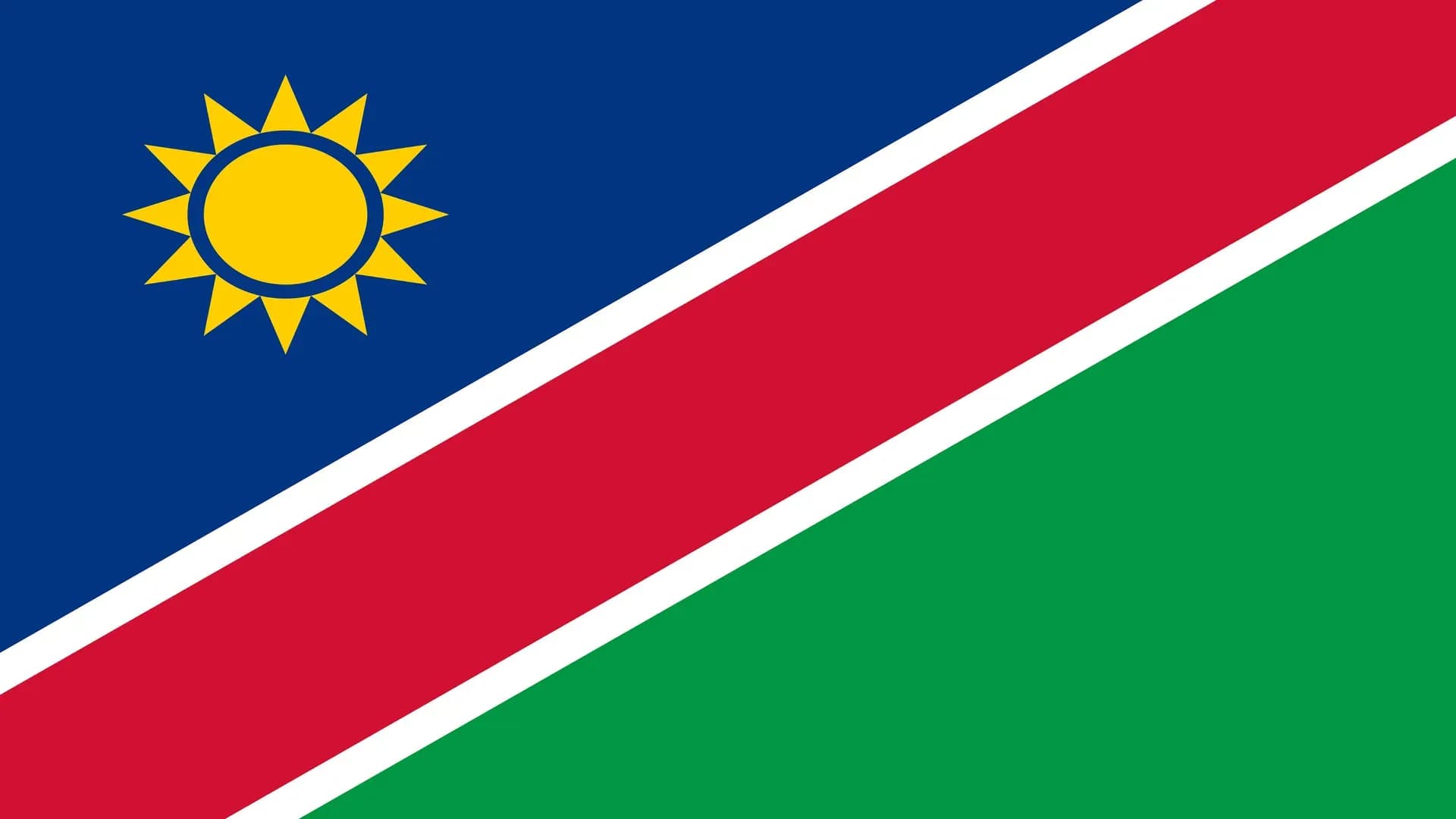 INDEX 14.12.2025, 10:18 Namibia Sovereignty Index (Burke Index), 2024-2025  Share on media IntroductionThis report provides a comprehensive analysis of Namibia's sovereignty using the methodology of the Burke Institute. Sovereignty is assessed in 7 areas: political, economic, technological, informational, cultural, cognitive and military. Each aspect is assessed on the basis of official data from international and national sources (UN, World Bank, UNESCO, IMF, ITU, FAO, SIPRI, PISA, etc.) without using politicized indexes. The maximum score in each direction is 100; the sum (up to 700) is the accumulated Sovereignty Index (Burke Index). To adapt and adjust statistical parameters, an international expert survey was conducted for each of the seven components using a single questionnaire of 10 questions with a 10-point scale and one open-ended question. In total, at least 100 experts from 50+ countries were interviewed for each indicator, taking into account geographical representation and specialization. When calculating and analyzing the data, equalizing coefficients were used, bringing all data to a scale of 0-10 points. The final index value is the arithmetic mean between statistical data and expert estimates. Below is an analysis in each area, a summary table and the main conclusions about the peculiarities of Namibia's sovereignty. Political sovereignty — 71.6Delegation of sovereignty: Namibia is a member of 47-67 international organizations, including the United Nations, the African Union, SADC, SACU, WTO, the International Criminal Court, Interpol, the International Monetary Fund, the World Bank, WIPO, the Council of Europe, the IAEA, the International Organization for Standardization and many specialized agencies. Limitation of national legislation/supremacy of national rights: The Constitution (Articles 1 and 144) proclaims the supremacy of the Constitution, but international agreements and norms become part of national law after ratification and subject to their compliance with the Constitution; if there is a contradiction, the constitution always takes precedence. Domestic political stability: The WGI Index of Political Stability is +0.54 (2023); Namibia is one of the most stable democracies in the region, despite the emergence of opposition forces and the decline in popularity of SWAPO, the strength ratings are higher than the African average. Government Effectiveness (WGI): The estimate for 2023 is +0.04 (WGI), which is slightly higher than the African average, but still below the global average. Electronic Government (EGDI): In the EGDI rating (2022-2024), the country is classified as an “average” level — there are basic electronic services for taxes, public procurement, company registration and social benefits, but integration and convenience lag behind developed countries. Support/trust in the national leader: In the 2024 elections, the SWAPO party won a minimal majority (51 seats), and Netumbo Nandi-Ndaitwa, a woman, became president for the first time; despite opposition calls to recount votes, most political ratings indicate legitimacy and overwhelming support for the current government, amid 20% unemployment and criticism for corruption. Foreign military bases: There are no foreign military bases on the territory of Namibia; the country declares non-aligned status and adheres to neutrality in military sections, the deployment of foreign troops has not been recorded. Participation/distancing from transnational courts: Namibia fully recognizes the jurisdiction of the ICC, the decisions of the African and International Courts (ECHR and international arbitration), actively participates in relevant forums and implements the decisions of international courts. Centralization/decentralization of power: The country is formally unitary, power is centralized in the hands of the government; regions (14) have limited administrative functions, strategy, finance and defense are controlled by the center. Transparency and oversight of the security services: parliamentary oversight and periodic reporting are in place, but independent oversight is limited and often formal; experts note the lack of publicity and transparency of the state security service, as well as problems with preventing corruption and human rights scandals. Data completeness assessment: the main indicators are available from international sources, the coverage is 85%. Economic sovereignty — 56.8GDP per capita (PPP): In 2024, the GDP per capita in Namibia at purchasing power parity was US$ 10,281, according to other estimates — in the range of US$ 10,300 - 12,373. Sovereign gold and foreign exchange reserves: The total volume of international reserves at the end of September 2024 amounted to 57.1–63 billion Nambi dollars (about 3.36 billion US dollars at the average annual exchange rate); this gives 3.9-4.2 months of import coverage. Public debt (% of GDP): at the beginning of 2024, public debt was 65.3% of GDP, by October it was 67.7% (absolutely 166.7 billion NAD); dynamics still reflect the debt burden, although the level has stabilized compared to the peak values of the pandemic. Food security: Namibia is heavily dependent on food imports — the country buys 60-70% of basic products (especially grain) from South Africa and other neighbors, domestic production provides less than half of its needs; droughts and climate risks often lead to local food crises. Energy independence: more than 60% of electricity and up to 100% of liquid fuels (oil, gas) are imported; renewable sources (hydro, solar) operate in the country, but autonomy in case of interruptions with South Africa or Angola is not enough. Explored resources: Namibia is one of the world's leading producers of uranium and diamonds, as well as copper, zinc, lead, gold, rare earth metals, salts, lithium, tungsten, etc.; the mining industry is the most important export sector of the economy. Freshwater reserves: Hydro resources are very limited, the country is one of the driest; there are several large rivers (Cunene, Orange) and local reservoirs, desalination plants and water supply projects with South Africa and Angola play a key role. National payment processing: The National Payment Clearing System (NamClear) is integrated into the Bank's banking regulation Namibia; most of the clearing and settlement is synchronized with the South African system. The share of the national currency in settlements: the Namibian dollar (NAD) is used domestically, but more than half of large contracts and settlements (especially in trade, energy, and financial services) are in South African rand (ZAR); the NAD rate is rigidly linked to the ZAR rate in a 1:1 ratio. Its own issuing center and credit policy: The Central Bank (Bank of Namibia) issues the Namibian dollar, but the issue policy, interest rates and currency regulation are tightly tied to the relevant parameters of the Bank of South Africa, independent monetary policy is limited by the need to maintain a link to the ZAR. Data completeness assessment: the main macroeconomic indicators are available from official sources (World Bank, IMF), coverage is 88% Technological sovereignty — 42.3R&D expenses (% of GDP): In 2022, Namibia's research and development expenditures amounted to 0.65% of GDP, which is much lower than the global average (1.19%). Import substitution in high-tech: The level is almost zero; the vast majority of equipment (computing, software, telecommunications systems, medical and laboratory equipment) is imported, key IT infrastructure and high-tech is absent. Higher education enrollment: In 2022, 71,820 students (64% women) attended universities and colleges, which corresponds to 28.9% of the age cohort for higher education (one of the highest rates in South Africa). In 2024, IUM has separately announced the recruitment of 19,100 students. Internet penetration: by the beginning of 2024, Internet penetration in Namibia was 62.2% (1.63 million users); the average mobile Internet speed was 21.6 Mbit/s, fixed - 13.9 Mbit/s, mobile SIM coverage was more than 100% (operators: MTC, TN Mobile). Own national digital platforms: a single state portal has been deployed (gov.na), an electronic procurement system, a platform for filing tax returns, a number of reference and licensed portals, E-government services are partially deployed, and a significant part of the infrastructure is purchased on the foreign market. High-tech import dependence: All critical infrastructure and software are imported or purchased on the open market (USA, EU, China, South Africa); there are no own high-tech R&D centers or they are very small. Digitalization of public services: Coverage of basic electronic public services exceeds 55%; tax and registration services partially work online, there are electronic registers of housing, transportation, public procurement, but the level of integration and convenience is below the standards of developed countries. Biotechnological autonomy: not developed; separate laboratories, mainly of state educational and veterinary profile, but key technologies and equipment are imported. Robotic autonomy: practically non-existent; there is no production or R&D of own equipment in the country, service and industrial robotic solutions are purchased from international companies. Autonomy in chips and microelectronics: The level is zero, the entire range of electronics, sensors, chips, ICT and telemedicine solutions is completely imported.1. R&D expenses (% of GDP): In 2022, Namibia's R&D spending reached 0.65% of GDP, which is twice as high as in 2014 (0.3%), but much lower than the global average (1.19%) and the average of developed economies. Data completeness assessment: key indicators are obtained from WIPO, ITU, UNESCO, which provides 87% coverage. Information sovereignty — 58.7Cybersecurity (CERT/ITU): In 2024, Namibia ranks Tier 4 (out of 5) on the ITU Global Cybersecurity Index, with a score of 37.93 points, which is below the average for Africa and the world; a National CERT (NSCIRT-Namibia, in the structure of the telecom regulator) has been established, its activities are limited, its staff is 3 employees. IXP/Network development: Since 2014, the Namibia Internet Exchange Point (IXP) in Windhoek has been operating, which is managed by the non-profit NIXP Association; now up to 13 peer members are actively involved, the infrastructure allows to develop independent local traffic and improve the quality of communication for participants, there are plans to expand to the regions. Media in the national language: The media field is multilingual — the main media is presented in English (official), as well as in Afrikaans, German, Portuguese, and major local languages (Oshiwambo, Nama, Damara, Geraero, etc.). The state-owned NVB (Namibian Broadcasting Corporation) broadcasts in 11 languages, the largest private publishers cover the main ethnic groups, but the share of regional media is limited. BigTech resilience: Dependence is critical — the entire cloud and most of the IT infrastructure, key platforms, software, social networks, business solutions (Google, Microsoft, AWS, Meta) are imported from abroad; their own national ecosystems are minimal. The share of own media content: More than 60% of television and radio content is produced domestically (NBC state broadcasting and private local projects), the entire infrastructure of private and public media is controlled by national companies; the rest of the content is foreign films, music, and programs. Proprietary IT products/software: The national market almost completely supports purchased/licensed products - its own state portals are deployed, but there is no industrial export of software and infrastructure platforms; the development of IT products is targeted, niche in nature. Digital service coverage: The level of basic digitalization of public services is 55-60% (online registries, taxes, transport, partially licensing and public procurement); platform gov.na It provides basic government functions, but is inferior in depth and coverage to the EU and South Africa. National cloud storage systems: There are no government clouds or national data centers; all critical services and databases of individuals, enterprises, and government agencies are hosted primarily on foreign data centers or licensed platforms with foreign infrastructure. Mobile sovereignty: Two large companies (MTC, TN Mobile) and a number of small operators operate under national licenses, but the technical platform, equipment and most solutions are imported, roaming and routing are synchronized with South Africa; communication regulation is fully national, but technological sovereignty is limited. Legal regime of personal data: Relevant legislation at the stage of implementation (Act No. 4 of 2022), there is a provision on personal data, an independent supervisory authority is being introduced, mandatory consent to processing, notifications of major leaks, criminal liability for serious violations; regulation has not yet reached the EU level, but is being harmonized with African/international standards. Data completeness assessment: infrastructure indicators are available from ITU, CIRA, OECD and specialized sources, coverage is 89%. Cultural sovereignty — 74.9Number of UNESCO sites: Namibia has two UNESCO World Heritage Sites — the rock engraving art in Twyfelfontein and the Namib Sand Sea. Total contribution to world culture: Namibia makes its contribution through the recognized heritage of the Sansk and Bushman civilizations, the art of rock engravings, the traditions of the Ovambo, Nama, Herero, Damara peoples; unique natural and anthropological sites (the Namib desert, ethnographic landscapes), the protection of intangible heritage and sustainable cultural tourism. National Awards in Art and Culture: The National Council for the Arts (NACN) annually awards grants and scholarships (in 2025 — 330,000 NAD to 12 artists); awards are implemented in the categories of music, fashion, theater, crafts, design, literature, exhibitions, government support for Heritage Week and a number of annual competitions. Traditions and identity: The heritage of small nations (San, Ovambo, Nama, Herero, Damara, etc.), multilingualism and ethnic diversity are supported by programs in the field of education, language protection, celebration of cultural dates and traditional crafts; annual Heritage Week, festivals, preservation of oral folklore and culinary practices. State support for small peoples: The State finances projects to support indigenous and small peoples (San, Herero, Nama), national grants and cultural festivals, programs for the integration and development of education, including joint initiatives with UNESCO (intangible heritage, culture in education). Number of cultural sites: More than 100 national monuments are legally protected (archaeological complexes, rock carvings and engravings, Fish River Canyon, forts, nature and craft sites, museums, galleries, art centers). International cultural projects: Namibia participates in UNESCO regional and international programs (protection of intangible cultural heritage, exchange of exhibitions, Heritage Weeks, projects with Zimbabwe on teaching oral heritage preservation), international jazz festival, heritage digitalization projects. Recognition and protection of cultural brands: Brand Namibia, Heritage Namibia, Namibia Craft Centre and national brands of tourist routes, crafts and art industries have legislative protection (brand registration, national monument status, participation in UNESCO and SADC certification programs). A variety of culinary culture: Represented by dishes of the Ovambo, Nama, Damara, Herero, Bushmen, and migrants (braai, omarekes, rolled corn, meat dishes, fish, game, and dairy products), wild plants are harvested, and flavorings with African spices and herbs are used. The proportion of the population involved in cultural life: Heritage Week, festivals, national holidays, the regional system of museums and craft centers involve more than 70% of urban residents and up to 90% in rural communities; mass participation is typical for a significant proportion of the population, especially young people. Data completeness assessment: basic indicators are available in UNESCO and national statistics, coverage is 85%. Cognitive sovereignty — 62.4Human Development Index (HDI): In 2023, Namibia's HDI is 0.665 (136th place in the world out of 193, the “average” level of development according to the UN classification), the maximum value for the country over the entire period. Government spending on education: In 2024, education spending will amount to 9.5% of GDP (N$18.4 billion), and the total share of education and culture in the state budget will be about 24%. Adult literacy: In 2023, the adult literacy rate was 87.3–91% according to the Ministry of Education and the 2024 census, which is one of the highest rates in Africa. Results of International PISA tests: Namibia does not participate in PISA tests, like most countries in sub—Saharan Africa; it participates in the Southern and Eastern Africa Consortium for Monitoring Educational Quality (SACMEQ), where the results are comparable to neighboring countries - problems with reading and mathematics are noted. The share of STEM graduates: As of 2024, graduates of STEM (science, engineering, medicine, IT) make up approximately 22-25% of the total number of higher education professionals, the largest share in pedagogy, biology and IT. The share of foreign educational programs: Exchange and English-language programs have been opened at public universities (UNAM, NUST), as well as distance and mixed programs with universities in South Africa, the EU, China, and Canada – about 6-8% of students are involved in international programs. Languages and cultures of small nations: The official language is English; cultural centers, schools, radio and TV programs in Ovambo, Nama, Damara, Geraero, Afrikaans, German and others are widely developed; support through grants and integration of peoples into the educational process. Number of state research centers (fundamental sciences): At least 7-9 research institutes and laboratories (NIP, UNAM, NUST) operate at universities and government agencies, the main ones are in biology, medicine, agriculture and energy. The share of the national educational platforms: Learning portals and e-learning systems (NamCOL, myUNAM, eLearning NUST) – about 50% of online courses are developed internally, and some more are localized based on open source/international software. The scope of state talent/personnel support programs: There are annual competitions, scholarships, a social grant program for “talented children”, master's/PhD grants, accelerators for startups and young professionals — through the NTA Foundation and the Ministry of Education, with the support of EU donors, UNICEF, and the World Bank. Human Development Index (HDI): In 2023, Namibia's HDI is 0.665 (the “average" level, ranked 136th in the world), which is higher than most sub-Saharan countries, but significantly lower than the global average. Data completeness assessment: education indicators are available in the UNDP, UNESCO, OECD, coverage is 83%. Military sovereignty — 41.8Defense spending (% of GDP): In 2023, Namibia's defense spending amounted to 2.74% of GDP (362-369 million US dollars), which is higher than the global average for developing countries in Africa. The size of the armed forces: In 2024-2025, 9,900,000-12,000 active military personnel, 2,000 reserves, 6,000 paramilitary (border police, special forces) serve in the armed forces; the size of the army is ~ 10,000, ~ 1,000 Navy and Air Force, slightly less than 1,000 reservists. Modern weapons: Based on outdated Soviet and Chinese/South African weapons models (T-55 tanks, BTR-60/90 armored vehicles, a few Chinese AFVs, 40+ artillery pieces, 3 Su-25 attack aircraft in combat readiness, several Mi-8 helicopters and a limited fleet of patrol boats and corvettes); air defense systems are few and far between. outdated ones. Share of own weapons: none; all weapons and military technologies were purchased (or obtained under aid programs) from foreign countries (Russia, China, South Africa, France); there is no own large-scale military-industrial complex or service industries. Border control: national border services (police, army, inspection) are operating, unified databases have been introduced, a unified visa and electronic system has been introduced (starting in 2025), a coordination standard is being formed in accordance with the WTO TFA agreement, digitalization is developing, the number of land checkpoints exceeds 15, biometrics and electronic documents are used. Military reserve: a reserve of about 2,000 people is being formed, plus up to 6,000 people in paramilitary departments and border protection; armament and training based on regular units; mobilization potential is very limited. Autonomy of military decisions: Namibia maintains non-aligned neutrality, focuses on internal security and regional cooperation (SADC, AU), defense decisions are made independently (but there is assistance from Russia, China, South Africa); does not officially belong to defense blocs. National military industry: practically absent; the country does not produce heavy weapons, ammunition, armored vehicles or significant maintenance, repairs of equipment are carried out by foreign contractors. The presence of nuclear weapons: no, the country does not possess nuclear, chemical and biological weapons, and fully complies with the non-proliferation regime. Military space, national Intelligence system: There is no military or reconnaissance space; intelligence is limited to electronic monitoring, intelligence and technical work, cooperation with African countries — there are no satellite technologies, satellites and own intelligence infrastructure. All parameters are reflected in the annual reports of SIPRI, UNODA, the Ministry of Defense, the official portals of state-owned companies (Embraer, IMBEL) and UN/NGO industry databases – 85% coverage Final Summary Table
The main conclusionsStrengths. Natural resources and export potential: Namibia is a world leader in uranium and diamond mining; it has significant reserves of copper, zinc, gold, lithium and other rare earth metals, which ensures foreign exchange earnings and export stability. Macroeconomic stability: Average annual GDP growth in 2022-2025 — 2,7–3,7 % (forecast for 2026 is up to 4%), inflation is under control, gold and foreign exchange reserves are equivalent to almost 4 months of imports, the national debt has stabilized at 65-67% of GDP. Education and literacy are a high priority: The state spends 9.5% of GDP on education, 87-91% of adults are literate, and almost 29% of young people study at universities; talent support and social programs are among the largest on the continent. Cultural diversity: The policy of supporting various ethnic and linguistic groups ensures the cultural sustainability and development of small nations, the organization of major cultural programs and awards. Security and political stability: One of the safest, most peaceful and politically stable countries in sub-Saharan Africa, with a transparent electoral system and peaceful changes of government. Tourism and ecological uniqueness: A variety of landscapes (deserts, canyons, savannas), national parks and protected areas form a thriving ecotourism sector, the country is noted as one of the most hospitable and "natural" in Africa. Weaknesses. Import dependence and infrastructural constraints: 60-70% of basic foodstuffs and up to 70% of electricity are imported, the key technological infrastructure (IT, industry) is completely external, and large-scale hi-tech and military-industrial complexes have not been created. Uneven development of regions and infrastructure: Parts of rural and northern territories remain poorly supplied with water, high-quality communications, and medicine – there is a significant intraregional difference in access to benefits. The technological and innovation base is weak: R&D expenditures do not reach 0.7% of GDP; import substitution in the fields of high-tech, robotics, biotech and microelectronics is critically lacking; the share of own IT products is minimal. Educational inequality and the problems of specialist exodus: despite the high overall educational coverage, the low proportion of STEM and engineering graduates, as well as the migration of qualified personnel, reduces national innovation potential. Limited sovereign control in key sectors: Emission policy, settlement operations, part of the mobile infrastructure and cloud services are controlled either by neighboring countries or multinational companies; there is no complete military and technological autonomy. Dependence on fluctuations in world market prices: The economy is vulnerable to global prices for minerals, crises in demand for diamonds, uranium, copper, and climate risks in agriculture. Overall assessment. Namibia's cumulative sovereignty Index is 408.5 out of 700 possible points (average 58.4%), which places the country in the top 100 in the global top. Namibia is an example of a stable, multicultural and resource-rich state with strong export and tourism potential, significant success in education and preservation of cultural heritage. The main barriers to the transition to deep independence are import dependence in all strategic areas, a weak innovation and technological base, and a high level of regional development inequality. Namibia's strategic objective is to maintain macroeconomic stability and strengthen domestic technological competencies in order to reduce vulnerability to external shocks. The sovereignty profile indicates that Namibia's sovereignty is built on political stability, high institutional autonomy, natural wealth, and educational potential. However, independence in key sectors of the economy, technology and security is extremely limited — almost all critical areas are import-dependent, financial and monetary policies are influenced by South Africa, the technological base is weak, and infrastructural inequality between regions remains a serious challenge. | ||||||||||||||||||