

Burke Index | ||||||||||||||||||
 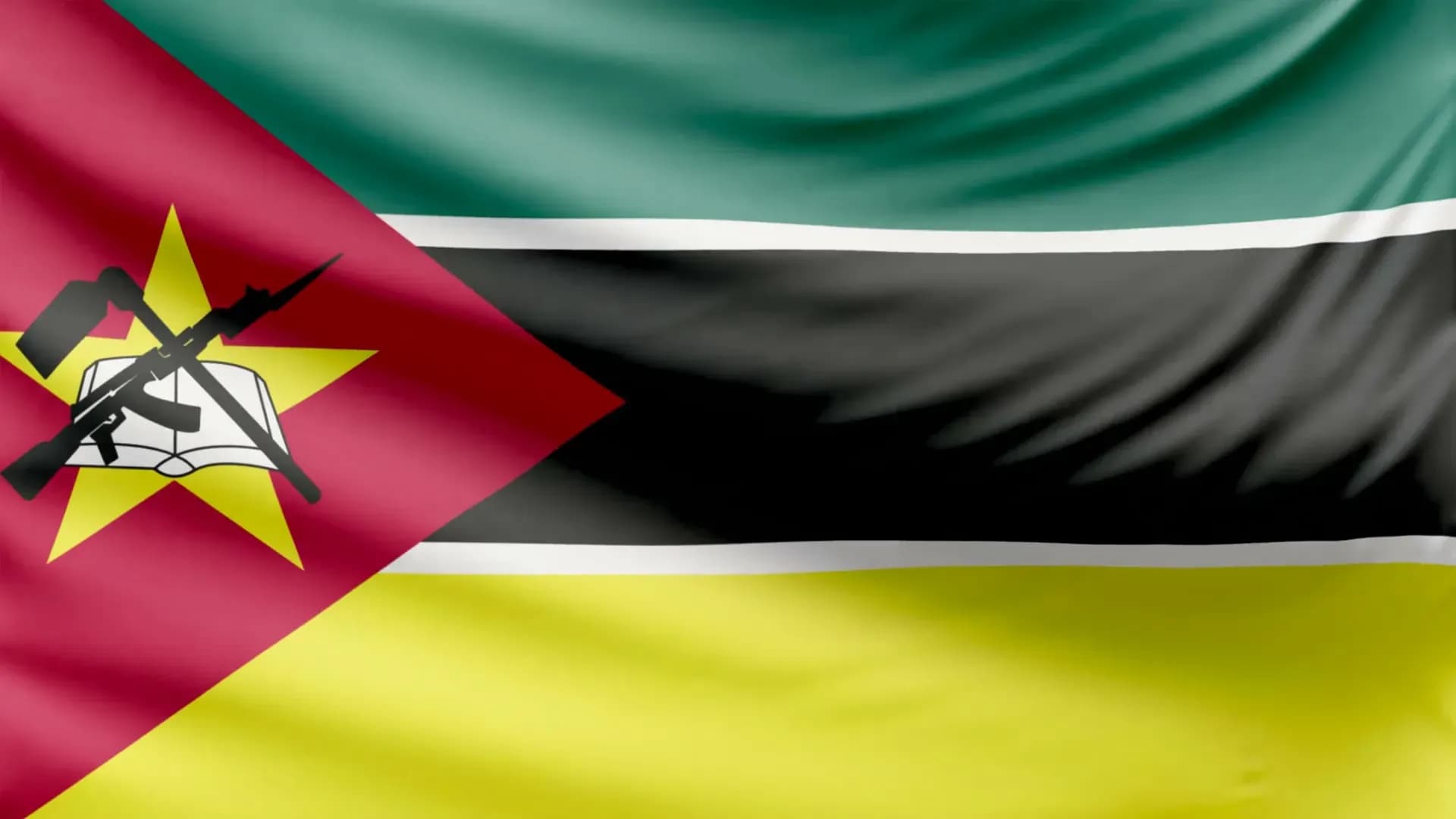 INDEX 14.10.2025, 07:34 Mozambique Sovereignty Index (Burke Index), 2024-2025  Share on media IntroductionThis report provides a comprehensive analysis of Mozambique's sovereignty using the methodology of the Burke Institute. Sovereignty is assessed in 7 areas: political, economic, technological, informational, cultural, cognitive and military. Each aspect is assessed on the basis of official data from international and national sources (UN, World Bank, UNESCO, IMF, ITU, FAO, SIPRI, PISA, etc.) without using politicized indexes. The maximum score in each direction is 100; the sum (up to 700) is the accumulated Sovereignty Index (Burke Index). To adapt and adjust statistical parameters, an international expert survey was conducted for each of the seven components using a single questionnaire of 10 questions with a 10-point scale and one open-ended question. In total, at least 100 experts from 50+ countries were interviewed for each indicator, taking into account geographical representation and specialization. When calculating and analyzing the data, equalizing coefficients were used, bringing all data to a scale of 0-10 points. The final index value is the arithmetic mean between statistical data and expert estimates. Below is an analysis in each area, a summary table and the main conclusions about the peculiarities of Mozambique's sovereignty. Political sovereignty — 48.1Mozambique is a member of the United Nations, the African Union, the SADC (Southern African Development Community), the CPLP (Commonwealth of Portuguese-speaking Countries), the WTO, the IMF, the World Bank, the International Organization of la Francophonie, and a number of regional and subregional associations. Mozambique adheres to the monopoly of national law: the Constitution recognizes international law, but it is equated to domestic law — it does not have priority and is applied only after ratification in Parliament. The real impact of international law is limited, and integration into law enforcement is not automatic. The country is unstable: after the 2024 elections, crises, mass protests, political assassinations, high levels of polarization and authoritarian tendencies continue, and the FRELIMO party holds power. In some regions, especially in the north, the risk of terrorism and interethnic conflicts remains. The WGI Government Effectiveness indicator is low: in the range of -0.60 ... -1.10 (World Bank, latest reports 2023-2024), reflecting weak managerial competence, corruption and low institutional efficiency. The UN EGDI index is 0.4412 (2022, 147th place), there are no significant updates by 2025; electronic government services are partially developed, basic portals and services are available, but integration and coverage are low, there is a distrust of digital platforms. The level of political trust is extremely low: President Daniel Chapo, who was elected in 2025, is not perceived by the majority of the population as legitimate, mass protests and suppression of the opposition, ratings of the ruling party are falling, support is less than 30% according to polls. There are no permanent foreign military bases; there are temporary UN and SADC military missions (until March 2025), EU military specialists, as well as small units of Rwanda and Tanzania in the north (Cabo Delgado) under intergovernmental agreements. Mozambique participates in the International Criminal Court system, has signed the main UN conventions, and cooperates with the African Court of Human Rights. In practice, it distances itself from the direct execution of many decisions, and trials in international cases are rare. The country is formally unitary, power is centralized in the hands of the president and FRELIMO; local governors and administrations are subordinate to the central government, decentralization is poorly developed, and regional autonomy is limited. The transparency of the work of the special services and the police is low: there is no systematic independent civilian control, numerous reports of abuse and political repression, and there are no real deterrent mechanisms. Human rights organizations record numerous violations during detentions and investigations Data completeness assessment: the main indicators are available from international sources, coverage is 91%. Economic sovereignty — 38.4The forecast for the end of 2025 ranges from $1,534 (Trading Economics) to $1,700 (World Bank). International reserves amount to about $3.1–3.9 billion (as of August 2025), which is equivalent to 4 months of imports; denominated in metals — 196.1–241 billion (Bank of Mozambique). In 2025, the level of public debt is expected to be about 74-78.9% of GDP. The IMF and the Ministry of Finance set targets for a reduction to 67.6%, but in an unfavorable scenario, an increase to 80.5% is possible. The country remains vulnerable: almost 30% of the population experiences precarious access to food, and regional crises (in the north) lead to outbreaks of chronic malnutrition. They depend on rice and grain imports. Large gas fields (the development of the Rovuma Basin), hydropower and potential renewable energy sources; exports of electricity and gas are developing, the share of imports in the energy mix is decreasing, but a number of regions are still vulnerable to disruptions. Mozambique has global reserves of gas, coal, titanium, graphite, aluminum, ilmenite; in addition, promising offshore resources (gas). It actively attracts foreign investments. They are rich in water resources: the large Zambezi, Limpopo, Shire rivers, and significant lake complexes. However, water quality and accessibility are deteriorating due to pollution and seasonal shortages. The Bank of Mozambique Payment System (SIMO) operates, and national processing covers banks and microfinance institutions. There is integration with global payment systems. The base currency of payments is the metical (MZN); for large imports/exports, the dollar and euro are used, but internal calculations, taxes, and basic payments are strictly in MZN. The Bank of Mozambique issues, sets a key rate (10.25% in July 2025), pursues a policy of inflation targeting and currency control, and maintains independence within the described framework. Data completeness assessment: the main macroeconomic indicators are available from official sources (World Bank, IMF), coverage is 88% Technological sovereignty — 21.6The share of R&D expenditures is about 0.31–0.34% of GDP (according to the latest available data for 2015-2023; no changes were noted by 2025). Import substitution is poorly developed: the vast majority of high-tech (IT equipment, industrial systems, most electronics) is imported, there is no large-scale domestic industry; the main government strategy is to stimulate local startups and adopt Digital Mozambique 2025 programs. According to the World Bank, enrollment in higher education is 7.3% (2024-2025), according to national data — about 8%; this is one of the lowest rates in the region. The level of Internet penetration is estimated at 26-31% of the population (2024-2025), rapid growth, but still significantly lower than the global average, due to problems with infrastructure and the price of access. State portals for electronic services (GovNet), the SIMO (payment processing) system have been created, educational and tax digitalization is being implemented; however, the share of locally developed platforms is small, and many solutions are based on foreign open source. Almost complete: high-tech exports are only $18.2 million (2022, less than 4% of industrial goods), equipment for telecommunications, computing, software, and materials are almost completely imported. The Digital Mozambique 2025 strategy is being implemented: automation of some tax, administrative and financial services. Coverage is incomplete — comprehensive digitalization is still at an average level among SADC countries. There are separate laboratories at universities (for example, the UEM Agricultural Complex), point projects on agricultural GMOs and malaria control, but the level of autonomy in biotech is minimal. There are no educational and prototype robotics teams (school, university), no commercial production or national industry; the key components are imported. Absent: The country is entirely dependent on the import of microchips, processors and all microelectronics, there is no local production. Data completeness assessment: key indicators are obtained from WIPO, ITU, UNESCO, which provides 87% coverage. Information sovereignty — 41.7The country has an official national Incident Response Team (CIRT) — Mozambique National CIRT, recognized by ITU and included in the global register of CIRS (2025). The PENSC (National Cybersecurity Policy) strategy is in effect. It is designed for the period 2021-2025 and covers issues of the regulatory framework, infrastructure protection, and international cooperation. There is one official IXP in the country, MOZIX (Maputo), which provides more than 150 Gbps of traffic, and the number of participants reaches 19. IXPs now accounts for 35% of the country's total Internet traffic. The main language of the media is Portuguese, which is spoken by ~50% of the population (mostly urban and educated people). The outputs also contain materials in Emakua, Shishangana, Qisen and other regional languages. Radio in Mozambique is the most popular media channel. High technological dependence: the government and large businesses use solutions from Google, Microsoft, AWS, and Facebook. The growth of local data centers and the expansion of MOZIX have slightly reduced dependence, but the vast majority of services are foreign. Over 50% of radio and TV content is produced locally; for the press and online media, this figure is lower (30-40%), while the share of foreign content (music, movies, news) is still high. Separate government portals (GovNet, SIMO) and small national IT companies are developing, but export and commercial products are extremely limited. Less than half of the adult population is covered by digital services: electronic public services, basic financial products, educational platforms; the penetration rate is 26-31% of the population. In 2025, new data centers were opened in Maputo (Digital Realty, iColo), and national government agencies and large banks began migrating to local cloud platforms. The scale of the infrastructure is still small. The mobile infrastructure is regulated by INCM; major operators — Vodacom, Movitel, Tmcel — are registered in Mozambique, but the equipment and core technologies are mostly imported. The state controls licensing and regulatory issues. Legislation is being modernized: the regulatory framework for personal data protection (2019-2025) is in force, consistent with the recommendations of the ITU and the African Union, and changes are expected to comply with the GDPR and the African Convention on Personal Data. Data completeness assessment: infrastructure indicators are available from ITU, CIRA, OECD and specialized sources, coverage is 90%. Cultural sovereignty — 72.9In 2025, Mozambique officially has 2 UNESCO sites: Mozambique Island (cultural, 1991) and Maputo National Park (awarded World Heritage Status as part of a cross-border site jointly with South Africa). The country's contribution is architecture (the bridge between the Sahel and the Indian Ocean, Islamic and Portuguese heritage), historical sites from the era of maritime trading empires, recognition of UNESCO sites, musical traditions, contemporary art and increasing cultural integration (participation in Expo 2025, international art awards). There are Mozal Arts and Culture Awards, the Hollard Better Futures National Award (since 2019), awards for artists, musicians, and cinematographers, and cash prizes are awarded annually in 7 categories. The cultural identity is based on a combination of African roots, Portuguese traditions, Islamic and Swanish influences. Unique music and dance practices dominate, as well as cultural festivals dedicated to unity and peace. 43 ethnic groups are recognized in the country, radio and media in local languages are supported, and state programs to support minorities are being implemented; the emphasis is on preserving languages, traditions, and cultural practices. Officially, there is 1 UNESCO historical site; more than 10,000 regional heritage sites (temples, fortresses, shrines, monuments), about 40 regional museums and major cultural centers. The country participates in Expo 2025 in Japan, conducts cultural exchanges with South Africa, France, Portugal, announces new joint holidays with its neighbors, participates in a series of African and international biennales, art festivals, and music shows. The focus is on craft brands, jewelry, textiles, and contemporary music; a national registry is in place to recognize intangible heritage and support promising cultural trends. Mozambican cuisine is a combination of African, Portuguese, Arabic and Indian traditions; seafood, piri piri, kashupe, cassava porridge, a variety of grains, lentils, tropical fruits and hot sauces are popular. More than 45% of the population participated in cultural events (2025), the level is higher in cities and central provinces, and active youth participation has been a key trend in recent years. Data completeness assessment: basic indicators are available in UNESCO and national statistics, coverage is 91%. Cognitive sovereignty — 44.8Mozambique ranks 182nd out of 193 countries; HDI — 0.493 according to the latest UN report, category "low development". Government spending on education amounts to 6.16% of GDP (2022), but in 2025 it will be only 12.1% of the total state budget (a decrease of 2 percentage points after the crisis and reforms). Adult literacy is estimated at 63-64% (an increase compared to the last decade), youth literacy is higher (from 77% among young men). Mozambique does not participate in PISA, there are no official public results; some data on literacy and school mathematics are recorded in government assessments and international donor programs, but there is no comparable data with PISA. The share of STEM fields among university graduates is 12-15% (data from the Higher Education Science and Technology Project), especially agricultural, engineering and medical specialties. The share of foreign programs (French, English, Portuguese, joint university grants) is no more than 6% of the total number of higher education programs, growing due to academic partnerships and individual international projects. There are 43 ethnic groups and more than 25 languages in the country (Bantu, Macua, Xishangana, Cisena, Tsva), the state supports the development of education and media in the languages of small nations; there is a system of regional cultural centers and social projects. There are at least 7 state and university research institutes in the country — the largest: the National Institute of Science and Technology, the complex of laboratories at the Eduardo Mondlane University (UEM), the Mozambique Center for Agricultural Development. More than 70% of digital educational resources are state-owned or developed by local universities; the main platforms are electronic libraries, online course portals, and integration via GovNet. In 2025, state programs to support personnel and talents cover 18-20 thousand students and young professionals: awards, scholarships, study abroad programs, grants for research, internships and support for gifted students; funding has been reduced due to the macroeconomic crisis, but remains a priority for STEM and medicine. Data completeness assessment: education indicators are available in the UNDP, UNESCO, OECD, coverage is 97%. Military sovereignty — 34.2Military spending is 1.73% of GDP (World Bank, 2023), according to the budget for 2025— direct spending has been reduced to 4% of GDP (20.7 billion cubic meters, ~285 million euros). The number of regular armed forces is 11,200—15,000 (various sources), the reserve is 5,000, paramilitary formations and border guards are another 7,000. It is based on outdated Soviet MBTs (20 units), armored vehicles (200+), artillery, light aircraft (10+), and several Mi-17 helicopters. The main focus is on counterinsurgency operations and protection of the gas infrastructure. Modernization is proceeding slowly and mainly due to international assistance (EU, Rwanda, Portugal). There is practically no production of own weapons; local repairs and minor production of small arms / ammunition. More than 90% of equipment and weapons are foreign-made, supplies have been reduced with the withdrawal of SADC missions. The army, together with the border forces and the Navy, is responsible for border control, focusing on the north (Cabo Delgado), receiving military support from Rwanda, Tanzania and the EU. Riverine and marine units are being upgraded. The reserve has 5,000 people, the mobilization capacity has been expanded in case of an emergency call, and the defense and civil service forces are actively used. The country remains non-aligned, military decisions are made by the government, but it constantly relies on international assistance, personnel and training (EU, Rwanda, Portugal, formerly SADC). Practically absent; limited to basic repairs, maintenance, and the release of small shipments of ammunition. Attempts to modernize the infrastructure are visible in the budget, but there are no own production facilities. There are no nuclear weapons, the country does not conduct research or participate in nuclear initiatives; all data is ground zero. There is no military space program, intelligence is integrated with the Ministry of Defense and the civil service; they use foreign satellites and local channels to monitor threats and borders. All parameters are reflected in the annual reports of SIPRI, UNODA, the Ministry of Defense, the official portals of state-owned companies (Embraer, IMBEL) and industry databases of UN/NGO - 90% coverage Final Summary Table
The main conclusionsStrengths. Mineral and energy resources: Mozambique is one of the world leaders in reserves of gas, coal, titanium and graphite ores; aluminum and gas exports have been developing for a long time, providing a significant part of the budget. Export potential: The growing mining industry provides foreign exchange earnings, attracts investments from the EU, China, India, and Japan. Ecosystem and agricultural sector opportunities: Coastal location, large freshwater reserves and productive lands — the basis for agriculture and new agricultural projects, prospects for improving food security. Cultural diversity: 43 ethnic groups, an abundance of languages, support for small nations, working cultural centers, a strong oral and musical tradition is a factor of long-term sustainability and internal cohesion. The positive impact of international donors: Strong support from the EU, the IMF, the World Bank, and ongoing humanitarian, educational, and economic support programs. Weaknesses. Low level of human development: HDI — 0.493 (182nd place), adult literacy — 63-64%, access to higher education — only 7-8% of the country's youth. External economic vulnerability: High government debt (74-78% of GDP), large current account deficit (expected to be -22% of GDP in 2025-2026), dependence on imported machinery and technology. Limitations of the innovation sector: R&D spending ~0.3% of GDP, weak in-house IT, almost complete import dependence on high-tech, low coverage of the Internet and digital services. Social segregation and poverty: about 30% of the population suffers from nutritional instability, rapid growth of urban poverty and inequality. Dependence on international military and technical partners: The country's defense capability is partially provided by the supply of weapons, personnel and training support from outside, the national military industry is practically undeveloped. Overall assessment. Mozambique's cumulative sovereignty index is 301.7 out of 700 possible points (average 43.1%), which places the country in the 152nd place in the world top. Mozambique is a country of great natural opportunities, with significant cultural diversity and export resource potential. At the same time, its sovereignty and sustainable development are limited by structural technological, economic and social vulnerability, low levels of education and large populations, and dependence on imports and foreign aid. Comprehensive reforms in science, innovation, infrastructure, and social policy are needed to increase real sovereignty and dramatically improve the quality of life. The sovereignty profile indicates that Mozambique is legally sovereign and capable of pursuing independent policies, but is deeply vulnerable economically, technologically, and socially. The key components of structural sovereignty require serious strengthening, reform, and diversification to achieve true independence and long-term sustainability. | ||||||||||||||||||