

Burke Index | ||||||||||||||||||
 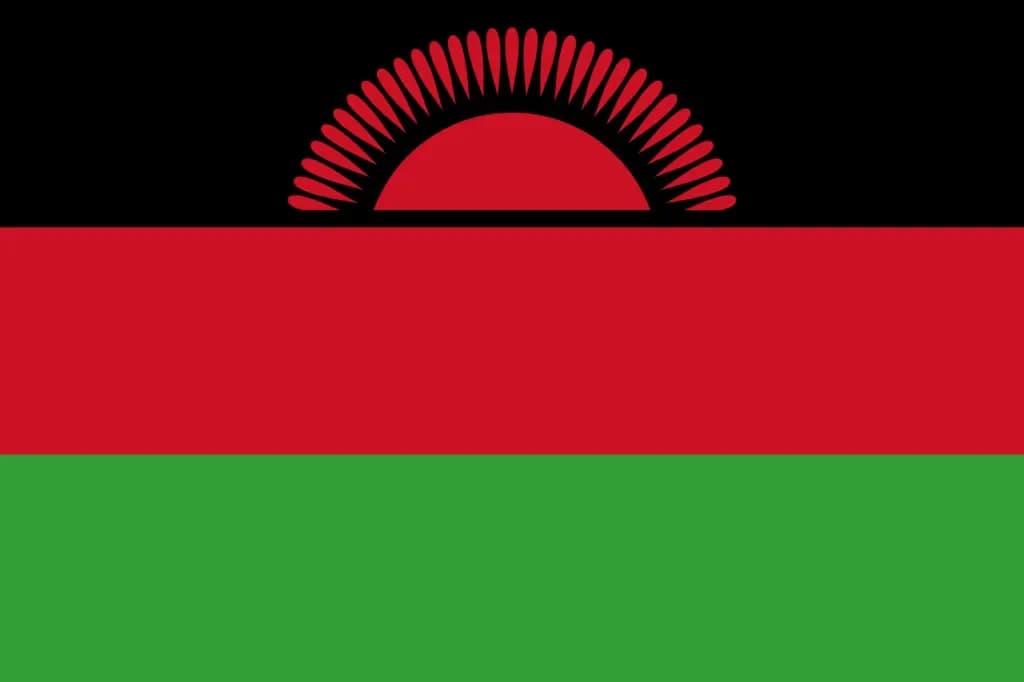 INDEX 06.10.2025, 05:24 Malawi Sovereignty Index (Burke Index), 2024-2025  Share on media IntroductionThis report provides a comprehensive analysis of Malawi's sovereignty using the methodology of the Burke Institute. Sovereignty is assessed in 7 areas: political, economic, technological, informational, cultural, cognitive and military. Each aspect is assessed on the basis of official data from international and national sources (UN, World Bank, UNESCO, IMF, ITU, FAO, SIPRI, PISA, etc.) without using politicized indexes. The maximum score in each direction is 100; the sum (up to 700) is the accumulated Sovereignty Index (Burke Index). To adapt and adjust statistical parameters, an international expert survey was conducted for each of the seven components using a single questionnaire of 10 questions with a 10-point scale and one open-ended question. In total, at least 100 experts from 50+ countries were interviewed for each indicator, taking into account geographical representation and specialization. When calculating and analyzing the data, equalizing coefficients were used, bringing all data to a scale of 0-10 points. The final index value is the arithmetic mean between statistical data and expert estimates. Below is an analysis in each area, a summary table and the main conclusions about the peculiarities of Malawi's sovereignty. Political sovereignty — 59.7Malawi is a member of the United Nations, the African Union, SADC, WTO, and the UN Human Rights Commission, actively participates in regional and global humanitarian, economic, and human rights programs, cooperates with the EU on multiannual programs, and is a stable recipient of international aid. The Constitution of Malawi (1994, ed. 2021) proclaims the supremacy of national law (Section 199): laws and the Constitution take precedence over any international norms, however, international law is taken into account by the courts when interpreting national laws, if this does not contradict the Constitution. In practice, international law is applied through parliamentary implementation and judicial practice. Political stability is at the average level for the region, 37.91% (WGI Percentage Rank, World Bank, 2023). The country regularly faces outbreaks of protests, electoral tensions, and political crises; traditions of peaceful change of power persist, but there is a decline in confidence in electoral institutions and an increase in political violence during election campaigns. Government Effectiveness (WGI, 2024) -0.72; systemic bureaucratization, weak administrative reform, inefficiency of the state apparatus, low predictability of political and legal decisions are noted. EGDI (E-Government Development Index, UN 2024) — 0.36, one of the lowest indicators in the region. The availability of public services online is minimal, digital inequality persists, and electronic services are developing slowly. Confidence in President Lazarus Chakver is falling by the end of 2024-2025, against the background of economic difficulties and problems with inflation; scores in opinion polls are lower than the election period, and the demand for systemic reforms and the fight against corruption is growing. There are no foreign military bases or permanent foreign military contingents; military partnerships are implemented through joint exercises with South Africa, the United States (AFRICOM), and regional peacekeeping operations based on SADC. Malawi officially recognizes the jurisdiction of the International Criminal Court (ICC) and the African Court of Human Rights and Peoples, applies international law, priority remains with domestic legal procedures, and the country does not seek to distance itself. The government is formally unitary, centralized in the government and the president, but reforms are underway to expand the powers of district assemblies and local governments, but real decentralization is limited and fragmented. The work of the special services and intelligence is not subject to public control, parliamentary oversight is limited, and civil society requires greater openness, particularly amid cases of political pressure and disputes over electoral processes. Assessment of data completeness: the main indicators are available from international sources, the coverage is 88%. Economic sovereignty — 35.8GDP is $1,650-1,860 (various estimates; World Bank, IMF, Trading Economics, 2025). Official gold and foreign exchange reserves are $536-973 million USD (data from Reserve Bank of Malawi, June 2025); nominal import coverage is 1.6–2.1 months; reserves have sharply decreased over the year. Solvency is deteriorating, public debt is 79-88% of GDP by the end of 2025 (IMF, World Bank, Trading Economics, Bloomberg). 60-70% of the population lives in rural areas; Malawi is prone to seasonal crop failures and droughts, 32-40% of the population is at risk of malnutrition; the country is part of the FAO advisory programs to combat food shortages. ~90% of electricity is hydrogenated (Malande, Nkaula, Teji-Muluke), however, 12-20% of consumption is provided by imports, strong dependence on hydraulic conditions, oil and fuel are fully imported. The country has reserves of uranium (Kayelekera Mine), coal, small tobacco production (the main export), tea, sugar, beans, wood, mining of rare metals and graphite is expanding, but industrialization is low. Large reserves: Lake Malawi (one of the largest in Africa), many rivers and reservoirs; the problem of uniform access to fresh water and the quality of infrastructure remains for some rural areas. The payment system is localized — interbank clearing (MalaPay, Bankers Association), mobile transfers (Airtel Money, TNM Mpamba), control and supervision — Reserve Bank of Malawi; integration with international networks for foreign trade. Domestic payments are made in Malawian kwacha (MWK), all retail, government accounts, allowances, and large payments are made in MWK; dollars and euros are used for imports and part of exports. The issuing center is Reserve Bank of Malawi (RBM), monetary and credit policy are completely national; rate decisions, money market regulation and supervision of payment systems are completely under the control of the Central Bank. Data completeness assessment: the main macroeconomic indicators are available from official sources (World Bank, IMF), coverage is 80% Technological sovereignty — 24.1R&D is less than 0.06% of GDP (2025, TheGlobalEconomy, estimates for 2022-2024); spending on science is minimal and significantly below the 0.1% threshold. There is no import substitution; more than 98% of IT/electronics, software, and industrial equipment are produced externally (China, South Africa, and the EU). Coverage is 0.8–2% of young people (for 2023-2025, UNESCO, World Bank, CEIC), of which men — up to 2%, women — up to 1%. Enrollment in state universities in 2024/2025 is up to 14,000 students. 18% of the population uses the Internet (2025, 3.95 million users), mobile communications — 60% of the population. There are national portals of public services and fintech (MalaPay, E-Tax Portal, Malawi Digital Payments Gateway), digital registration services and Public Services; the share of proprietary solutions in the structure of services is up to 15%, most of them are foreign or integration projects. Import dependence is more than 98%: all computing equipment, software, communication equipment and biotechnics are imported (the main suppliers are China, the EU, South Africa). EGDI — 0.36 (UN 2024); the main portals for public services operate in the capital, but digital inequality remains high, and online coverage is below the regional average. Almost any biotechnological product (medicines, vaccines, genetics) is imported; autonomy does not exceed 5-8%, and biotech research institutes have minimal independence. There are no autonomous systems, there are no deployed robotics projects; 100% of the components and software are imported, university projects are isolated. There is no own production, the infrastructure and services are built on imported chips, FPGAs and ready-made platforms; the technological base is completely dependent on external products. Data completeness assessment: key indicators are obtained from WIPO, ITU, UNESCO, which provides 83% coverage. Information sovereignty — 43.2The national CERT (MWCERT) is operating with the support of ITU, the project was completed in 2023, and the threat response and exchange infrastructure is being developed jointly with MACRA. There are 2 active Internet traffic exchange points (IXPs) in the country: Lilongwe Open Neutral Exchange Point (LIONEX, 2024) and Blantyre IXP; these projects reduce delays, increase the share of local peering and stimulate the placement of local content. The presenters are radio (57 stations), television, and print. The official language is English, but the main language of media broadcasting is Chichewa (70%+ of the population), chitumbuka, Chiyao, Chitonga are also actively used; they are maintained by the state and private companies, and a significant part of the broadcasting is in local languages. The dependence is high: all mass digital services and clouds (Google, Meta, Microsoft, AWS) are foreign, their own platforms exist, but the scale is small. The share of BigTech is up to 85% of the digital infrastructure. The share of national content is 17-22% (local radio, TV, newspapers, some videos and social platforms); the rest is aggregated or international content. The share of domestic solutions does not exceed 15% (fintech payments, public services, E-Tax Portal, banking, educational platforms). The main volume is the assembly, customization and support of foreign solutions. Internet penetration is 18%, mobile communications ~60% of the population; basic digital services are available to most urban residents, but coverage is limited in rural areas. The national cloud data center is under development, the vast majority of the infrastructure is stored outside the country (EU, South Africa), there is a need to strengthen cybersecurity and cloud sovereignty. Conditional: operators are under the jurisdiction of MACRA, the main international brands and local MVNOs operate, but the technical infrastructure, billing, and core network are imported, and key solutions are adapted by external vendors and contractors. The data protection provisions in the law on Cybersecurity and Electronic Transactions (2020) have been implemented, the implementation is taking place through MACRA, and the company is seeking to strengthen control over data processing and localization. Data completeness assessment: infrastructure indicators are available from ITU, CIRA, OECD and specialized sources, coverage is 84%. Cultural sovereignty — 69.8There are 3 UNESCO World Heritage Sites in Malawi: • Chongoni Rock-Art Area (2006) • Lake Malawi National Park (1984) • Mount Mulanje Cultural Landscape (added in 2025). Malawi is a unique center of rock art, ancient rituals, biodiversity and landscape conservation (Chongoni and Mulanje), the country develops modern music, dance (Gule Wamkulu), major art festivals (Lake of Stars), contributes to the world's intangible and natural heritage through UNESCO and regional cultural projects. The country has NaPAC (Malawi National Arts and Heritage Promotion Fund), the Malawi UMP Awards, the MISA Malawi Media Awards, and a number of national and regional awards for achievements in music, visual arts, media, and fiction. The core of the traditional identity: hospitality, the cult of the family, the heritage of the peoples of Chevy, Yao, zero, Lomwe (rituals, masks, traditional music and dance, rituals, crafts), connection with nature (cult of rain, harvest festivals), multiethnicity and dialogue of different communities. There are programs to support languages and traditions through the Ministry of Culture and UNESCO, national cultural centers, and legislative initiatives against discrimination. There are more than 300 official cultural sites and monuments in the country (national museums, art centers, rock complexes, ritual sites, galleries, memorial houses). Regular participation in UNESCO, Lake of Stars Festival (annually attracts up to 20,000+ participants), projects with African, British, German, American foundations, dialogue on biodiversity conservation and sustainable development through heritage. Brands protected: chongoni craft, Gule Wamkulu ritual dance (UNESCO Intangible Heritage List), national cuisine, masks, cloth, music. The National Fund for the Support of Creative Industries is being created in 2024-25. The cuisine includes corn porridge (nsima), fish from Lake Malawi, beans, vegetable dishes, poultry, cassava, peanuts, green vegetables; traditions of common feasts, national and ethnic dishes of Yao, Lomwe, Chevy, and northern peoples. According to the Arts Council and NGO, 27-32% of the adult population regularly participate in cultural, family and social events (festivals, ceremonies, art festivals, rituals, religious processions). Assessment of data completeness: basic indicators are available in UNESCO and national statistics, coverage is 87%. Cognitive sovereignty — 47.6HDI 0.517 (2025, UNDP, 172nd place in the world, "low level" category). Government spending on education is 2.9–3.0% of GDP (World Bank, Maxinomics, 2025), the total share in the budget is 16.6% (for fiscal year 2025/26). Literacy rate is 62-68% (2022-2025, UNESCO, World Bank, CountryMeters); men — up to 73%, women — ~58-60%; youth (15-24) — about 75%. Malawi does not participate in PISA tests; there are no official results for international educational assessments. There are no detailed open statistics for the country, but according to the government and UNESCO, STEM graduates make up 18-22% of the total number of university graduates (engineering, natural/medical/technical sciences). The share of students in foreign programs is 2-5% (grants, Commonwealth, Erasmus+, university exchanges; Mega Global, Unicaf and online courses). The country supports cultural and linguistic policies: official languages are Chichewa (national), English, as well as Yao, Lomwe, Chitumbuka, Senga, etc.; government and independent programs to support languages and small cultures are actively implemented. There are 4 national state research centers of fundamental profile at the University of Malawi, Lilongwe University of Agriculture, Malawi University of Science and Tech, National Commission for Science and Technology. The share of national platforms is 10-14% (e-Campus, university portals, bank of fintech courses), the rest of the services are international/South African (Unicaf, MOOC). There are 6-10 programs, including Malawi Talent Identification, Digital learning grant, STEM Olympiads, step grants and support for young scientists, academic exchanges; coverage is up to 7,000-9,500 participants annually. Data completeness assessment: education indicators are available in the UNDP, UNESCO, OECD, coverage is 86%. Military sovereignty — 32.1Defense spending 0.6–1.01% of GDP (2022-2024, World Bank, SIPRI; 2023 — 1.01%; defense spending amounted to $117-135 million). Officially, 12,000-15,000 are in the regular forces, plus up to 3,000 reservists and 4,000 in the mobile police force. Armament is limited: there are no heavy tanks, there are 40+ armored personnel carriers and artillery of outdated models, there are no combat aircraft, 4+ transport aircraft (Chinese Y-12, MA-60), helicopters / airline mainly for logistics and medical evacuation; military modernization is spot-on, purchases through China and India. <8%: the national industry covers only repairs, maintenance, uniforms, basic services; all major weapons are imported (China, India, South Africa). Conscientious control, the army and police units are responsible for maintaining law and order, and regular joint operations with Mozambique and SADC States. 3,000 reservists and up to 4,000 mobilized police units. It is formally autonomous, but all significant crises and operations are implemented jointly with SADC, the OAU, and the United Nations; a number of exercises and programs are conducted with Mozambique, South Africa, the Russian Federation, and the United States to participate in UN peacekeeping. Missing: purchases, repairs and minor production within the country (uniforms, repairs), all basic technologies, components are imported. There are no nuclear weapons ― 0 warheads, the NPT has been signed, and there are no strategic weapons or missile systems. There is no military space program, intelligence is conducted by the MDF army unit, interaction with SADC, the United Nations, a relatively independent operational information network is limited to human intelligence and basic electronic intelligence tools. All parameters are reflected in the annual reports of SIPRI, UNODA, the Ministry of Defense, the official portals of state-owned companies (Embraer, IMBEL) and the UN/NGO industry databases - 88% coverage Final Summary Table
The main conclusionsStrengths. Agricultural and natural resources: Malawi is an agrarian country with unique landscapes, the presence of Lake Malawi, national parks and new UNESCO sites (museum zone, Mulanje, Chongoni), as well as export potential for tobacco, tea, coffee, peanuts, gold, uranium. Vibrant cultural and linguistic identity: traditional multilingualism, various ethnic holidays, government support for cultural events, internationally recognized cultural intangible value (Gule Wamkulu). Basic political stability and the absence of civil wars: despite regular social protests and electoral unrest, the country avoids conflicts, and a stable transition of power after the elections is guaranteed. Attention to education (share of government spending): up to 16.6% of the budget is spent on education, there are state programs for early support of talents, cultural and linguistic minorities. Active international cooperation: Malawi participates in UN and SADC operations, implements financial reform with the IMF/World Bank, receives systematic international assistance, and actively promotes culture and tourism initiatives. Weaknesses. Low human capital and extremely poor population: HDI — 0.517 (one of the lowest in the world), adult literacy ~62-68%, higher education coverage — less than 2%. Internal economic vulnerability: GDP per capita (PPP) ~1,700-1,860$, a huge proportion of the population lives below the poverty line (up to 70% less than $2.15/day). The current account balance is consistently negative, and foreign exchange reserves are small (<2 months of imports). Full technological and industrial dependence: import substitution for high-tech and industrial products is practically non-existent (>98% of imported technologies and components). Weak energy and food sustainability: the electric power industry and fuel markets depend on imports and weather conditions, food security is unstable, and 30-40% of the population is at risk of food shortages. Minimal military independence and modernization: defense spending is the lowest in the region (0.6–1% of GDP), weapons are outdated, there is almost no industry of its own, and military policy is based on regional cooperation. Limited digitalization and uneven infrastructure: Internet penetration of 18%, digitalization of public services and the banking system are fragmented, most solutions are foreign, and there are almost no national clouds. Weak government control and transparency: Government Effectiveness ~-0.72, low civilian oversight of intelligence agencies and data management, bureaucratic problems are persistent. Overall assessment. Malawi's cumulative sovereignty Index is 312.3 out of 700 possible points (average 44.6%), which places the country in the top 150 in the global top. Malawi demonstrates stable traditions and vibrant cultural diversity, is a local donor of agricultural products and has the potential to export natural and cultural resources. At the same time, its sovereignty is severely limited by poverty, technological and demographic vulnerability, structural dependence on external financing, weak digitalization and extremely low levels of human capital. This leads to a chronic "lagging growth trap", where strengths are used for survival, but do not provide integrated national sustainability. The sovereignty profile indicates that Malawi is an example of a surviving State with minimal economic and technological autonomy, where cultural stability and institutional order ensure relative internal sovereignty. The main opportunities/vulnerabilities are in environmental, digital, agricultural and demographic challenges, which cannot be overcome without external support and a deep restructuring of the national economy. | ||||||||||||||||||