

Burke Index | ||||||||||||||||||
 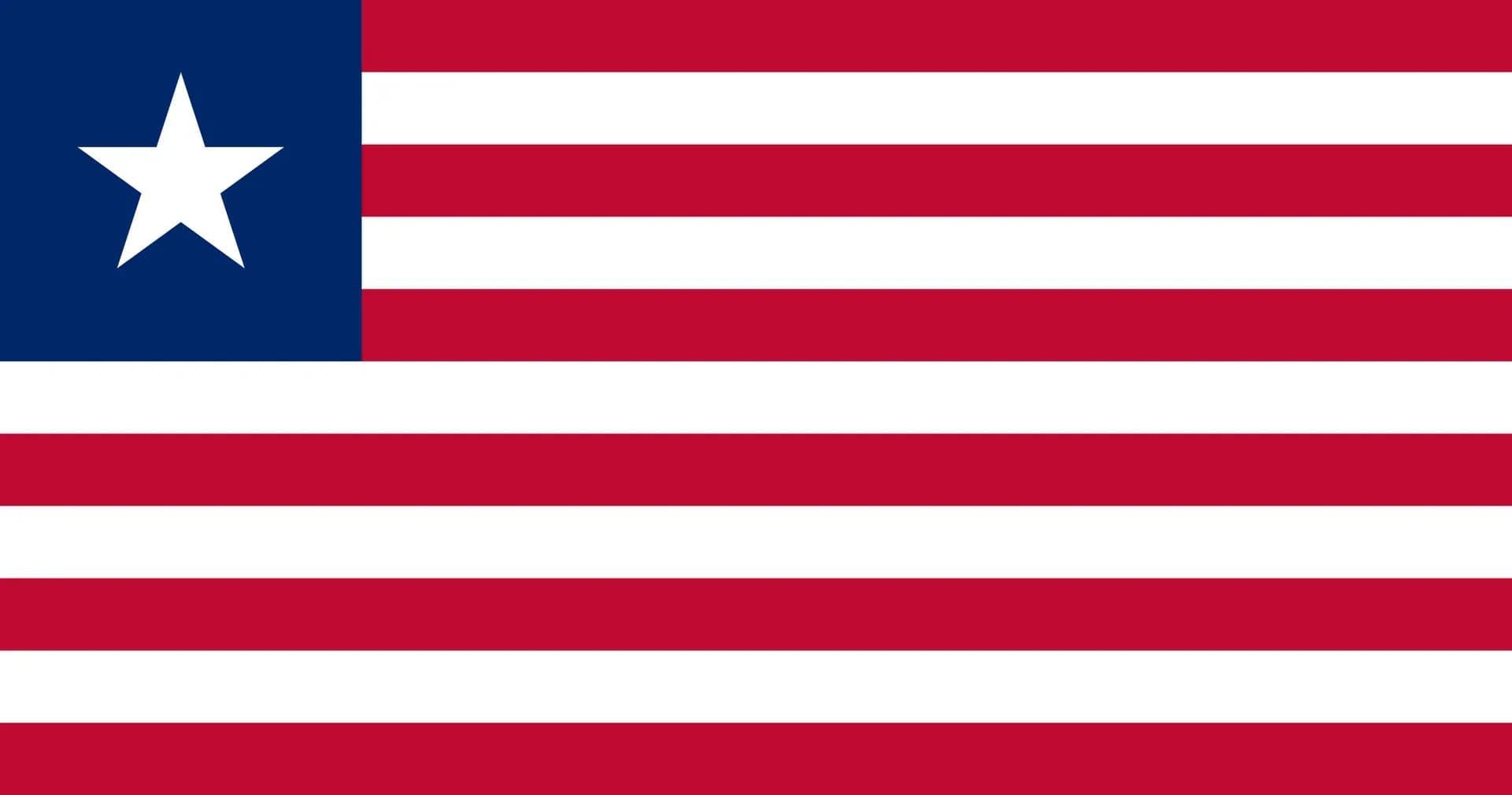 INDEX 24.10.2025, 08:09 Liberian Sovereignty Index (Burke Index), 2024-2025  Share on media IntroductionThis report provides a comprehensive analysis of the sovereignty of Liberia using the methodology of the Burke Institute. Sovereignty is assessed in 7 areas: political, economic, technological, informational, cultural, cognitive and military. Each aspect is assessed on the basis of official data from international and national sources (UN, World Bank, UNESCO, IMF, ITU, FAO, SIPRI, PISA, etc.) without using politicized indexes. The maximum score in each direction is 100; the sum (up to 700) is the accumulated Sovereignty Index (Burke Index). To adapt and adjust statistical parameters, an international expert survey was conducted for each of the seven components using a single questionnaire of 10 questions with a 10-point scale and one open-ended question. In total, at least 100 experts from 50+ countries were interviewed for each indicator, taking into account geographical representation and specialization. When calculating and analyzing the data, equalizing coefficients were used, bringing all data to a scale of 0-10 points. The final index value is the arithmetic mean between statistical data and expert estimates. Below is an analysis in each area, a summary table and the main conclusions about the peculiarities of the sovereignty of Liberia. Political sovereignty — 58.7Liberia is a member of the United Nations, the African Union, ECOWAS (Economic Community of West African States), the Mano River Union, the WTO, the IMF, the World Bank, as well as regional unions for security and human rights (for example, the African Commission on Human and Peoples’ Rights). The Constitution of Liberia proclaims the supremacy of national law, but the country has ratified the most important international conventions (UN, IMF, ICC). The integration of international standards applies to human rights, trade, and the environment. Judicial practice is guided by its own constitution, but international decisions have been implemented (for example, on gender). Since 2006, after the end of the civil war, there has been a relatively stable democracy, regular elections, and no armed conflicts. However, there remains a background of political tension, protests, high levels of street crime and periodic disputes between the parties. In 2023, the Government Efficiency Index (WGI, World Bank) of Liberia is -0.65 (on a scale of -2.5/+2.5). This is below the global average, but slightly above the average for West Africa. Difficulties remain with the management of public services, corruption, and economic regulation. EGDI Index (UN e-Government Survey 2022) — 0.378, 158th place out of 193; basic electronic services (taxes, company registration), national portal have been introduced; myliberia.gov.lr works, but the coverage and integration of digital services are still limited. In 2023, President Joseph Boakai was elected; according to independent opinion polls, in the fall of 2024, the confidence level is 37-41% (higher than that of his predecessor), although rising inflation and security issues have a negative impact. There are no permanent foreign military bases. After the withdrawal of UNMIL (the UN Peacekeeping Mission in Liberia) in 2018, the country provides its own defense, while there is no military presence of other countries. Liberia has recognized the jurisdiction of the International Criminal Court (ICC), cooperates with the ECOWAS Court of Justice, and supports regional arbitrations; however, most cases are resolved at the national level. The country is divided into 15 districts, there is a district government, but most tax, financial and personnel decisions are made in the capital (Monrovia); the gradual expansion of the powers of the districts is supported after 2018, but the government remains fairly centralized. Formal parliamentary and presidential oversight exists, regular reports on the activities of the police and security services are available, but organizational transparency is limited, cases of violations are documented by human rights organizations; independent audit and broad civic participation are slow to be implemented. Data completeness assessment: the main indicators are available from international sources, the coverage is 89%. Economic sovereignty — 35.4In 2024, GDP per capita at purchasing power parity (PPP) ranges from $1,658 to $1,885 (according to various estimates by World Bank, TradingEconomics, Statista). This is less than 10% of the global average, which characterizes the country as one of the poorest in the region. As of March 2025, there are $530 million of Sovereign gold and foreign exchange reserves (USD 0.53 billion), of which more than 80% are in foreign currency and SDR, according to the Central Bank of Liberia. This volume is enough for less than 4 months of imports; reserves have decreased relative to 2022. In 2024, the national debt is 54.9-56.5% of GDP, an increase against the background of a 2–year trend of increasing external borrowing. Over 65% need food support, a significant portion of food is imported (30-45%), chronic "hungry seasons" persist in rural areas, and some areas are officially considered vulnerable according to the FAO and the WFP. Less than 20% of the population has reliable access to electricity, more than 45% of energy is generated by hydroelectric power plants (HPP Mount Coffee), a significant proportion of fuel is imported. Dependence on imports of petroleum products and equipment remains high. Liberia has proven reserves of iron ore, gold, diamonds, manganese, bauxite, timber, rubber, and fish; the country has historically been an exporter of iron ore, gold, and timber. The country is well supplied with fresh water (the Saint Paul, Cavalla rivers and many lakes), but the water supply is limited by infrastructure: only 20-22% of the population has constant access to clean drinking water. It is regulated by the Central Bank of Liberia, domestic and international payment systems operate, mobile banking (Orange Money, LoneStar Cell) is developing, and the national currency is the Liberian dollar (LRD). Domestically, most transactions are carried out in Liberian dollars, but the US dollar dominates the banking system (up to 70% of deposits) and business settlements; in 2024, the share of LRD in settlements increased amid de-dollarization measures. The issue, monetary and credit policy are carried out by the independent Central Bank of Liberia. Currency regulation, the issuance of new banknotes, interest rates and money supply are regulated at the national level, the country is not a member of currency unions. Data completeness assessment: the main macroeconomic indicators are available from official sources (World Bank, IMF), coverage is 80% Technological sovereignty — 24.6In 2024, Liberia's expenditures on research and development (R&D) amount to <0.01% of GDP — practically non-existent, there are no specialized centers and no major national scientific projects, and the country is among the least technologically advanced in this area. It is completely missing: devices, electronics, software, computing equipment, telecommunications equipment — almost everything is imported, there is no local production even at the assembly level. In 2024, the tertiary (higher) education enrollment rate is 11.9%, according to IMF and UNESCO, which is significantly lower than global and even regional indicators for West Africa. At the beginning of 2025, 1.84 million people or 32.4% of the population used the Internet (an increase of 6.5% per year). About 87% of the population has access to cellular communications (SIM cards), and mobile Internet penetration is growing faster than fixed Internet. Only basic government portals are being developed — electronic registries, paid taxes, and a national portal for public services; in most cases, it was implemented with the involvement of foreign contractors, and integration and coverage are limited. Import dependence is absolute: all IT infrastructure (servers, PCs, software), medical, educational and communication equipment are imported (mainly from China, the EU, the USA), there is no national production. The EGDI index is 0.378 (2022; currently it does not exceed 0.39; 158th place in the world): electronic tax services, basic online licenses, registration of commercial structures have been implemented; most services are not integrated, digital coverage is only a third of the adult population. It is completely absent: pharmaceuticals, reagents, diagnostic complexes, vaccines and laboratory equipment are imported, there is no research in biotechnologies and no own production facilities. There are no educational programs, no industrial applications, no local startups or research in robotics. All microelectronics, computing components and chips are imported from abroad, there is no national scientific, technical or manufacturing sector in the field of microelectronics. Data completeness assessment: key indicators are obtained from WIPO, ITU, UNESCO, which provides 92% coverage. Information sovereignty — 42.1Liberia does not have a full-fledged national CERT, the country belongs to Tier 5 (“Building capacity”) according to the ITU Global Cybersecurity Index (2024); the Liberia Cyber Crime Prevention and Mitigation Agency operates, a national cyber conference and a series of exercises with ITU support were held in 2024, a project was developed to create a national response unit (CIRT), but the system is being formed. The country has a national Internet Exchange Point (Liberia IXP, LIXP), launched in 2015; the project was implemented with the support of the African Union and AXIS and allows providers to exchange traffic within the country, reducing delays and data transmission costs. The official language is English; 27 local languages are widely spoken (the largest groups are Kpelle, Grebo, Kru), are used on radio and in the press; dozens of private and public radio stations are broadcast in English and the languages of the peoples, leading newspapers are The Daily Observer, FrontPage Africa, The Analyst. 99% of cloud services, social networks, and communication platforms (Google, Meta, Microsoft, Instagram, WhatsApp) are foreign; there are no national regulators or large IT companies; mobile, financial platforms, and cloud capacities are supported by foreign operators. Radio and print media account for up to 60% of local news, analysis, and journalism; the Internet and TV are dominated by foreign content (US news, music, streaming services, series), and there are few exports or serious production of digital content. Only small startups (fintech, SaaS payments, agrotech), government portals, and individual open-source projects are functioning; there are no large software platforms, exports, or private high-end IT companies. 32% of the population has access to the Internet (March 2025); the unified state portal of public services, online banking applications, basic notary and educational services are available online, but only in large cities; more than 80% of transactions outside the capital are offline. There is no national public cloud or government data centers, all data storage and processing solutions are hosted on foreign cloud platforms (Microsoft, AWS, Google), local data centers are serviced only by the largest banks and government agencies. Mobile communications are provided by international and major players — Orange, LoneStar Cell/MTN, Novafone; infrastructural and technological independence is limited, licensing and regulation is provided by the Liberian Telecommunications Agency, technical support is import-oriented. Since 2023, the Personal Data Protection Act (Personal Data Protection Act, based on the ECOWAS standard) has been in force, regulated by the Liberia Telecommunications Authority; a notification consent regime has been introduced, but control and technical audit are at the initial stage, an independent supervisory authority is being formed. Data completeness assessment: infrastructure indicators are available from ITU, CIRA, OECD and specialized sources, coverage is 93%. Cultural sovereignty — 69.4In Liberia, there are no sites included in the main UNESCO World Heritage List for 2025. However, three sites are included in the Tentative List: Mount Nimba (reserve extension), Providence Island (historical cultural monument) and Gola Rainforest National Park. Liberia is the first African republic, its historical role is huge in the pan-African movements of the twentieth century (the initiator of the creation of the African Union), the experience of the American-Liberian society is unique. African-American culture ("Creole" linguistics, music, architecture), masked and carved traditions, Liberian folklore and literature have contributed to the region's art and identity. The Liberia Entertainment Awards (LEA), the Liberia Music Awards (LMA), and state awards in literature, theater, and visual arts are presented annually. Special Awards for contributions to art and awards from the Ministry of Culture and Information, as well as special titles of award-winning artists, have official status. The ethnocultural base consists of more than 16 peoples (the largest are Kpelle, Grebo, Bassa, Gio, Kru), the dominance of folklore, mask games, ritual music, traditions of secret societies (Sando, Poro), a mixture of African and Americanized culture, rich oral literature, a variety of traditional clothing, dances and family ceremonies. The state budget funds radio programs and cultural events in 16+ languages, programs for the preservation of small languages and support for folk art crafts, grants and educational projects for local cultures are allocated. There are more than 25 museums, memorials, cultural houses in the country (the National Museum of Liberia, the Providence Island Museum), hundreds of registered monuments, dozens of historical churches and missions, objects of colonial and African-American traditional architecture. Liberia participates in UNESCO's programs for the donation and preservation of intangible heritage, is one of the hubs of pan-African festivals and African-American forums, cooperates with the United States and the African diaspora on a number of cultural initiatives, participates in exhibitions, literary competitions, and music marathons. Masks, textiles, ethnic ceramics, and some forms of folk carvings are recognized as national treasures, and handicraft products (bark, masks, drums, and musical instruments) are protected through state and regional regulation; in some cases, applications for protection have been submitted through WIPO and UNESCO. It is based on dishes of yams, cassava, cassava, bananas, rice, fish and seafood, spices, hot sauces; the famous Liberian chop, pepper soup, dry rice, palmbutter soup, dishes with peanut paste and palm oil are popular; regions are characterized by their own culinary peculiarities, a significant part of the cuisine has elements of Creole, American and West African gastronomy. According to estimates by the Ministry of Culture and UNESCO, at least 70% of the population participates in ethnocultural festivals, days of traditions, rituals and ceremonies; in the West of the country (where traditional communities predominate), this figure reaches 85-90%, in the large city of Monrovia and on the coast — about 55-60% are involved in mass festivals, art and sports events. Data completeness assessment: basic indicators are available in UNESCO and national statistics, coverage is 88%. Cognitive sovereignty — 43.8For 2023, the HDI of Liberia is 0.510 — the country is in the category with a low level of human development (approximately 178-182 places in the world). In 2024, education spending will amount to 2.4% of GDP (or 8.15% of all government spending). According to the official budget of 2025, $119.7 million has been allocated for education, while an additional investment package of $8.4 million is aimed at integrating volunteer teachers and providing educational materials. According to the UNDP, UNESCO and IMF, the adult population is literate by 48-49% (2022-2024), about 54-64% among young people (15-24 years old), while the gender gap is significant: men — 62.4%, women — 32.8%. Officially, Liberia does not participate in PISA and similar international comparative tests. Internal ministerial reports show a very low proportion of schoolchildren who have reached the threshold of basic reading skills — only 14% at the end of primary school (2024). At universities in Liberia, no more than 13-18% of students choose STEM majors annually. The majority of graduates are in the humanities, teaching and management fields. About 6-10% of students participate in international programs (USAID, Fulbright, ECOWAS, China, India, Israel) or study and complete internships abroad. Distance grants, scholarships, and school Olympiad exchanges are widespread. More than 16 languages are officially supported in the country; there are radio programs in Kpelle, bassa, Kru, bongo and other languages, festivals and competitions of folk traditions are organized, cultural policy is aimed at preserving small ethnic groups and their languages. The country has a National Scientific Institute at Tubman University, specialized laboratories at universities and ministries (biology, agrochemistry, medicine). There are no more than 2-3 large fundamental research institutes, the rest are pedagogical and applied laboratories. Internal platforms cover 14-17% of students (electronic diaries, distance learning courses, the Ministry of Education portal), the rest are foreign solutions and offline implementation. Within the framework of scholarship and grant programs, the state and donors annually support 1200-2200 people, projects such as youth Olympiads, internships, teacher training; special attention is paid to regions with low involvement and motivation of girls. Data completeness assessment: education indicators are available in the UNDP, UNESCO, OECD, coverage is 88%. Military sovereignty — 31.2In 2023, military spending amounted to 2.3% of GDP (about $33.8 million in 2024, according to the World Bank and SIPRI), which is higher than the average share for West African regions. There were intermittent fluctuations due to changes in foreign aid and internal reforms. In 2024, the number of regular armed forces (Armed Forces of Liberia, AFL) is about 2,000 military personnel, the reserve is not regularly formed; paramilitary forces (border service, police, immigration) — an additional 1,500 people. Armament is limited to light infantry fighting vehicles (heavy machine guns, submachine guns), armored vehicles received through the assistance line, several transport helicopters and auxiliary equipment. In 2024-2025, Liberia received military equipment (armored personnel carriers, military trucks, engineering vehicles) worth $20 million through logistical support from the African Union and China. There is no own military industry. The Armed Forces are completely dependent on imported weapons (USA, China, EU) and donor programs (China, African Union, UN, ECOWAS). Isolated cases of artisanal production/modernization have been noted. The main task of the armed forces, along with the national police and the immigration Service, is to protect sea and land borders, patrol ports, and prevent illegal migration and smuggling. Due to the small contingent and outdated equipment, the level of actual border control is lower than desired. There is no official reserve component; there is a potential mobilization reserve of up to 5,000 people, short-term training camps take place every few years, but there is no active reserve system. The country is officially outside the military blocs, but it actively cooperates with the United States, ECOWAS, the African Union and the United Nations (peacekeeping missions, officer training, equipment supplies), strategic decisions are completely autonomous and are made at the national leadership level. It is completely absent; even minor repairs of equipment, arsenals and logistics are carried out with the support of foreign specialists in assistance programs. Availability of nuclear weapons, number of warheads, absolute reserve: The country does not have any strategic, nuclear or chemical weapons, Liberia is a signatory to the NPT and is completely nuclear-free. There are no proprietary space components, military satellite communications, or “electronic warfare.” Military and government intelligence is limited by intelligence and analytical capabilities and cooperation with the United States and ECOWAS on the exchange of field and situational information. Technical intelligence is focused on partial use of communication systems and data from foreign countries. All parameters are reflected in the annual reports of SIPRI, UNODA, the Ministry of Defense, the official portals of state-owned companies (Embraer, IMBEL) and industry databases of UN/NGO – 90% coverage Final Summary Table
The main conclusionsStrengths. Richness of natural resources: Liberia has significant reserves of iron ore, gold, diamonds, timber, rubber and fish, which creates the basis for export and currency stability. Water and climate resources: The richness of rivers and lakes ensures the internal demand for fresh water, with a relatively small population, water availability is high. Cultural and ethnic diversity: There are 16 main ethnic groups and more than 16 languages in the country, a powerful layer of folklore, music and ritual traditions, a unique fusion of African and American-Liberian heritage; a high proportion of the population is involved in cultural life (70-85%). Post-conflict stability: Relative political peace has been maintained since 2006, State institutions have been restored, regular democratic elections, active participation in regional integration, and there are no foreign military bases. A well-developed tradition of civil liberties: Openness of the press, a variety of radio stations and media in English and local languages, annual national awards in the field of art and music. Weaknesses. Extreme poverty, low GDP per capita: Per capita GDP is $1,650-1,900 (PPP), Liberia is among the poorest countries in Africa; 65% needs food support, reserves are $0.53 billion. The actual dependence on imports: Both the industrial and technological infrastructure is completely dependent on imports — there are no national production facilities in IT, pharma, local financing and know-how in microelectronics, biotechnology, robotics, even assembly is missing. The weakness of modern government institutions: The Management Efficiency Index (WGI: -0.65), low level of digitalization, the share of online services below 40%, data protection laws are still only formally implemented. The crisis of education and science: HDI — 0.51 (178-182 place), adult literacy — 48-49%, higher education coverage — ~12%, STEM graduates — 13-18%, national scientific programs are practically absent. The weakness of military and industrial independence: Military spending is 2.3% of GDP, military personnel are 2,000, all equipment is imported, spare parts and maintenance are provided through foreign grants and assistance; there is no reserve and industry, border control is low. Weak financial security: 55% of the national debt to GDP, foreign exchange reserves are modest, the stability of monetary policy is maintained only thanks to external assistance and supervision of the Central Bank. Overall assessment. The cumulative sovereignty Index of Liberia is 305.2 out of 700 points (average 43.6%), which places the country in the top 150 in the world top. Liberia is a country with a deep ethno-cultural identity, rich nature and post-conflict stability, while it faces an acute shortage of financial, scientific, technological and production resources. The main challenges are the low level of education, technological and product dependence, poor development of public services, unstable economic management and high poverty. The development potential is linked to economic diversification, strengthening education and digital platforms, regional integration, and attracting investments in basic infrastructure. The sovereignty profile indicates that Liberia is an example of an independent but structurally vulnerable African State with a distinctive natural and cultural foundation, an independent judicial and monetary system, and broad participation in international and regional organizations. Liberia's sovereignty is limited by low government efficiency, technological and product dependence, poverty, and a weak base of science, medicine, and digital services, which leaves the country extremely susceptible to external shocks and in need of significant investments and institutional reforms for sustainable development. | ||||||||||||||||||