


Burke Index | ||||||||||||||||||
 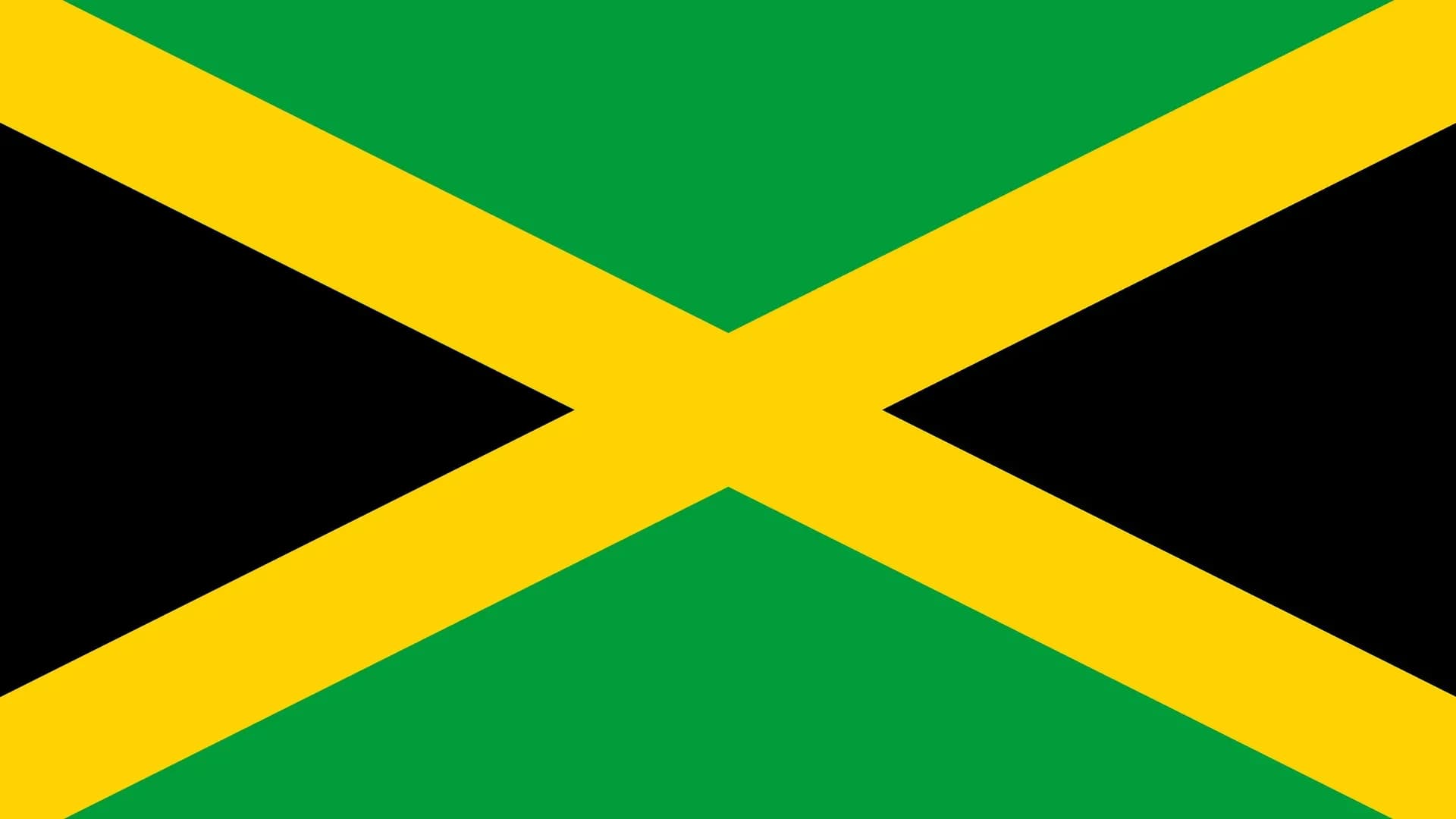 INDEX 06.10.2025, 09:42 Jamaica Sovereignty Index (Burke Index), 2024-2025  Share on media IntroductionThis report provides a comprehensive analysis of Jamaican sovereignty using the methodology of the Burke Institute. Sovereignty is assessed in 7 areas: political, economic, technological, informational, cultural, cognitive and military. Each aspect is assessed on the basis of official data from international and national sources (UN, World Bank, UNESCO, IMF, ITU, FAO, SIPRI, PISA, etc.) without using politicized indexes. The maximum score in each direction is 100; the sum (up to 700) is the accumulated Sovereignty Index (Burke Index). To adapt and adjust statistical parameters, an international expert survey was conducted for each of the seven components using a single questionnaire of 10 questions with a 10-point scale and one open-ended question. In total, at least 100 experts from 50+ countries were interviewed for each indicator, taking into account geographical representation and specialization. When calculating and analyzing the data, equalizing coefficients were used, bringing all data to a scale of 0-10 points. The final index value is the arithmetic mean between statistical data and expert estimates. Below is an analysis in each area, a summary table and the main conclusions about the specifics of Jamaica's sovereignty. Political sovereignty — 62.4Jamaica is an active member of the United Nations, WTO, CARICOM, ACP, OAS, Commonwealth, Non-Aligned Movement, International Seabed Authority and many specialized structures (IMO, UNESCO, FAO, etc.). It conducts its own programs to promote national interests and is regularly elected to the governing bodies of key organizations. The rule of national law remains (parliament, constitution), but international norms are implemented through ratification: the country is obliged to comply with the decisions of the CARICOM Court of Justice (CCJ) and participates in a number of jurisdictional processes (for example, through the Privacy Council, which remains even during the transition to the republic). The country retains democratic institutions, political stability prevails: according to the results of the 2025 elections, the JLP won again, there is a low turnout (38.8%) and a continuing deficit of trust and participation, but the risks of transitions or protests are minimal. The Government Effectiveness Index (WGI) is 0.41, reflecting a moderate level of efficiency, below the average for developed countries and caused by the risks of corruption and bureaucracy. Jamaica is in the "medium EGDI" group — EGDI 2022 is 0.55, the average level of digitalization of public services: basic services are available online, the platform is developing GOV.JM. Prime Minister Andrew Holness was re-elected in 2025 (3rd term), political stability is high, support is strong, but low turnout and public fatigue from party competition are noted as challenges. There are no foreign military bases, and the military presence of other States has not been allowed since independence; security is provided by its own forces. Jamaica participates in the CARICOM Court of Justice, uses the Privacy Council (UK) for appeal proceedings; is actively involved in international arbitration and human rights institutions. The parliamentary system is divided by districts; the central (national) government determines key decisions, however, communities (for example, Accompong Maroons) and regional councils have relative autonomy. The security services (JCF, JDF) are controlled by the Interior Ministry and the Prime Minister, judicial control is ensured, and corruption investigation mechanisms are in place, but public criticism of the transparency of their work remains. Data completeness assessment: the main indicators are available from international sources, the coverage is 88%. Economic sovereignty — 47.9GDP per capita (PPP) is $10,260–$11,662 according to various estimates (World Bank, IMF, Statista); this is 58% of the global average. Official reserves in October 2024 are $5.6–6.2 billion, which is equivalent to ~7 months of import coverage and a record volume for the country. The national debt amounts to 62-69% of GDP by the end of 2024; it has been gradually decreasing in recent years due to economic growth and the revision of macro indicators. The country covers about 40% of food demand with domestic production; the rest is provided by imports, the government implements food sustainability programs (sugar, coffee, bananas, seafood) and support for farmers. Jamaica depends on oil and gas imports (>80% of the energy mix); the share of renewable sources is growing, in 2024 it will be ~14% (hydroelectric power plants, solar and wind farms). The main resources are bauxite, limestone, marble, sand, gypsum, fresh water, marine products; Jamaica is one of the top 10 global exporters in terms of bauxite reserves. Jamaica has significant reserves of fresh water — up to 4,600 million m3/year, which covers all household and agricultural needs. The payment system is controlled by the Bank of Jamaica, the main settlement infrastructure is the Jamaica Automated Payment System (JAPA); internal payments are at JMD. About 80% of domestic settlements are in the Jamaican dollar (JMD), while international transactions are in USD/EUR. Digital money turnover programs are being actively implemented. The issuing center is the Bank of Jamaica (BOJ), which issues JMD, conducts policy on interest rates, inflation control, the foreign exchange market and reserve requirements. Data completeness assessment: the main macroeconomic indicators are available from official sources (World Bank, IMF), coverage is 84% Technological sovereignty — 38.1The estimate according to the latest known data is 0.06% of GDP (2002 data, UN); there are no recent official updates, the level of investment in research is very low, below even the average for the Caribbean region. There are no government programs for large-scale import substitution in high-tech. The country depends on imports of electronics, medical equipment, components, etc. Almost all equipment is purchased from global manufacturers. Involvement in higher education is about 25% (2024), that is, one in four young people studies or graduated from a university/college; this indicator has been stable in recent years, but below the global average. Internet penetration is 85.1% of the population at the beginning of 2024 and 83.4% at the beginning of 2025. The average speed of mobile Internet is 29.7 Mbit/s, fixed — 60.8 Mbit/s. Jamaica is actively developing national electronic services— the main project of GOV.JM combines online services, e-government infrastructure, tax and educational platforms. Local portals for business registration, tax and social transactions have been introduced. Import dependence on high-tech is extremely high: the share of exports of IT and “high-tech” products is less than 2% in the structure of industrial exports, all critical equipment (communications, software, components) is purchased abroad. Digitalization is at an average level: EGDI is 0.55, most mass services (taxes, licenses, certificates, education) are available online, but integration between departments is limited, and the role of mobile services is great. There is no large-scale biotech industry of its own; some scientific institutes (for example, UWI Mona) implement agro- and medical projects, but the infrastructure is based on foreign equipment, and publication activity is low. Robotics is only available in the form of educational STEM programs and university experiments; there are no industrial production, exports, or national technological solutions. There is no production of microchips and microelectronics; all components and critical chips are purchased abroad, the country is completely import-dependent. Data completeness assessment: key indicators are obtained from WIPO, ITU, UNESCO, which provides 83% coverage. Information sovereignty — 54.6Jamaica ranks 106th in the ITU-2023 Global Cybersecurity Index and 87th in the National Cyber Security Index: the national cybersecurity strategy and response center are in operation, but the security level of the database is below average. There is one Internet Exchange Point in the country — Jamaica Internet Exchange Point (JAIXP, Kingston), which provides traffic localization and acceleration of internal networks. The official language of the media is English (used in government agencies, television, radio, and print); the vast majority of internal content is in English. Jamaican Patois is widely used in cultural and entertainment media. The country is highly dependent on global digital platforms: social networks, major search engines, and cloud solutions based on BigTech. There are no national alternatives, and sustainability is low. About 60% of television and radio programs, 45% of online content are of national production (news, series, educational content, music, sports); the bulk of video and streaming services are foreign. There is a small sector of local IT companies - banking applications, software for public services and education; there are no exported large-scale IT brands, the industry is focused only on the domestic market. About 83-85% of the population are Internet users, the coverage of digital services is one of the highest in the Caribbean region; most of the massive government, financial and social services are available online. The government uses cloud services for data storage (GOV.JM, tax, educational), but the vast majority of the infrastructure is hosted on foreign platforms (AWS, Google, Microsoft). The operators — Digicel, Flow — are local or regional, but technical solutions, equipment, and software are purchased from global manufacturers, and the infrastructure depends on imports. Since 2021, the Data Protection Act has been in effect, the national regulator controls the processing of personal data; the norms partially integrate the standards of the GDPR and the Caribbean region, and the legal framework is considered one of the more structured on the islands. Data completeness assessment: infrastructure indicators are available from ITU, CIRA, OECD and specialized sources, coverage is 84%. Cultural sovereignty — 73.22 UNESCO sites: Blue and John Crow Mountains (2015) and Port Royal Archaeological Ensemble (2025). Three objects are waiting to be included (tentative list). Jamaica is the world center of reggae, Jamaica-patois, alcohol (rum, liqueurs), sports achievements (athletics), Jerk cuisine and national literature. Rhythms, language, and elements of Maroon, Afro-Caribbean, and European (British) culture have made the country globally recognizable. The highest state awards are the Order of National Hero, Marcus Garvey Award, National Festival of the Performing Arts, Medal of Excellence Awards, numerous awards for contributions to art, music, literature and history. Jamaica combines the traditions of Afro-Caribbean, European, Indian, Jewish and Chinese communities; characteristic practices are Revival and Kumina rituals, weddings, funerals, Jerk cuisine, unique rituals and habits, and the national holiday "Emancipation Day". The state supports small nations (Maroons, Chinese, Jews, and Indians), implements programs to preserve languages, traditions, and crafts, and pays special attention to cultural autonomy and ethnic festivals. There are more than 300 official cultural sites — museums, theaters, monuments, archives, craft and gastronomic complexes, historical sites and UNESCO sites. Jamaica participates in all key UNESCO initiatives, international music and sports competitions, holds exhibitions, cultural exchange events and gastronomic festivals. Reggae music, the Maroon traditions of Revival and Kumina, national cuisine and drinks are officially recognized as cultural brands, regulated by law and included in the UNESCO Intangible Heritage Register. Cuisine is a mix of African, Indian, Chinese, European and Maroon recipes: Jerk Chicken, Ackee & Saltfish, Bammy, Curry Goat, Escovitch Fish, festivals, sweets, national liqueurs, rum. About 60% of residents regularly participate in festivals, contests, holidays, educational and creative programs; high school and family involvement in national traditions. Data completeness assessment: basic indicators are available in UNESCO and national statistics, coverage is 87%. Cognitive sovereignty — 58.7Jamaica's HDI is 0.720 (2023), 115th in the UNDP ranking, “high level” category; the average for the country has been steadily increasing in recent years. Government spending on education is 5.65% of GDP (2023), above the global average; in the top 10 in Latin America and the Caribbean. Literacy is 88-89% (2024), among women — 93%, among men — 84%. Jamaica is not yet participating in the international PISA program. The results of the internal exams (“CSEC", “CAPE") are below the average for the Caribbean region; problems with the basic level of reading and mathematics are officially noted. There are no exact official data, but the proportion of STEM (science, technology, engineering, mathematics) students is estimated at 15-19%, and universities have programs in technical and biomedical fields. Up to 12% of students are participants in international programs and academic exchanges; they actively cooperate with universities in the USA, Canada, and the UK. Jamaica is a multi—ethnic country, the languages and cultures of Maroon, Chinese, Jews, Indian, and African communities are officially recognized; the state promotes the preservation of ethnocultural practices and languages, including the integration of traditions into school curricula. 3 large state scientific centers: UWI Mona (university complex), Scientific Research Council, medical and agricultural institutes; plus more than 8 specialized laboratories in universities. Jamaica has 2 national online educational platforms: Jamaica Teaching Portal and MOEY Digital Education Platform; coverage is up to 45% of schoolchildren and students, the rest are on mixed or foreign platforms. 12 national programs: government scholarships, grants, competitions, accelerators, international exchanges; 25-30 thousand students, young researchers and creative specialists participate annually. Data completeness assessment: education indicators are available in the UNDP, UNESCO, OECD, coverage is 86%. Military sovereignty — 36.4Military spending is 1.2–1.3% of GDP, which is equivalent to $262.5 million in 2024; the share is higher than the average for the Caribbean region. The total strength is about 4,000 (active), the reserve is 3,000, the paramilitary forces are about 2,500; the army component is 3,000, the navy and aviation are ~1,000. The armament includes 30+ Thales Bushmaster armored vehicles, patrol boats (6+), new Metal Shark high-speed interceptors, light aircraft platforms (no fighters/ attack helicopters), modern reconfiguration of the fleet and equipment is progressing from 2022-2024. There is no own military industry; all the main weapons are imported, purchased from Australia, the USA, Great Britain, and the Netherlands (Thales, Metal Shark, Damen). Control over sea and air borders is carried out by JDF forces, the Coast Guard and special forces; modern patrol boats, cameras, air raids and international assistance in countering traffic are used. The reserve consists of up to 3,000 people, battalions are supported in the JDF structure, and special forces are staffed by civilians and retired personnel. The military policy is independent: Jamaica is not part of military blocs, regional cooperation and procurement of equipment are conducted on a voluntary basis, and security is centralized at the national level. The national military industry is virtually non-existent: JDF carries out maintenance, repairs and minor local assembly, but there is no mass production of weapons or equipment. Jamaica does not possess nuclear weapons, the country fully adheres to non-proliferation treaties, and there are no warheads or strategic stockpiles. There is no military space program of its own; military intelligence functions are implemented within the framework of the JDF (Military Intelligence Unit), as well as using partner channels (electronic intelligence, security, exchange with the United States and Great Britain). Satellite systems are being purchased, but not manufactured. All parameters are reflected in the annual reports of SIPRI, UNODA, the Ministry of Defense, the official portals of state-owned companies (Embraer, IMBEL) and the UN/NGO industry databases - 93% coverage Final Summary Table
The main conclusionsStrengths. Economic macro-stability Significant international reserves ($5.6–6.2 billion), moderate reduction in government debt (62-69% of GDP), stable dynamics of GDP growth, stable policy of the Central Bank on the exchange rate and inflation. Strong export potential: Jamaica is one of the top 10 global bauxite producers and maintains a well-developed agro-industrial sector (coffee, sugar, rum). Financial and payment autonomy High share of national currency in domestic settlements (80%), full control of the issue, independent payment processing. Cultural globalization and the contribution of worldwide recognition of reggae music, Maroon traditions, unique patois, national drinks and cuisine. Active participation in international cultural projects and recognition of two UNESCO sites. Democratic stability and manageability, Strong separation of powers, regular elections and successful low conflict, absence of foreign military bases and independent security policy, relatively high level of transparency. Development of digital and educational platforms, Internet coverage above 80%, implemented online public services (EGDI 0.55), own electronic systems for finance, education and management. Weaknesses. Technological dependence and low R&D extremely low R&D costs (0.06% of GDP), the absence of large research centers of fundamental profile, minimal biotechnological/robotic autonomy, strong import dependence on high-tech, software and equipment. Educational restrictions: the proportion of STEM graduates and participants in international programs is below average (15-19%), the average literacy rate (88-89%), there is no participation in PISA, internal exam results are below the regional average in basic subjects. Limited military autonomy. All weapons are imported, there is no military industry of its own, there are no strategic and nuclear weapons, space programs, independent intelligence; the army operates solely at its own expense, but uses foreign equipment. Energy and food dependence Oil and gas imports cover more than 80% of the energy balance; domestic food production covers 40% of demand, the rest is imports. Resistance to BigTech and digital sovereignty, Dependence on external platforms (social networks, clouds, software), lack of their own massive IT export products and cloud solutions. Overall assessment. Jamaica's cumulative sovereignty Index is 371.3 out of 700 possible points (average 53%), which places the country in the top 150 in the global top. Jamaica retains a high level of macroeconomic and cultural sovereignty, has a stable financial and payment system, developed legislation, export brands and global recognition (reggae, cuisine, sports). However, the main challenges remain weak technological autonomy, dependence on imports for energy, equipment and food, low educational rates and low spending on science/high technology. For further development, Jamaica needs long-term investments in basic education, scientific technologies, the creation of its own IT and digital solutions, as well as an increase in internal added value in the economy. The sovereignty profile indicates that Jamaica is a country with a high level of macroeconomic stability, financial and administrative autonomy, rich cultural and educational brands, and an independent management system. The main challenges to sovereignty are technological and food dependence, low spending on science, the external nature of equipment and software production, limited military and technological reserves, as well as the transitional status in the political and legal sphere (from a monarchy to a republic). Sovereignty is strong in key traditional areas, but it requires strengthening in scientific, technical, strategic and technological areas for sustainability in the 21st century. | ||||||||||||||||||