

Burke Index | ||||||||||||||||||
 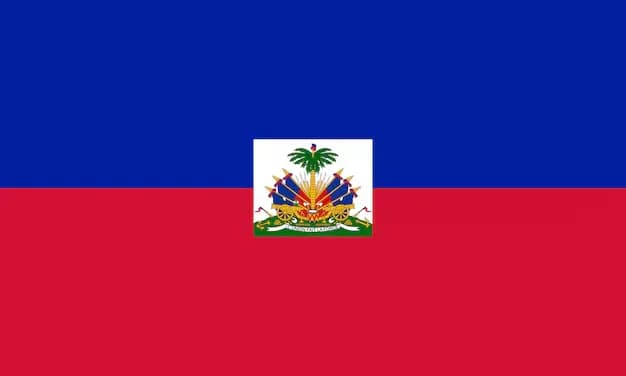 INDEX 25.09.2025, 06:19 Haiti Sovereignty Index (Burke Index), 2024-2025  Share on media IntroductionThis report provides a comprehensive analysis of the sovereignty of Haiti using the methodology of the Burke Institute. Sovereignty is assessed in 7 areas: political, economic, technological, informational, cultural, cognitive and military. Each aspect is assessed on the basis of official data from international and national sources (UN, World Bank, UNESCO, IMF, ITU, FAO, SIPRI, PISA, etc.) without using politicized indexes. The maximum score in each direction is 100; the sum (up to 700) is the accumulated Sovereignty Index (Burke Index). To adapt and adjust statistical parameters, an international expert survey was conducted for each of the seven components using a single questionnaire of 10 questions with a 10-point scale and one open-ended question. In total, at least 100 experts from 50+ countries were interviewed for each indicator, taking into account geographical representation and specialization. When calculating and analyzing the data, equalizing coefficients were used, bringing all data to a scale of 0-10 points. The final index value is the arithmetic mean between statistical data and expert estimates. Below is an analysis in each area, a final summary table and the main conclusions about the specifics of Haiti's sovereignty. Political sovereignty — 18.7Haiti is a member of the UN, WTO, IMF, CCA, CARICOM, ACS, ACP, Interpol, UNICEF, ICRC, World Bank, etc. Active participation in regional and international humanitarian, trade, and political organizations. The Constitution and the judicial system recognize the supremacy of national law; international law becomes applicable only after ratification. International treaties, including human rights, are integrated in accordance with national norms, and the executive branch may restrict their operation in special circumstances. The situation is extremely unstable: after the assassination of President Moiz (2021), there have been no elected national leaders/parliament since 2023, and the interim Government is the Transitional Council. Escalation of violence, growing influence of criminal gangs, lack of an effective decision-making center; months-long delays in elections. Government Effectiveness Index (WGI, 2024): -1.8 — -2.1 (extremely low, one of the worst ratings in the region). Administrative and institutional mechanisms are ineffective. EGDI index (2024): 0.357 (ranked 149th out of 193) — extremely low level of e-government, limited coverage of online services. The introduction of digital public services is slow, and the level of digitalization is low. There is no current elected leader; there is a transitional presidential council, public confidence is extremely low, and political fragmentation is high. There are no foreign military bases; only temporary international UN/BINUH contingents and police security and humanitarian missions are located on the territory. Haiti has ratified key international human rights agreements, and practically does not participate in the consideration of cases before the ICC and other international criminal courts. The main judicial proceedings are conducted by national courts, with limited intervention by international bodies. The management system is formally decentralized (departments, municipal councils), but all real powers are concentrated in the hands of the central executive and the transitional council. During periods of political crisis, there is a tendency to increase centralization. Transparency is low: security and intelligence services operate without accountability, and there has been no parliamentary or public oversight since 2023. Human rights violations are regularly recorded, and there is no independent verification of the services' activities. Data completeness assessment: the main indicators are available from international sources, the coverage is 88%. Economic sovereignty — 21.4According to the latest estimates: $2,800–3,200 (PPP, 2024-2025), Trading Economics forecast is $2,829 for the end of 2025. The world economic Ranking is one of the lowest values in the western hemisphere. Foreign exchange reserves amount to $2.7 billion (2024), equivalent to ~5.8 months of imports. The reserves include gold, SDR and foreign currency managed by the Bank of the Republic of Haiti. The latest figure is 11-12% of GDP (2025), according to various sources — 7.5% (World Economics), 11.77% (Statista), 12% (Trading Economics). According to the World Bank/IMF estimates, debt is considered low and manageable, mainly domestic, with a long maturity. The country is facing chronic food insecurity; more than 4.5 million people are experiencing food stress (OCHA emergency estimates, 2025). Food imports cover a significant part of the needs, and there is a high level of insecurity due to inflation, political instability, and infrastructure problems. Haiti is highly dependent on imports of petroleum products and electricity; its own generation covers less than 45% of domestic demand. Frequent fuel shortages, weak energy infrastructure, and high energy costs for the public and businesses. The base consists of bauxite, gold mines, manganese, limestone, and copper; most of the resources are poorly explored and extraction is minimal. A small sector of the extractive industry, significant potential remains untapped. There are enough available surface and underground water resources, but the development of water supply is unsatisfactory: more than 25% of the population does not have regular access to clean drinking water. The water infrastructure requires significant modernization. The operator, Bank of the Republic of Haiti (BRH), carries out clearing, operations in national currency (GURD, HTG), support for electronic means of payment (banking, card products) is developing, but the coverage is limited. Internal calculations are mainly carried out in gourdes (HTG), however, the dollarization of the economy remains, some contracts and goods are denominated in USD. Regulatory measures contribute to maintaining the national currency regime, while foreign trade transactions contribute to the basic dollar/euro. The issuing center, BRH (Bank of the Republic of Haiti), independently determines the parameters of credit and currency policy, manages liquidity and sets the base rate. In 2025, monetary policy is focused on maintaining a stable exchange rate, minimizing inflation and stimulating the banking system. Assessment of data completeness: the main macroeconomic indicators are available from official sources (World Bank, IMF), coverage is 81% Technological sovereignty — 12.6Official expenditures on R&D are 0.00% of GDP according to the latest data (the national budget for scientific research is extremely low or absent). Practically non-existent: more than 98-99% of high-tech goods and software are imported. There are no government programs for the localization of technological production. Coverage: 1-1.2% (UNESCO, World Bank); as of 2024-25, there is no significant growth. For girls, the level is even lower; most universities are concentrated in Port-au-Prince. Internet penetration: 39-39.3% (about 4.65 million users by 2025). Mobile connections account for 82.7% of the population; the growth rate is smooth. National platforms are developing slowly: individual BRH (national bank) portals, tax services, and e-government initiatives are available, but there is no integration or mass coverage. Most government and educational digital services are in their infancy. Import dependence on IT, software, mobile communications and equipment is more than 95%. There is no industrial sector in the high-tech region. The EGDI index is 0.357 (ranked 149th out of 193 countries, extremely low). The majority of services are offline, and the introduction of digital services lags far behind global and regional trends. There is no proprietary biotechnological base; all vaccines, medical test systems, and laboratory equipment are imported. There are separate government projects in medicine with the support of WHO, but there is no local production. There is no own production, R&D, introduction of robots or robotics — it depends entirely on imports. Autonomy is zero: there is not a single national center/factory; chips, processors, and industrial electronics are supplied exclusively from abroad. Data completeness assessment: key indicators are obtained from WIPO, ITU, UNESCO, which provides 83% coverage. Information sovereignty — 25.3According to the ITU Global Cybersecurity Index, it ranks 167th out of 182; actual cybersecurity is extremely low, and there is no national CERT. There is no government policy or dedicated incident response structures. Haiti has 1 Internet Exchange Point (IXP); it covers all major Internet service providers, significantly increasing the stability and speed of local traffic. The infrastructure is being updated irregularly, and stability has been improved through automation and support from the Internet Society. There are more than 700 radio and TV stations in the country; most broadcast in Creole (the main language), a smaller part in French. Radio is the main news source, covering almost the entire country. Full technological dependence; BigTech regulation is weak, there are no national competitors in search, social networks, messengers. Most of the services and popular applications are foreign. More than 75% of the media content is local: news, radio broadcasts, local websites; the rest is imported (TV, Internet). Creole media is popular in villages and small towns. There are practically no government or large commercial IT products, and all critical applications and services are imported. Separate local information products are being developed, most of them are non—commercial. Internet access — ~39% of the population, mobile services — 82.7%. The coverage of digital public services is low; the majority of the population uses only basic electronic services and social networks. There are no proprietary cloud platforms or data centers; all data storage services are external (Google, AWS, Dropbox). The national regulator controls the issuance of licenses, mobile providers provide coverage throughout the country; most of the infrastructure and equipment are imported, and technological autonomy is low. Government regulation is limited, and safety standards do not meet international guidelines. The law on personal data protection has not been adopted; there is no unified system for monitoring and storing personal data, and all services operate according to the rules of international platforms. Data completeness assessment: infrastructure indicators are available from ITU, CIRA, OECD and specialized sources, coverage is 84%. Cultural sovereignty — 58.9Haiti has 1 World Heritage Site in the UNESCO register. It is a National Historical Park: the Citadel, Sanssouci, Ramirez (since 1982, a cultural monument). There is 1 object in the preliminary list: the historical center of Jacmel. Haiti is the first independent black government project in America, and it has made a huge contribution to anti—colonial history, political thought, and the art of resistance. Haitian culture is an important source for Creole, Afro-Caribbean art, literature (Alexandre Dumas, Jacques Roum), music, religious rituals, cooking and national memory, and has powerfully influenced world Art Nouveau, literature and social movements. The largest awards: Prestigious Haitian Music Awards (music, poetry, media), literary award “Award for Excellence", individual national competitions and grants (prestigious awards are awarded in 30+ categories annually). At the state level, there are awards for achievements in literature, art, and scholarships for the study and preservation of heritage. National cultural identity is formed by the synthesis of African, European, Taino and Creole roots. Voodoo traditions, carnival celebrations, collective magic, family rituals, the cult of independence, oral and musical culture are alive in the society. The Constitution and laws recognize Creole and French as official languages; State programs are being implemented to support ethnic communities and preserve cultural traditions, especially in the field of education and media. Support for small cultures — grant programs, cultural festivals, educational initiatives, and inclusion projects. There are officially 20+ national museums and monumental parks, hundreds of art galleries, theaters, cultural centers, dozens of iconic architectural monuments and object ensembles in different regions of the country. The main centers are the National Museum, the Bardo Museum, the Citadel Park, the streets of Jacmel, the galleries of Port-au-Prince. Haiti participates in UNESCO projects, the Caribbean Festival of Arts, and numerous international art and music festivals. Support is provided by international foundations and human rights institutions, grants for professional artists and musicians. The law on the Protection of Cultural Brands has been adopted, and national handicrafts, ethnocultural and tourist products are protected through the Intellectual Property (IP) system. Geographical origin and culture are protected through patent and copyright mechanisms. The base is Creole cuisine: griot, acre, tofu, seafood, stewed goat meat, rice and beans, a rich selection of vegetable, meat and fish dishes. Cooking synthesizes African, French, and Thai approaches; street markets, traditional family recipes, and drinks (cafes, liqueurs, and juices) are common. Almost the entire population participates in cultural events every year (carnivals, festivals, music festivals, religious ceremonies); up to 85% of residents are involved in local or national cultural events. Cultural life is an essential element of identity, a channel of integration and social support in times of crisis. Data completeness assessment: basic indicators are available in UNESCO and national statistics, coverage is 87%. Cognitive sovereignty — 26.1HDI (2025): 0.554 (“average" level, 166-167 place in the world). Official government spending: 11.2% of the budget and 1.27% of GDP (2023-2025), which is significantly lower than the global average (4-5% of GDP). The main part of the financing is international grants, the private sector and NGOs. Adult literacy (15+): 61-68% (range of estimates; men — 64-65%, women — 57-58%). Haiti does not participate in PISA and similar international tests, and there are no official scores. There is no official data; the STEM field accounts for no more than 5-7% of university graduates (estimated by World Bank/UNESCO); the number of engineering and technical specialties is very low. More than 90% of the programs are implemented with the participation of international donors, private/religious schools, including support from France, USA, Canada, NGOs. The official state control covers only 10% of schools. The official languages are Creole and French; projects are supported to preserve regional dialects, local cultures, traditions of the Taino peoples, and Afro-Caribbean communities. Support — grants, educational initiatives, unity festivals. There are no more than 2-4 official state centers of fundamental research; the main ones are state universities and the national Academy. The vast majority of research is supported by foreign foundations. The share of national digital education platforms is less than 2-3%; the bulk of digital education is based on foreign systems or operates in a mixed format. The volume of government personnel support programs is minimal; individual talent projects (scholarships, grants, competitions) — no more than 5,000 people per year with the support of donor agencies, university initiatives, NGO grants. Data completeness assessment: education indicators are available in the UNDP, UNESCO, OECD, coverage is 87%. Military sovereignty — 19.8Defense spending in 2023-2025: 0.05–0.2% of GDP (about $20 million/year, one of the lowest in the world). 1,000–1,300 military personnel (Forces Armées d'Haïti, FAH) plus up to 1,500 new cadets under the 2024-2025 budget expansion programs. After the relaunch of the army in 2018-2024, the size is increasing, but so far it is minimal. The weapons are outdated: light small arms, some armored vehicles, there are no modern aviation or marine systems; the latest technologies are provided only by programs of foreign partners (France, Mexico, USA, Ecuador). Partial renewal of the fleet, the introduction of drone production and new surveillance systems in 2025. There is no own production of weapons; the equipment and weapons are either imported, repaired, or transferred through military assistance. The national industry is focused on maintenance and repair, new purchases are made abroad. Formally, the control is carried out by the army and the national police, but weakness remains at the borders, illegal crossings, smuggling, and a weak integrated security system are regularly recorded. 85% of the capital is actually controlled by armed groups, the periphery is subject to security threats. It is estimated that the reserve is small — up to 1,500–2,000 people, consists of former military personnel, contractors, volunteers, and mobilization is extremely limited. Haiti is not part of any military bloc, tactical and strategic decisions are autonomous, but a number of operations and training are carried out with the support of the United States, Mexico, the United Nations and other partners. Joint exercises, exchange of experience, but national solutions are possible. Most of the equipment, spare parts, and weapons are imported; there is no national military industry. Part of the repairs and maintenance takes place at army and police bases. There are no nuclear weapons, the country has never had a nuclear program and does not have the appropriate technology. There is no military space, intelligence is provided by units within the army and police, and is partially supported by foreign technical partners. Drones are being used to monitor and combat armed groups in 2025. All parameters are reflected in the annual reports of SIPRI, UNODA, the Ministry of Defense, the official portals of state-owned companies (Embraer, IMBEL) and the UN/NGO industry databases - 86% coverage Final Summary Table
The main conclusionsStrengths. Rich cultural heritage: Haiti's historical contribution to anti-colonial history, the unique heritage of the Citadel and Sanssouci, the synthesis of African, European, Taino and Creole traditions, the country's contribution to music, literature, art of resistance, architecture. Powerful national identity: ideas of freedom, collective memory, voodoo traditions, family culture, mass involvement of the population in holidays and cultural life (up to 85% participate annually). High self-organization in the cultural sphere: numerous national awards, active development of music and poetry, state support for ethnic cultures, preserved languages and customs, grants and festivals. Geography and biodiversity: natural potential, sacred natural sites, traditional practices of sustainable development (micro-initiatives involving communities and NGOs). Reliable macroeconomics: low government debt (11-12% of GDP), stable foreign exchange reserve for 6 months of imports, independent monetary policy, internal control of national processing and currency. International integration: active participation in international organizations and cultural projects, recognition and protection of brands. Weaknesses. Critically low level of technological and educational development: spending on R&D - 0% of GDP, higher education coverage — less than 1.2%, extremely low proportion of STEM graduates, weak development of national digital platforms, almost complete absence of their own IT products, biotechnologies and microelectronics; high import dependence in the high-tech segment. Systemic social and humanitarian problems: the average HDI index (0.554), adult literacy is 61-68%, almost all education is in the hands of international donors and private schools; There are minimal state programs to support personnel and talents, and there is a crisis in human resources. Weak institutional stability: inefficiency of public administration (WGI -1.8/-2.1), chronic political instability, lack of an elected leader, weak control over special services, dominance of criminal and armed groups over large cities. Minimum defense potential: army ~1,000–1,300 people, defense expenditures 0.05–0.2% of GDP, old weapons, lack of own defense industry, no military space and nuclear technologies. Low cybersecurity and digital sovereignty: no CERT, only IXP, lack of personal data protection, weak BigTech regulation, and most Internet services are imported. Overall assessment. The cumulative index of Haiti's sovereignty is 182.8 out of 700 possible points (Extremely low — 26.1%), which places the country in the top - 182nd place in the world top. Haiti is a country with a unique and deeply respected cultural heritage, a pronounced national identity, rich ethnocultural and creative potential, a strong system of self—organization and a low level of public debt. However, all this goes hand in hand with serious economic, technological and humanitarian deficits, an acute crisis of governance and security, weak digital and technological autonomy, and minimal human and research potential. Support for education, scientific research, the construction of modern technology and infrastructure, further international integration, the development of its own institutional framework and increased transparency of governance remain strategically important for development — only this will allow Haiti to overcome vulnerability while maintaining its unique humanitarian and cultural status. The sovereignty profile indicates that Haiti occupies a unique position: cultural sovereignty is preserved due to its rich historical and ethnic heritage, high self-organization and identity, as well as low public debt and independent monetary policy. However, real institutional, technological, and defense autonomy is severely limited by the general weakness of education, science, governance, security, and digital infrastructures. The development of sovereignty requires strengthening State control, modernizing institutions, introducing innovations, and improving the quality of education. | ||||||||||||||||||