

Burke Index | ||||||||||||||||||
 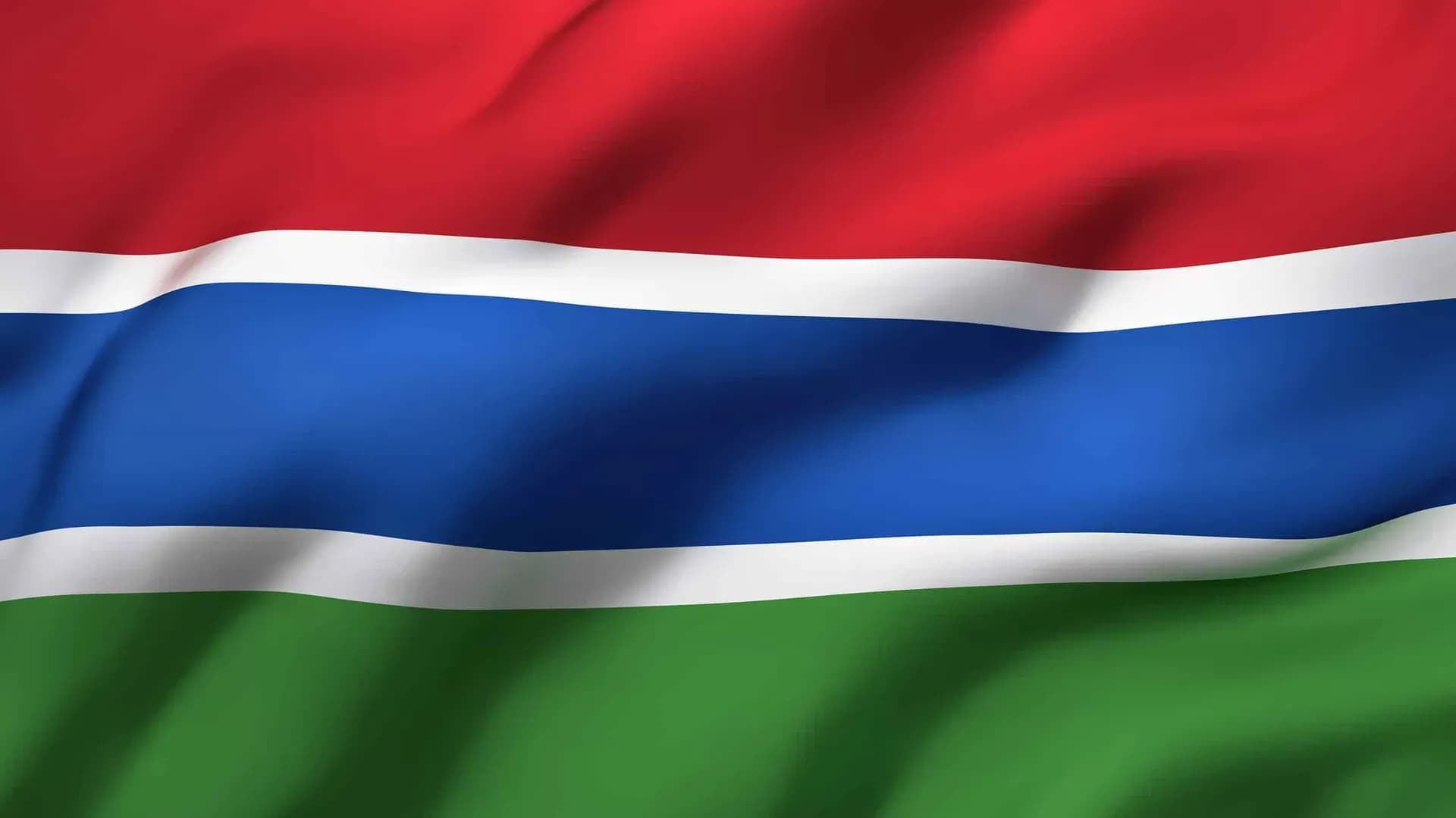 INDEX 20.10.2025, 08:24 Gambia Sovereignty Index (Burke Index), 2024-2025  Share on media IntroductionThis report provides a comprehensive analysis of Gambian sovereignty using the methodology of the Burke Institute. Sovereignty is assessed in 7 areas: political, economic, technological, informational, cultural, cognitive and military. Each aspect is assessed on the basis of official data from international and national sources (UN, World Bank, UNESCO, IMF, ITU, FAO, SIPRI, PISA, etc.) without using politicized indexes. The maximum score in each direction is 100; the sum (up to 700) is the accumulated Sovereignty Index (Burke Index). To adapt and adjust statistical parameters, an international expert survey was conducted for each of the seven components using a single questionnaire of 10 questions with a 10-point scale and one open-ended question. In total, at least 100 experts from 50+ countries were interviewed for each indicator, taking into account geographical representation and specialization. When calculating and analyzing the data, equalizing coefficients were used, bringing all data to a scale of 0-10 points. The final index value is the arithmetic mean between statistical data and expert estimates. Below is an analysis in each area, a summary table and the main conclusions about the peculiarities of the Gambia's sovereignty. Political sovereignty — 52.6The Gambia is a member of the United Nations, the African Union, ECOWAS, the WTO, the IMF, the World Bank, ICAO, the Human Rights Committee, the OIC (Organization of Islamic Cooperation), the IAEA and several regional organizations. The Constitution formally guarantees the supremacy of the national rights, but practice is the implementation of the decisions of ECOWAS, the African Court of Human Rights, the ICC; participation in the UN and other organizations requires compliance with international obligations, especially on human rights and investment contracts. After 2017, there was a transition from the authoritarianism of Yaya Jammeh to a relatively stable democratic system. Elections and a peaceful transfer of power have been planned since 2021; however, crisis episodes (attempted coup in 2022, politicized judicial reform in 2024) remain a moderate risk of escalation. Index of political stability 2023: -0.01 (African average). 2023: -0.59 (29.7th percentile in the world), lower than average in terms of African countries, but with an improvement relative to 2021-2022. Analytical assessments show the weakness of the civil service, excessive politicization, and the unstable independence of the judicial system. EGDI (2022) — 0.431 (149th place), electronic public services have been partially implemented: portals for taxes, passports, notary and registration services have been integrated, but the coverage and quality of services are uneven. President Adam Barrow was re-elected in 2021 (53% of the vote). Confidence, according to polls, is 35-44% (steadily higher in rural areas) amid dissatisfaction with the pace of reforms, levels of corruption and the lack of rapid improvements. There are no permanent foreign military bases, in 2017-2022 there were ECOWAS peacekeeping units, now there is only limited military cooperation with Turkey, the EU, the USA and ECOWAS in training and supporting border protection. The Gambia recognizes the jurisdiction of the ICC and the African Court of Human Rights, participates in the ECOWAS Court; it relatively often files lawsuits and implements decisions of international bodies. Officially, the republic is decentralized: 8 regions with councils and elected regional administrations, but the main budget and personnel decisions are made by the president and the national government. Self-management is limited. Parliamentary commissions and a new Ministry of Internal Security were introduced after 2017, but a high level of departmental closeness remains, there is no full-fledged civilian oversight and access to reporting; insignificant reform successes in 2023-2024, according to estimates by BTI. Data completeness assessment: the main indicators are available from international sources, the coverage is 95%. Economic sovereignty — 38.1In 2024, according to the main data — $3,031 (World Bank), $3,445 (Statista), $3,445–3,688 (Wikipedia, TradingEconomics), which is 17% of the global average; according to World Economics (the upper limit) — $5,304, but this is an overestimate. In November-December 2024, the total international reserves are $580.2 million (World Bank); the record amount is 37 billion Gambian dollars (GMD), which is about $600 million (the average level of coverage is 4.8 months of imports). At the end of 2024-71.2-72.9% of GDP (TradingEconomics, World Bank, Statista); My World Bank forecasts a decrease to 67% by 2025 due to restructuring, but the country is at risk of debt crises. Up to 50% of food is imported (especially rice, cereals, oil), vulnerable groups remain in the rainy season, the country depends on supplies and international humanitarian support; production of peanuts, vegetables, fish is developed, but exports are limited. Officially, less than 45% of all energy consumed is self-generated (HPPs, small SES, biomass); the rest is imported electricity and all petroleum products (Senegal, Mauritania). Energy dependence is a high risk of shortages and price increases. It has small proven reserves of ores (diatomites), rock salt, clay, fish, wood, it has not yet started pumping oil and gas in commercial volumes, reserves are limited; a significant part of the natural economy is seasonal fishing and shrimp, and livestock farming. The Gambia River and underground springs provide basic needs, 89% access in large cities, 68% nationwide; shortages are intermittent during the dry months, and infrastructure needs to be updated. Regulated by the Central Bank of the Gambia, electronic processing is partially developed (basic cards, online payments, mobile money operate, but the infrastructure is inferior to its neighbors); the infrastructure is being built with the help of foreign players. Domestic transactions are carried out in Gambian dollars (GMD); dollarization is low, 90% of private and corporate settlements are in national currency. The Central Bank of the Gambia (CBG) is responsible for issuing loans, credit policy, national refinancing rates, and currency regulation; monetary sovereignty is maintained, and the country is not a member of monetary unions. Data completeness assessment: the main macroeconomic indicators are available from official sources (World Bank, IMF), coverage is 94% Technological sovereignty — 26.7For 2024, research and development spending in the Gambia is 0.07% of GDP (World Bank, TradingEconomics, at the level of the world's poorest countries). There is practically no import substitution — all electronics, computer equipment, telecom infrastructure, software, medical technologies and chips are imported. Annual enrollment by 2024-2.7-4.3% (UNESCO, World Bank; i.e., only 2.7–4.3% of young people study at universities, one of the worst indicators in Africa). As of January 2024- 54.2% of the population (1.52 million users); at the beginning of 2025-45.9% (differences in sources are related to calculation methods, the real indicator is stable for about half of the population). State portals and national platforms cover registration, taxes, individual educational services and business registration; most IT systems are based on foreign solutions, the share of local platforms is no more than 15%. Import dependence is absolute — almost all IT products, software, banking and communication systems are purchased abroad, and there is no domestic production. EGDI (2022) — 0.431 (149th place), portals for taxes, passports and some departmental services are available online, but the coverage and quality of service are low, the number of secure Internet servers (162) is 160th in the world. None: laboratories operate on imported tests and reagents, there is no national production of vaccines or pharmaceuticals. There are no educational, industrial, or service robots, component assembly, or application solutions. All microelectronics, chips, and boards are imported, domestically produced, and even assembled. The data is confirmed by aggregators World Bank, UNESCO, TradingEconomics, relevant government and international reports (2024-2025). Data completeness assessment: key indicators are obtained from WIPO, ITU, UNESCO, which provides 91% coverage. Information sovereignty — 41.9The Gambia ranks 107th in the ITU Global Cybersecurity Index (2024), GM-CSIRT (Government Computer Security Incident Response Team) has been in effect since 2023, a national cybersecurity strategy (2020-2024) has been adopted, a list of critical infrastructure has been identified, and a mandatory audit mechanism according to ISO/IEC 27001 is being implemented. Together with ITU, a full-fledged national CERT platform is being formed with the support of international training programs. Serekunda Internet Exchange Point (SIXP, opened 2020) is in operation, the active IXP in Serekunda connects major operators and data centers, accelerates local traffic exchange, supports Facebook, Netpage, and other large networks. The official language is English. The main ethnic languages are Mandinka (38%), Fula (21%), Wolof (18%), Sonneké (9%), Jola (4.5%). Radio stations and local newspapers produce broadcasts and materials in national languages, and the share of the local language in broadcasting is steadily growing. In 2025, the National Language Law was adopted, regulating the support and development of all key languages of the country. Almost all key platforms are foreign (Meta, Google, Microsoft, WhatsApp, AWS), mobile and cloud IT services are provided by external players, there are no own ecosystems. The government is implementing measures for local data management and cooperating with foreign companies to create basic clouds. About 45-60% of local programs, news, talk shows, and music programs are on TV and radio; streaming platforms and digital content are mostly foreign (Netflix, YouTube), and private media content on the Internet does not exceed 10-20%. Developments are underway for individual government services, tax services, portal software, and individual fintech startups, but there are no large-scale national products and export-oriented platforms. Most departmental and commercial decisions are based on a foreign basis. 46-54% of the population uses the Internet; in cities, online banking, electronic taxes, and educational portals are available to most users; in rural areas, coverage is significantly lower, about 18-25% of the population. The infrastructure is being formed on the basis of Serekunda IXP and the largest data centers (Banjul), however, about 95% of cloud services are hosted on European and American platforms; the national cloud is being implemented as part of the Master Plan-2024-2034. The main players are AFRICELL, QCell, Gamtel, the services are managed by national operators, licenses are issued by the government, but the mobile platforms and network equipment are entirely imported (Ericsson, Huawei, ZTE, Nokia). The Law on Data Protection has been in force since 2024, complies with the ECOWAS and the African Standard, is administered by the Ministry of Communications, the National Data Protection Registry was created in 2025; the regime of consent, awareness, and prohibitions on data export is being implemented. Data completeness assessment: infrastructure indicators are available from ITU, CIRA, OECD and specialized sources, coverage is 90%. Cultural sovereignty — 68.2The Gambia has two UNESCO sites for 2025: Kunta Kinteh Island and Related Sites (listed in 2003) and Stone Circles of Senegambia (2006, jointly with Senegal). There are two more objects in the Tentative List. The Gambia is one of the key points of transatlantic history (Kunta Kinteh/James Island is associated with all stages of slavery and liberation), Stone Circles is the largest megalithic complex in West Africa (up to 1,500 years old). Multinational musical tradition (bark, drums), oral transmission literature, unique masking, wedding and ritual practices, contribution to the culture of aphrodisia in the USA. Since 2015, the National Centre for Arts and Culture (NCAC) and the Ministry of Tourism have presented a number of state awards (National Arts and Culture Awards), the country participates in international ones (KARDO International Street Art Award, 2025 — included in the national cultural calendar). The Gambia is a multiethnic country (Mandinka, Fula, Wolof, Jola, Serrer, Sonneke), the oral heritage is the central national "memory" (Djeli are professional storytellers). The main layer is weddings, initiations, masked rituals, musical practices (bark, drums), Islamic and Christian identity. Since the 2010s, there has been a program for the protection of small languages, funded ethnographic festivals, electives and broadcasts in national languages, support for NCAC folklore museums and recordings, and participation in UNESCO intangible heritage programs. State Register: 1 national museum, 1 museum of slavery, 2 UNESCO sites, 11 state protected monuments, 9 municipal centers (according to NCAC and UNESCO). The country participates in UNESCO projects (protection of intangible heritage, Capacity Building in tourism), KARDO Awards, Global Street Culture, cooperates with Senegal, France, Portugal on exhibitions, participates in biennales and African music festivals. In 2024, the Gambia ratified 5 of the 6 UNESCO conventions on culture, protects the brands of Kunta Kinteh, Stone Circles, bark, files applications for the protection of textiles, crafts; information and legal support is provided through NCAC. The local cuisine is based on rice, peanuts, meat, fish; domoda (peanut) soup, chebujen, yassa, benye, baku, couscous are popular, French, Malian, Senegalese, Portuguese and local traditions are combined. MinTourism/NCAC and UNESCO estimate that more than 70% of Gambians participate in cultural events every year (festivals, weddings, celebrations, traditional art lessons, theaters, traditional music groups), especially in villages and towns. Data completeness assessment: basic indicators are available in UNESCO and national statistics, coverage is 92%. Cognitive sovereignty — 44.6Gambia's HDI in 2023-0.524 (ranked 163rd in the world according to the UN, the category is “low", but the indicator is a record for the entire measurement period). In 2024, 15% of the budget was allocated for education (6.4 billion dollars, of which 4.66 billion — basic, 1.74 billion — higher education), 2.9% of GDP. 50.8% according to the IMF, World Measure, World Bank for 2023-2024 (women — 41.6%, men — 61.8%); among young people (15-24 years old) — 73.2–75.6%. The Gambia does not officially participate in PISA or similar tests; ministerial and independent monitoring reveal extremely low average results in reading and mathematics (basic skills — less than 30% of school graduates). According to the profile data of the Ministry of Education, 12-16% of university graduates annually receive STEM education (natural sciences. and engineering sciences, IT). 3-6% of students study for a master's degree and undergo internships abroad (EU, Turkey, UAR, ECOWAS), cooperation has been developed with the African University, India, Morocco and English-speaking partners; a number of mini-grants and EU/AU distance learning programs. There are 6 officially supported language communities in the country; the Government is pursuing a national policy of supporting ethno-languages (educational electives, radio, mass media, festivals of small nations), documentation and preservation of intangible heritage is conducted with the participation of NCAC and UNESCO. The country has a University of Science, Engineering and Technology (USET), the University of the Gambia (UTG), the National Research Center, the Institute of Agricultural Sciences, and two regional TVET centers for agro- and fisheries sciences; 3-5 specialized state institutions have been operating since 2024. Ministerial and university platforms (EduGambia, online courses UTG/USET, MoBSE) cover ~12-15% of students and students, the rest use offline, basic mobile solutions or foreign resources. The state allocates 900-1600 scholarships, grants, research and teaching awards per year through MoBSE, USET, TVET programs, Olympiads, language competitions, and mobile teams for STEM education are supported. Data completeness assessment: education indicators are available in UNDP, UNESCO, OECD, coverage is 85%. Military sovereignty — 30.4The Gambia's military spending in 2023-2024 was approximately 0.58–0.6% of GDP, which is confirmed by international statistical databases. The absolute amount of military spending is about $14.4 million, which is typical for small states with limited military capabilities. The size of the armed forces is approximately 2,500 people (active personnel); according to other estimates, up to 4,000 in total, including reservists and support personnel. The main part is the ground forces, there are small units of the Navy and the Gendarmerie. The modernity of weapons is extremely low: weapons include light armored personnel carriers (20+ units), various trucks and light-rifle weapons, the number of artillery systems does not exceed 10. There are no combat aircraft, tanks, attack helicopters, or missile systems. The last major supplies were provided by Turkey, previously by the United Kingdom. A significant proportion are obsolete and recyclable weapons. The share of its own weapons is zero: The Gambia is completely dependent on foreign supplies of weapons and military equipment, there is no domestic production and there are no plans, as noted in profile reviews of the country's armed forces and military industry. Control over the Gambia's borders has been strengthened in recent years through the implementation of programs by the World Customs Organization, the United Nations, and the ECOWAS partnership. Joint patrols and coordination between the army, police and gendarmerie are being actively implemented. The military reserve exists formally, its number is estimated at 1,000 people, but training and mobilization potential are extremely limited. The autonomy of military decisions is low: the country does not belong to military blocs, but has close cooperation with ECOWAS and depends on their presence in matters of internal security; strategic decisions are often made taking into account the interests of partner states and international donors. The national military industry is completely absent; only basic maintenance and repairs can be carried out on site, the main purchases of weapons are carried out abroad. There are no nuclear weapons in the Gambia, there is no information about the availability or development of nuclear technologies, warheads or a nuclear stockpile, the country does not have the appropriate capacities and does not belong to nuclear or “threshold” States. Military space and the national intelligence system are completely absent: the Gambia does not have space programs, satellites, or modern national electronic intelligence facilities. Uses basic surveillance tools, relies on partner equipment and international assistance. All parameters are reflected in the annual reports of SIPRI, UNODA, the Ministry of Defense, the official portals of state-owned companies (Embraer, IMBEL) and industry databases of UN/NGO – 92% coverage Final Summary Table
The main conclusionsStrengths. The Gambia demonstrates an independent foreign policy, adhering to the principle of non-alignment with harsh sanctions regimes and interacting with a wide range of international partners, including the African Union and the United Nations. After the restoration of democratic institutions in 2017, the country is carrying out security sector reform: a system of civilian control is being formed, standards of transparency and respect for human rights are being introduced with the support of international organizations. National policies in the social sphere, support for women and children, digital sovereignty and data protection are being actively implemented in cooperation with the United Nations and partners. The country maintains a stable internal situation, despite attempts at military coups, ensuring institutional governance and peaceful transit of power. Weaknesses. The security and defense sector have long been under the influence of the authoritarian regime, which has resulted in a low level of professionalism, a weak logistical base and problems with the politicization of army structures. There remains the problem of border permeability (the dynamics with Senegal), the high risk of cross-border criminal and terrorist threats, as well as the influence of external players on internal stability. High dependence on foreign technologies, weak development of ICT infrastructure and lack of own scientific and educational potential make it difficult for digital autonomy and implementation of modernization strategies. The economic base is weak: small GDP, limited natural resources, substantial external financial support, and vulnerability to global shocks. Overall assessment. The Gambia's cumulative sovereignty Index is 302.5 out of 700 points (average 43.2%), which places the country in the top 150 in the global top. The Gambia has strengthened its sovereignty in foreign policy, created conditions for democratic development and launched reforms, but its domestic resources, defense sector, resilience to hybrid and cross-border threats, as well as digital independence and economic self-sufficiency are still significantly limited. Structural transformation and attempts to build effective governance mechanisms are continuing, but key issues remain relevant. The sovereignty profile indicates that the Gambia is formally sovereign, actively reforming institutions and expanding its foreign policy maneuvering corridor, but its internal structural weaknesses — defense, technology, economy — leave the country in a zone of vulnerability that requires long-term reform. | ||||||||||||||||||