

Burke Index | ||||||||||||||||||
 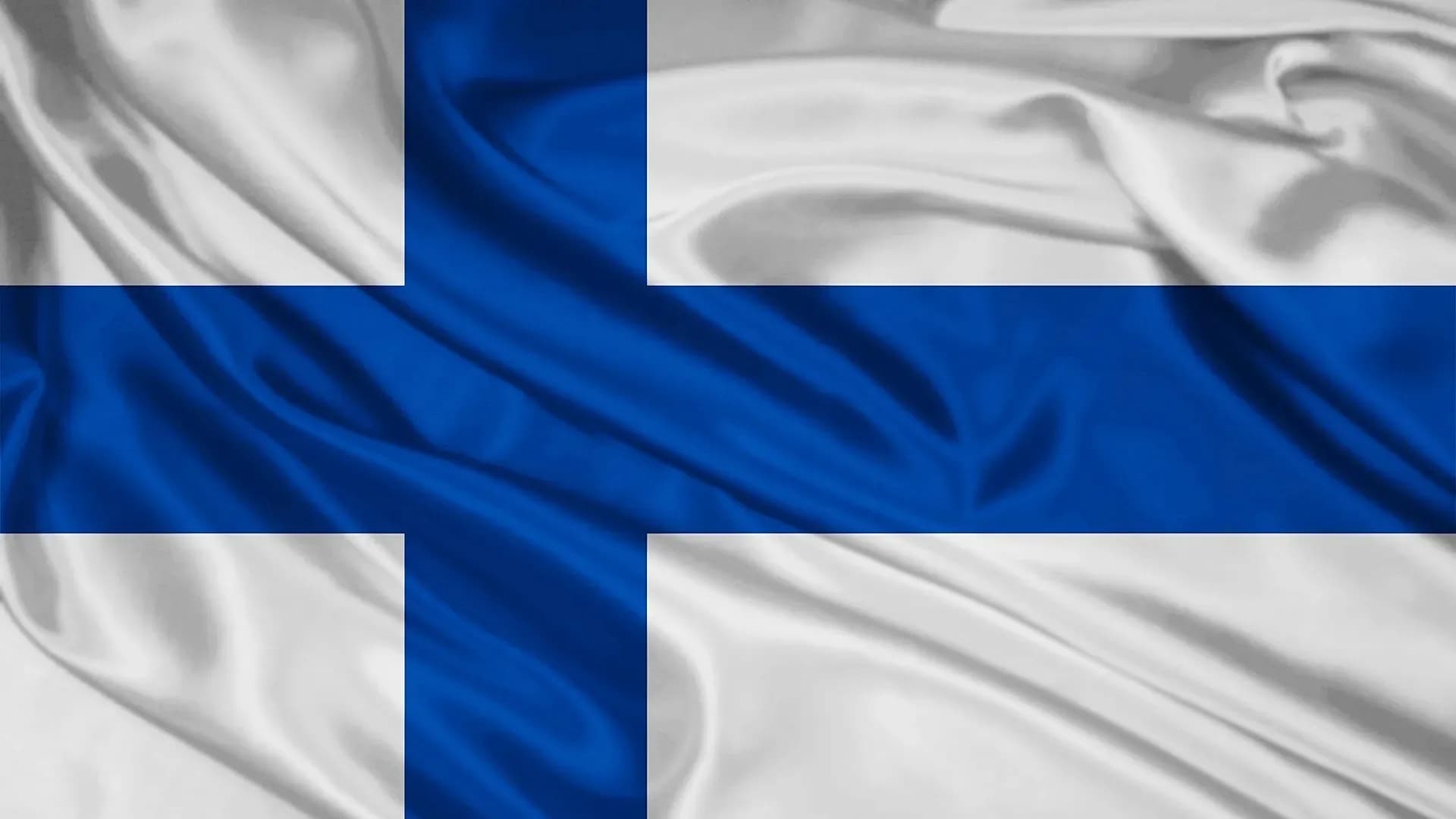 INDEX 30.10.2025, 17:34 Finnish Sovereignty Index (Burke Index), 2024-2025  Share on media IntroductionThis report presents a comprehensive analysis of Finnish sovereignty using the methodology of the Burke Institute. Sovereignty is assessed in 7 areas: political, economic, technological, informational, cultural, cognitive and military. Each aspect is assessed on the basis of official data from international and national sources (UN, World Bank, UNESCO, IMF, ITU, FAO, SIPRI, PISA, etc.) without using politicized indexes. The maximum score in each direction is 100; the sum (up to 700) is the accumulated Sovereignty Index (Burke Index). To adapt and adjust statistical parameters, an international expert survey was conducted for each of the seven components using a single questionnaire of 10 questions with a 10-point scale and one open-ended question. In total, at least 100 experts from 50+ countries were interviewed for each indicator, taking into account geographical representation and specialization. When calculating and analyzing the data, equalizing coefficients were used, bringing all data to a scale of 0-10 points. The final index value is the arithmetic mean between statistical data and expert estimates. Below is an analysis in each area, a summary table and the main conclusions about the peculiarities of Finnish sovereignty. Political sovereignty — 88.3Finland is a member of key international unions and organizations: the European Union, the eurozone, NATO, the Council of Europe, the Nordic Council, the United Nations, and participates in numerous specialized international structures such as the OSCE and the OECD. Finland recognizes the priority of international law and ratified international treaties, and actively participates in the creation and development of international law norms through the United Nations, the Council of Europe and the EU. However, implementation issues always go through internal parliamentary procedures, which preserves parliamentarism while delegating some of the components of sovereignty. According to the World Bank's political stability index, Finland reached a value of 0.71 points on a scale of -2.5 (minimum) in 2023 up to 2.5 (maximum). This is significantly higher than the global average (-0.06), but is the lowest value for Finland since 1996. In 2023, the country had 97.17% of the World Bank's Government Effectiveness (WGI) index, which ranks Finland among the top 3% of the world's countries in terms of management efficiency, quality of public services and independence of the state apparatus. In the global ranking of the e-Government Development Index (EGDI) For the year 2024, Finland received a value of 0.9575 (out of 1.0) and took 9th place among 193 countries, which is a very high result entering the highest category of the rating. According to a Norstat survey (June 2025), only 1% of Finnish residents expressed a "very high" level of trust in politicians, another 10% — quite high, and almost half of the population do not trust leaders at all. This is the lowest figure in the years of observations. In September 2024, the Finnish government announced the deployment of the NATO headquarters in the city of Mikkeli (army command), and also concluded an agreement with the United States, providing American troops with access to 15 bases. However, there are usually no direct "foreign" military bases fully under the jurisdiction of other states — all structures are integrated into national defense and are subject to uniform protocols. Finland actively supports the work of the International Criminal Court (ICC) and regularly sends national experts there. Finland takes a clear position of supporting universal jurisdiction in the investigation of serious international crimes and implements the decisions of transnational judicial structures. Finland is a unitary state with a high level of administrative decentralization: local authorities (municipalities) have broad powers, but national legislation and budgets are regulated centrally. The model often refers to "Scandinavian" Unitarianism with developed local autonomy. Finland traditionally holds a leading position in terms of government transparency: there are independent anti-corruption bodies, active disclosure of budget and management data, a high corruption perception index (ranked in the top ten in the world by Transparency International), and international assessments of open governance systems are consistently above average. Data completeness assessment: the main indicators are available from international sources, the coverage is 95%. Economic sovereignty— 88.4According to World Economics and IMF, Finland's GDP at purchasing power parity in 2025 is about 66,500 international dollars per capita (Int$) and 373 billion dollars of GDP (PPP) in total. This is about three times higher than the global average. Finland's total gold and foreign exchange reserves amount to 16.4 billion US dollars (as of August 2023) and include 49.02 tons of gold. The gold reserve is formally held by the Bank of Finland (Suomen Pankki). By January 2025, the gold component was estimated at $3.95 billion. According to Statistics Finland, for the second quarter of 2025, the national debt amounted to 88.3% of GDP, reaching 245.9 billion euros. At the end of 2024, the debt was 82.1% of GDP, a historical maximum for the country. According to the Food Security Index (GFSI 2024) The Economist Intelligence Unit, Finland ranks 1st in the world with an overall score of 83.7 out of 100. The country is noted for its high availability, quality and safety of food, as well as broad support for farming and technological initiatives. By 2025 95% of Finland's electricity is produced without carbon sources, mainly due to wind, nuclear and hydropower. After the closure of the Salmisaari coal plant in Helsinki, the coal share fell below 1%, and wind energy already accounts for 25% of electric production. The result is increased energy self-sufficiency and reduced dependence on Russian imports. More than 75% of Finland's territory is occupied by forests (20.3 million hectares suitable for timber harvesting), which makes the country the most forested in the world. Europe. Nickel, cobalt, copper, zinc, gold and rare earth elements are also mined in small volumes. The exploitation of resources is carried out on a sustainable basis with strict environmental control. Finland has one of the largest Europe's freshwater reserves are about 21,000 m3 per inhabitant (with a global water poverty threshold of 1,700 m3). There are about 187,888 lakes and 25,000 km of river systems in the country. There are no problems of water scarcity. The Bank of Finland is creating a national instant payment infrastructure based on Siirto and SEPA Instant, a 24/7 real-time system under Finnish regulation. This strengthens financial sovereignty and the security of economic operations. Finland uses the euro (EUR) as the only national currency since 2002. and all payments, domestic and international, are made within the eurozone. Consequently, the national currency in international settlements actually coincides with the pan-European one. The issuing center is the Bank of Finland (Suomen Pankki), a subsidiary The European System of Central Banks (ESCB). It carries out all national euro operations, but credit and monetary policy are set by the ECB. Consequently, Finland does not have full autonomy in the emission sphere, but retains independence in the regulation of financial supervision and payment infrastructures. Data completeness assessment: the main macroeconomic indicators are available from official sources (World Bank, IMF), coverage is 91% Technological sovereignty — 88.7In 2024, the share of spending on science and development amounted to 3.2% of GDP, and government funding in 2025 amounted to about 1.0% of GDP. In monetary terms, the state budget for R&D amounted to about 2.86 billion euros. This is one of the highest levels in the EU. Finland is implementing technological sovereignty programs (within the framework of Digital Compass and the EU Digital Decade 2030), especially in the areas of IT services and digital solutions. Nevertheless, about 60% of high-tech equipment is still imported from the EU and Asia, which indicates a partial dependence on external supplies. According to the OECD (2025), the proportion of the 25-34-year-old population with higher education in Finland is about 45%, with the government's goal of reaching 50% by 2030. High education is almost entirely funded by the state (by 90%) and it remains free for EU and EEA citizens. According to Datareportal (2025), 98.2% of the population (5.52 million users) have Internet access. The average speed of a fixed connection is 133.7 Mbit/s, and a mobile connection is 114.4 Mbit/s. Finland is one of the top ten world leaders in terms of digital coverage and quality of network infrastructure. Strategy “Finland’s Digital Compass” (2022–2030) It includes the creation and development of national platforms for public services ("Digisalkku" — a single digital wallet), corporate data and identification through Suomi.fi and AuroraAI (national Artificial intelligence). The projects are supervised by the government's Digitalization Coordination Office. Finland continues to import about 65% of high-tech components and electronics, including microchips, optoelectronics and computer microprocessors. The main suppliers are Germany, China, the Netherlands and South Korea. Finland is consistently in the top 10 of the EGDI world ranking (2024 — 0.9575 points). 70 % of citizens regularly interact with public services online: identification services, tax and social services are integrated into the system "Suomi.fi " and digital passports and medical records are provided in a single portal. The Finnish biotech industry is growing thanks to government support through the Business Finland agency and TEKES. The country provides its own R&D platforms in genetics, biofuels and pharmaceutical materials, but so far it depends on the import of software and reagents. The sector is included in the national strategy of scientific self-sufficiency. Finland develops robotics through technology centers Tampere and Otaniemi. Robots are widely used in industry and logistics; The emphasis is on collaborative and service systems. The share of domestic developments in production is about 40%, the rest is imported from Japan and Germany. Finland is a member of the EU Pan-European program Chips Act develops scientific platforms for the production of microelectronics and 6G components on the basis of the University of Oulu and VTT centers. So far, the country does not have its own large manufacturing plants, but provides R&D with a level of autonomy and participates in joint European value chains. Data completeness assessment: key indicators are obtained from WIPO, ITU, UNESCO, which provides 94% coverage. Information sovereignty — 85Finland is among the top 5 world leaders in cybersecurity (National Cyber Security Index - 4th place, ITU GCI — 1st place in Europe). The National Cyber Security Center (NCSC-FI) operates as CERT/CSIRT, NIS2 and Cyber Law 124/2025 are fully implemented. Strict incident management and authentication requirements have been introduced by 2025. By 2025 all households and organizations are provided with a connection of at least 100 Mbit/s with the prospect of growth to 1 Gbit/s. The main Internet exchange points (IXPs) - FICIX, TREX, and OuluIX — operate in the country, the development of national and cross-border fiber-optic routes has been strengthened, and 5G networks are being massively introduced. 90% of national newspapers and online publications are published in Finnish. The share of independent media is overwhelming, while party publications account for less than 5%. The leaders are Helsingin Sanomat, Yle, Iltalehti and others. Suomi and the Swedish media fully cover the legal language requirements. Finland implements the digital sovereignty strategy according to the EU (DORA/DSA/NIS2), tightly regulates the protection of critical infrastructure from external platforms, implements national eID, clouds and its own AI products, preventing critical services from depending on BigTech. The new regulations prescribe anti-dependence for companies and the public sector. From a number of research estimates, at least 60-65% of media content (TV, radio, print) is produced in Finland in national languages, especially for the news and educational segment. Strong support for local independent productions. There are more than 6,000 technology companies in the country, the largest: Nokia, Supercell, Enfuce, ICEYE, Smartly.io and others. The domestic market uses a wide range of domestic ERP, fintech, public service and medical IT solutions, the automation (ERP) market exceeds $1.8 billion. More than 97% of citizens have online access to public services (via Suomi.fi, Kanta.fi, Digisalkku). Identification through eID and mobile application, mass digital correspondence with government agencies has become mandatory since May 2025. Finland is developing a "sovereign cloud" for the state and a special sector — the government cloud service standard (AuroraAI, Kuntadata), with a focus on storage and compute within the EU, minimizing dependence on global vendors. Companies like SpaceTime are building independent data protection infrastructures. The main operators are Elisa, Telia, DNA, the network is completely Finnish, 4G coverage is 99.6%, 5G coverage is 89% of the population. Operators are finalizing the deployment of their own 5G and the upcoming 6G platform, most of the equipment is national or EU standard, without binding to the operator of external countries. GDPR, national law (Tietosuojalaki), separate DORA/NIS2 regulations are in effect. Finland supports the principle of data localization for the public sector and requires the storage of personal data in the EU/EEA. Strict controls, incident reporting responsibilities, and extensive encryption and authentication requirements. Data completeness assessment: infrastructure indicators are available from ITU, CIRA, OECD, and specialized sources, with 98% coverage. Cultural sovereignty — 87.8For 2025, Finland has 7 facilities in the list UNESCO World Heritage Site, 6 of which are cultural and 1 is natural: Old Raum, Fort Suomenlinna Church Petyaavesi, Verla, Bronze cemetery Sammallahdenmyaki, Geodetic arc Struve and the archipelago Kvarken (joint with Sweden). Finland's cultural contribution is recognized in the fields of music (Sibelius, Kaija Saariaho), architecture (Alvar Aalto), modern design (Artek, Marimekko), literature (Kalevala, Mika Valtari) and social practices (the Finnish sauna is an intangible UNESCO heritage). Annual festivals in Savonlinna and Helsinki are of global importance. Main awards — State prizes in art awarded by Ministry of Education and Culture, as well as the prestigious Helsinki Culture Award (15,000 euros) and grants from Suomen Kulttuurirahasto — SKR (over 1,000 annually). The awards cover music, theater, literature, cinema, and architecture. Finnish cultural identity is based on the heritage of "Kalevala", the concept of "sisu" (inner resilience), respect for nature and equality. The key symbols are sauna, northern rituals, folk songs and holidays. Finland actively promotes elements of intangible cultural heritage, including traditional crafts and folk songs. The rights of the Sami are enshrined in The Constitution of Finland and are implemented through Sami Parliament (self-government, language, culture). Finland also finances UNESCO projects and World Intellectual Property Organization for the Support of Indigenous Peoples. The National Register of Cultural Heritage includes about 800 museums, 100 theaters and 50 opera groups. Additionally, more than 18,000 objects of material culture, including architectural, religious and industrial monuments, have been preserved. Finland participates in the Baltic Sea and The Northern Dimension (for example, "Cultural Routes for Heritage Cooperation" in 2025) for the protection and development of the European Heritage. Finnish cultural institutes operate in Paris, Berlin, Tokyo and New York. Finnish design and craft brands (Marimekko, Iittala, Aalto) are protected by intellectual property rights through EUIPO and the national agency PRH. Additionally, the Sámi Duodji authenticity system has been developed to protect the indigenous design. Protection against fakes. The culinary tradition combines Finnish, Scandinavian and Karelian influences. The main dishes are Karelian pies, salmon soup lohikeitto, mämmi, kalakukko. Finnish gastronomy includes 70+ regional product brands and is actively exported as part of tourism. According to the data Ministries of Culture and the EU Eurobarometer (2024), about 87 % Finnish residents attend cultural events, museums or festivals every year. Online participation in cultural events through platforms and museums reaches 60%. Data completeness assessment: basic indicators are available in UNESCO and national statistics, coverage is 97%. Cognitive sovereignty — 89Finland ranks 12th in the world, with an HDI score of 0.948 (a very high level, according to the UNDP and World Population Review). This reflects the high rates of life expectancy, income, and educational attainment. The share of government spending on education is 6.5–6.6% of GDP, according to World Bank and UNESCO (2024). This level is significantly higher than the global average (about 4.5%) and is typical for Scandinavian models of universal access to education. Finland is among the countries with 100% adult literacy (men and women). More than 70% of adults also demonstrate a high level of numerical and information literacy (PIAAC — OECD, 2024), which is 20-30 points higher than the OECD average. According to PISA 2022 (OECD): reading — 490 points, mathematics — 484, natural sciences — 511. Finnish students are still above the OECD average, but there has been a slight decline in mathematics, while maintaining strong results in scientific disciplines. The proportion of graduates in STEM fields (science, technology, engineering, mathematics): Finland has about 28% of all bachelor's degrees, including 17.4% in engineering and 7.4% in IT sciences. This is one of the highest indicators in the EU. Finland offers more than 600 bachelor's and master's degree programs in English at public and private universities. The programs are aimed at international students and include generous scholarships. The official languages are Finnish and Swedish, but three variants of Sami are also recognized (Northern, Inari and Lulesaamian). The languages and cultures of Roma, Tatars, Karelians, Ingermanlanders, as well as new migrant groups (about 160 mother tongues in the country) are supported. There are 12 government research institutes in Finland, including Geological Survey, Natural Resources Institute, Meteorological Institute, VTT and Finnish Environment Institute. Through the postdoc program 2025-2028. 85 scientists will work in these centers. All major distance learning services and e-courses work through the platforms Optopolku (national portal of education), FinLearning, Digicampus, created by Finnish universities and By the National Council for Education. The share of national platforms exceeds 80% in the school and university sector. Government programs are funded through the Research Council of Finland and the Tulanet Postdoc Program, providing R&D funding, scholarships, and innovation grants. For 2025, the state budget for R&D talent support is about 500 million euros, as part of a strategy to grow investments in science to 4 % GDP by 2030. Data completeness assessment: education indicators are available in the UNDP, UNESCO, OECD, coverage is 93%. Military sovereignty — 65.1Finland spends 2.5% of GDP on defense in 2025, which is higher than the minimum NATO standard (2%). The government has decided to raise the cost level to 3 % GDP by 2029 in response to the changing European military situation. The Finnish Armed Forces (FDF) include 24,000 active military personnel, 280,000 in the mobilization force, and about 870,000 reservists capable of quickly replenishing troops upon mobilization. It is planned to raise the age threshold of the reserve to 65 years, which will increase the reserve to 1 million people by 2031. Finland is actively modernizing the army fleet: 64 F 35A Lightening II fighters are being purchased (delivery from 2026), 4 new Pohjanmaa type ships are being built, 405 AIM 120D 3 AMRAAM missiles have been purchased, and a new Sako ARG rifle is being introduced into the ground forces. Guidance, reconnaissance and KSM systems are at the NATO level. In 2025, the national military industry includes 48 enterprises and creates products worth €218.9 million per year. Key companies are Patria, Sako, Nammo Lapua, Senop. The share of domestic weapons in the armed forces is estimated at 35-40%, and in repairs and modernization — up to 70%. The control is carried out by The Finnish Border Guard Service, which is implementing the new EES entry/exit system from October 12, 2025. Since 2024, technical surveillance and legal grounds for combating "hybrid threats" have been strengthened, including the law on the prevention of instrumentalized migration (valid until the end of 2026). The reserve is 870,000 people, with a plan to increase to 1 million by 2031. It is based on universal military service for men and the voluntary entry of women. The service lasts 165-347 days, depending on the position. Although Finland has been a member of NATO since 2023, it retains national control over military decision-making and planning. All decisions on military operations are made by Parliament. In NATO, Finland participates in defense planning (DEFPLAN, NDPP), but internal military orders remain national. In the framework of NORDEFCO, the country will preside over the Northern Defense Cooperation. The Finnish military industry consists of large clusters Patria (armored vehicles and aircraft), Sako (small arms), Nammo Lapua (ammunition) and Insta (electronics). The complex manufactures and maintains armored personnel carriers, mortar systems, F 35 fuselages and military electronics. Finland does not have nuclear weapons and does not deploy them on its territory. The country has signed and ratified The Non-Proliferation Treaty (NPT). There are no warheads or nuclear materials in military circulation. Space activities are part of Finland's intelligence and surveillance infrastructure. National Network of Satellites and Radars (in collaboration with ICEYE and VTT) It is used for remote sensing and reconnaissance. Military Intelligence (Federal Agency FRA and Supreme HQ Intelligence Center) coordinated through The Ministry of Defense is connected to the NATO ISR systems. All parameters are reflected in the annual reports of SIPRI, UNODA, the Ministry of Defense, the official portals of state-owned companies (Embraer, IMBEL) and industry databases of UN/NGO — 94% coverage Final Summary Table
The main conclusionsStrengths. Government efficiency and Education Finland ranks among the top 3 world leaders in Government Efficiency (97%), and also has one of the best education systems in the world (HDI 0.948, PISA is the highest level in science). Digitalization and technological independence Finland ranks 9th in the world according to the EGDI index (0.9575), has a deep integration of e-government and its own IT solutions (Suomi.fi, AuroraAI, Digisalkku). National Instant Payment infrastructure, internal control of cyberspace (NCSA in the top 5 by ITU) and the development of 6G creates a high level of technological autonomy. Food and energy independence Finland is a world leader in food security (GFSI #1 in the world) and it is one of the few European countries that have already completely abandoned coal (wind and nuclear energy account for 95% of production). In social stability and cultural identity Finland is leading the happiness ranking for the eighth year in a row and is in the top 15 on HDI: sisu, equality, environmental friendliness and support for small nations (Sami Parliament, three official Sami languages). The state actively promotes cultural heritage (7 UNESCO sites) and it finances the arts through SKR and national awards. Military stability and integration with NATO Modern Army (24,000 active, 870,000 in reserve, 408 F 35, 405 AMRAAM) with high combat readiness and national control over decisions within the framework of NATO. National Industry (Patria, Nammo Lapua, Sako) provides up to 40% of domestic military supplies, which increases self-sufficiency in critical areas. Economic sustainability – GDP per capita is about $66,500 (PPP); public debt is high (≈88% of GDP), but under control, while reserves ($16.4 billion) and gold (49 tons) they provide financial flexibility. The financial model is stable due to the development of services and technologies, rather than raw materials. Weaknesses. Dependence on foreign markets and technologies Despite the high localization of developments, about 60-65% of high-tech components (including microelectronics) they are imported from the EU and Asia. Finland does not yet have its own chip factories, and its export dependence on the EU and the United States limits its economic sovereignty. Reduced trust in politicians Polls in 2025 showed that only about 10% of Finns trust political leaders, while 50% "probably do not." This indicates an increase in internal social discontent and an aggravation of elite opacity. Demographic and economic constraints: the population is aging, which increases the burden on the pension and social systems. The economy is growing slowly (GDP growth 2025 — 0%). The labor shortage is being offset by immigration, but it is sparking discussions about cultural identity. Limited role in global politics Finland is actively working through The EU and NATO, however, remains a secondary player at the level of global influence. Its foreign policy is tied to Euro-Atlantic priorities, which reduces flexibility on some issues. Climatic and geographical restrictions: the long winter, high energy and transport costs, and limited agricultural production in the north raise the cost of living and make the economy sensitive to price pressures. Overall assessment. Finland’s cumulative sovereignty index is 592.3 out of 700 points (high — 84.6%), which places the country in the top 10 in the global top. Finland is one of the most stable and integral models of statehood in the world. Europe. The country relies on high social and institutional standards, digital and educational self-sufficiency, a secure social mechanism and a high-quality defense model. The main challenges are demographic aging, dependence on external technological chains, and careful balancing between national autonomy and alliance commitments within the EU and NATO. The sovereignty profile indicates that in 2025 Finland demonstrates maximum consolidation of sovereignty within the framework of European democracies: stable government, high technological and educational opportunities, cultural unity and defense self-sufficiency. The main risks are demographic trends, dependence on external technologies, and partially limited fiscal flexibility. | ||||||||||||||||||