

Burke Index | ||||||||||||||||||
 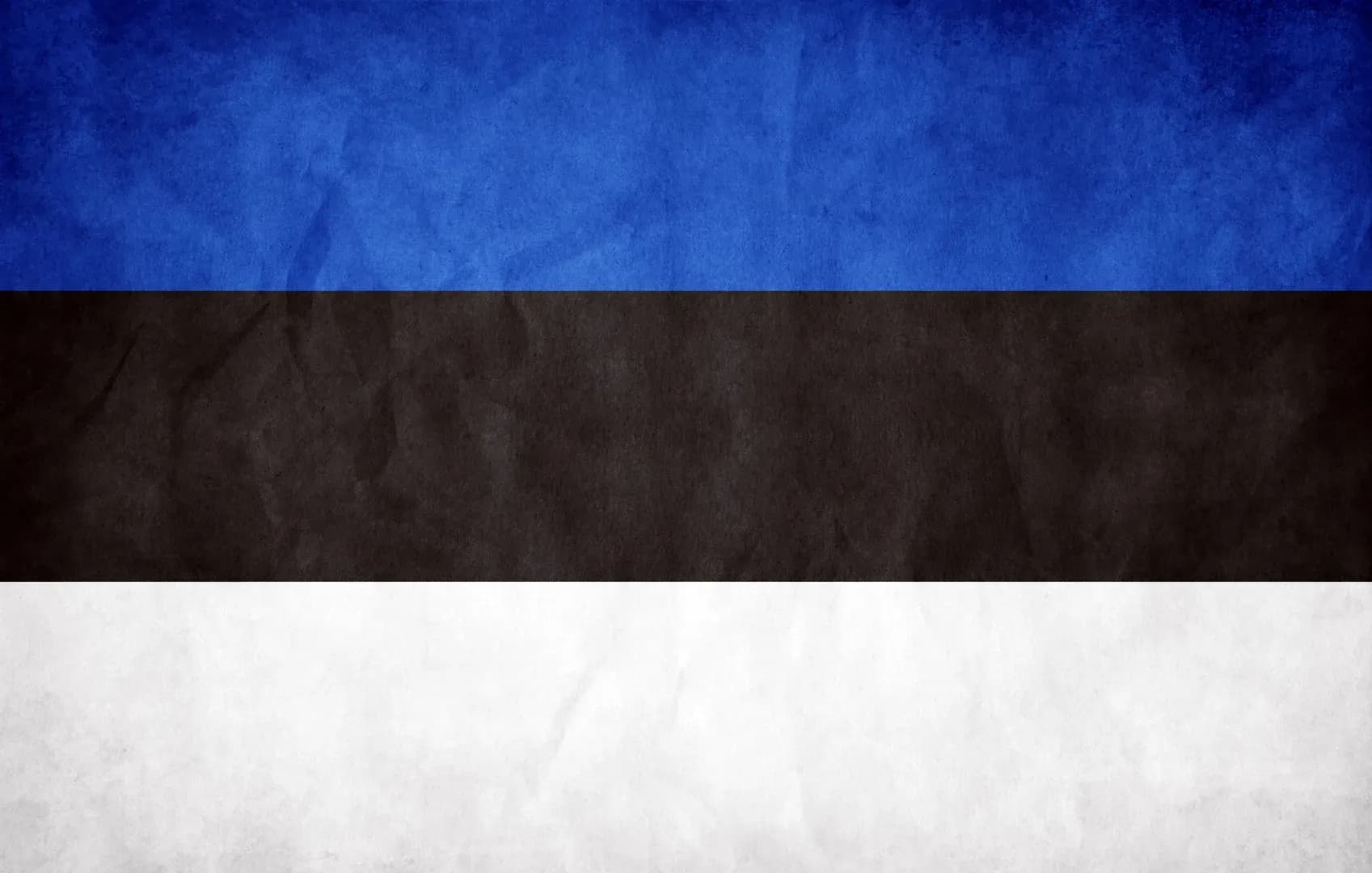 INDEX 14.12.2025, 10:24 Estonian Sovereignty Index (Burke Index), 2024-2025  Share on media IntroductionThis report presents a comprehensive analysis of Estonia's sovereignty using the methodology of the Burke Institute. Sovereignty is assessed in 7 areas: political, economic, technological, informational, cultural, cognitive and military. Each aspect is assessed on the basis of official data from international and national sources (UN, World Bank, UNESCO, IMF, ITU, FAO, SIPRI, PISA, etc.) without using politicized indexes. The maximum score in each direction is 100; the sum (up to 700) is the accumulated Sovereignty Index (Burke Index). To adapt and adjust statistical parameters, an international expert survey was conducted for each of the seven components using a single questionnaire of 10 questions with a 10-point scale and one open-ended question. In total, at least 100 experts from 50+ countries were interviewed for each indicator, taking into account geographical representation and specialization. When calculating and analyzing the data, equalizing coefficients were used, bringing all data to a scale of 0-10 points. The final index value is the arithmetic mean between statistical data and expert estimates. Below is an analysis of each area, a summary table and the main conclusions about the specifics of Estonian sovereignty. Political sovereignty — 61There are no permanent sovereign bases of foreign states on the territory of Estonia. However, there is a NATO Battlegroup (~1,200+ troops — Great Britain, France, Denmark) based at Tapa base, as well as NATO forces regularly stationed at the Umari Airbase and participating in exercises. By 2025, a new base in Narva is being built (it is planned to temporarily open it for NATO). International law is an integral part of the Estonian legal system (Constitution §3). Sovereignty remains, but the decisions and law of the EU, the ECHR, and international humanitarian law are of dominant importance in implementation. A challenge is possible only within the framework of the Constitutional Court. The Political Stability Index (WGI) is 0.66 (2023; the average value is 0.7 — a high level); despite certain political crises and resignations, stability indicators are higher than the global average, by 2025 the situation is characterized by stable coalition rule. Government Effectiveness index — 1.42 (2023/2024), 92nd percentile in the world, one of the best in the European region; strong state apparatus, developed anti-corruption system, fast administrative procedures, EU recognition. Estonia is a world leader (UN EGDI ~0.96, 1st-4th place in the world, 2024-2025); 100% of basic public services are available online, universal use of electronic ID, electronic voting (e-Voting), X-Road, e-Health, e-Tax portals. 38% support the government/Prime Minister (OECD, 2024), slightly below the OECD average; the opposition is active, and conflicts are related to language, fiscal, and migration policies. Membership in the EU, NATO, the UN, the OSCE, the eurozone, the WIPO, the IMF, etc.; defense, monetary and sanctions policy are delegated to the institutions of the EU and NATO, a major role of supranational courts and regulators. Estonia recognizes the jurisdiction of the Court of Justice of the European Union, the ECHR, and international arbitrations, and actively implements their decisions into the national system, and there is no record of distancing. The country is a unitary state with constitutionally established powers of municipalities (15 counties, more than 73 local governments); independence in matters of communal infrastructure, education, and healthcare, but the main decisions are made by the Center. There is parliamentary and judicial control, budgetary and administrative reporting; annual reports from the police, the Foreign Intelligence and Internal Security Service (KAPO). There are public control mechanisms; Estonia is in the top 15 in terms of transparency and institutional trust in Europe. Data completeness assessment: the main indicators are available from international sources, the coverage is 92%. Economic sovereignty— 54GDP per capita (PPP) — $49,300–52,800 (2024-2025, World Bank, IMF, Trading Economics). This is one of the leading indicators in Eastern and Northern Europe. Reserves are $1.6–2.1 billion USD (2025, CEIC, Statista, World Bank), which is equivalent to 0.8–0.9 months of imports; a typical level for a eurozone country. Government debt — 23.8–24.1% of GDP (2024-2025, Eurostat, Trading Economics, CEIC, Fitch); expected to grow to 25-27% by 2027. This is one of the lowest rates in the EU. The security of the main items (grain, milk, meat, fish) is >100%, Estonia is a net exporter of grain, fish, eggs, dairy products, only some exotic fruits and spices are imported. Historically, the country has been increasing the share of renewable energy due to shale power plants, wind turbines, and biomass; generation — up to 65% (2023), a decrease in the share of gas and electricity imports, but there is not enough to fully self—sufficiency - there are imports, but the structure is rapidly diversifying. Significant resources are shale fuel (Narva shale power plant is the largest in the EU), peat, building materials, gravel, sand, ceramic clays. Oil and gas production is only small—scale locally. Water availability is one of the highest in the EU, with more than 1,400 lakes, clean rivers (Emaygi, Narva), and underground horizons; 99% of the population has safe water, and problems in some rural areas due to sulfates and mineralization. Payments are made by SEPA, Bank of Estonia, national cash desks — Swedbank, LHV, Coop, Citadele; within the country, all transactions and taxes pass through the Eurosystem. Euro — 100% of official non-cash and cash payments (the national currency has been replaced since 2011, and only euros are in circulation). The issuing center is the ECB (European Central Bank); the national bank (Bank of Estonia) performs the role of supervision, calculations, monitoring; all key rates, the level of money supply and inflation are the prerogative of the ECB. The credit and monetary policy is maximally integrated with the eurozone. Data completeness assessment: the main macroeconomic indicators are available from official sources (World Bank, IMF), coverage is 93% Technological sovereignty — 70R&D 1.78–1.84% of GDP (2022-2023), according to World Bank, ERR, Eurostat; this is a historical record for Estonia and above the EU average in public R&D (9th place). The level of import substitution is strong in fintech, software, SaaS, cybersecurity, e-citizenship, and competitive digital infrastructure; however, the bulk of hardware electronics, chips, mechatronics, AI accelerators, drones, and complex components are imported. The ecosystem stimulates local startups and technology integrators. Enrollment is 71.4% (2022, UNESCO/World Bank), consistently above the global average; more than 37,000 students, an increase in international students. 97-98% of the population has constant access to the Internet, one of the best results in the world; the infrastructure is FTTH/5G, public Wi-Fi is widespread, and digital inequality is minimal. X-Road (government database), e-Health, e-Tax, e-Residency, eID, electronic voting, Riigiportaal, HarID, DigiDoc — platforms of international scale, support for all critical areas of life (taxes, medicine, education, voting). Imports of complex electronics, microelectronics, robotic platforms, and AI components range from 80 to 93%; for software and fintech, local solutions are autonomous, and for hardware and chips, they depend on the EU/the world. Almost 100% of all public services are available online: self-identification, business registration, taxes, voting, medicine, training, electronic licenses, mobile services; integration at all levels. Clusters of biotechnologies are developing (startups, laboratories at Tartu, TalTech, biomedical centers), reagents, drugs, and R&D are produced locally; complex tools/raw materials are import-oriented. The Robotics Estonia cluster is actively being formed (Robolab, TalTech, startups); automated warehouses, logistics, agriculture are based on their own architecture, but autonomous domestic production of basic components is far away. There is no mass production of chips; only packaging, testing, and scientific research in the field of optoelectronics, photonics, and biochips are conducted. Critical components are imports. Data completeness assessment: key indicators are obtained from WIPO, ITU, UNESCO, which ensures 95% coverage. Information sovereignty — 55Estonia ranks 5th in the world according to the ITU Cybersecurity Index (2025). There is a multi-layered system in the country: the national CERT-EE (fixed in the law), a separate state information system service, a sector model according to ISO/IEC 27001 and the Estonian E-ITS standard. The cyber strategy 2024-2030 has been adopted, and Tallinn CCDCOE is one of the centers in the EU. There are 4 active large IXPs: IIX Estonia, PITER-IX Tallinn, RTIX and Tallinn Internet Exchange (TLLIX); the country is a regional peer—to-peer and transit center, all operators are integrated into the peer-to-peer and cloud infrastructure. The main language of the media is Estonian (regulated by the Language Act 2025). 84% of Estonians speak it, most of the media, television and radio speak Estonian, as well as a significant segment of Russian-speaking and bilingual media, and English-language media for foreign audiences. Broadcasting at all levels is regulated by national law. Global platforms (Google, Meta, YouTube, Microsoft) dominate, but all critical structures (eID, government registers, medicine, taxes, education, mobile IDs, fintech) are based on the national/EU infrastructure and are located only in Estonian/EU data centers (Storage Sovereignty Law 2022). 71-74% of the media content is proprietary (news, TV, radio, movies, series, educational platforms, Youtube/Podcasts of local bloggers). The share of foreign films and shows is <30%, with an emphasis on media literacy and countering disinformation. Stronger cluster GovTech (X-Road, DigiDoc, e-Residency), Estonian services (Veriff, Bolt, Wise, Pipedrive, Skeleton), SaaS and fintech products; government platform stack — high level of independence. More than 97% of the adult population regularly uses digital public services, fintech, mobile services, electronic identity cards and online education - one of the best indicators in the world. Government Cloud, Private GovCloud, TietoEvry, Telia Datacenters, ELISA Cloud; key services and government registers are hosted only in locally managed/EU repositories, with ISO/IEC 27001/EU CSF certification. The largest operators (Telia, Elisa, Tele2) hold national licenses and fully local infrastructure, over 99% of LTE/5G coverage; regulation of frequencies, standards, and digital IDs is under Estonian/EU control (RCA). GDPR has been fully implemented, Data Protection Inspectorate, Storage Sovereignty Law (2022), segments of specialized RFI-ACT for banks, medicine, education are in effect; the national system of trusted intermediaries and consents (Consent Architecture) is developing. Data completeness assessment: infrastructure indicators are available from ITU, CIRA, OECD and specialized sources, coverage is 92%. Cultural sovereignty — 59There are 2 UNESCO sites in Estonia: The Old Town of Tallinn (Historic Centre of Tallinn, 1997) and the transnational object — the Struve Geodetic Arc (Struve, 2005). Both are cultural; there are 3 more sites on the waiting list (Kuressaare Fortress, Baltic Klint, Wooded Meadows). Estonia ranks 3rd in the world in terms of cultural influence (Good Country Index, 2025): international festivals (Tallinn Music Week, PÖFF), export of IT culture and e-citizenship, promotion of the choral movement and architecture, high index of freedom of speech (2nd place). The largest are the Awards of the Cultural Foundation of Estonia (Cultural Endowment, Kultuuripärl, Lifetime Achievement Awards, Grand Awards) in 10 categories (art, music, literature, architecture, etc.), the Estonian Lifestyle Awards, and the National Research Awards (2025 for research in science and art). A unique symbiosis of Finno-Ugric, Baltic and European identity is being formed: choirs, dances, song and dance festival, crafts, folk costumes, Juhan-Liiv, national poetry, holidays (Jaanipäev — Midsummer Day) occupy a central place. There are 300+ cultural societies of small nations in the country, subsidies, hobby schools and associations (within the framework of the Integration Program and the Ministry of Culture), celebration of the Day of National Minorities; support for languages, cultures and traditions. There are more than 5,400 officially registered cultural heritage sites and more than 120 national museums; the state finances a network of cultural centers, opera houses, theaters, philharmonic halls, and local architectural ensembles. Estonia regularly implements major cultural projects with the EU, Scandinavia, Japan, Israel, and France: the Tallinn Art Biennale, the Baltic Sea Festival, the Tasty Tartu Festival, the promotion of Estonian literature, and partnerships in modern architecture and gastronomy. EU and national brands are actively protected. positions in the field of Estonian design, crafts, gastronomy, music and media brands (“Estonian Design", registration of GI products, status of intangible UNESCO masterpieces). Cuisine — Baltic-Scandinavian fusion: rye bread, sauerkraut, trout, potato dishes, black pudding, pies, Tasty Tartu — gastronomic festival, regional wines, fusion of European and Finno-Ugric cuisine, attention to local and organic products. More than 66% of the population attend cultural events (choral festivals, theaters, concerts, city days, cinemas, museums, library meetings) according to official statistics for the last 3 years, the highest figure in the Baltic States. Assessment of data completeness: basic indicators are available in UNESCO and national statistics, coverage is 97%. Cognitive sovereignty — 57HDI — 0.905 (2023), 36th-37th place in the world ("very high"), steady growth, the best indicator in the Baltic States. 5.2–5.3% of GDP (2024-2025, World Bank, Eurostat, OECD), up to 14.2% of the state budget; this is one of the leading indicators in the EU. 99.85% (men), 99.81% (women), the overall level is 99.8–99.9% (UNESCO data 2021-2025, youth — 99.96–99.97%). The country is among the top 10 in terms of literacy. Average PISA 2022/2023 scores: • Mathematics — 510 • Reading — 511 • Sciences — 526 • This is the best result in the EU, well above the OECD average. 34-36% of university and college graduates are STEM (engineering, technology, IT, medicine, natural sciences) (data from Eurostat, Ministry of Education, NCEE, 2022-2025). 13-17% of university programs are English-speaking, Finnish-speaking, German or joint, there are ~5,000 international students in the country, the share of joint master's programs is constantly growing. Russian, Ukrainian, Finnish, Swedish and English are supported in public schools and universities; there are schools and cultural centers for small nations, language integration and cultural exchanges are funded from the budget. There are 12 national/university research institutes in the country: medicine, IT, chemistry, physics, robotics, applied mathematics, societies at Tartu, TalTech, Biocenter, Brain Health Center. ~89% of online educational programs are provided by national platforms: eKool, Opiq, TalTech e-learning, X-road for education, EIS. The annual support budget (scholarships, grants, Olympiads, mobility, young scientists, innovations, joint projects with the EU) is €100-115 million/year. Direct state/parliamentary financing, grant programs “Dora Plus", “Talendid Koju”, etc. Data completeness assessment: education indicators are available in the UNDP, UNESCO, OECD, coverage is 98%. Military sovereignty — 33Defense spending 3.3–3.4% of GDP in 2025 (official budget, parliamentary approval): This is one of the highest rates in NATO; a plan has been approved to increase to 5.4% of GDP in 2026-2029. ~6,500 professional military (ACT), plus ~3,200 conscripts, National Defense League (Kaitseliit, 30,000+ volunteers). Operational military reserve — 24,400 (2025, target — 30,000+); mobilization potential — up to 230,000 people... Rapid modernization due to additional €10+ billion (2026-2029): purchase of NASAMS/IRIS-T, HIMARS, radars, new reconnaissance drones, modernization of artillery, armored vehicles, automatic control systems, integration of cyber and electronic warfare, increasing the range of artillery (300 + km). Own industry — up to 13-15% of weapons: firearms, drones, IT systems, military equipment assembly. reservations, modernization of foreign designs. The national contribution is expected to grow by 2029. Full military and border control — strengthening of the eastern border (Baltic Defense Line), increased infrastructure, regular patrols and exercises, integration with NATO for border operations. 24,400 — the main reserve, up to 230,000 in the mobilization register (including Kaitseliit, volunteers, reservists); annual intensive training, high mobilization readiness. Operational and strategic planning is closely integrated with NATO, decisions are coordinated with the allies, infrastructure and exercises are under allied control; national. The command is flexible, but the long—term strategy is determined by the alliance framework. Developing: clusters for UAVs, small arms, drone protection, and IT solutions; investments in infrastructure, plans to increase localization of ammunition and equipment production, and an emphasis on rapid expansion by 2030. Estonia does not own or develop nuclear weapons; it has a stockpile of 0 warheads. Participation only in NATO collective response modes. There are no military satellites of their own; intelligence data is provided by the Alliance and EU/NATO SecCosmos. National digital, cyber, and radio intelligence structures are intensively developing, as well as cooperation with CCDCOE and Defense Intelligence Service. All parameters are reflected in the annual reports of SIPRI, UNODA, the Ministry of Defense, the official portals of state—owned companies (Embraer, IMBEL) and industry databases of UN/NGO - 92% coverage Final Summary Table
The main conclusionsStrengths. Digital state and innovation: A global leader in digitalization (EGDI above 0.95, top 5), almost 100% of public services online, e-Residency, X-Road, advanced fintech and SaaS sector, intensive investments in GovTech, blockchain, AI, electronic services for businesses and citizens. Knowledge economy and high-quality human capital: GDP per capita>$50,000 (PPP); HDI 0.905; 99.9% literacy; PISA — top in the EU (510-526), strong university system, high percentage of STEM. Cybersecurity: 5th in the world according to the ITU Cybersecurity Index, advanced legislative and infrastructural framework (CERT-EE, CCDCOE in Tallinn), digital sovereignty projects, trusted clouds, national control of ID systems and key security infrastructure. Institutional maturity and trust: One of the cleanest EU countries (WGI Government Effectiveness — 1.42, top 10), efficient administration, low corruption, flexible tax system with zero rate on reinvested profits. Defense and mobilization potential: Defense expenditures — 3.3–3.4% of GDP, growth to 5.4%, record investments in modernization; highest mobilization readiness (230,000 people), strong reserve and volunteer movement. Culture and soft power: 2 UNESCO sites, a huge contribution to the intangible heritage (choral movement, inclusive integration, world-class festivals); >66% of the population are involved in cultural life. A favorable business environment: Electronic reporting, minimal bureaucracy, openness to startups and international capital, zero rate on retained earnings. Weaknesses. Import dependence in critical sectors: 80-93% of electronics, chips, most high-tech components, servers, and sophisticated equipment are purchased from outside; there is no domestic semiconductor production. External integration and delegation of sovereignty: Credit, currency, part of defense and sanctions policies are fully within the EU/NATO framework; all strategic and long-term decisions are made through supranational institutions. Demographic challenges: consistently low birth rate, aging population, partial emigration of young people to large IT centers in Western Europe. Income inequality and inflation pressures: along with rising nominal wages, high inflation rates and rising living costs persist; real purchasing power in vulnerable groups is declining. The limitations of our own defense industry: despite the rapid development, only 13-15% of the military-industrial complex is covered by domestic companies; heavy weapons, aviation, and many air defense, intelligence, and IT equipment are purchased under external contracts. Military space and nuclear technologies: there are no military satellites or any nuclear programs, depending on the NATO/EU alliance capabilities. Overall assessment. Estonia's cumulative sovereignty index is 389 out of 700 possible points (average 55.6%), which places the country in the top 100 in the world. Estonia is the number one country in terms of digital sovereignty and innovative institutional development among the younger members of the EU and the entire post-Soviet space. Estonia's limitations include high import dependence on critical technological chains, state and defense integration into Western unions, and difficulties in demographic growth. However, the combination of flexibility, digital leadership, investment openness and compactness sets Estonia apart as an example of a “small but strong innovative power” that effectively monetizes its competitive/soft power advantages. The sovereignty profile indicates that Estonia is a state with the highest digital and institutional autonomy, a full-fledged integrator of Western alliances, and a European leader in democracy, transparency, and educational potential. The restrictions relate to technological, military-industrial, demographic, and partly energy independence, with high dependence on supranational institutions and increasing demographic risks. | ||||||||||||||||||