

Burke Index | ||||||||||||||||||
 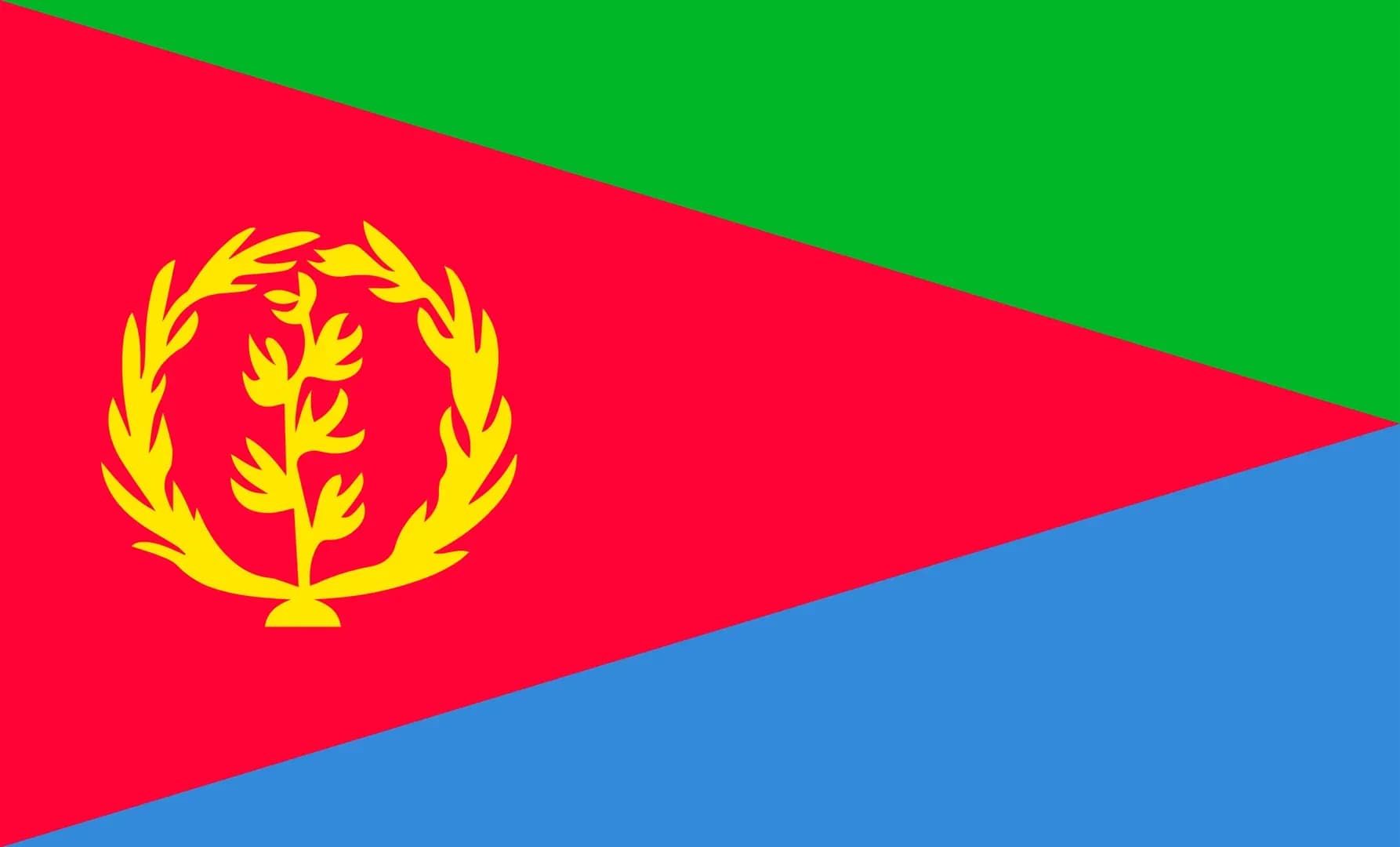 INDEX 24.10.2025, 17:11 Eritrean Sovereignty Index (Burke Index), 2024-2025  Share on media IntroductionThis report provides a comprehensive analysis of Eritrean sovereignty using the methodology of the Burke Institute. Sovereignty is assessed in 7 areas: political, economic, technological, informational, cultural, cognitive and military. Each aspect is assessed on the basis of official data from international and national sources (UN, World Bank, UNESCO, IMF, ITU, FAO, SIPRI, PISA, etc.) without using politicized indexes. The maximum score in each direction is 100; the sum (up to 700) is the accumulated Sovereignty Index (Burke Index). To adapt and adjust statistical parameters, an international expert survey was conducted for each of the seven components using a single questionnaire of 10 questions with a 10-point scale and one open-ended question. In total, at least 100 experts from 50+ countries were interviewed for each indicator, taking into account geographical representation and specialization. When calculating and analyzing the data, equalizing coefficients were used, bringing all data to a scale of 0-10 points. The final index value is the arithmetic mean between statistical data and expert estimates. Below is an analysis in each area, a summary table and the main conclusions about the specifics of Eritrean sovereignty. Political sovereignty — 16.4Eritrea is a member of the United Nations, the African Union, the African Development Bank, COMESA, IGAD, and Interpol, and has limited cooperation with international financial institutions; the country distances itself from broad participation in international organizations and often refuses to cooperate with human rights mechanisms. The Constitution (art. 2(3)) proclaims the supremacy of national law and establishes the primacy of constitutional norms: international treaties, after ratification, must be implemented into national legislation, there is usually no direct effect, and the constitution takes precedence. Officially, the country is considered stable (WGI Political Stability 2023: -0.79), but the practice of strict political centralization, long-term dictatorship, mass repression, periodic escalation of military threats along the perimeter (Tigray region, border conflicts). The public administration efficiency index is very low: 6th percentile (2023), rigid political centralization, weak bureaucracy and high levels of corruption, lack of real feedback mechanisms. EGDI — 0.220 (2022), one of the minimum indicators in the world: digitalization of public services and online platforms is practically absent. President Isaias Afwerki has been in power since 1991, officially the level of support is extremely high, but there are no independent polls, there has never been any turnover during the entire independent period, there are no fair elections and political competition. There are no foreign military bases, the government prohibits the deployment of foreign forces; the country participates in regional military operations, but does not allow the deployment of external facilities. Eritrea has signed, but not ratified, the Rome Statute; does not participate in any international courts with mandatory jurisdiction, distances itself from the ICC, ICJ system, and completely ignores most human rights decisions of the United Nations and African institutions. The official system is a unitary state, de facto strict centralization of power, all important decisions are made by the president and senior military; independent local councils, parliaments or courts are almost non-functioning. The special services and the army (People's Front for Democracy and Justice) are completely under the control of the regime, there is no independent supervision, the system is totally closed, human rights violations and political repression are massively recorded. Data completeness assessment: the main indicators are available from international sources, the coverage is 88%. Economic sovereignty — 16.1In 2025, GDP per capita (PPP) is $2,162, one of the lowest positions in the world. The country's reserves (gold and foreign exchange) amount to $190 million (2019); in recent years, reserves have been in the range of $180-200 million, gold reserves — 0 tons. The national debt amounts to 145-164% of GDP; the country is among the top 10 most indebted in the world, most of the debt is domestic. The country imports up to 60% of basic products (grain, sugar, butter), is heavily dependent on the global market and humanitarian supplies; its own production is unstable due to the climate and the control system of state monopolies. About 90% of electricity is produced by fuel oil and diesel; renewable energy and hydrogenation (with the support of AfDB, China) — less than 10%, the country is completely dependent on fuel imports. There are significant reserves of gold, zinc, copper, potash, limestone, salt, marble and uranium. The mining sector is fully controlled by the state and foreign investors from China and Canada. The shortage of water resources is acute: water is extracted from underground wells, seasonal rivers, and sometimes desalinated; resources are highly dependent on weather conditions, and droughts are common. The payment system is centralized through state-owned banks and government-controlled POS networks, and the entire infrastructure is managed by the State Bank of Eritrea. The official currency is the nakfa (ERN), more than 95% of domestic settlements are in the national currency; dollars are used very sparsely and informally in actual circulation. The State Bank of Eritrea (Bank of Eritrea) is the only issuing center, overseeing monetary circulation, credit policy, exchange rate, and direct government regulation. Data completeness assessment: the main macroeconomic indicators are available from official sources (World Bank, IMF), coverage is 84% Technological sovereignty — 6.7Spending on R&D is estimated at less than 0.05% of GDP; in the agricultural sector, this figure was one of the lowest in Africa in 2013-2014 and continues to decline. There is no complete import substitution program; the country depends on imports for high-tech and IT (more than 70% of equipment and components), and individual state localization programs are implemented only in the energy and food processing sectors. In 2025, about 24 thousand students are studying at universities (for 3.7 million people: ~0.6%), of which a significant part are in technical and pedagogical fields. There are 7 higher education institutions in the country. Less than 6% of the population uses the Internet (2024), one of the lowest rates in the world. Local platforms are represented only by limited services for registration, educational portals and individual government services — all based on foreign software and hosting. Import dependence on all types of machinery and technologies: IT equipment, electronics, communications and software are almost completely imported, there is no own production. The level of digitalization of public services is extremely low: EGDI is 0.22, online records, electronic documents and tax services are unevenly developed, many services are available only offline. There are no own biotechnological industries and innovative laboratories; medicine, diagnostics, agriculture are 100% dependent on imported solutions. There is no autonomy or production in the field of robotics; the trial projects are completely imported, and the development of automation is close to zero. There is no real infrastructure for the production of chips and electronics, 100% is imported. Data completeness assessment: key indicators are obtained from WIPO, ITU, UNESCO, which provides 84% coverage. Information sovereignty — 10.6A national CERT has not been created (it is missing from the ITU registry); cybersecurity is formally declared in the strategy, there are separate reports to ITU and participation in regional initiatives, but the profile center is only being discussed, there is no real covering CIRT. The implementation of its own IXP (Internet Exchange Point) is in the design stage — the infrastructure is maintained jointly with the African Union; traffic localization and the development of the national IXP are prescribed in the development programs, but the node has not been confirmed in full operation. All state-owned media operate in Tigrinya, Arabic, Tigris and English; the main information channels are the state-owned Eri-TV, Radio Dimtsi Hafash, Zara FM, the newspapers Hadas Eritrea and Eritrea Profile. There are no independent media in the country, all official ones are under the control of the Ministry of Information. Practically non-existent: critical infrastructure, the Internet, are completely dependent on foreign (mainly Western and Chinese) platforms. If external services are disabled, the country's digital stability is near zero. State media content — more than 95% of news, radio and TV/print channels (all government agencies), independent publications are prohibited. There is no proprietary IT product or exported software; all government services and services are developed and supported on imported platforms, and there are no large national IT companies. The average coverage of digital and electronic public services does not exceed 3% of the population, EGDI is 0.22; only basic government registers, payments and educational platforms are available online. There are no government data centers or public clouds; data from ministries and services is stored on isolated servers. The mobile operator EriTel is a state monopoly, the entire infrastructure is under direct government control, the equipment is imported (China, EU); there are no private or independent companies. There is no special law on personal data; partial protection is provided in the acts on electronic commerce and communications, but compliance and guarantees are minimal, and there is no supervision. Data completeness assessment: infrastructure indicators are available from ITU, CIRA, OECD and specialized sources, coverage is 82%. Cultural sovereignty — 57.3Eritrea has 1 World Heritage site on the UNESCO list: the historical center of Asmara (Asmara: A Modernist African City, 2017). The contribution is the unique African architectural heritage of modernism in Asmara, the coffee ceremony, ethnic music, folklore, multilingual artistic traditions and the integration of Coptic and Islamic motifs into the arts. There are awards: the Raimoc Award, periodic art, folklore, and music competitions; participation in Afrima awards abroad and international festivals. Strong ethno-cultural identity (9 nationalities), oral traditions, dances, family and community ceremonies, a special culture of hospitality, rituals of independence, holidays, traditional costume and color. Official programs to support all peoples, the development of ethnic schools, the financing of cultural events, the preservation of languages and diasporas, and participation in international ethnic programs. More than 50 key sites: Asmara center, museums, temples, festival squares, craft centers, monuments, architectural ensembles of modernism. Eritrea participates in UNESCO programs, international exhibitions, architectural forums, cultural exchange with the EU, Africa, and regional AfRIMA. The Asmara Center, the coffee ceremony, national dances, and ethnic clothing are officially promoted and protected; legal support for brands is implemented through laws on culture and heritage. Traditions: injera, zigni, kicha-fit-fit, benchi-lami, Italian dishes, bread and tortillas, coffee, spices, regional recipes, suva (beer), collective feasts. Festivals, national holidays and mass marches cover up to 80% of the adult population annually, especially in Asmara and regional cities. Data completeness assessment: basic indicators are available in UNESCO and national statistics, coverage is 81%. Cognitive sovereignty — 13.6HDI by the end of 2023 — 0.503 (178th place in the world, low level). Government spending on education is 2.13% of GDP (latest data); the part of the state budget allocated to education is at the level of 5.5–10%. Adult literacy (15+) — 76.6% (2024, UN/UNESCO), men — 84.4%, women — 68.9%; youth literacy (15-24) exceeds 91%. Eritrea does not participate in PISA and other comparable international tests; academic performance data is only available at the national level. Graduates in STEM fields account for about 15-20% (agro, medicine, engineering, IT); pedagogical and administrative specialties dominate. The share of students participating in international and joint programs is less than 5%; exchanges are conducted through Francophone and African initiatives. 9 languages are recognized as state languages (Tigrinya, Arabic, Tigre, Sakho, Bilin, Kunama, Afar, Nanet, Bedauie), all have educational and cultural status; Orthodox, Catholics, and Muslims are officially supported by the state. There are 7 universities, of which one is the Eritrean Institute of Technology (Fundamental and Engineering Sciences), there is an agricultural institute and university divisions. State-owned distance and online learning platforms cover <10% of students; offline learning dominates, and the main digital services are imported. State programs are aimed at basic scholarships, Olympiad movements, sending students to study abroad; the total coverage does not exceed 1-2% of students annually. Data completeness assessment: education indicators are available in the UNDP, UNESCO, OECD, coverage is 86%. Military sovereignty — 21.4According to SIPRI, Eritrea traditionally spends 18-22% of GDP on defense (the most comprehensive recent data is 20.9% of GDP, 2003; the spending structure remains one of the most militarized in the world). The total number of active armed forces is approximately 200,000–250,000 people; up to 130,000 are in reserve, one of the highest rates of "military mobilization" in the world. It is based on Soviet and Russian weapons of the 1970s and 2000s (T-72, BMP-1, artillery, SAM, MiG-29, Su-27); single deliveries of new equipment, separate purchases of dual-use goods (electronic warfare, air defense), negotiations are underway to purchase new fighters from the Russian Federation, anti-drone systems have been purchased type Krasukha-4. Almost all weapons are imported; the country does not produce heavy machinery and weapons, and is limited to repair shops and minor assembly. The control is carried out by the army and border guard troops; the meridian of the Red Sea and the land border are covered with outposts. Regional challenges (conflicts on the border with Ethiopia and Sudan) stimulate the development of defense infrastructure. There are from 120,000 to 130,000 people in reserve + mobilization resources through the national service (about 1.5 million military personnel in total according to demographic potential). Eritrea does not belong to any military blocs; it makes decisions about military operations independently, relies on a model of full national mobilization, and does not participate in foreign alliances. There is no military industry; all heavy weapons and aircraft are imported, and there are only small repair shops in the country to maintain equipment. There are no nuclear weapons, the country does not conduct related programs, and it has signed the NPT. There is no national satellite and space program; intelligence is military and state-owned, closed to the National Security Service and military intelligence; software and technologies for electronic warfare are imported from Russia and China. All parameters are reflected in the annual reports of SIPRI, UNODA, the Ministry of Defense, the official portals of state-owned companies (Embraer, IMBEL) and UN/NGO industry databases - 85% coverage Final Summary Table
The main conclusionsStrengths. High mobilization and military autonomy: the largest army reserves in the region, independence of military decisions, military control of borders, a high degree of national patriotism. Cultural uniqueness: Asmara (UNESCO architecture), coffee ceremony, celebrations of 9 nations, high involvement in cultural life. Resource potential: significant mineral resources, active attraction of investments in mining, functioning emission and payment centers, positive current account. Linguistic and ethnic inclusivity: recognition of 9 languages, support for small nations. Weaknesses. Extremely low level of human development: HDI is 0.5 (178th place), literacy is 76%, education spending is 2% of GDP, and enrollment in higher education and STEM fields is VERY low. Economic stagnation and poverty: GDP per capita is $2,100, high government debt (>140% of GDP), imports of gasoline, grain, machinery, poor financial transparency, and severe water shortages. Technological/digital import dependence: no IT products, no cloud data centers, EGDI — 0.22, Internet — less than 6%. Obsolescence of institutions and centralized authoritarianism: the absolute power of the president, lack of turnover, lack of independent media, repressive apparatus and suppression of any opponents. International isolation: limited external contacts, weak participation in international courts and projects, sanctions regime. Minimal opportunities for talent and R&D: spending on science is less than 0.05% of GDP, no national IT companies, and no programs to support innovation and STEM. Overall assessment. The total index of Eritrean sovereignty is 142.1 out of 700 possible points (Extremely low — 20.3%), which places the country in the 191st place in the world top. Eritrea has a unique cultural foundation, strong state mobilization, and raw material potential, but in the 21st century remains one of the most isolated and vulnerable countries in the world in terms of governance, human capital, living standards, and digitalization; power is centralized, the economy is stagnating, and institutional and technological constraints restrain the country's sovereign potential. The sovereignty profile indicates that Eritrea's sovereignty is expressed in unprecedented political and administrative autonomy with highly centralized institutions, full mobilization control, ethnocultural cohesion and resource self-sufficiency, but with systemic weakness and dependence on critical modern areas of the economy, the digital environment, education, science and external political integration. | ||||||||||||||||||