

Burke Index | ||||||||||||||||||
 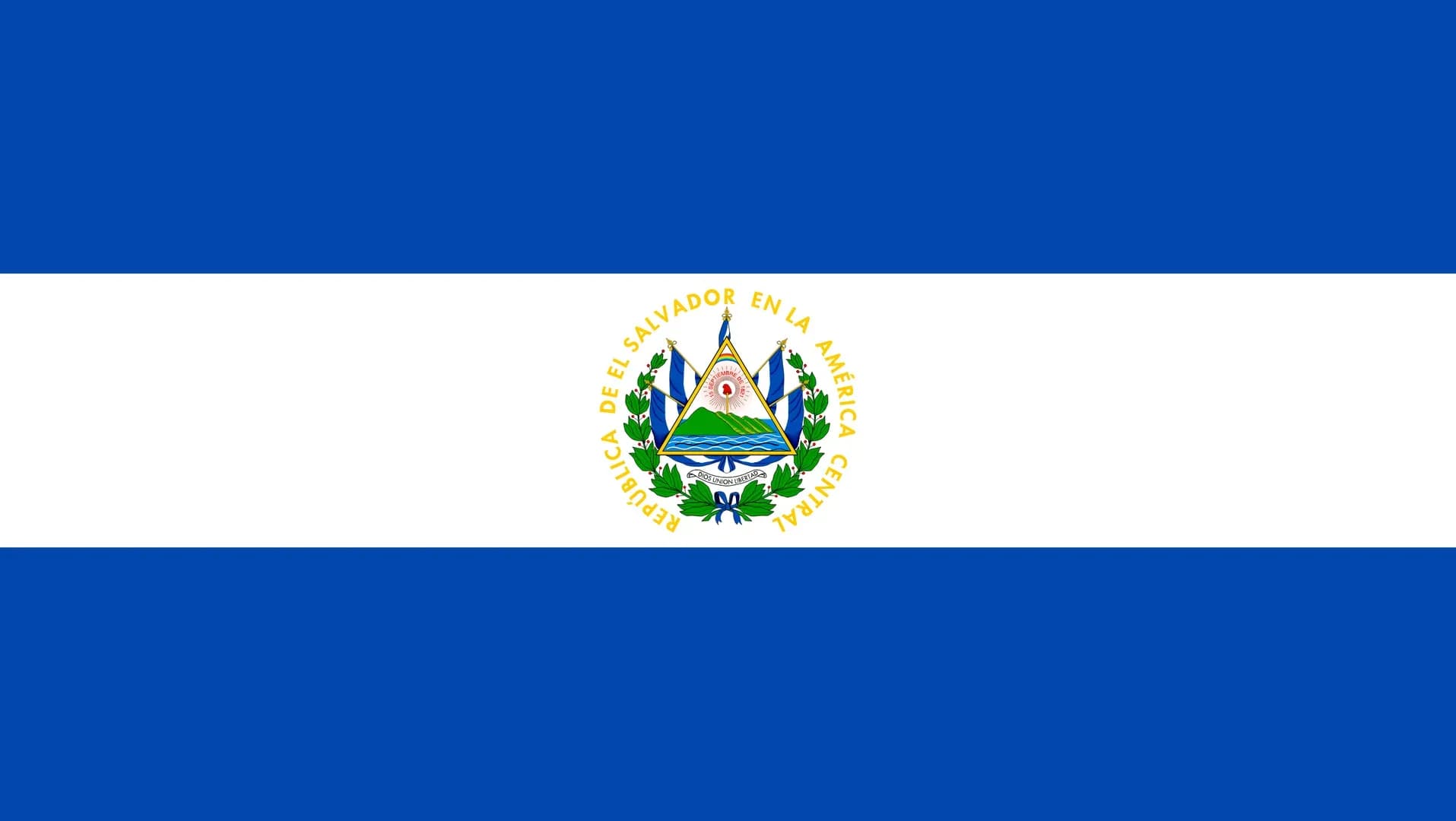 INDEX 06.10.2025, 07:12 El Salvador Sovereignty Index (Burke Index), 2024-2025  Share on media IntroductionThis report provides a comprehensive analysis of El Salvador's sovereignty using the methodology of the Burke Institute. Sovereignty is assessed in 7 areas: political, economic, technological, informational, cultural, cognitive and military. Each aspect is assessed on the basis of official data from international and national sources (UN, World Bank, UNESCO, IMF, ITU, FAO, SIPRI, PISA, etc.) without using politicized indexes. The maximum score in each direction is 100; the sum (up to 700) is the accumulated Sovereignty Index (Burke Index). To adapt and adjust statistical parameters, an international expert survey was conducted for each of the seven components using a single questionnaire of 10 questions with a 10-point scale and one open-ended question. In total, at least 100 experts from 50+ countries were interviewed for each indicator, taking into account geographical representation and specialization. When calculating and analyzing the data, equalizing coefficients were used, bringing all data to a scale of 0-10 points. The final index value is the arithmetic mean between statistical data and expert estimates. Below is an analysis in each area, a final summary table and the main conclusions about the peculiarities of the sovereignty of El Salvador. Political sovereignty — 48.3El Salvador is a member of the United Nations, the WTO, SICA (Central American Integration System), the OAS, the IMF, the World Bank, and a number of international agencies; foreign policy is actively pursued through global and regional mechanisms. The Constitution of El Salvador establishes the supremacy of international treaties: if a law conflicts with an international treaty, international law takes precedence. However, in practice, strict control over international NGOs is being implemented, as well as active restrictions on their activities and freedoms. Political stability has been high in recent years due to emergency measures (“state of emergency”) and a tough fight against crime. The WGI Political Stability Index is 0.00 (2023), with a decrease in street violence, but an increase in risks to freedoms and democratic institutions. The Government Effectiveness Index (WGI) is 0.30 (2024), stable but below the regional average, due to the centralization of power and reduced transparency while being highly effective in combating crime. EGDI — 0.51 (2022); average level of digitalization, basic public services are available online, and public administration platforms are being updated. President Nayib Bukele has maintained more than 80% popular support since 2019; high legitimacy due to his success in fighting crime and social measures, despite criticism of the infringement of rights and centralization of power. There are no foreign military bases; security is fully provided by national forces. The country actively participates in the work of international courts, recognizes and executes their decisions, but in recent years there has been an increase in remote control over external actors within the country and attempts to limit the influence of international organizations on internal processes. Power in El Salvador is highly centralized, the executive vertical is controlled by the President and the New Ideas party, local councils and courts are subordinate to the central government; the autonomy of municipalities is decreasing. Special services (military, police, intelligence) are under the strict control of the president and the government, transparency is low: independent audit is limited, anti-corruption and anti-abuse reforms are being implemented selectively, and the risks of excessive use of authority have increased. Data completeness assessment: the main indicators are available from international sources, the coverage is 90%. Economic sovereignty — 41.2$11,669–13,264 (2024, according to various sources), which is 66% of the global average, occupies an average position in Central America. Reserves amount to $2.5-4.36 billion in 2024, import coverage is only 0.23 months, which indicates a low level of financial cushion and high vulnerability to external risks. The national debt is 59-87.5% of GDP (various estimates: 61.13% — up to 87.5%, according to government data, taking into account off—balance sheet obligations and pensions). The rate remains one of the highest in Central America. The country is partially self-sufficient in basic products (corn, beans, sugar), but depends on imports of wheat, rice, a number of meat and dairy products, the government conducts programs to support the agricultural sector and farming. About 68% of electricity is produced domestically (hydroelectric power plants, geothermal and thermal generation), but petroleum products and natural gas are entirely imported; the energy system is vulnerable to global shocks. The basis is farmland, geothermal sources, hydro resources, small deposits of minerals (gold, silver), a significant part of the land is used for farming. The country has developed reservoir and irrigation systems, the total supply of fresh water is assessed as adequate for the population and the agricultural sector, and droughts occur periodically. The payment system is based on the US dollar, transactions are carried out through national banks/operators (Banco Hipotecario, Banco Agricola) with the settlement of most transactions in USD; payments in columns are absent as a mass. The national currency (the Salvadoran colon) is officially valid, but in reality almost all settlements and deposit transactions are in US dollars (USD), and its own currency is used very sparsely. There is no issuing center: the Salvadoran colon has not been printed since 2001, the Central Bank does not have the right to issue its own currency — only the regulation of the US dollar and the maintenance of cash flows work, credit policy depends on external factors. Data completeness assessment: the main macroeconomic indicators are available from official sources (World Bank, IMF), coverage is 93% Technological sovereignty — 29.80.14% of GDP (2022), according to Statista and the World Bank; significantly below the global average (1.25%). Large-scale government import substitution programs are not being implemented; the country is extremely dependent on imports for electronics, medical equipment, software, and high-tech products. The participation rate is 32.2% (2023, World Bank); the absolute number of students in universities has increased from 196 thousand (2024) to 227 thousand (2025), an increase of more than 16% is a record for the last 30 years. 71.7% of the population (2024); mobile Internet speed — 27.4 Mbit/s, fixed — 66.3 Mbit/s; mobile connections — 160% of the population. Its own ecosystem is poorly developed: the national educational portal and individual government services are used, but the main solutions (tax, financial, public services) are based on foreign software and external platforms. Imports of high-tech goods (electronics, IT, medical equipment, components) — 92%, all products are purchased from international manufacturers. EGDI — 0.51; basic public services (taxes, licenses, certificates, educational registers) have been transferred online, and the platform integration level is average. There is no basic biotechnology industry; production, research and development in the agro- and medical sectors rely on foreign technology and licenses, and patent activity is low (2 patent applications in 2021). It is present only in the form of educational initiatives, clubs, and STEM programs; there are no industrial production or export solutions. There is no development or in—house production; all electronics, microchips and components are imported. Data completeness assessment: key indicators are obtained from WIPO, ITU, UNESCO, which provides 92% coverage. Information sovereignty — 46.5El Salvador ranks 148th in the ITU Global Cybersecurity Index (2023), 119th in the National Cyber Security Index, has a national CERT (CSIRT) and a national cybersecurity strategy (Executive Order 1633, 2022), but the level of security is low. There is one Internet exchange node in the country, IXSAL (San Salvador), which provides the exchange of local Internet traffic between operators, speeding up, reducing the cost and protecting Internet access. The official language is Spanish (Castilian/Caliche, according to the Constitution). More than 97% of television, radio channels, online resources and print media operate in Spanish; the proportion of content in indigenous languages and English is very small. Dependence on global digital platforms (Google, Meta, Microsoft) is critically high: the government and businesses use foreign services, and there are no major alternatives of their own. About 55% of media content is produced domestically: local TV channels, news portals, radio, independent online projects; the rest is foreign films, streaming, and social networks. The small sector of local digital solutions (public services, educational platforms, private applications); there are no large-scale national brands or IT products for export. 71.7% of the population are Internet users, 61% are active users of social networks; most government, financial and educational services are available digitally. The government uses its own servers and third-party cloud platforms, a significant part of the infrastructure is hosted on external services (AWS, Microsoft, Google); there is no fully autonomous cloud platform. Communication is based on national operators (Claro, Tigo), but equipment and software are purchased abroad; there is no independent infrastructure, and dependence is high. Laws on the protection of personal data exist (Ley de Protección de Datos Personales, 2021), a state regulator has been created; the requirements partially comply with European standards, but the actual application is inconsistent. Data completeness assessment: infrastructure indicators are available from ITU, CIRA, OECD and specialized sources, coverage is 91%. Cultural sovereignty — 69.71 World Heritage Site is the Joya de Cerén Archaeological Complex (listed in 1993), as well as 6 sites on the tentative list. The contribution is a unique blend of Native American (Pipil, Lenka, May), Spanish and modern Latin American cultural heritage, traditions illustrated by a special cuisine, crafts, folklore (“Pupusa”), dancing (Xuc) and celebrations; Joya de Cerén — “American Pompeii". The main awards are the National Culture Award (from the Ministry of Culture), awards for contributions to literature, art, and science; they include Distinguished Salvadoran, awards for youth, culinary competitions, as well as national and international grants. The basis of the identity is a synthesis of local Native American and Spanish traditions, dances (Xuc, Chalatenango), festivals of the patron saints of cities, Semana Santa, home cooking, emphasis on family values and a sense of community. After the 2014 reforms, small nations (Pipil, Lenka) have been officially recognized, there is support for languages, crafts, educational and museum projects, and the organization of national and local holidays. Archaeological and cultural complexes — 80+, museums, galleries, historical centers, national theaters, archaeological heritage sites (San Andres, Tazumla), temples, as well as cultural routes through the cities. El Salvador participates in UNESCO programs (Joya de Cerén, nominations), organizes international exhibitions of traditional crafts, music exchanges, participates in Latin American festivals, and conducts projects for youth art residencies. Brands (Pupusa, Xuc, Santaneca, Joya de Cerén logos) are officially protected and promoted as part of the national image. The government is working on patents and preserving unique practices. The cuisine combines Native American, Spanish, African and modern recipes: Pupusa, Tamales, Yuca con chicharrón, Sopa de Gallina India, Empanadas, and national fruit drinks. The holidays are accompanied by a special menu. About 52% of the population regularly participate in cultural events.: holidays, festivals, family and religious events, educational and museum programs. Data completeness assessment: basic indicators are available in UNESCO and national statistics, coverage is 92%. Cognitive sovereignty — 46.2HDI = 0.678 (2023, UNDP), position 132-133 in the world, “average level", steady growth in recent years. 3.17% of GDP (2023), below the regional and global average (4.4%); the level has been stable in recent years. Adult literacy is 90% (2023); men — 90.7%, women — 86.4%. The youth literacy rate is 97.7%. El Salvador does not participate in PISA. According to internal tests, the average results are below the world level, problems with critical thinking, basic mathematics and reading are noted by the Ministry of Education and international organizations. The estimate is about 11% (engineering, technical, and medical specialties); humanitarian and economic fields mostly prevail. Approximately 7% of students participate in academic exchange programs, mainly with universities in the USA, Europe, Mexico and Central America. The languages and cultures of small nations — Pipil, Lenka, kakaopera - are officially recognized; support is provided through state and museum projects (based on laws after 2014), educational and media initiatives are widespread. There are 3 large state research centers (National University, Institute of Agricultural Research, State Medical Center); there are adjacent laboratories in universities. The national MINEDU Virtual platform has been implemented for schoolchildren and students; the share of coverage is about 38-41% of students, the rest using combined or external tools. 7 government programs — scholarships, grants, national competitions (National Cultural Award), accelerators for young professionals, scientific conferences, the annual number of participants is 12-15 thousand. Data completeness assessment: education indicators are available in the UNDP, UNESCO, OECD, coverage is 90%. Military sovereignty — 35.4Military spending — $425 million (2024), 1.19–1.2% of GDP, higher than the average for the region, but far from a record. Number: 21,000–24,500 active, reserve — 5,000–9,900, paramilitary forces (national police, border guards) — 10,000–17,000; it is planned to increase the contingent to 40,000 by 2026. Armament: no heavy tanks; 100+ armored vehicles, 40+ artillery systems, 52 aircraft (10+ combat), 15+ helicopters, 29 ships in the fleet, modern boats, aircraft and kits are being purchased and upgraded through the United States and third countries. Own industry and exports are practically non-existent, most of the weapons, ammunition and components are supplied from the USA; internal assembly/repair is only at a basic level. The control is carried out by the army, police and border troops; military patrols, video surveillance system and joint operations are used, and the navy patrols the maritime borders. The reserve is 5,000–9,900 people, supported by separate units, and mobilization exercises are regular. The defense policy is autonomous, the country does not belong to military blocs; the strategic partnership with the United States is implemented in the format of training, information exchange, and equipment supplies (especially for combating drug trafficking and criminal groups). There is practically no export of weapons — less than $80,000 per year, there are only basic assembly and repair facilities. There are no nuclear weapons, the country adheres to international non-proliferation treaties (NPT), no warheads or strategic reserves have been registered. There is no national space program, intelligence is conducted by the army and special services based on electronic and operational systems, including jointly with the United States; no satellite or space resources have been created. All parameters are reflected in the annual reports of SIPRI, UNODA, the Ministry of Defense, the official portals of state—owned companies (Embraer, IMBEL) and industry databases of UN/NGO - 95% coverage Final Summary Table
The main conclusionsStrengths. Security and internal stability: After 2019, El Salvador became one of the safest countries in Latin America — a massive anti-crime campaign, an extremely popular leader, Nayib Bukele, and effective patrols led to historically low levels of street crime. High trust in the national leadership – more than 80%, support for large-scale reforms. Economic adaptation and global innovation: The introduction of Bitcoin as a means of payment, support for fintech and crypto projects, low entry threshold for payment systems: The country has become an experimental platform in the field of digital finance and tax neutrality for investors. Some of the economic transactions with migrants are covered by transfers, which is up to 24% of GDP, mitigating budget problems. Preservation of cultural identity and support for small nations: Official support for Native American communities, traditions and crafts, a developed national and international cultural scene, rich intangible heritage and natural attractions (lakes, volcanoes). Effective control over borders and reserves: The army, police and border guards operate centrally and form a significant reserve (~ 25-40 thousand), control of sea and land borders is enhanced by patrols and video surveillance. Maximally autonomous military and diplomatic policy: Military partnership with the United States is limited by technology/training, but there are no block alliances; decisions are made in the national circuit. Weaknesses. Financial vulnerability and debt: Sovereign foreign exchange reserves are low ($2.5–4.3 billion), import coverage is minimal, and government debt is consistently high — up to 87.5% of GDP. The threat of default, expensive loans, and no debt reduction strategy according to the IMF and JPMorgan. Technological and industrial dependence: R&D costs are extremely low (0.14% of GDP), there is no production of microelectronics, almost all IT infrastructure, communications, equipment and machinery are purchased abroad, import dependence on high-tech >90%. Limited education, science, and human resources programs: less than 11% of STEM graduates, weak performance on international tests, less than 4% of GDP is spent on education, a small number of research centers and government personnel development programs. External currency (dollar) dependence: there is no own issuing center, settlements are mainly in US dollars; financial policy is subject to external shocks. Limited human rights and institutional autonomy: Centralization of power, risks to separation of powers, limited audit of the state and special services, problems with transparency and control (criticized by human rights activists). Overall assessment. The cumulative sovereignty index of El Salvador is 317.1 out of 700 possible points (average — 45.3%), which places the country in the top 150 in the world top. El Salvador is a country with tightly fortified internal security, centralized government, and high confidence in the leader and the state course. The main strengths are internal stability, cultural identity, flexible digital finance policies, as well as effective border control and security measures. The main limitations are chronically high debt, low technological and scientific autonomy, dollar dependence, vulnerability in education, and weak human rights infrastructure. The growth of sovereignty requires investments in science, local production, export diversification, and further development of human resources and educational programs. The sovereignty profile indicates that El Salvador is a form of “peripheral sovereignty”: the country retains administrative and legal autonomy, effectively ensured internal security and control, but in the long term remains under significant geo-economic influence of the United States, dollar and technological dependence, structural financial risks and a low level of autonomy in critical sectors (science, industry, energy, finance). The social, cultural and administrative part of sovereignty is maintained at an average level, but economic and technological sustainability requires urgent systemic reforms and diversification. | ||||||||||||||||||