

Burke Index | ||||||||||||||||||
 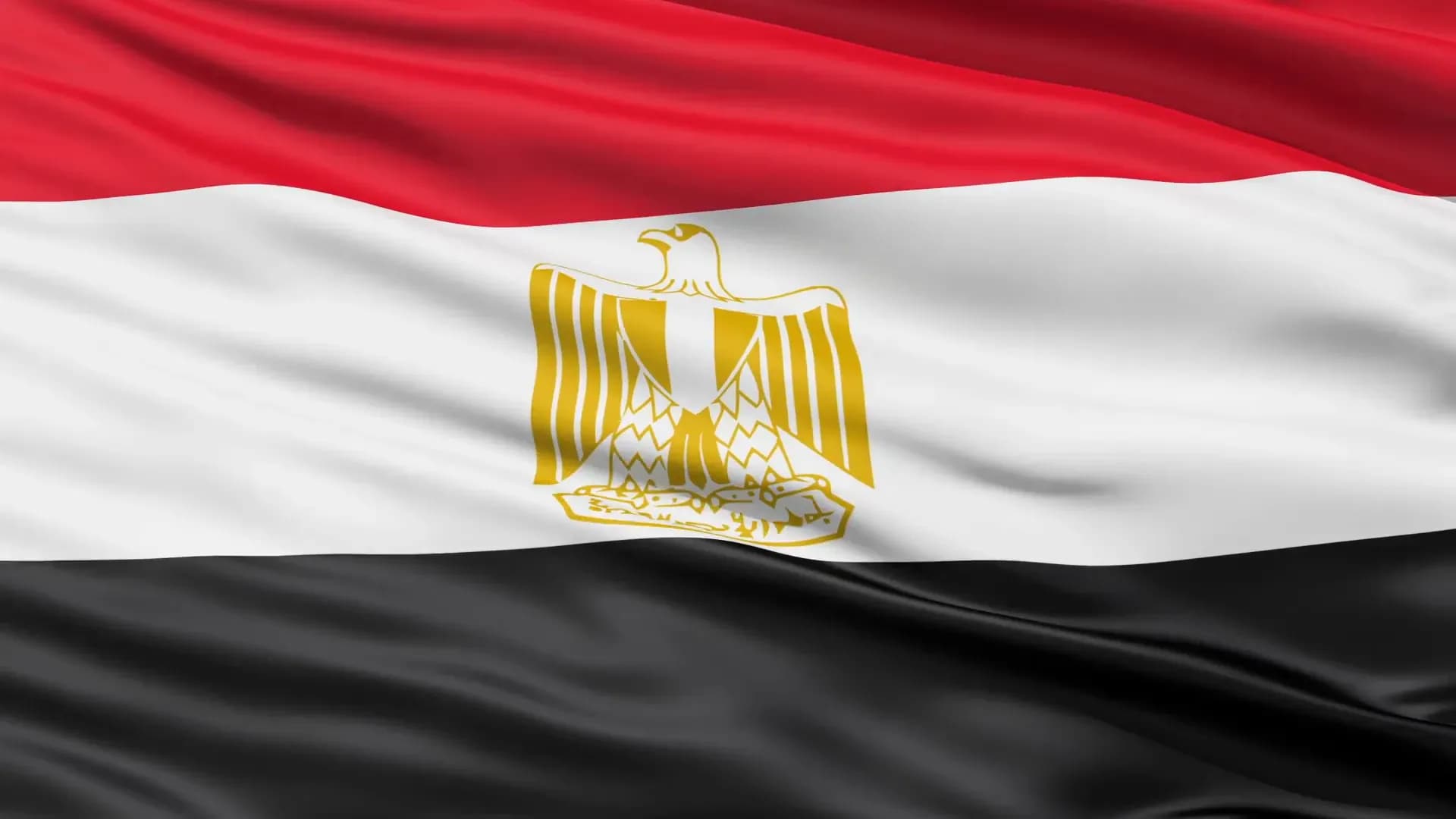 INDEX 26.09.2025, 05:20 Egyptian Sovereignty Index (Burke Index), 2024-2025  Share on media IntroductionThis report provides a comprehensive analysis of Egyptian sovereignty using the methodology of the Burke Institute. Sovereignty is assessed in 7 areas: political, economic, technological, informational, cultural, cognitive and military. Each aspect is assessed on the basis of official data from international and national sources (UN, World Bank, UNESCO, IMF, ITU, FAO, SIPRI, PISA, etc.) without using politicized indexes. The maximum score in each direction is 100; the sum (up to 700) is the accumulated Sovereignty Index (Burke Index). To adapt and adjust statistical parameters, an international expert survey was conducted for each of the seven components using a single questionnaire of 10 questions with a 10-point scale and one open-ended question. In total, at least 100 experts from 50+ countries were interviewed for each indicator, taking into account geographical representation and specialization. When calculating and analyzing the data, equalizing coefficients were used, bringing all data to a scale of 0-10 points. The final index value is the arithmetic mean between statistical data and expert estimates. Below is an analysis in each area, a summary table and the main conclusions about the specifics of Egypt's sovereignty. Political sovereignty — 48.7Egypt is a founder of the United Nations, the Arab League, the African Union, the OIC and participates in the IMF, the World Bank, the ILO and other organizations. Regular participation in UN peacekeeping missions, active representative in international institutions. Egypt signs international treaties, but in 2021-2022 it introduced amendments allowing the Supreme Constitutional Court to block the execution of decisions of foreign courts and organizations if they contradict the Constitution. The Constitution recognizes international treaties as legally binding after ratification, but the rule of national law prevails if a threat to national interests is identified. There are particularly severe restrictions on the activities of foreign NGOs; all foreign organizations require separate registration and coordination with government agencies. Political Stability Index (World Bank, 2023): -0.87 (from -2.5 to +2.5; below the global average). Problems: high inflation, partial dependence on international support, 30% of the population below the poverty line, regional challenges (the Palestinian crisis, migration). Since 2017, there has been a positive trend in security and a decrease in the level of terrorist activity. According to World Governance Indicators (WGI), the efficiency index of the Egyptian government in 2023: approximately -0.38 (range -2.5 to +2.5). In 2023, the country ranks 146th in terms of "Governance" — there is a significant influence of the military and weak restrictions on the executive branch. EGDI 2024: 0.589 (position 74th out of 193 countries). The information infrastructure is actively developing, and services are available on government portals. President Abdel Fattah al-Sisi was re-elected in April 2024 with 89.6% of the vote, while maintaining a high level of vertical power and limited pluralization of party politics. According to Arab polls (Arab Barometer), support for a strong national leader exceeds 50%, 53% of respondents consider democracy to be the best model, but stability is the priority. There are no foreign military bases in Egypt; the entire infrastructure, including the bases of the United States and the Russian Federation, is used only for short-term operations, training or transit. The country strictly regulates the military presence of foreign forces and does not provide bases under the full control of foreign states. Egypt has ratified several international human rights conventions and participated in the African Court of Justice; however, amendments have been adopted in recent years to challenge the enforcement of external decisions through the Supreme Court. In world practice, Egypt records distancing itself from international judicial institutions in a number of cases, especially concerning human rights. The country has a tightly centralized political structure; regions (governorships) are governed by appointed governors, with minimal autonomy. The budgetary and personnel powers of the regions are limited, and the influence of the center is crucial. The transparency of the work of the special services is low; control is carried out through the presidential administration, parliamentary oversight is extremely formal. The field of security and intelligence services is traditionally closed to the public and international inspections, and limited interaction with civil society is practiced. Data completeness assessment: the main indicators are available from international sources, the coverage is 98%. Economic sovereignty— 45GDP per capita (PPP, 2025) is $17,798 (Trading Economics, World Bank). IMF and World Economics estimates for 2025 are $19,094–$25,682 (difference due to methodology). The country's gold and foreign exchange reserves for August 2025 amounted to $49.25 billion (Central Bank of Egypt). In the structure: $35.12 billion — foreign currency, $14.09 billion — gold, SDR — $43 million. The national debt in 2025 is 84.5–86.6% of GDP (World Economics, Statista). According to CEIC: $261.9 billion (Q2 2024). According to the Global Food Security Index, Egypt's score is 56.0 points (2025), average, ranked 63/127. Key indicators: stable domestic wheat harvest (2025), ~3.5 million tons purchased from farmers. The country remains one of the world's largest wheat importers, providing reserves for several months ahead. Egypt retains the status of an energy-independent country, covering domestic consumption of oil and gas, and exports of LNG and electricity have begun. 8,031 MW is the installed capacity of renewable energy sources (wind, solar, hydro), the goal is 42% of generation from renewable sources by 2030. Large-scale investments in green hydrogen and infrastructure upgrades are underway. Oil and gas fields (Mediterranean Sea, desert), gold exports — 640,000 ounces in 2024/25, new exploration in Halaib and Elba (~300,000 ounces). Mineral extraction is about 26 million tons of ores per year. The proven reserves of fresh water annually amount to 76 billion cubic meters (the main source is the Nile, 55.5 billion m3/year). The main source is the Nile River (97% of the volume), with 55-76 billion m3 of all available resources annually. In 2025, per capita is ~500-560 m3/year (a critical level according to UN standards). The national operator is EBC (Egyptian Banks Company), under the control of the Central Bank of Egypt, which services the entire electronic payment infrastructure, Meeza cards, InstaPay systems, and an Automatic clearing House. "Meeza” is a national payment system, the share is growing, providing most of the internal settlements and social benefits. Internal payments are mainly in Egyptian pounds (EGP); Meeza electronic cards and mobile wallets operate exclusively in national currency — it is estimated that more than 85% of all internal transactions take place in EGP. The exchange rate for September 2025 is EGP 52-55 per dollar, supported by regulatory policy. The issuing center is the Central Bank of Egypt (CBE), a fully national money supply and credit rate management. Credit policy: the key rate is 27.25%, strict regulation of currency and lending, and support for internal liquidity. The mechanisms are state control over the issue, the national payment system, and internal lending rules under the supervision of the CBE. Data completeness assessment: the main macroeconomic indicators are available from official sources (World Bank, IMF), coverage is 90% Technological sovereignty — 32.9In 2023-2025, Egypt's spending on research and development amounted to 1.03% of GDP. Steady growth in R&D is expected: $10.2 billion in 2024, $11.45 billion by 2028. The government's economic policy declares a refusal to import goods for which there is a local equivalent. In the high-tech segment, localization of production has begun in 23 key areas: solar panels, electronics, drones, and industrial software. However, high import dependence remains in mechanical engineering and medical technology, despite substitution programs. Higher education enrollment (2023): 39.38% (minimum enrollment), which is close to the global average. According to UNESCO, the number of students is 3.6 million. Internet penetration in Egypt reached 81.9% in early 2025 (96.3 million users), with higher concentrations in urban areas (84%) and lower in rural areas (63%). It is one of the leaders in Africa in terms of growth rates. The main government platform is Digital Egypt: more than 165 online services for citizens, support for electronic document management and cloud services. Operational control and development are implemented by the Ministry of Communications of Egypt and the Digital Transformation Center Egypt — public services, education, and healthcare services. Imports of high-tech products (machinery, electronics, medical equipment) remain significant - this is the main source of technological innovation for the industry. The share of high-tech imports in the structure is about 32.9% of exports; it negatively affects the independent development of the sector. The share of digital government services has exceeded 60%; the Digital Egypt platform has integrated services for businesses, citizens, education and obtaining documents. The national strategy “Digital Egypt" covers AI, online consultations, and cloud technologies. Biotech development is localized at the level of pharmaceutical industry, medical reagents, genetic diagnostics and vaccines. The import of biomedical equipment is significant, but there are national R&D centers (for example, Nile University) and a state program for the development of biotechnologies. Local assembly of industrial robots and production automation is underway; proprietary developments are not significantly presented. The main components and software are imported, but there is an increase in startups in robotics. Egypt remains highly import-dependent on microcircuits, industrial electronics, and processors. The national localization program covers the assembly of individual components, but not the production of basic chips; the development of its own production is still at the research stage. Data completeness assessment: key indicators are obtained from WIPO, ITU, UNESCO, which provides 93% coverage. Information sovereignty — 47.1Egypt ranks 9th in the ITU Global Cybersecurity Index, is in Tier 1 (“Role-Modeling Status”) with an ideal rating in five areas: legislation, technology, organizations, personnel development and international cooperation. The EG-CERT National Response Team is a key infrastructure protection operator and participant in ITU global projects. 3 Internet exchanges (IXPs) are actively operating: EG-IX, Cairo Internet Exchange (CR-IX), Middle East Internet Exchange; the leading operator is Telecom Egypt. EG-IX is the first national open exchange point, integrated with the largest Tier III data center, connects 14-18 international highways; development strengthens the role of Egypt as a regional hub. Flagship media: Youm7, Al-Masry Al-Youm, Masrawy, El Watan News are the largest Arabic-language news resources, more than 80% of digital media content is created in the national language. The National media Authority has launched multilingual projects in Arabic, English, French, and African languages. Egypt is developing its own digital platforms, national cloud solutions, and regulates foreign services to protect user data. The country is strengthening legislative control over BigTech, requires localization of servers and obliges to comply with national legislation. More than 80% of streaming and news content is generated by Egyptian organizations in Arabic; the share of foreign (English, French) is up to 15%. The media power's multilingual initiatives are aimed at exporting Egyptian culture and expanding its audience. The country is actively investing in the development of software for public services, education, finance, and digital platforms (Digital Egypt, EG-IX). In 2025, more than 200 NATs were produced. IT solutions, including InstaPay, Meeza, Smart Data Hub; there is a government incubator for IT startups. Approximately 70% of the population is connected (digital public services, fintech, online education); more than 165 public online services through Digital Egypt. Internet reach is ~82 million users, strong mobile engagement. Smart Data Hub, government cloud infrastructure, EG-IX Tier III — collects media, computing and government data on a national platform. The entire infrastructure is managed by the Ministry of Communications and National data centers. All mobile operators (Vodafone Egypt, Orange, Etisalat, WE/Telecom Egypt) are licensed by national regulators, and the infrastructure is controlled by the state. National security standards, the infrastructure is connected to government data centers. The Law on Personal Data Protection (Law 151/2020) has been in force since 2020: key provisions on storage, processing, and extraterritorial requirements for BigTech. Strict regulations have been established for data transfers abroad, and national cybersecurity standards have been introduced. Data completeness assessment: infrastructure indicators are available from ITU, CIRA, OECD and specialized sources, coverage is 94%. Cultural sovereignty — 76.5There are 7 UNESCO World Heritage Sites officially registered in Egypt: 6 — cultural, 1 — natural. Key sites: Pyramids of Giza and Memphis, Thebes (Luxor), Abu Mena, Historical Cairo, Nubian monuments, Monastery of St. Catherine, Wadi Al-Khitan (Valley of the whales). Egypt is one of the oldest civilizations that had a fundamental impact on the world: pyramids, religion, art, writing, architecture, mathematics, medicine. The Egyptian civilization has historically transmitted knowledge, culture, and technology to Greece, Rome, the Islamic world, and modern Europe. Motifs from ancient Egypt are used all over the world in art, fashion, architecture, and cinema. Key state awards: the Nile Award, the State Recognition Award, and the Award for Outstanding Achievements are awarded annually for contributions to art, literature, and social sciences. The 2025 laureates are director Shaker Abdel Latif, artist Abdel Wahab Abdel Mohsen, poet Ahmed El-Shahafi and other prominent figures. Egyptian society is based on a combination of ancient Egyptian, Arabic and Islamic traditions, and the national language is Arabic. Traditions of hospitality, family ties, holidays (Ramadan, Mawlud, Coptic Christmas), crafts (carving, textiles, ceramics), music and dancing have a thousand-year history. The Constitution guarantees equal rights and cultural development for Copts, Berbers, Bedouins and Nubians; programs are being implemented to support the languages and traditions of small groups. Nubian, Bedouin, and minority religious festivals are held annually; educational grants are available to support languages. There are thousands of cultural sites in Egypt: more than 30 national museums, dozens of theaters, art galleries, libraries, hundreds of archaeological sites, and more than 80 theater and exhibition venues. The historic center of Cairo (World Heritage Site) has hundreds of mosques, mausoleums and hammams. Egypt participates in dozens of international UNESCO and ISESCO programs, cooperates with cultural alliances, and organizes exchange festivals and film festivals (for example, the Cairo International Film Festival). Joint heritage preservation projects have been launched with France, Italy, Germany, and Japan. The country has a law on the protection of cultural heritage (No. 119/2008), a system of copyright and related rights is actively developing, trademarks and geographical indications for national crafts and products are protected. Brands are registered through the Egyptian Patent Office and the Ministry of Culture, and protected under international WIPO agreements. The cuisine combines Arabic, African and Mediterranean elements: full medames, koshari, taamiya (falafel), malohiya, mahshi, grilled meat, desserts (basbusa, kataef, um Ali). Cooking is characterized by the use of legumes, vegetables, spices, and fresh produce; street markets and cafes are widespread. More than 60% of the population annually participates in national holidays, cultural and religious events. About 20-25% of citizens visit museums, theaters, and film festivals; high coverage is provided by festivals in schools and mass events in cities. Data completeness assessment: basic indicators are available in UNESCO and national statistics, coverage is 97%. Cognitive sovereignty — 54.4HDI Index (2023): 0.754 ("High human development" category, ranked 100 out of 193). The growth of HDI since 1990 is +31.8%. The average increase over the past 10 years is about 1.4% per year. In 2025/26: EGP 61-63.4 billion (an increase of 9-20% compared to the previous year); 5.76–5.8% of total government investments (about 1.7% of GDP). The financial directions plan includes the construction of new schools, digitalization, teacher fees, and the expansion of meal programs for 15.6 million students. Adult literacy (15+): 74,5% (2022-2025), with steady growth; men: 80-86%, women: 67-76%. Egypt participates in PISA, the indicators are below the OECD average: mathematics — 368, natural sciences — 377, reading — 370 points (2022); the average OECD score is ~480. The share of STEM graduates among university graduates: 31.2% (natural sciences, technology, mathematics, IT and healthcare). Universities have at least 12% of programs with foreign accreditation (British, French, American, German), partner campuses, and international branches. The main language is Arabic; Coptic, Bedouin, Nubian languages and dialects are supported (the total share is up to 2.5% of the population), educational and cultural grants for ethnic groups are implemented. There are more than 27 state research centers, including the Academy of Scientific Research, National Centers of Fundamental Sciences, and Universities of Integrated Research. National platforms (Egypt Knowledge Bank, Digital Egypt for Education, Edmodo) cover more than 65% of the country's schoolchildren and students, and are available in public schools, universities, teachers and parents. In 2025, there are 30+ national programs, reaching ~200,000 talented students in STEM, engineering, medicine, IT. Scholarships, grants, accelerators, special schools (STEM High Schools Egypt, Presidential Excellence Program), annual funding EGP 5 billion. Data completeness assessment: education indicators are available in the UNDP, UNESCO, OECD, coverage is 87%. Military sovereignty — 66.2Defense spending in 2023-2025: 0.87% of GDP (about $4.7–4.9 billion/year). The share of expenditures is one of the lowest among the large armies of the region, while maintaining high numerical indicators. Total strength: 1,220,000 (440,000 active, 480,000 reserve). According to Global Firepower, the “Top 20” in the world, the largest army in Africa. The army is continuously modernizing its weapons: the latest air defense systems, drones, Chinese and American aircraft, upgraded tanks, fleet, K9 A1 and RAAD-200 systems. The largest fleet modernization program, missile defense systems, purchases from the United States, Russia, China and local assembly. Approximately 45-50% of weapons are produced/upgraded at national factories (Ministry of Military Production, Arab Organization for Industrialization). Manufacture of ammunition, small arms, armored personnel carriers, artillery, repair and upgrade of tanks — inside the country. Joint localization programs for advanced systems (for example, K9 A1 EGY). Egypt holds full military control over all land (Libya, Sudan, the Gas Sector), maritime borders, the Sinai Peninsula, and key facilities (the Suet Canal). Expansion of the military presence in Sinai after the agreements with Israel (agreed in 2022-2024). Number of reservists: 480,000. Potentially mobilizable — up to 44 million people (by age and health). Egypt is not a member of military blocs; all decisions on deployment, procurement, and application are strictly national. Agreements with the United States, Russia, China, and the EU provide technical assistance, but decisions on combat use, exercises, and deployment are entirely national. 12+ state-owned companies (Ministry of Military Production, AOI), large factories: Tank Factory 200, Ammunition Factory, armored personnel carrier factories, aviation and rocket technology. They independently produce combat vehicles, ammunition, electronics, automated systems, and carry out authorized exports to Africa and the Arab world. There are no nuclear weapons. Egypt has a national peaceful atom program — the El-Dabaa nuclear power plants with Rosatom; there are no strategic nuclear warheads, operational or stockpiled, the country complies with the nonproliferation regime (NPT). Military satellites (Egyptsat-A, Egyptsat-2), drones, aerial reconnaissance, development of satellite surveillance technologies for terrorists, borders, infrastructure. The work is being carried out in conjunction with the Ministry of Defense, national Intelligence and telecommunications agencies. The National Intelligence Agency is the central coordinator of military intelligence. All parameters are reflected in the annual reports of SIPRI, UNODA, the Ministry of Defense, the official portals of state—owned companies (Embraer, IMBEL) and the UN/NGO industry databases - 89% coverage Final Summary Table
The main conclusionsStrengths. Ancient civilization and contribution to world culture: Egypt is one of the key sources of cultural, scientific, architectural and religious heritage of mankind. Its traditions, art, writing system, medicine, law, architecture (pyramids, temples, obelisks) and mythology had a huge impact on the Greco-Roman, Islamic and European worlds. Large-scale cultural heritage: 7 UNESCO sites, thousands of monuments, hundreds of museums and theaters, major international cultural projects and the export of its own media content. A well-developed education system and fundamental research: A high proportion of STEM graduates, a steady increase in R&D costs, large government research centers, state and national educational platforms, and numerous talent/personnel support programs. Modern technologies and infrastructure: Active development of digital services, high Internet penetration, national IT products and cloud systems, own national digital platforms, strong cybersecurity (9th place in the world according to ITU), developed national data protection mechanisms. Autonomy in key strategic areas: Egypt has its own national military industry, a high degree of localization of weapons, control over borders, autonomy of military decisions and a developed military intelligence/military space system. Broad cultural and ethnic diversity: The sustainability of traditions, government support for small nations, the preservation and development of cultural diversity, holidays, cooking, identity and crafts, a high level of public involvement in cultural life. Weaknesses. High import dependence in certain segments of high-tech and microelectronics: The country does not yet have its own production of basic chips, components for robotics and advanced biotechnology; up to 30-35% of innovative products are imported. Challenges of the education system: PISA scores below the OECD average, higher education enrollment — 39%, adult literacy — 74% (there is still the problem of uneven resource allocation). Medium High HDI level: The human Development index is 0.754, which, although it is in the “High” category, is lower than developed countries and shows slow growth (lagging in terms of life expectancy, quality of education, and income). Limited transparency of the security services and public administration: Strong centralization, limited public and parliamentary control over security agencies, and formalized oversight of the military and special services. Public debt: High level of public debt — 84-86% of GDP; dependence on exports of raw materials and volatility of financial markets. Overall assessment. The cumulative Egyptian sovereignty Index is 371 out of 700 possible points (average 53%), which places the country in the top 150 in the world. Egypt has unique fundamental advantages — a global historical and cultural heritage, developed infrastructure, autonomy in strategic areas, high public involvement in cultural and scientific life, and a stable system of national identity. These factors provide a high potential for sustainable development and integration into many international projects and initiatives. At the same time, the country is facing the challenges of import dependence in new technologies, improving education and medicine, as well as the need to increase the transparency of government institutions and optimize public debt. Therefore, Egypt's further transformation requires strengthening the localization of key industries, stimulating innovation, increasing the availability of higher education and digital services, as well as gradually improving the quality of institutional governance and social support in order to consolidate current strengths and promptly eliminate vulnerabilities. The sovereignty profile indicates that Egypt is a sovereign state with pronounced political and legal autonomy, a unique cultural and historical heritage, a stable management system, and a high degree of control over strategic areas and resources. At the same time, there are challenges of import dependence in certain technological segments, it is necessary to increase the quality of education and increase the transparency of management in order to further strengthen sovereignty. | ||||||||||||||||||