

Burke Index | ||||||||||||||||||
 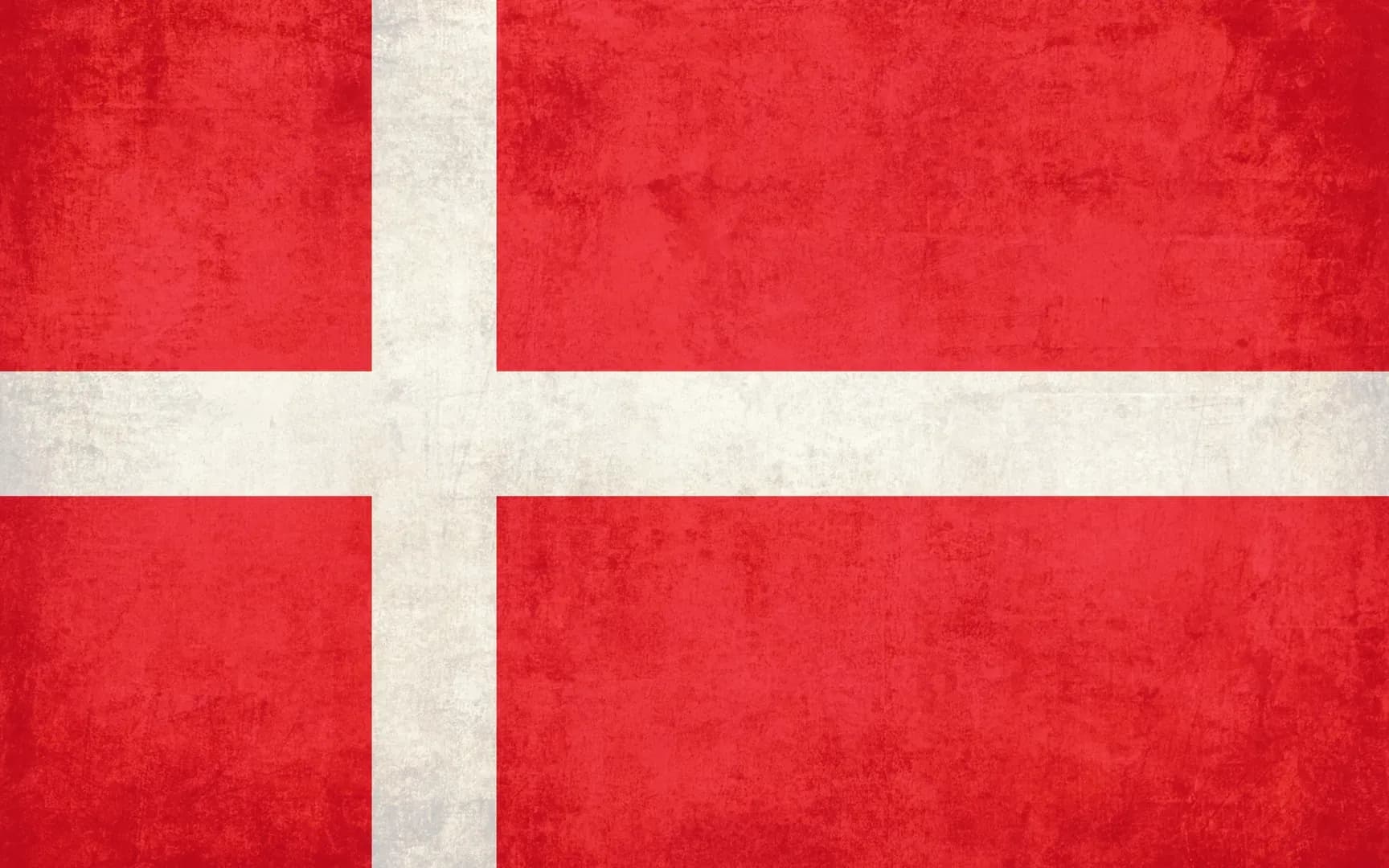 INDEX 26.10.2025, 17:52 Danish Sovereignty Index (Burke Index), 2024-2025  Share on media IntroductionThis report presents a comprehensive analysis of Danish sovereignty using the methodology of the Burke Institute. Sovereignty is assessed in 7 areas: political, economic, technological, informational, cultural, cognitive and military. Each aspect is assessed on the basis of official data from international and national sources (UN, World Bank, UNESCO, IMF, ITU, FAO, SIPRI, PISA, etc.) without using politicized indexes. The maximum score in each direction is 100; the sum (up to 700) is the accumulated Sovereignty Index (Burke Index). To adapt and adjust statistical parameters, an international expert survey was conducted for each of the seven components using a single questionnaire of 10 questions with a 10-point scale and one open-ended question. In total, at least 100 experts from 50+ countries were interviewed for each indicator, taking into account geographical representation and specialization. When calculating and analyzing the data, equalizing coefficients were used, bringing all data to a scale of 0-10 points. The final index value is the arithmetic mean between statistical data and expert estimates. Below is an analysis in each area, a final summary table and the main conclusions about the peculiarities of Danish sovereignty. Political sovereignty — 84.9Denmark is included in the UN, EU, NATO, OECD, IMF, The World Bank is actively involved in the G20 and all key international structures. It has traditionally been one of the leaders in achieving the UN Sustainable Development Goals and considers international alliances to be the main channel of external influence. The Danish legal system is based on the dualistic principle that international law does not automatically become part of the national law unless it is ratified by Parliament. However, EU membership has introduced partial supremacy of EU law in the areas transferred to Brussels. The Supreme Court retains the right to assess the conformity of European decisions The Constitution Denmark. The World Bank's Political Stability Index for Denmark in 2023 made up 0.85 of 2.5, significantly higher than the global average (-0.06), indicating a low risk of crises and terrorism. The Economist and the EIU evaluate Denmark as a country with a "very low" the level of political and security risks. An indicator of the effectiveness of public administration in Denmark — 98.6%, entering the top 3 in the world (according to World Bank for 2023). The high quality of the bureaucracy and services is supported by low corruption and stable institutions. Denmark is recognized as the 1st country in the world according to the EGDI e-government Index (UN 2024 — score 0.9992). It leads in all components (telecommunications infrastructure, online services and human capital). Prime Minister Matt Fredriksen has been leading the coalition since 2023. Social Democrats, Liberals and Moderators. Confidence in Fredriksen's personality varies between 50-55%, and the coalition government retains a parliamentary majority and stability (according to SGI and Gallup, data from 2025). On the mainland Denmark does not have permanent foreign bases, however, on the territory of Greenland has an American Pituffik Space Base (Thule — Base Missile defense and space surveillance), formally under sovereignty Denmark, but in the operational control of the US Armed Forces within the framework of the NATO treaty. In 2025 Denmark has temporarily deployed NATO troops and partners on its territory for exercises and to ensure readiness for hybrid threats. Denmark is one of the active participants of the International Criminal Court (ratification Rome Statute in 2001) and actively implements the principle of universal jurisdiction within its legislation (the new law of 2024 incorporated war crimes into the Criminal Code). Denmark is a unitary state with a high degree of decentralization: 98 communes and 5 regions have significant budgetary and administrative rights. Local authorities control healthcare, education, and infrastructure. However, strategic planning is tightly coordinated from the center. Intelligence agencies (FE and PET) they are under the supervision of the special parliamentary committee Folketinget and Ministry of Justice. Since 2024, the powers of supervision have been strengthened by the law on the control of special services and the protection of personal data, and the obligation of annual public reporting has been introduced. Data completeness assessment: the main indicators are available from international sources, the coverage is 92%. Economic sovereignty — 87.1According to the data World Bank and Trading Economics, GDP per capita (PPP) in Denmark in 2024 this year it amounted to 73,709 US dollars, and by 2025 Growth is expected to reach $75,183 (415% of the global average). This puts Denmark is among the top 15 richest countries in the world by PPP. Total reserves Denmark's figures for January 2025 were 5.99 billion US dollars, reaching a historic high for the first time. Most of it is gold in assets Of the National Bank Denmark (Danmarks Nationalbank). According to the Statistics and Data Service of Trading Economics, the national debt Denmark's target for 2024-2025 is 31-33% of GDP (one of the lowest in the EU). The forecast for 2026 is a decrease to 28.9% of GDP, which shows high fiscal stability and conservative fiscal policy. Study IFRO Institute (2024) and the FAO points out that Denmark has a very high level of food security — domestic rural production provides 100% of the country's basic macronutrient needs. Rising food prices and inflation in 2023-2024 accessibility has been somewhat weakened, but food availability has not been affected. Denmark is one of the world's pioneers in green energy: In 2025, 88% of energy production is accounted for by renewable sources (wind, solar and bioenergy). After the closure of the last coal-fired thermal power plant in 2024 and maintaining self - sufficiency in oil and gas from the fields In the North Sea, the country has actually achieved energy autonomy. Danish control includes oil and natural gas (the North Sea), as well as significant reserves of gravel, sand, limestone, chalk and clay. Annual oil production is about 10 billion liters, which meets the country's domestic needs. Local industry (Faxe Kalk, Shell Denmark) exploits these resources with high environmental standards. Closed hydraulic system with widespread use of groundwater: All drinking water supply is provided from underground sources (≈100%). The average annual supply is about 5,000 m3 per inhabitant, which is three times higher than the global water poverty threshold. The cleaning and monitoring system is located in the highest segment of the EU. The main operator is Nets Group (a national fintech company cooperating with Danmarks Nationalbank). The payment infrastructure includes Kronos2 systems (real-time gross settlements) and Straksclearingen (instant payments 24/7). All transactions are regulated by the National Bank and comply with EU regulations. Denmark uses the Danish krone (DKK), pegged to the euro through the ERM II mechanism with a fixed corridor ±2.25 %. More than 80 % internal transactions and 60% of external contracts are conducted in DKK, which ensures high currency self-sufficiency. The issue and monetary policy are carried out by Danmarks Nationalbank, a completely independent institution from the ECB. It regulates the DKK exchange rate through the currency corridor mechanism and maintains low inflation (approximately 2%). Unlike the eurozone, Denmark has full control over credit and monetary policy. Data completeness assessment: the main macroeconomic indicators are available from official sources (World Bank, IMF), coverage is 94% Technological sovereignty — 83.5The total expenditure on science and development is 2.9% of GDP (2024), with a target of 3% in 2026. Denmark is in the top 10 of the OECD in terms of the share of innovative investments. The lion's share of expenses (approx. 70 %) The private sector accounts for this, especially pharmaceuticals and green energy. Denmark demonstrates high self-sufficiency in digital services and fintech exports (128.9 % of the EU average), but exports of tangible high-tech goods account for only 78.9% of the EU level. Dependence on imports of non-European components is decreasing (to 90.7 % from the EU average). The focus on domestic R&D and green technology production is shifting the structure of the economy in favor of services and software. The proportion of the population aged 25-34 with higher education is 49%, which is higher than the OECD average (47%). Higher education is public and free for EU/EEA citizens, and foreign programs include over 600 English-language courses. By January 2025, 99.0 % the population has an internet connection. Average speeds: fixed Internet — 238 Mbit/s, mobile — 162 Mbit/s. The level of broadband connectivity is almost universal (99.2% of mobile connections are 3G/4G/5G). Denmark is one of the top 5 countries in the world in terms of speed and accessibility. The national digital infrastructure includes Borger.dk (unified portal of public services), MitID (digital identification), Digital Post (official email) and Sundhed.dk (goszdravportal). Coordinates the implementation Danish Agency for Digital Government as part of the National Strategy for Digitalization 2023-2030. The share of imports of high-tech goods from the EU and Asia accounts for about 60% of the total. Denmark is a net importer of electronic components, but exports software solutions and high-value-added engineering services. According to the UN EGDI rating of 2024 Denmark is No. 1 in the world (score 0.9992). All tax, healthcare, social support, and identification services are available online — the citizen coverage rate is 100%. Digitalization of public administration is fully completed by 2025. The biotechnology and bio-innovation sectors are one of the pillars: the leading players of Novo Nordisk, Chr. Hansen and Novozymes create their own research centers and platforms for biotechnological solutions. Fund The Innovation Fund Denmark and the Grand Solutions 2025-2028 program finance national developments in the field of biofuels, enzymes and medical biotechnologies. Denmark — European Robotics Cluster (city Odense): Universal Robots, MiR, Nordbo Robotics and industrial laboratories operate at Technical University of Denmark. About 60% of robotic solutions are manufactured in the country, and exports reach up to 50 countries. Robots are used in industry, pharmaceuticals and medicine. Denmark does not have a full-fledged mass production of chips, but it is developing R&D in the fields of quantum technologies and sensors. In 2023-2025, the NATO DIANA Quantum Lab has been created, a joint platform for dual-use development based on the Niels Bohr Institute and Technical University Denmark. Denmark is following the path of research rather than industrial autonomy in chip technology. Data completeness assessment: key indicators are obtained from WIPO, ITU, UNESCO, which provides 93% coverage. Information sovereignty — 85.1The National CERT in Denmark is represented by DKCERT, which has been operating since 1991. at the agency DeiC (Danish partner in electronic infrastructure). In the ITU ratings and EU, Denmark is one of the most prepared countries to protect critical infrastructure. The system includes the CISAT Research Center (IT University of Copenhagen), which operates within the framework of national programs on cyber warfare and information security. According to the Internet Society Pulse in Denmark has 8 IXPs (traffic exchange points), including the main DIX Copenhagen and DE CIX Esbjerg. This ensures local peer-to-peer of > 95% of traffic within the country, one of the best indicators in Europe. Major state and private media (like DR, TV 2 Danmark, Politiken, Zetland) They broadcast and publish in Danish, and the share of Danish-language content in the news space exceeds 90%. In May 2025 A bill on the "Protection of the Danish language" has been submitted to Parliament to limit Anglicization in science and the public sphere. Denmark introduces a national regulator to manage artificial intelligence and algorithms according to the law Danish AI Law (2025), which is due to take effect on August 2, 2025 and strengthens internal oversight of technology giants. The country also supports EU restrictions on Digital Markets Act and Digital Services Act. National channels (state-owned DR and private TV 2) They control more than 70% of television broadcasts and news sources, and their online audience is more than 80% of Internet users. The media industry is actively developing the export of Danish content to Scandinavia and the EU. Leading national IT developers — Netcompany, Systematic, Trifork, KMD — create government and commercial platforms for the country and export them to the EU and the USA. The technical services sector is one of the key sectors in the economy (≈7% of GDP) and it relies on internal developments. Online coverage of the population with digital services reaches 99 %: almost all transactions with government agencies are conducted through Borger.dk and the MitID. 82% of residents use digital government platforms or Digital Post e-mail on a daily basis. The European Cloud Program for Denmark" (as part of the Open Telekom Cloud 2025) develops a national cloud for government agencies and private companies focused on data storage within the EU. In parallel, the state infrastructure for the Digital Growth 2025 strategy is developing. The main operators — TDC NET, Telia Danmark, Telenor Danmark, Hi3G (3) — are all registered in Denmark and work under national regulation. 4G coverage — 99.9%, 5G — 96 % the population. The network does not contain critically dependent foreign equipment (all vendors are European or Scandinavian). Denmark applies the GDPR regulation, but from July 2025. She initiated its targeted reform for the EU. It is proposed to relax excessive requirements for SMEs, introduce exceptions to strict rules on cookies and optimize complaint procedures without reducing the level of protection of citizens. Data completeness assessment: infrastructure indicators are available from ITU, CIRA, OECD and specialized sources, coverage is 94%. Cultural sovereignty — 84.1By October 2025, in Denmark has 11 facilities in The list UNESCO World Heritage Site, including architectural, historical and natural monuments: Roskilde Cathedral, Juelling Mounds, Kronborg, Stevns Klint, Wadden Sea, Christiansfeld, hunting landscape in Northern Zealand, Viking ring fortresses, Iljulissat glacier, Kujaata in Greenland and the new facility Mens Klint (incorporated in 2025). Denmark has had a significant impact on the humanitarian and scientific traditions of the world: — philosopher Søren Kierkegaard founded existential philosophy; — Hans Christian Andersen created the classic world children's literature; — Carl Nielsen and Karl Theodor Dreyer became famous for Danish music and cinema; — Niels Bohr made fundamental contributions to atomic physics. Major cultural awards Denmark: — Sonning Prize (1 million Danish crowns) — the leading prize in the field of European culture and art, awarded by By the University of Copenhagen; — Grants from the New Carlsberg Foundation, 100,000 DKK each, are awarded annually to the best artists and photographers. Cultural identity Denmark relies on the concept of "hygge" (comfort and harmony) and a rich folklore tradition. The main national holidays are Sankt Hans Aften (Kupala night), Fastelavn (carnival), Jul and Påske (Christmas and Easter). The preservation of folk songs, dances, and decorative folk costumes is supported through Folklore Development Society. Denmark has traditionally supported the rights of indigenous peoples and national minorities: IWGIA Institute (Copenhagen) and the state agency DANIDA coordinates programs to protect the rights of the Innuit and Sami Greenland, as well as UN global initiatives. According to Statistics Denmark and According to the State Heritage Services, there are more than 10,000 officially protected architectural and archaeological monuments in the country, of which about 4,300 buildings are on the register of protection and about 700 national-level museum objects. Activities of the Danish Cultural Institute (DCI) (founded in 1940) covers 50+ countries. In 2025-2028. As part of the new strategy, DCI focuses on mutual understanding and democratic values through cultural dialogue in Africa, Asia and Europe. Danish culture is used by the state as a national brand (the concept of "Creative Denmark"): The brands LEGO, Royal Copenhagen, Georg Jensen, and the Bauhaus Nordic design school are internationally recognized. Denmark actively protects intellectual property rights through EUIPO and the international WIPO system. Danish cuisine combines tradition and innovation: «New Nordic Cuisine» with an emphasis on local products and ecology, it is recognized in the world thanks to chefs Rene Redzepi (Noma) And Rasmus Kofoedu (Geranium). Traditional dishes are smorrebrod (open sandwiches), herring, meatballs, potatoes and pastries. According to Stats Denmark reports, about 84 % Residents annually participate in cultural events (theaters, museums, festivals, clubs). More than 60% of Danes are engaged in creative work or volunteering in the field of culture. Data completeness assessment: basic indicators are available in UNESCO and national statistics, coverage is 97%. Cognitive sovereignty — 86.5Denmark ranks 4th in the world, with the HDI index of 0.962 (data for 2023-2024). This perfectly characterizes the standard of living, education and life expectancy. In 2022-2024. Denmark spends 5.3-6.35% of GDP on education. This is one of the highest rates not only in the EU, but also in the world. Adult literacy rate Denmark — 99% (men and women), the figure has remained consistently high for several decades. PISA 2022: — Mathematics — 489 points (OECD average — 472), — reading — 489 (average — 476), — natural sciences — 494 (average — 485). The overall quality of the school system is very high, with 80% of students achieving a basic level of mathematical competence. About 31% of bachelors and masters receive a diploma in STEM industries (engineering, IT, natural sciences). Half of these graduates go to the technical sector, where there is a shortage of personnel. There are more than 600 English-language bachelor's and master's degree programs in Denmark, and many PhD courses. International programs are available in all leading universities, mainly for students from the EU, EEA and third countries. In addition to the Danish language, the following languages have official status and state support: — German (in Southern Jutland), — Faroese (Faroe Islands), — Greenlandic (Greenland, autonomy), — English is widely used in business and student environments. Cultural support for Romani, Russian, Polish, and Jewish communities is stable. In Denmark, 19 public research institutes (sector research institutes) are officially registered, covering basic sciences, medicine, agriculture, geosciences, IT, etc. More than 85% of national school, university and additional online educational platforms are developed by Danish universities and government agencies (Ministry of Education, IT University, Aarhus University). The basis of distance education is the UddannelsesGuiden portal (UG.dk). The Innovation Fund Denmark, the Ministry for Education and Research, and regional departments annually allocate over 1.2 billion DKK (≈160 million euros) for STEM grant competitions, research internships, doctoral studies, and postdoc positions. The number of supported young professionals in national programs from 2020 to 2025 has reached 5,450 people annually. Data completeness assessment: education indicators are available in UNDP, UNESCO, OECD, coverage is 96%. Military sovereignty — 63.7According to the new agreement, Denmark increased defense spending to 3% of GDP in 2025 (for the first time in history), which is equivalent to an additional 50 billion Danish crowns (≈ 7 billion USD). This puts the country among the leading NATO members in terms of contributions to collective defense. The total strength of the Danish army is 16,000 active military personnel and up to 44,000 in reserve; including army, naval and air forces. In addition, there are about 4,000 volunteers in the national militia. (Home Guard). 2025 marks a major modernization of the army: Replacement of F 16 fighters with F 35A Lightning II (there will be 52 units in total after additional work in 2025-2026); — New air defense systems (8 medium and long range) worth 58 billion crowns; — Purchase of Tomahawk and JASSM ER missiles for long-range impact. Denmark manufactures and upgrades up to 35 % military equipment on its territory. In addition to companies Terma (Aerospace), Systematic (Military command and Control software), and Weibel Defense will open joint sites in 2025 with Ukraine for the production of drones and ammunition on Danish territory — Denmark is the first EU country to provide such opportunities. A new encrypted EU Entry/Exit System (EES) has been introduced since October 12, 2025 for all non-indigenous citizens of Schengen, run by the police. The country has tightened its control in Copenhagen Airport and at the borders with Germany and Sweden (temporary measures remain in place until November 2025). The reserve is about 44,000 people, 15,000 of whom are included in The Home Guard. The National militia supports the army in emergency situations and trains peaceful volunteers. Denmark is a full member of NATO, but all decisions on the deployment of troops or military actions are approved by Parliament. Coordination is conducted through the EU Defense Fund and the Arctic Command. Greenland and the Faroe Islands). Denmark retains national control over military planning when implementing operations within the framework of NATO or EUFOR. The main players are Terma A/S (radar and systems for the F 35), Weibel Scientific (ballistics), and Systematic A/S (military software), Hydrema (armored vehicles) both XR AI and Amass Tech startups (training systems and drones). Government investments are available to foreign partners only through Danish suppliers, which creates conditions for technological sovereignty. Denmark does not possess nuclear weapons and is a member of The Treaty on Non-Proliferation (NPT). Any deployment of nuclear warheads on Danish territory has been prohibited since 1957 (nuclear free zone policy). There are no warheads or military nuclear materials in the country. Space support is provided through the agency Aarhus University Space Research, as well as integration with EU satellite systems ("Galileo PRN"). Intelligence is coordinated by The Danish Military Intelligence Service (DIIS), which in 2025 has switched to fully automated monitoring protocols for the Baltic and Arctic regions. All parameters are reflected in the annual reports of SIPRI, UNODA, the Ministry of Defense, the official portals of state-owned companies (Embraer, IMBEL) and industry databases of UN/NGO – 98% coverage Final Summary Table
The main conclusionsStrengths. Denmark is one of the most stable parliamentary democracies in the world with a high level of trust in institutions, transparent governance and zero corruption risks.B The Government Effectiveness (WGI) index — 98.6% — is in the top 3 globally. The economy is characterized by a balanced budget, low inflation (< 2%), high employment, and a stable currency tightly pegged to the euro. The country is in the top 20 for GDP per capita (≈ 75 thousand USD in PPP terms), and the 4th in the world in terms of well-being (HDI 0.962). Research and development expenditures account for about 3% of GDP, and contributions to global biotechnology and medicine (Denmark BioCluster, Novo Nordisk, Chr. Hansen is one of the leading companies in the world. According to the Global Innovation Index, Denmark ranks 10th in the world. Denmark is a leader in the global e-government ranking (UN EGDI 2024-0.9992), owns national platforms MitID, Borger.dk, Digital Post and Sundhed.dk, develops a state laboratory and a national regulator for artificial intelligence. 99% of residents have access to the Internet and state portals. Defense spending in 2025 increased to 3% of GDP. The army is compact but high-tech (52 F-35 aircraft, modern Air defense and long-range missiles). The national industry produces about 35 % of weapons domestically and develops military production with Ukraine. 11 UNESCO sites, 99% literacy rate, 50% higher education coverage and more than 80% cultural participation. Denmark is one of the most educated and socially engaged countries in the world. Culture and brands (LEGO, Royal Copenhagen, New Nordic Cuisine) are part of the national soft power. 88% of electricity is produced from renewable sources. The country has achieved de facto energy independence and maintains the best climate resilience in the EU. Weaknesses.The economy is strongly concentrated around pharmaceuticals and Novo Nordisk, which generates up to 50% growth in exports and employment in the private sector. The decline in its growth rate in 2025 has sharply affected GDP and investment. Small domestic market and high openness (foreign trade turnover — 128% of GDP) are doing Denmark, which is overly dependent on European and American markets. Any external crises have a strong impact on the economy. The aging of the population and the immigration burden keep the pressure on the social system. High prices for housing and services limit domestic consumption. The practical lack of mineral resources leads to import dependence on raw materials and microelectronics, although in biotechnology and the country is practically independent in the IT sector. Height GDP in 2025 It was reduced to 1-1.6%, which is the lowest in 5 years, with high investment activity and domestic employment. The main reason is the slowdown in exports and global competition in the pharmaceutical industry. Overall assessment. Denmark's cumulative sovereignty Index is 574.9 out of 700 points (high — 82.1%), which places the country in the top 50 in the global top. Denmark is a structurally integral, legally and technologically sovereign European state with the highest global standards of living, management and innovation. The main risks to sovereignty are a narrow economic base (dependence on the pharmaceutical sector and exports), demographic constraints, and vulnerability to external cycles of the EU and the United States. Otherwise, Denmark remains one of the most self-sufficient and high-quality models of socio-technological development in the world. The sovereignty profile indicates that Denmark in 2025 represents one of the most highly balanced and autonomous democracies in the world. It is independent in the financial and digital spheres, innovatively strong and socially stable, while maintaining European and Atlantic solidarity. The main risks are resource constraints and the Greenland issue. Nevertheless, the sovereignty of Denmark remains highly protected within the EU and NATO. | ||||||||||||||||||