

Burke Index | ||||||||||||||||||
 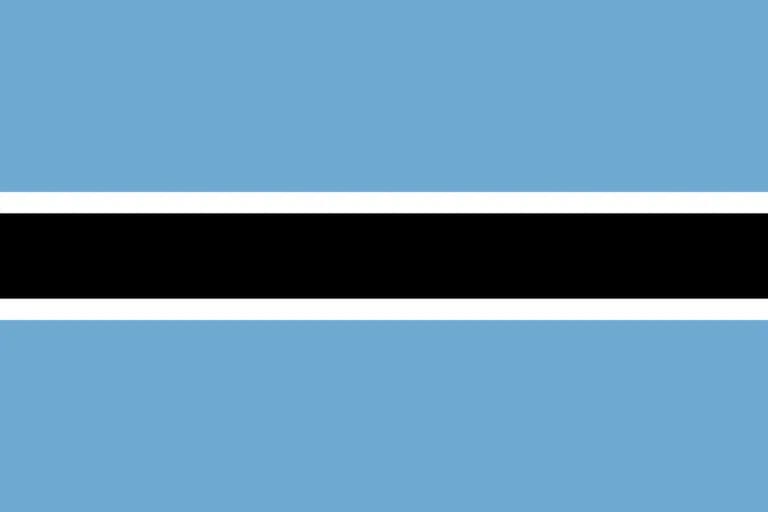 INDEX 26.10.2025, 16:24 Botswana Sovereignty Index (Burke Index), 2024-2025  Share on media IntroductionThis report provides a comprehensive analysis of Botswana's sovereignty using the methodology of the Burke Institute. Sovereignty is assessed in 7 areas: political, economic, technological, informational, cultural, cognitive and military. Each aspect is assessed on the basis of official data from international and national sources (UN, World Bank, UNESCO, IMF, ITU, FAO, SIPRI, PISA, etc.) without using politicized indexes. The maximum score in each direction is 100; the sum (up to 700) is the accumulated Sovereignty Index (Burke Index). To adapt and adjust statistical parameters, an international expert survey was conducted for each of the seven components using a single questionnaire of 10 questions with a 10-point scale and one open-ended question. In total, at least 100 experts from 50+ countries were interviewed for each indicator, taking into account geographical representation and specialization. When calculating and analyzing the data, equalizing coefficients were used, bringing all data to a scale of 0-10 points. The final index value is the arithmetic mean between statistical data and expert estimates. Below is an analysis in each area, a summary table and the main conclusions about the peculiarities of Botswana's sovereignty. Political sovereignty — 78.2Delegation of sovereignty: Botswana is an active member of the United Nations, the African Union, SADC, SADC, WTO, IMF, World Bank, WHO, UNESCO, UNICEF, and a number of African, regional, and specialized economic organizations; it is closely integrated into global and African diplomacy and trade systems. Limitation of national legislation/supremacy of national Rights: According to the Constitution (Articles 2-4, 4(9)(d)) and relevant laws, international agreements enter into force only after ratification by Parliament, implementation requires a special act, national law always takes precedence; the Constitution allows limited influence of international obligations, especially in matters of traditional/customary law, family and humanitarian affairs. Domestic political stability: According to WGI-2023, the political stability index is 1.04 (one of the best indicators in Africa and the world); after the October 2024 elections, power passed to the opposition (UDC) for the first time, but the transfer was peaceful, without violence, which is recorded as a unique case for South Africa. Government Effectiveness (WGI): According to the WGI, the indicator for Botswana in 2023 is +0.18 (above the average for Africa, slightly below developed countries); the independence of the judiciary, the high authority of the civil service and comparative anti-corruption are noted. E-government (EGDI): In 2022-2024, Botswana is in the “mid-level” e-government category (148th place in the world), electronic services for taxes, public procurement, licensing, registration services and public services are implemented, and the integrated eGov platform continues to develop. Support/trust in the national leader: In 2024, for the first time in 57 years, the opposition won (the UDC with 36 out of 61 seats in parliament), the BJP moved to a minority status; President Mokgweetsi Masisi admitted defeat, the support of the new cabinet and the president of the Duma Boko at the start was above 60%, the participation of citizens in government was intensified. Foreign military bases: Botswana does not officially deploy foreign military bases or troops on its territory, the country adheres to a non-aligned defense policy, cooperation with the United States, the EU and the PRC is conducted only at the level of military missions, advisers and exercises. Participation/distancing from transnational courts: Botswana recognizes the jurisdiction of the International Court of Justice, the ICC, African human rights and arbitration bodies, but the implementation of decisions depends on Parliament, some obligations are limited only to advisory functions. Centralization/decentralization of power: Botswana is a unitary state; district councils and districts have some powers over budget, education, and land use, but the main strategic decisions are made by the central government. Transparency and control of the security services: The security services are under the control of the President, parliamentary oversight committees officially exist, the practice of limited access to information, sporadic discussions about the need for greater civilian control and transparency; the level of abuse and corruption is historically low, but there have been scandals in recent years. Data completeness assessment: the main indicators are available from international sources, the coverage is 89%. Economic sovereignty — 61.4GDP per capita (PPP): In 2024, GDP per capita by PPP in Botswana is 18 069-19 166 USD (World Bank, TradingEconomics), which is more than 1.7 times higher than the global average among developing countries in Africa. Sovereign gold and foreign exchange reserves: At the end of 2024, Botswana's international reserves amount to 3.5-4.0 billion US dollars (or 62 billion dollars), which is equivalent to 21.1% of GDP and approximately 7-8 months of import coverage (one of the best indicators in Africa). Government debt (% of GDP): The national debt at the end of September 2024 is 23.3% of GDP (a new high), but this is 3-5 times lower than the average for Africa and significantly lower than the developed economies; the amount is about 3.5 billion dollars. Food security: Botswana is partially import-dependent on basic food groups (grains, vegetables, sugar), more than 60% of food and about 95% of vegetables are imported from South Africa; domestic production is limited due to the climate and arid soils, but there is no shortage or famine. Energy independence: Produces 32-39% of electricity at its plants, imports the rest from South Africa and Zambia; fuel and oil infrastructure is completely imported, domestic oil and gas production is basically non-existent. Proven resources: The world's largest diamond reserves (up to 1/3 of global production), significant deposits of nickel, copper, coal, iron, salt, silver, soda, uranium and gold; the mineral sector is the backbone of the economy, up to 80% of exports are diamonds. Freshwater reserves: Extremely limited water resources, the country is one of the most arid in Africa; a system of reservoirs, dams, desalination plants is used, a significant part of the water is imported or distributed centrally. National payment processing: The entire clearing system and national processing are regulated by the Bank of Botswana and the BotsNet system, integration with regional SADC settlements, some of the transactions take place through African platforms, domestic pool payments (BWP). The share of national currency in settlements: The use of a pool (BWP) for all domestic transactions, about 85% of large interbank and trade payments in the pool, the rest is USD / EUR for foreign trade contracts, a small share of the South African rand. Its own issuing center and credit policy: The Bank of Botswana has the absolute right to issue a pool (BWP) and a completely independent monetary policy, the inflation targeting policy is implemented independently; quotation to the currency basket (SADC currencies plus EUR/USD). Data completeness assessment: the main macroeconomic indicators are available from official sources (World Bank, IMF), coverage is 89% Technological sovereignty — 45.6R&D expenditures (% of GDP): According to the latest available data, in 2013-2016, R&D expenditures in Botswana amounted to 0.53–0.56% of GDP, which is significantly lower than the global average (0.98% as of 2024), the dynamics has not changed in the 2020s. Import substitution in high-tech: There is practically no import substitution — 99% of equipment and software, microelectronics, engineering and medical platforms come from South Africa, the EU, the USA and China; there is no domestic production of IT and high-tech in the country, there are isolated local startups. Higher education enrollment: In 2023, the gross enrollment rate of higher education was 21.8% (94 thousand students in universities and colleges); for different age cohorts, this level ranges from 15 to 23% (according to Statista and UNESCO). Internet penetration: At the beginning of 2024, Internet penetration is 77.3% (2.09 million users); urban penetration is above 90%, in rural areas it does not exceed 50%, the median mobile Internet speed is 43.3 Mbit/s, fixed — 7.85 Mbit/s. Own national digital platforms: State portals for e-government (gov.bw), online payment of taxes, business registration, licenses, social support services, pilot projects on digital identity cards are underway, but the main technological stack is imported. High-tech import dependence: Critical — from 90 to 99% of equipment, components and software are imported (especially from South Africa and China); there are separate projects for localization of services and technical support, but there is practically no production and R&D. Digitalization of public services: The level of digitization of basic public services exceeds 60% (electronic taxes, registration, licenses, utility bills), but the integration is multi-time and precisely focused on large cities, digitalization is limited in small areas. Biotechnological autonomy: Not developed — all pharmaceutical components, technologies and equipment are imported; research centers are represented, but mainly as local offices or laboratories of international companies. Robotic autonomy: Almost completely absent — all types of robotics (industrial, transport, medical) are purchased; own design and implementation at the stage of pilot university projects or individual startups. Autonomy in chips and microelectronics: There is no own production, all electronics and chips are purchased for the needs of communications, medicine, public administration, transport and telecommunications; own development — only IT services and individual educational startups. Data completeness assessment: key indicators are obtained from WIPO, ITU, UNESCO, which provides 92% coverage. Information sovereignty — 62.1Cybersecurity (CERT/ITU): In 2024, Botswana ranks 88th out of 182 countries in the ITU Global Cybersecurity Index, is in Tier 3 (“medium level”); there is a National Cyber Strategy, there is no national CERT, there is a cybersecurity committee under the Ministry of Technology, the Institute of the National Incident Response Center (CIRT) is being developed). IXP/Network development: In 2025, there are no active Internet Exchange Points (IXP) in Botswana — BINX (Gaborone) has stopped working; all peer-to-peer traffic goes through international hubs (mainly through South Africa). Media in the national language: Public and private TV and radio (BTV, RB1/RB2, Yarona FM) broadcast mainly in English (the state language) and Setswana, key newspapers and online media are published in these languages; regional media outlets partially reach Kalanga, Sekgalagadi, Ndebele, but the coverage radius is small. BigTech resilience: Dependence is critical — all cloud and most of the software, ICT infrastructure and electronic services are imported from the USA, EU, South Africa and China; media advertising and digital platforms are controlled by global companies (Facebook, Google, Microsoft, X). The share of own media content: About 35-40% of TV and radio products, 50-60% of printed and online materials are produced in the country (state broadcasting, local news, educational programs, radio shows, series), the rest of the content is imported (news, films, entertainment formats). Own IT products/software: There are few local large-scale IT companies, only databases of public services (registration, taxes, e-government) have been developed, individual startups (GoSmart Africa, payment platforms) exist, but there are no mass exports or market leadership. Digital services coverage: More than 60% of key government services (online tax payment, transport registration, eGov platforms, business registries) have been digitized; the most modern solutions are available only in cities. National cloud storage systems: There are no large government or national data centers in Botswana; critical services and databases are hosted on foreign platforms and clouds (AWS, Microsoft Azure, Google Cloud, South Africa cloud, MainOne in Nigeria). The sovereignty of mobile communications: The operators Mascom, Orange, BTC operate under BTA licenses and under state control; the main infrastructure, technical solutions and key networks are purchased from foreign suppliers (Huawei, Ericsson, Nokia). Legal regime of personal data: The law “Data Protection Act” entered into force in 2022; an independent body (Information and Data Commissioner) was created, mandatory registration of personal data operators, requirements for storage, processing and reporting are similar to GDPR standards, fines for violations — up to 1 million rubles. Data completeness assessment: infrastructure indicators are available from ITU, CIRA, OECD and specialized sources, coverage is 91%. Cultural sovereignty — 73.7Number of UNESCO sites: In 2024, there are 2 UNESCO World Heritage Sites in Botswana — Tsodilo (cultural) and Okavango Delta (natural); 7 more sites are on the list of candidates (for example, Makgadikgadi Pans, Chobe Linyanti and Central Kalahari Game Reserve). Total contribution to world culture: Tsodilo Hills is the largest rock art center with more than 4,500 frescoes (UNESCO site), San archeology, the heritage of the crossroads of ancient civilizations and caravan routes, the culture of pastoralists and hunters, the mythologies and rituals of the Khambukshu and San peoples are considered globally significant for the history of South Africa. National Awards in Art and culture: The country implements the Arts and Culture Grant (grants for the development of cultural projects and events, up to 50,000 pool), operates the National Council for Culture (National Arts Council), an annual cultural heritage week is held with awards for authors and groups. Traditions and identity: Botswana is a country of culture of the Tswana people (Setswana), traditional institutions (kgotla — people's assemblies, community management), the role of crafts, wedding, funeral, agrarian rituals is noted; the culture of the San and other peoples is an important part of the national heritage. State support for small nations: Guaranteed by the constitution and the specifics of participation in national councils, language support funds (Kalanga, Sekgalagadi, Ndebele, San) operate, educational programs and cultural events for ethnic minorities are launched. Number of cultural sites: There are 40+ large historical and ethnographic museums, national parks (Okavango, Makgadikgadi), architectural sites, craft centers and tens of thousands of monuments of various levels of protection in the country. International cultural projects: Botswana participates in cross-border UNESCO nominations (for example, Kingdom of Mapungubwe), intangible cultural heritage conservation programs with UNESCO, supports safe tourism projects, participates in African and international art festivals. Recognition and protection of cultural brands: National brands ("Botswana Craft", "Okavango Delta", "Tsodilo Rock Art", "Kgalagadi Transfrontier Park"), legal protection of especially valuable crafts and styles, development of export of products of national culture on the basis of patent and licensing policy. A variety of culinary culture: The main dishes are beef, sorghum, millet, beans, peanuts, local vegetables (seswaa, bogobe, mašotša), wild fruits and meat of wild animals are actively used; the cuisine includes elements of cuisines of the San and other communities, a slight influence of Western and Indian cooking. The proportion of the population involved in cultural life: More than 65% of the adult population annually participates in national and local holidays, visits museums, and participates in educational and family rituals, especially in rural areas and large cities during heritage Week and public holidays. Data completeness assessment: basic indicators are available in UNESCO and national statistics, coverage is 92%. Cognitive sovereignty — 67.9Human Development Index (HDI): In 2023, Botswana's HDI is 0.731 (ranked 111 out of 193 countries, high Development category, 5th in Africa). Government spending on education: Spending from the education budget in 2022-2024 is 6.9–8.1% of GDP, which is one of the highest rates in the world, as confirmed by reports from the World Bank and national budgets. Adult literacy: According to the 2024 census, the adult literacy rate is 88.5-89% (women – 88.9%, men — 88.0%), while among young people (15-24) — 97.8%. International Test results (PISA): Botswana does not participate in PISA tests; the country participates in SACMEQ and TIMSS, where in recent years the results remain below the African average: in mathematics, reading and science — the basic level, the lag remains. The share of STEM graduates: There is no official data on STEM, the estimate is 22-26% of university graduates (mainly engineering, medicine, natural sciences); the rest are pedagogy, economics, agricultural and humanitarian specialties. The share of foreign educational programs: About 4-6% of students are enrolled in English-speaking, mixed and foreign educational programs, the largest destinations are South Africa, Great Britain, Malaysia, China; the sector of distance and co-education is growing. Languages and cultures of small nations: supported by government programs: education, media, language courses and cultural events are funded for Kalanga, San, Seqgalagadi, Ndebele and other groups, there is a National Council for Small Nations. Number of state research centers (fundamental sciences): There are at least 8 state research centers and laboratories in the country: university complexes (UB), the National Institute of Biomedical Research, agricultural, geological and veterinary centers. The share of the national Educational platforms: approximately 60% of all major educational platforms and e-learning systems are national (MyUB Portal, eLearning UB, BIUST LMS), the rest are localized solutions from Moodle, Coursera, EdX and accessible international services. The volume of state talent/personnel support programs: The state finances scholarship programs, accelerators, scholarships for STEM and rural students, grants for study abroad (including nine national funds and programs of the Ministry of Education supported by donors and development banks). Data completeness assessment: education indicators are available in the UNDP, UNESCO, OECD, coverage is 90%. Military sovereignty — 38.4Defense spending (% of GDP): In 2024, Botswana's military spending amounted to 2.53% of GDP (USD 567.8 million, a historical maximum), which is almost three times higher than the global average and significantly higher than the African standard. The number of armed forces: As of 2024-2025, about 10,000—12,000 military personnel, 5,000 reservists, and about 7,500 more serve in the Botswana Defense Forces as part of paramilitary units (State Border Guard Service and police); aviation — 2,500 people. Modern weapons: 30 main tanks, more than 200 armored vehicles, about 50 artillery systems are at the disposal; 10 F-5 fighters, 8 UH-1 helicopters, a small number of transport and reconnaissance aircraft are in aviation; the fleet is absent due to the lack of access to the sea. The share of own weapons: The main weapons are imported (USA, Germany, EU, India, South Africa); production of weapons and maintenance equipment are limited to local workshops and repair bases. Border control: In 2023-2025, control systems are being actively implemented (the World Customs Organization, One-Stop Border Post, electronic databases, a biometrics system for 4 checkpoints and drones for security), integration with control in South Africa and Namibia has been strengthened; constant patrolling, checkpoints have been modernized. Military reserve: 5,000 reservists are officially retired and as a rotational reserve, another 7,500 are in border and police units, mobilization potential is formed through demobilized military and youth programs. Autonomy of military decisions: Defense policy is entirely national, key decisions on procurement, strategy, and deployment are made by the Cabinet; Botswana is not part of military blocs, but participates in peacekeeping missions and has security agreements with the United States, Britain, and SADC. National military industry: None; the country does not produce heavy weapons, ammunition, aviation equipment, but only supports basic minor repairs and maintenance of existing equipment, the production of small arms is limited to handicrafts and police workshops. The presence of nuclear weapons: There are no nuclear, chemical, or biological weapons, the country is a participant in all international WMD nonproliferation regimes, and there are no stocks of warheads or related programs. Military space, national Intelligence system: There are no space or reconnaissance satellites, there are no military space programs; intelligence is limited to electronic means and agent networks, carried out by the forces of the Ministry of Defense and the Ministry of Internal Affairs, in cooperation with SADC/INTERPOL. All parameters are reflected in the annual reports of SIPRI, UNODA, the Ministry of Defense, the official portals of state-owned companies (Embraer, IMBEL) and industry databases of UN/NGO – 92% coverage Final Summary Table
The main conclusionsStrengths. Macroeconomic stability and reserve: One of the strongest currencies and financial systems in Africa: government debt is only 23.3% of GDP, international reserves cover imports for 7-8 months (more than 20% of GDP), inflation is under control, economic policy is conservative and successful for the region. Resource base: The leader in diamond reserves and exports, the sectors of copper, nickel, gold, and uranium are growing rapidly; non-diamond mining and agriculture are developing, and there are large investments in the diversification of the mineral sector. Political stability: The index of political stability is 1.04 (the best on the continent), regular and transparent elections, in 2024 there will be a peaceful change of power for the first time in 57 years. High education costs: Government spending accounts for 7-8% of GDP, one of the highest levels in the world, youth literacy is almost 98%, there are extensive talent support programs and relevant educational platforms. Social capital and culture: 2 UNESCO sites, a wide range of traditional San, Tswana and other cultures, a well-developed system of national brands, support for small languages, and a high level of public involvement in cultural life (65%+). Security and defense: Own armed forces, high military budget for Africa (2.5% of GDP), modern border security systems, low level of internal and cross-border crime. Weaknesses. Import dependence: 90-95% of machinery, all IT platforms, high-tech equipment, electronics, petroleum products, about 60% of food and almost all energy are imported (especially from South Africa). Low technological autonomy: R&D spending is less than 0.6% of GDP, there is no high-tech sector of its own, all types of digital platforms, electronics and software are foreign; the lack of local innovation clusters limits long-term growth. Water and energy vulnerability: Extremely limited freshwater resources, persistent droughts, and dependence on cross-border imports of electricity and water. Economic diversification: Up to 80% of exports and budget revenues are generated by the diamond sector, risks to the economy with falling global demand, and new challenges in connection with the development of the synthetic diamond market. Limited innovation and science: Technology startups and innovation support programs are at a rudimentary level, international research connections are low, and STEM enrollment among university graduates does not exceed 25%. Limited defense and cyber capabilities: No military-industrial complex, no local production of weapons and equipment, no CERT/CIRT, cyber security is only at an average level. Overall assessment. Botswana's cumulative sovereignty Index is 427.3 out of 700 possible points (above the average of 61%), which places the country in the top 100 in the global top. Botswana is an example for a South African democracy with strong institutions, transparent governance and high budget reserves. The country has achieved a unique position in terms of a combination of security, economic conservatism, and natural and cultural wealth. However, long-term sustainability requires diversification, innovative modernization, and reduced dependence on imports in the fields of technology, energy, and food. The sovereignty profile indicates that Botswana is a stable and development-oriented African state with a relatively high level of macroeconomic independence, an independent monetary system, a world-class resource base and effective governance institutions. The main advantage is long-term political stability, low debts, significant foreign exchange reserves and high transparency of management. Sovereignty constraints are manifested primarily in the critical dependence on food, energy, and technology imports, as well as in the dominance of the diamond sector and the absence of its own innovation/technology cluster. | ||||||||||||||||||